Johny Prima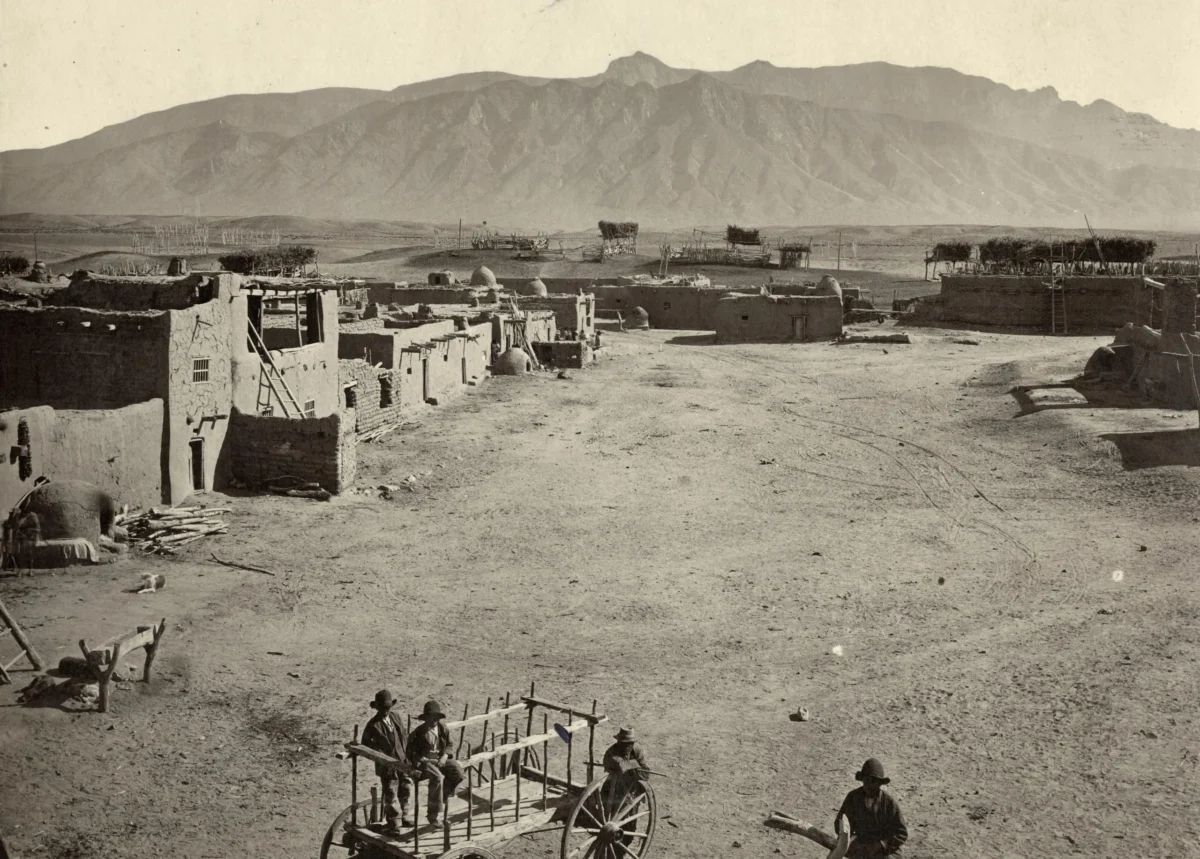
For countless generations, the resilient people of the Pueblo of Sandia have forged an indissoluble bond with the majestic Sandia Mountain and the life-giving Rio Grande, enduring through centuries of profound geopolitical shifts in what is now New Mexico. This ancient relationship, rooted in deep reverence and sustained through periods of existential threat from Spanish, Mexican, and American governmental incursions, has always prioritized the meticulous care of these ancestral lands and waters, alongside fervent prayers for the well-being of their communities and the global ecosystem. Sandia Mountain, a towering sentinel on the eastern horizon, stands as the very embodiment of the Pueblo’s spiritual core, serving as their sacred church, unwavering protector, and essential source of communal well-being, its slopes simultaneously nurturing diverse wildlife, critical ecosystems, and providing invaluable beauty and recreational opportunities for hundreds of thousands residing in and visiting the Middle Rio Grande Valley. Today, the Pueblo of Sandia issues a profound plea to lawmakers and the broader public: to honor their enduring culture, invaluable traditional knowledge, and inherent sovereignty by actively supporting their proactive efforts to ensure the comprehensive, long-term protection of Sandia Mountain, a vital endeavor in an era marked by rapid environmental change and unprecedented global uncertainties.
At the heart of this urgent appeal lies a specific legislative request: the transfer of lands within the T’uf Shur Bien Preservation Area from the jurisdiction of the U.S. Forest Service, an agency within the U.S. Department of Agriculture, to the Bureau of Indian Affairs, which operates under the Department of the Interior. This proposed administrative shift is not merely a bureaucratic re-categorization but a crucial step towards affirming the Pueblo’s inherent right to self-determination and implementing an indigenous-led conservation model for a landscape integral to their identity and survival. While the Pueblo expresses sincere appreciation for the dedicated work of local Forest Service employees who have striven to safeguard this special area through various political administrations, they bear witness daily to the visible scars of neglect and disrespect: rampant litter and graffiti marring pristine natural beauty, long-deferred maintenance eroding infrastructure, broken fence lines compromising ecological integrity, the proliferation of illegal trails causing soil erosion and habitat fragmentation, violations of occupancy rules, and widespread degradation perpetrated by individuals who seemingly hold little regard for either the sacredness or the intrinsic beauty of Sandia Mountain.
More alarmingly, the Pueblo has documented the destruction of irreplaceable cultural sites and persistent encroachment into sensitive areas, a direct affront to solemn federal commitments made when Congress enacted the T’uf Shur Bien Preservation Trust Area Act in 2022. This landmark legislation, a testament to decades of tireless advocacy and legal battles, sought to rectify historical injustices dating back to the 18th century. The Pueblo’s original land grant, bestowed by the King of Spain in 1748, clearly delineated the eastern boundary of their territory at the "main ridge" of Sandia Mountain. This demarcation was subsequently affirmed by the U.S. Congress in 1858 under the terms of the Treaty of Guadalupe Hidalgo, which formally ended the Mexican-American War and theoretically guaranteed the property rights of Mexican citizens, including Indigenous peoples, in the ceded territories. However, a profoundly flawed survey conducted in 1859, completed with astonishing haste in just four days, arbitrarily re-drew this critical boundary, meandering through the foothills near the Pueblo rather than adhering to the established main ridgeline of the Sandia Mountain area, resulting in the unjust loss of approximately 10,000 acres from the Pueblo’s ancestral land grant.

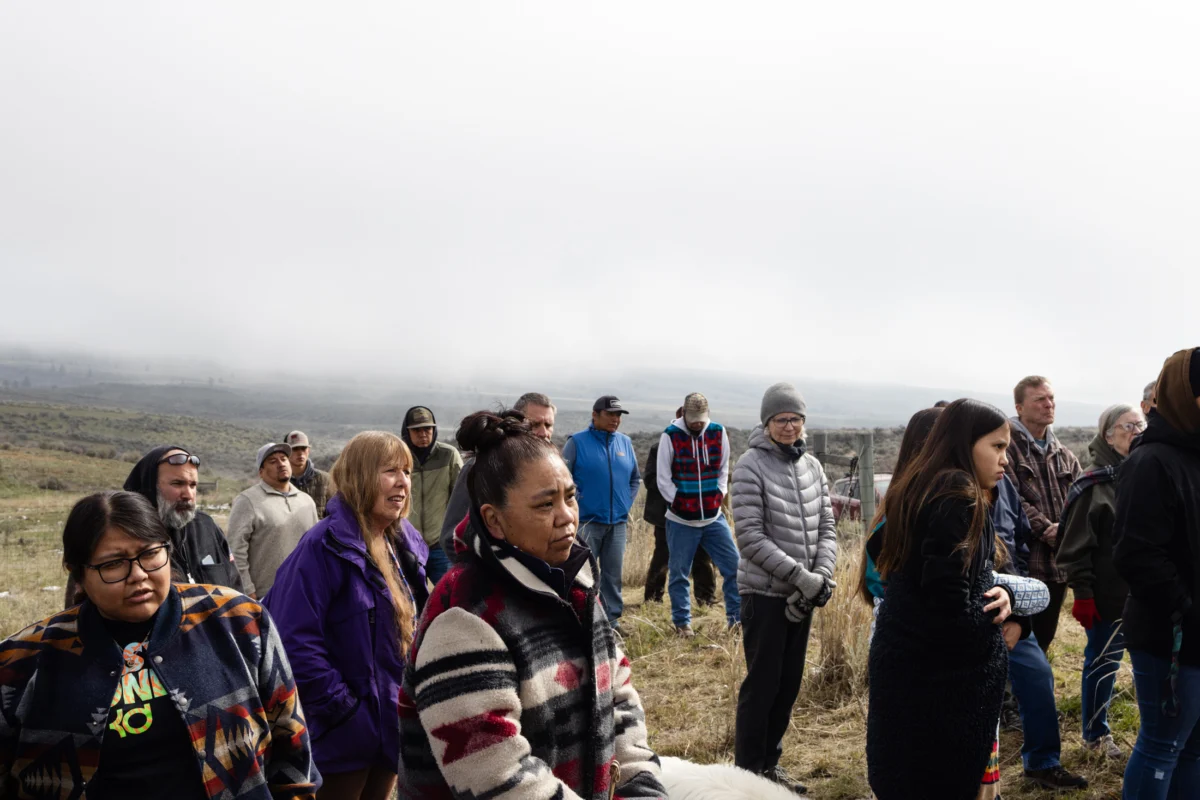
The 2022 T’uf Shur Bien Act represented a significant, albeit incomplete, attempt to redress this historical grievance. It was designed to restore a measure of justice by allowing tribal members "free and unrestricted access to the Area for traditional and cultural uses," while simultaneously protecting the interests of private landowners situated within the claim area, upholding in perpetuity the wilderness character of the region, and expressly prohibiting logging, mining, and other forms of potentially destructive development. Despite the comprehensive nature of these provisions, the Pueblo of Sandia believes that full land transfer is essential for truly effective stewardship. In advocating for this pivotal shift from the USDA to the Interior Department, the Pueblo has engaged in an extensive and transparent outreach campaign, conducting more than 75 meetings with a diverse array of stakeholders, including lawmakers, neighboring communities, local businesses, and concerned citizens, meticulously explaining the profound importance of this move for the Pueblo’s cultural and environmental future.
Despite these diligent efforts, a persistent undercurrent of misinformation continues to circulate within some media outlets and communities, erroneously suggesting that the Pueblo’s intentions are to restrict public access or alter existing land use. As a sovereign nation, the Pueblo of Sandia categorically refutes these claims, emphasizing their unwavering commitment to all prior promises and agreements. Upon land transfer, all authorized existing uses or activities, alongside established public rights-of-way for roads and utility corridors, will be meticulously maintained. Visitors will continue to enjoy the natural splendor of the area, and critically, the lands, waters, and diverse wildlife of Sandia Mountain will remain protected, not just for the present generation but for all future generations to come.
The transfer of management responsibilities for the T’uf Shur Bien Preservation Area to the Pueblo signifies a paradigm shift towards truly localized and culturally informed conservation. This move will empower the Pueblo to more effectively safeguard its unique culture, cherished traditions, and ancestral way of life, intertwining human heritage with ecological preservation. Furthermore, direct Pueblo management promises enhanced protection for the mountain against future encroaching development, further environmental degradation, and the escalating threat of catastrophic wildfires, a growing concern across the arid American Southwest. By deploying local solutions, harnessing indigenous resources, and implementing strategies meticulously tailored to the distinct cultural and physical landscape of this invaluable area, the Pueblo of Sandia stands uniquely positioned to facilitate seamless intergovernmental coordination for emergency responses, public safety initiatives, and law enforcement activities, ensuring a holistic approach to land management.
The imperative to preserve Sandia Mountain extends beyond its spiritual significance to the Pueblo; its ecological health is fundamental to the entire Middle Rio Grande Valley and the well-being of its inhabitants for generations to come. In an era where indigenous traditional ecological knowledge (TEK) is increasingly recognized globally as a critical component of sustainable land management and climate resilience, entrusting the care of this sacred landscape to its original stewards represents a forward-thinking approach to conservation. Indigenous communities, with their unbroken lineages of observation and interaction with specific environments, possess an unparalleled depth of understanding regarding local ecosystems, weather patterns, and biodiversity. This deep historical connection, marked by an enduring love and meticulous care for the mountain, unequivocally positions the Pueblo of Sandia as the most qualified and committed guardian of this irreplaceable natural and cultural treasure. The global movement towards recognizing and empowering indigenous land management underscores that such transfers are not just acts of historical rectification but vital investments in the planet’s ecological future.