Johny Prima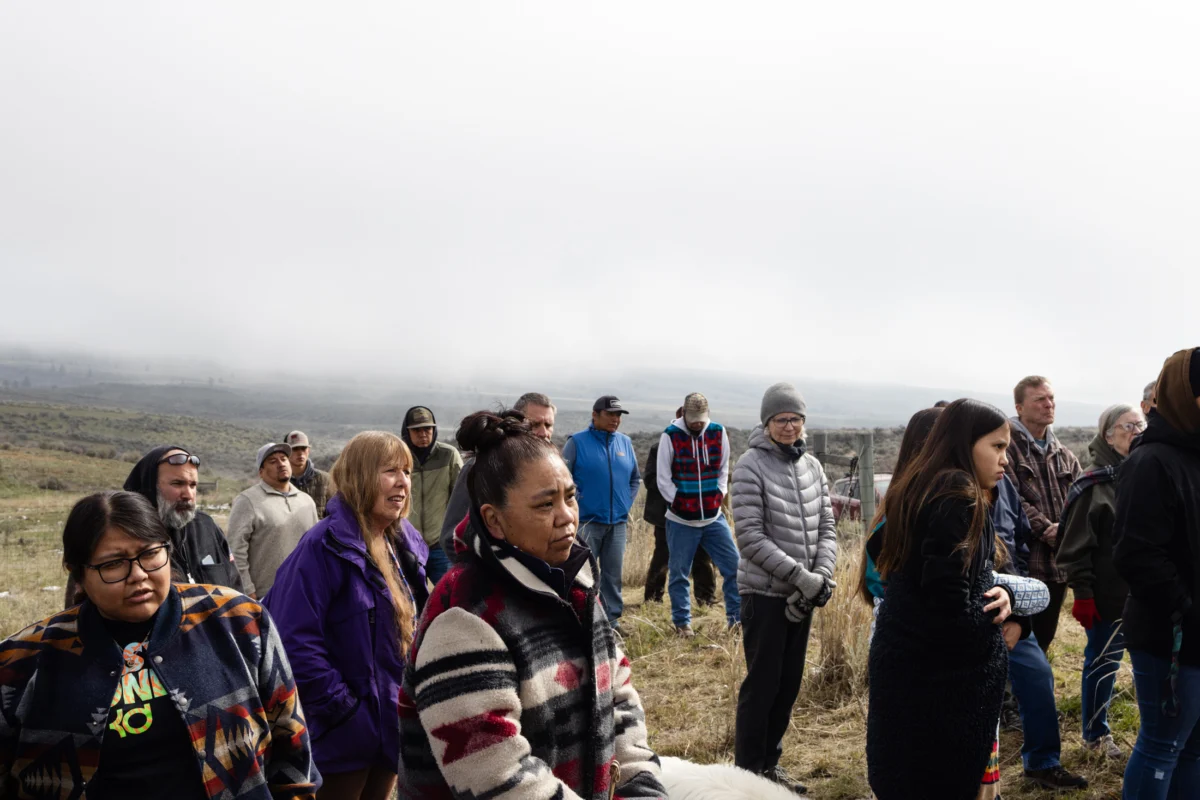
Energy developer Avangrid has officially withdrawn its long-standing permit application for an industrial-scale solar facility on Badger Mountain in central Washington, a site profoundly sacred to both the Confederated Tribes of the Colville Reservation and the Confederated Tribes and Bands of the Yakama Nation. This decision marks a significant victory for Indigenous communities advocating for the preservation of their ancestral lands and cultural heritage against the backdrop of rapidly expanding renewable energy infrastructure. The proposed development area spanned both private and public lands managed by the Washington Department of Natural Resources, where tribal nations hold inherent rights to practice traditional customs, including vital food gathering, ceremonial observances, and the collection of traditional medicines. A comprehensive investigation earlier in 2024 brought to light how Avangrid’s planned solar project posed a direct threat to these constitutionally protected and culturally essential rights, fueling widespread calls for its reconsideration.
Chairwoman Cindy Marchand of the Colville Tribes expressed profound satisfaction with the withdrawal, stating in an emailed statement, "While the Colville Tribes certainly appreciates the value of renewable energy such as solar power, sacred sites must remain pristine to pass down to future generations. We appreciate Avangrid Power LLC’s decision to withdraw this project and we trust that they can find a more appropriate site." This statement encapsulates a growing global tension between the imperative to transition to clean energy sources and the equally critical need to protect the cultural patrimony and sovereignty of Indigenous peoples. Across continents, from the deserts of the American Southwest to the Arctic tundras and the forests of Scandinavia, renewable energy initiatives, while vital for combating climate change, frequently intersect with Indigenous territories, often leading to complex legal battles and ethical dilemmas over land use, consultation, and consent.
The precise motivations behind Avangrid’s withdrawal remain officially ambiguous. Formal permitting documents suggest that the decision stemmed not from tribal considerations but rather from unforeseen construction delays impacting critical regional grid infrastructure. Avangrid itself has declined to elaborate on its reasoning, and the Washington Department of Natural Resources also chose not to comment on the matter. However, the timing and context strongly indicate that sustained Indigenous advocacy and heightened public scrutiny played a substantial, if unacknowledged, role in the developer’s ultimate choice.
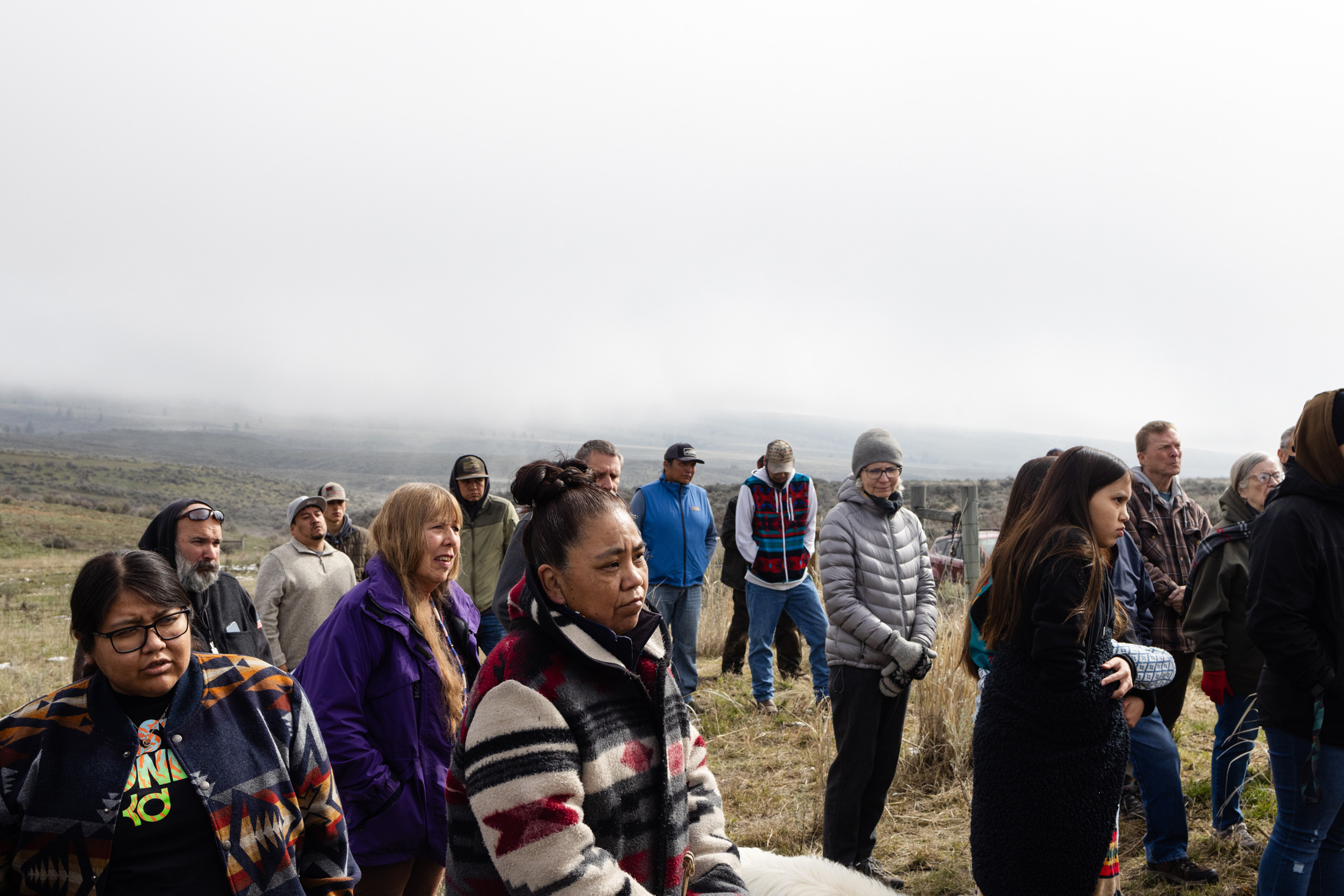
Following the aforementioned investigative reports, members of the Wenatchi-P’squosa, one of the twelve constituent Confederated Colville Tribes, organized a powerful demonstration on Badger Mountain in 2024. Their protest underscored a nuanced position: while supporting the broader goal of renewable energy, they adamantly opposed its placement on culturally vital landscapes like Badger Mountain. The demonstration, spearheaded by the Wenatchi Advisory Group—an independent body dedicated to representing the specific interests of its Wenatchi-P’squosa constituents to the Colville Tribal Business Council—highlighted the profound spiritual and historical connection the tribes maintain with the land. In the wake of this public outcry, Avangrid announced a temporary pause in its development plans, signaling an intent to reconsider tribal input and broader public sentiment. The public comment process, often the primary avenue for tribal nations to articulate and defend their land rights in development proposals, proved instrumental in elevating the issue.
At a state energy permitting meeting held earlier this month, Avangrid initially sought a year-long extension to pause its permitting work, intending to keep the project active within Washington’s intricate state permitting system. The company cited significant construction delays involving the Bonneville Power Administration (BPA), a federal agency that markets wholesale electricity and operates a vast transmission system across the Pacific Northwest. Specifically, Avangrid pointed to the Cross-Cascades North transmission line, a crucial BPA project designed to bolster power delivery from eastern Washington to the burgeoning Seattle metropolitan area. Mark Eilers, Avangrid’s senior director of business development, informed the council that BPA’s anticipated timeline for the transmission line had been pushed back by four years, now targeting completion in 2032. While Eilers did not explicitly state this as the sole reason for the requested pause, the implication was clear: the solar project’s viability was directly tied to the availability of adequate transmission capacity.
The state permitting authority, the Energy Facility Site Evaluation Council (EFSEC), presided over the July meeting. EFSEC plays a pivotal role in reviewing and approving major energy facilities in Washington, balancing energy needs with environmental and cultural impacts. Regarding the solar project’s potential environmental and cultural ramifications, EFSEC chair Kurt Beckett acknowledged the objections raised by both the Yakama Nation and the Colville Tribes. While expressing a desire to "minimize as much of that noise" as possible in the public forum, he affirmed the existence and importance of these tribal concerns, emphasizing that such objections must be a material consideration in the state’s permitting decisions. This statement reflects a growing awareness within regulatory bodies of the legal and ethical obligations to consult with and accommodate tribal interests, particularly in the context of projects impacting ancestral lands.
Just five days after that critical EFSEC meeting, Avangrid submitted a formal request to completely withdraw its proposal, effectively ending a development process that had been underway since at least 2019. EFSEC subsequently announced the withdrawal, stating it would proceed to close out existing financial arrangements and notify all interested parties and agency partners. While EFSEC offered no further comment, deferring questions to the developer, the cessation of the project has been met with relief and cautious optimism by Indigenous communities.
Despite the lack of explicit clarification from Avangrid regarding its ultimate motivation, the Wenatchi Advisory Group celebrated the decision. Steven Wynecoop, vice chair of the Wenatchi Advisory Group and grandson of its founder, Matthew Dick, articulated the community’s sentiment: "We are very, very happy that they chose to go this route with us, ’cause it is a very sacred site to us." Wynecoop passionately described the mountain’s enduring significance, noting, "Generations, we’ve been going to that mountain for plenty of reasons: medicines, foods like roots and berries." He underscored that families continue to visit Badger Mountain for ceremonial purposes, maintaining a living connection to their heritage.
Wynecoop also shared poignant family stories that anchor the Wenatchi lineage to Badger Mountain. He recounted an incident from his grandfather’s youth, where his family, while gathering medicines on the mountain, encountered landowners. "A white couple showed up in their car and pulled over and started talking to my grandma, because they adored her son, Uncle Terry, so much," Wynecoop recalled, noting that Terry, Matthew’s brother, was then a young boy fishing in a puddle. The couple, charmed by Terry, offered their portion of Badger Mountain to his grandmother in exchange for adopting the boy – an offer she unequivocally declined. Wynecoop chuckled as he concluded the anecdote, a story his grandfather frequently recounted at ceremonies: "We would always laugh, ’cause Grandpa would always say, ‘Yeah, now here we are – no Badger Mountain, but we got Terry!’" This powerful narrative illustrates not only the deep, intergenerational connection to the land but also the historical challenges Indigenous communities have faced in protecting their families and territories.
The withdrawal of the Badger Mountain solar project underscores a critical juncture in the global pursuit of sustainable energy. It highlights the growing imperative for developers and governments to genuinely engage with Indigenous communities, recognizing their inherent rights, traditional ecological knowledge, and the invaluable cultural significance of their ancestral lands. While the official reason cited by Avangrid points to grid infrastructure challenges—a significant and pervasive issue for renewable energy deployment nationwide—the prolonged and vocal opposition from the Confederated Tribes of the Colville Reservation and the Confederated Tribes and Bands of the Yakama Nation undoubtedly exerted substantial pressure. This outcome serves as a potent reminder that the energy transition must be pursued not just with technological innovation and economic efficiency in mind, but also with profound respect for human rights, cultural preservation, and environmental justice, ensuring that the path to a sustainable future does not inadvertently erase the past. This case sets a precedent for future renewable energy projects, urging a more holistic and culturally sensitive approach to development that integrates Indigenous perspectives from the earliest planning stages.