Johny Prima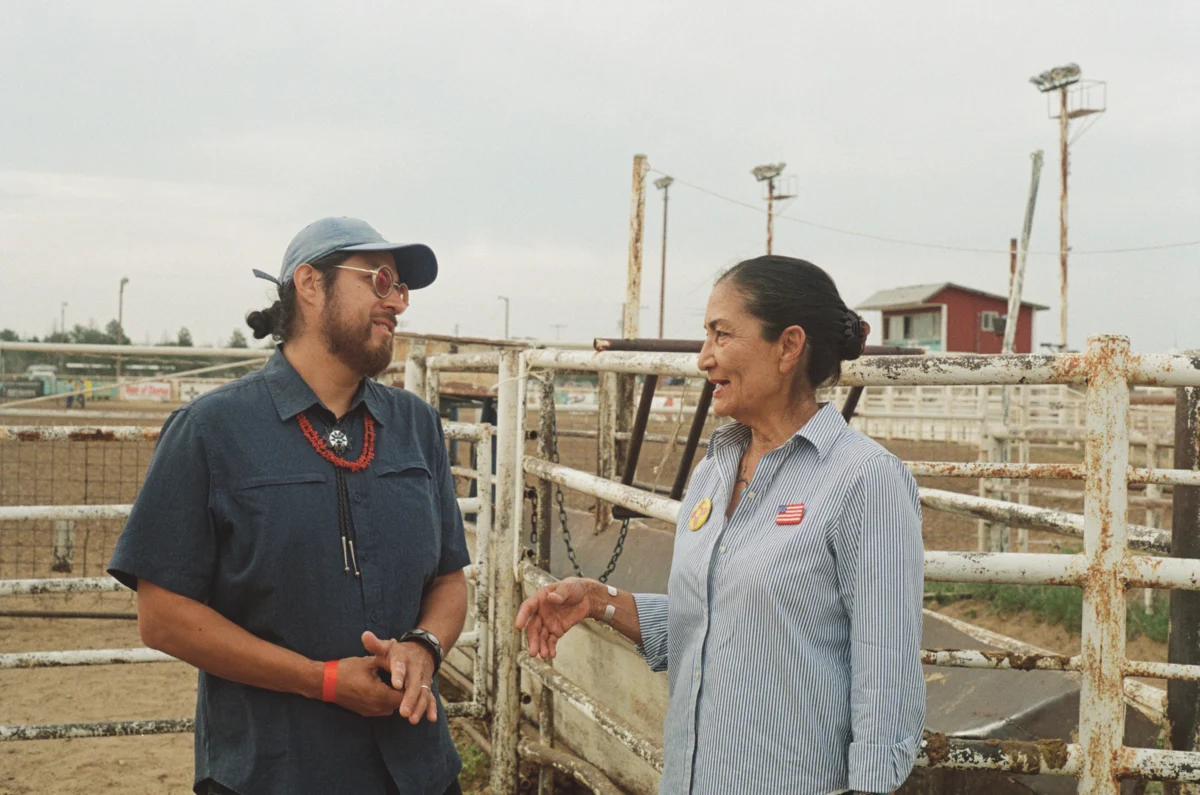
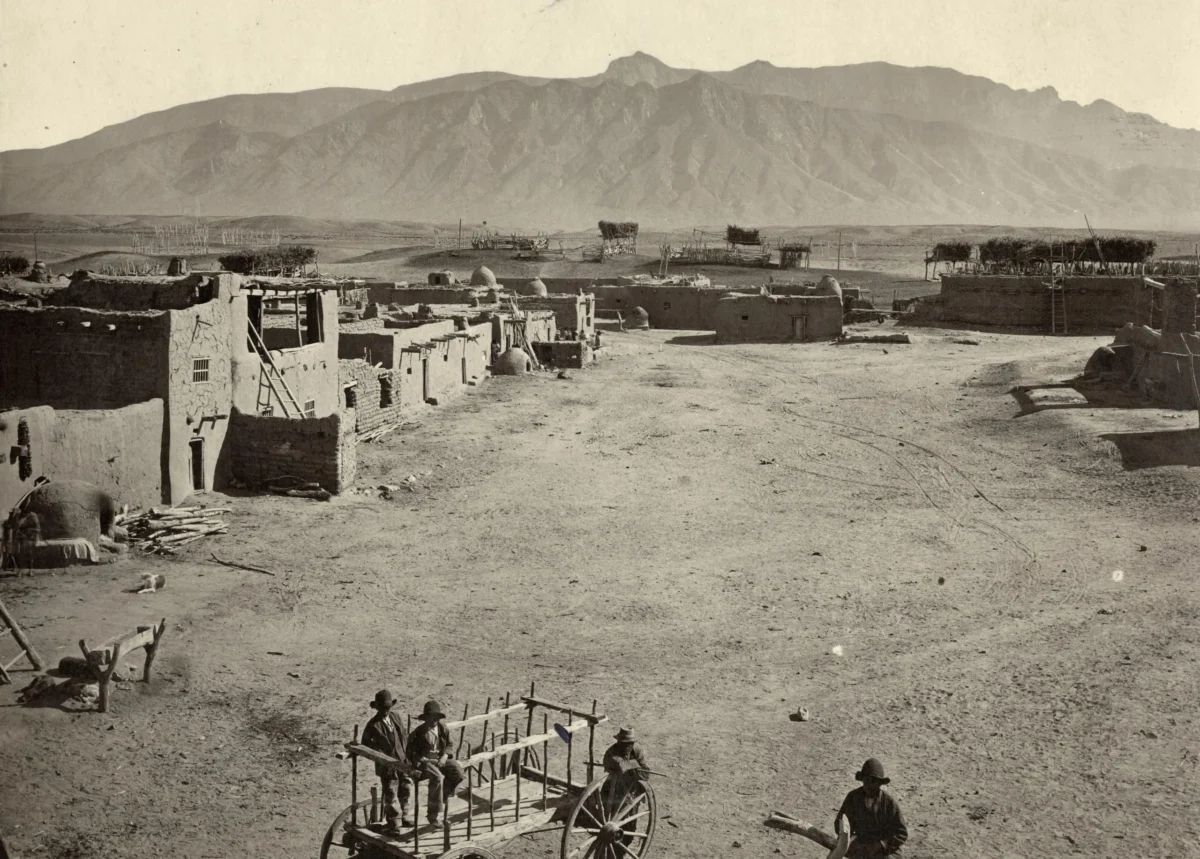
In the quiet pre-dawn hours, a deeply rooted tradition unfolds across New Mexico’s vibrant landscape, a ritual of prayer with corn pollen held reverently in the right hand. This ancient practice, originating from corn harvested in the red clay fields of the Zuni Mountains, embodies a profound land-based belief system. It centers on the conviction that an individual is precisely where they are meant to be, fostering a profound connection with all existence, a presence defined by the prayer itself. This reverence for the Earth and a forward-looking perspective on life’s journey have been passed down through generations of Pueblo peoples in the American Southwest, a continuous thread of tradition stretching back "forever." Facing the majestic Sandia Mountains as the sun begins its ascent, practitioners offer gratitude for the new day and articulate peaceful intentions, acknowledging ancestors whose wisdom guides them and remembering those who have passed, no longer able to breathe the morning air. The symbolic scattering of corn pollen at one’s feet echoes the actions of countless relatives before and will be mirrored by those who follow, a timeless affirmation of cultural identity and continuity.
It is along this "corn pollen trail," a metaphorical and literal journey through New Mexico’s Indigenous heartland, that the path of Deb Haaland, a distinguished relative from the Laguna and Jemez Pueblos, frequently converges. Haaland, like many of her kin, begins each day reaffirming the foundational teachings of her grandparents, figures who were contemporaries of the current generation’s great-grandparents, sharing the interwoven knowledge and lifeways that have sustained their communities for centuries. Her historic tenure during the Biden administration as the first Indigenous Secretary of the Interior elevated her to a national stage, where she demonstrated how principles derived from land-based beliefs could profoundly influence federal land management, resource protection, and tribal relations. Since 2025, Haaland has embarked on an intensive campaign across New Mexico, traversing the diverse terrains from rural hubs like Gallup and Shiprock to the political centers of Santa Fe and her home in Albuquerque, tirelessly advocating for her vision. She attributes her remarkable journey and current standing as a frontrunner in the gubernatorial race, poised to lead New Mexico through a critical period of post-Trump reconstruction, to the unwavering resilience of her ancestors.

Should Haaland secure the governorship, she would not only mark New Mexico’s third consecutive female governor but also become the first Native American to hold the state’s highest office, a monumental achievement in a state with one of the nation’s largest Indigenous populations. Her dominant victory in the Democratic primary, securing a 45-percentage-point lead, underscored broad support for her progressive platform. Central to her agenda are proposals to expand public health care access, strengthen vital state environmental regulations to combat climate change and resource degradation, increase the state minimum wage to uplift working families, strategically leverage New Mexico’s significant energy profits for investments in progressive social policies, and, crucially, advance tribal sovereignty within the state’s governance framework. This comprehensive approach seeks to address systemic inequalities and build a more equitable and sustainable future for all New Mexicans.
The prospect of a Native American governor presents a compelling, albeit complex, dynamic. While the position’s authority is rooted in a political system that historically perpetrated state violence against Indigenous peoples, the ascendancy of an Indigenous leader into this role paradoxically signifies a powerful step in tribal self-determination. It transforms the very instruments of governance into potential tools for rectifying historical injustices and fostering genuine collaboration. If elected, Haaland would assume the critical responsibility of managing relationships with New Mexico’s 23 distinct tribal nations, leveraging existing legislative frameworks such as the New Mexico State-Tribal Collaboration Act of 2009. This landmark legislation mandates that state agencies forge direct working partnerships and engage in negotiations with tribes on policy and practice, mirroring, at a state level, the federal government’s trust and treaty obligations. Haaland’s intimate understanding of these principles, honed first as a Pueblo woman and then through her groundbreaking role as Interior Secretary, positions her uniquely to champion and advance tribal sovereignty, continuing a legacy of Pueblo leadership that predates centuries of colonial governance.
During her extensive campaign, Haaland has engaged in numerous discussions, articulating a clear vision for New Mexico’s future and her plans for implementing transformative policies. Her campaign trail conversations often highlight the profound national implications of the current political moment, especially in the wake of the Trump administration. Haaland has emphasized the urgency of reconnecting with voters who felt alienated by national political rhetoric, particularly those swayed by promises of economic relief that ultimately did not materialize. She points to the need for leaders to focus squarely on the tangible issues affecting everyday citizens, rather than allowing political polarization and chaos to distract from critical governance.

A cornerstone of Haaland’s agenda involves fostering a deeper understanding of tribal sovereignty among non-Native populations and business leaders. She often educates audiences on the rich and ancient history of Pueblo peoples, who have inhabited the Rio Grande Valley since the late 13th century, with ancestral homelands far exceeding current tribal boundaries. The historical exploitation and dispossession faced by tribes have understandably fostered skepticism, making transparency and diligent relationship-building paramount for any external entity seeking to engage with Indigenous communities. Haaland stresses that tribes deserve respect and must be integral participants in any project impacting their ancestral lands, even if the direct footprint is outside current tribal boundaries. The mere visibility of a transmission line or other development from tribal lands, she argues, necessitates their inclusion and consultation. Encouragingly, Haaland notes a growing recognition among industry leaders of "tribal capital" – the economic, cultural, and political value that tribal nations bring. The State-Tribal Collaboration Act serves as a vital framework for this evolving understanding, affirming the state’s responsibility to respect tribal sovereignty, land bases, and economic contributions.
Addressing New Mexico’s perpetual struggle with drought, Haaland’s vision for water management prioritizes human needs. She insists that any industry seeking to establish itself in the state must demonstrate absolute sustainability in its water use, ensuring that precious water resources are first and foremost allocated to people. This stance is critical in the arid Western United States, where climate change exacerbates water scarcity, impacting agriculture, ecosystems, and urban centers alike. Furthermore, in response to the federal government’s dismantling of environmental protections, Haaland asserts that New Mexico has a moral and practical imperative to fill these regulatory gaps. She pledges to vigorously uphold the state’s environmental integrity, challenging any federal actions that undermine it through legal means. This includes hiring additional legal expertise to sue the federal government when it oversteps state sovereignty, damages the environment, or reneges on promised benefits, underscoring a proactive approach to protecting New Mexicans’ interests through the courts.
Beyond policy and governance, Haaland is a fervent advocate for comprehensive historical education. She powerfully asserts that Native American history is, fundamentally, American history, a shared narrative that every citizen must acknowledge and understand. This includes confronting the painful legacy of the federal Indian Boarding School era, a period of forced assimilation that saw Indigenous children forcibly removed from their families and cultures. Haaland recounts her own family’s history: her grandparents were sent by train to St. Catherine’s in Santa Fe, with her great-grandfather only able to visit his separated daughter twice in five years due to the arduous journey by horse and wagon. She highlights sites like Fort Union, a notorious way station where Native children were stripped of their identity before being dispatched to distant boarding schools. These stories, she argues, are not just Indigenous history but New Mexico history, a profound and often traumatic chapter that demands recognition and understanding from all New Mexicans to foster healing and ensure that such atrocities are never repeated. Haaland’s leadership, rooted in ancient traditions and tempered by a deep understanding of historical injustices, offers a powerful vision for a New Mexico that honors its past while forging an inclusive and sustainable future.