

 Johny Prima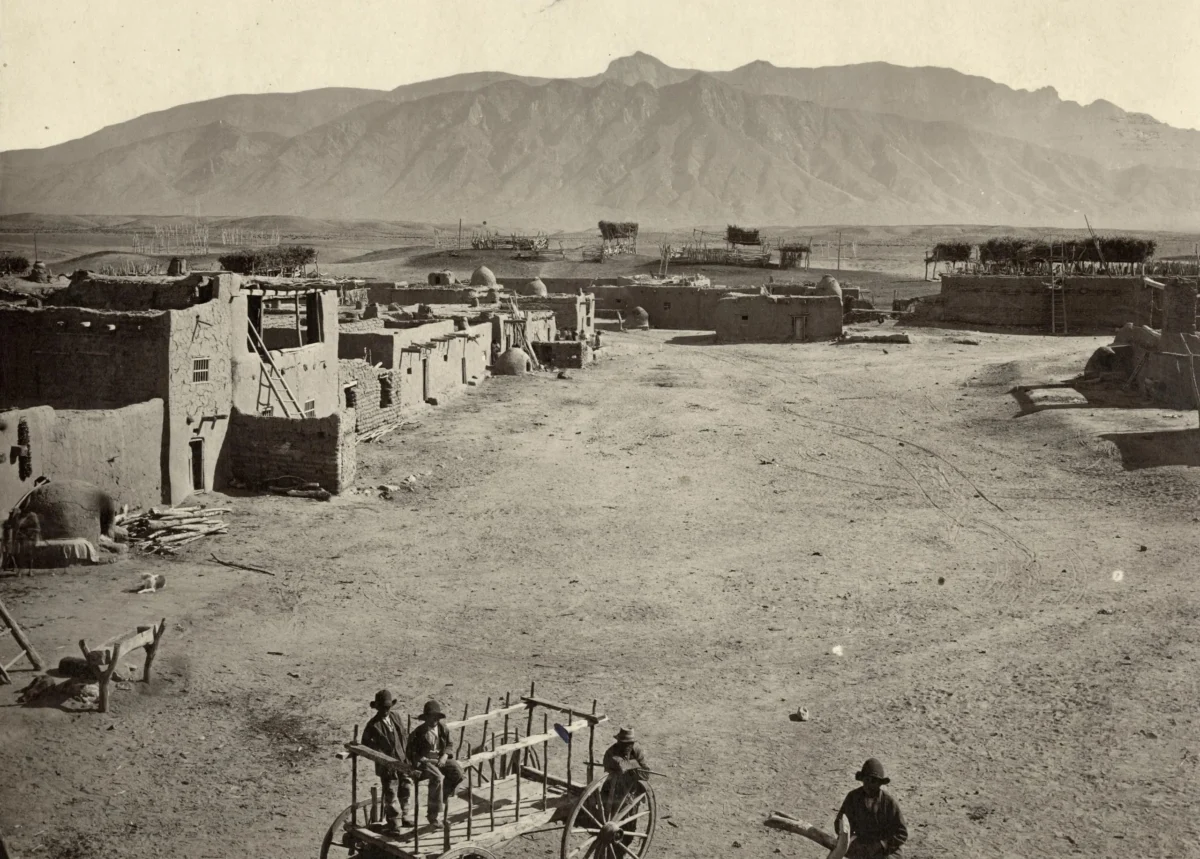
The Pueblo of Sandia, an enduring sovereign nation, is calling upon federal lawmakers and the public to support a pivotal land transfer, aiming to place the sacred T’uf Shur Bien Preservation Area under its direct stewardship. This proposed transfer, moving lands currently managed by the U.S. Forest Service within the Department of Agriculture to the Bureau of Indian Affairs under the Department of the Interior, represents a crucial step towards rectifying historical injustices, enhancing environmental protection, and affirming tribal sovereignty in New Mexico’s Middle Rio Grande Valley. For countless generations, the people of Sandia have maintained an unbroken spiritual and physical connection to Sandia Mountain and the life-giving Rio Grande, enduring centuries of colonial incursions from Spanish, Mexican, and American governments while steadfastly upholding their sacred duty to care for these lands and waters, and to pray for the well-being of their communities and the world.
Sandia Mountain, revered as the Pueblo’s enduring church, protector, and essential source of well-being, forms the spiritual and cultural heart of the community. Beyond its profound significance to the Pueblo, the mountain serves as a vital ecological sanctuary, harboring diverse wildlife and critical ecosystems that contribute to the biodiversity of the Southwest. Its majestic beauty also offers unparalleled recreational opportunities for hundreds of thousands of residents and visitors to the Middle Rio Grande Valley, cementing its status as a cherished natural landmark. The Pueblo’s request underscores a deep-seated belief that its traditional ecological knowledge and time-honored practices offer the most effective means to safeguard this invaluable landscape, particularly in an era marked by accelerating environmental change and unpredictable climatic patterns.
Despite the admirable efforts of local Forest Service employees, who have navigated shifting political landscapes to protect this special area, the mountain has suffered visible degradation. Evidence of neglect includes rampant litter and graffiti, significant deferred maintenance, damaged fence lines, proliferation of illegal trails, widespread violations of occupancy rules, and a general disrespect from individuals who disregard both the sacredness and the intrinsic beauty of Sandia Mountain. More alarmingly, the Pueblo has documented the destruction of ancient cultural sites and unchecked encroachment into sensitive areas—places the federal government explicitly committed to protect following the passage of the T’uf Shur Bien Preservation Trust Area Act in 2022. These ongoing violations underscore a critical need for a management approach deeply rooted in local understanding and accountability.
The 2022 T’uf Shur Bien Act itself represented a landmark legislative effort, born from decades of persistent legal battles and intricate agreements. Its passage aimed to partially rectify a profound historical injustice: the loss of approximately 10,000 acres from the Pueblo of Sandia’s ancestral land grant. This dispossession originated from an erroneous 1859 survey, conducted in a mere four days, which arbitrarily drew the Pueblo’s eastern boundary along the foothills near the community, rather than at the "main ridge" of Sandia Mountain. This egregious error directly contradicted the original 1748 land grant issued by the King of Spain, which explicitly defined the eastern boundary as the mountain’s ridgeline. The U.S. Congress had subsequently confirmed this Spanish grant in 1858, under the overarching framework of the Treaty of Guadalupe Hidalgo, which theoretically guaranteed the property rights of Mexican citizens, including Indigenous communities, in territories ceded to the United States. The 1859 survey, therefore, not only violated a specific agreement but also undermined the spirit of international treaty obligations, setting a precedent for further land losses across the American Southwest for many tribal nations.
The T’uf Shur Bien Act sought to restore a measure of justice by acknowledging the Pueblo’s ancestral claims and establishing specific protections. It ensures tribal members "free and unrestricted access to the Area for traditional and cultural uses," while simultaneously safeguarding the rights of private landowners situated within the claim area. Crucially, the Act also mandates the perpetual defense of the area’s wilderness character, explicitly prohibiting logging, mining, and other forms of industrial development. However, the Pueblo argues that legislative intent alone is insufficient without the direct and inherent authority of tribal management to enforce these protections effectively. The distinction between Forest Service management, which prioritizes multiple uses including recreation and resource extraction, and Bureau of Indian Affairs trust land status, which prioritizes tribal self-determination and the unique cultural and spiritual needs of the Pueblo, is central to this request.

To advocate for this vital transfer, the Pueblo of Sandia has engaged in an extensive and transparent outreach campaign, conducting over 75 meetings with a diverse array of stakeholders. These dialogues involved lawmakers, neighboring communities, local businesses, and individual citizens, all aimed at clearly articulating the profound importance of this land transfer to the Pueblo’s cultural continuity and environmental stewardship goals. Despite these earnest efforts and the Pueblo’s impeccable record of honoring its commitments, a persistent current of misinformation continues to circulate within some media outlets and segments of the public, often fueled by fears of restricted public access or development.
Addressing these concerns directly, the Pueblo of Sandia unequivocally states that the proposed land transfer will not impede public access for responsible and respectful recreational users, nor will it deny access to existing private landowners. All authorized existing uses and activities, including established public rights-of-way for roads and utility corridors, will remain fully intact. Visitors will continue to enjoy the mountain’s splendor, while the Pueblo, as a sovereign nation, commits to upholding its ancient responsibility to protect the lands, waters, and wildlife of Sandia Mountain for present and future generations. This commitment is deeply embedded in their cultural ethos, which views land not as a commodity but as a living entity to be cherished and sustained, a philosophy that often contrasts with conventional Western land management paradigms.
The shift in management from a federal agency to the Bureau of Indian Affairs, acting in trust for the Pueblo of Sandia, signifies a profound affirmation of tribal self-determination. It empowers the Pueblo to manage the T’uf Shur Bien Preservation Area with a nuanced understanding of its specific cultural and physical landscape, integrating traditional ecological knowledge with contemporary conservation science. This localized approach promises more effective solutions for pressing environmental challenges, including heightened protection against future development, mitigation of ongoing degradation, and crucial resilience against the increasing threat of catastrophic wildfires, which are exacerbated by climate change across the American West. The Pueblo’s deep historical knowledge of fire regimes, water management, and native species offers invaluable insights for climate adaptation.
Moreover, the Pueblo’s direct management will facilitate enhanced intergovernmental coordination efforts for critical services such as emergency responses, public safety initiatives, and law enforcement within the area. By leveraging its inherent sovereignty and deep-rooted community ties, the Pueblo can deploy resources and strategies uniquely tailored to the mountain’s needs, fostering a more secure and sustainably managed environment for all users. This approach mirrors a growing global trend where Indigenous communities are increasingly recognized as indispensable partners in conservation, bringing invaluable traditional knowledge and a long-term perspective to environmental governance, often leading to more resilient ecosystems and better outcomes for biodiversity.
The spiritual and traditional meaning of Sandia Mountain to the Pueblo remains paramount, demanding its preservation as a living cultural heritage. Simultaneously, its conservation and protection are indispensable for the ecological health and long-term vitality of the entire Middle Rio Grande Valley, impacting water resources, air quality, and biodiversity far beyond its immediate boundaries. The Pueblo of Sandia asserts, with historical and moral authority, that no entity possesses a longer, more profound, or more consistent record of love, care, and stewardship for the mountain than its own people, whose presence here predates the formation of modern nation-states. Their continued custodianship offers a proven pathway to safeguarding this irreplaceable natural and cultural treasure for all humanity, representing a crucial step in the ongoing global struggle for Indigenous rights, land justice, and the critical role of traditional knowledge in addressing contemporary environmental crises.







