Johny Prima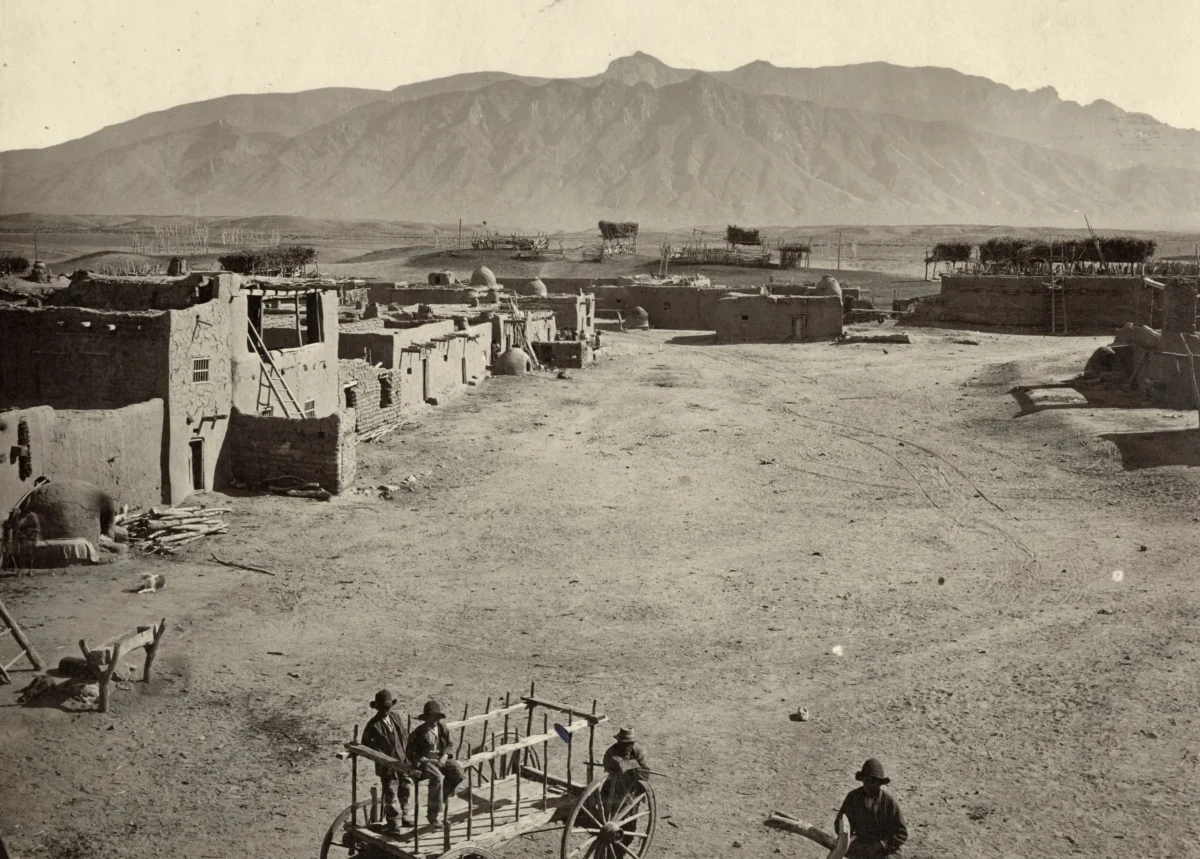
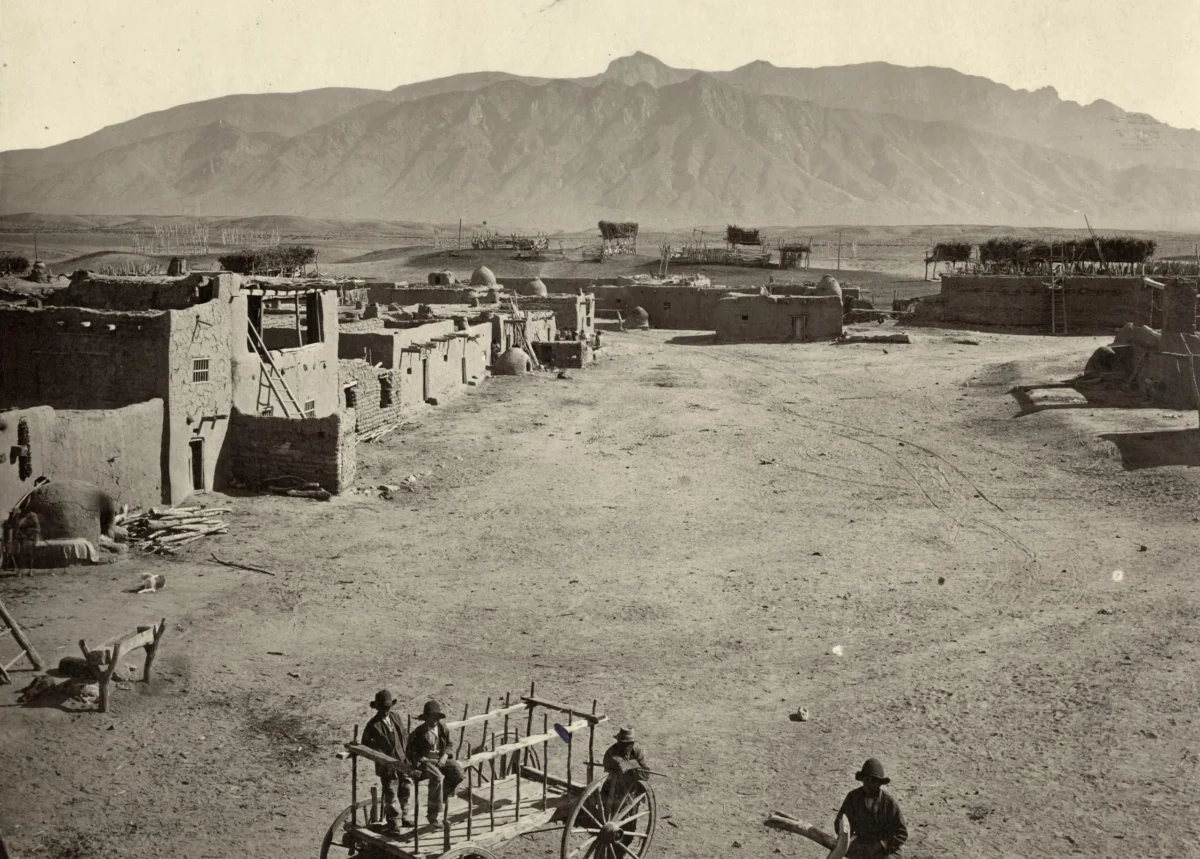
For countless generations, the resilient people of the Pueblo of Sandia have nurtured an inseparable bond with the majestic Sandia Mountain and the life-giving Rio Grande, situated in what is now the state of New Mexico. This profound connection, spanning millennia, transcends mere geography; the mountain stands as the very heart of their cultural identity, serving as their sacred church, an unwavering protector, and the indispensable source of their well-being. Even through the turbulent epochs marked by incursions from Spanish conquistadors, Mexican authorities, and the expanding American government, the Pueblo steadfastly maintained their stewardship over these ancestral lands and vital waters, their prayers consistently offered for the health of their communities and the ecological balance of the world surrounding them.
Today, the Pueblo of Sandia issues a heartfelt and urgent appeal to lawmakers and the broader public: to honor their enduring culture, respect their invaluable traditional knowledge, and uphold their inherent sovereignty by supporting a critical initiative to further safeguard Sandia Mountain, especially amidst the accelerating challenges of a rapidly changing global climate and increasing environmental pressures. At the core of this appeal is a specific legislative request: the transfer of land within the T’uf Shur Bien Preservation Area from the jurisdiction of the U.S. Forest Service, an agency under the U.S. Department of Agriculture, to the Bureau of Indian Affairs, a division of the Department of the Interior. This proposed transfer represents a significant step towards restoring rightful indigenous management over lands deeply imbued with spiritual and historical significance.
While acknowledging the dedicated efforts of local Forest Service employees who have striven to protect this cherished region through successive political administrations, the Pueblo has also borne witness to a disturbing pattern of degradation. Evidence of neglect and disrespect manifests in widespread litter, unsightly graffiti, chronic deferred maintenance, breached fence lines, proliferation of illegal trails, and persistent violations of occupancy regulations. These issues, stemming from the actions of individuals who seemingly disregard both the sacred character and natural beauty of Sandia Mountain, underscore the urgent need for a more robust and culturally attuned management approach. Furthermore, the Pueblo has documented the destruction of irreplaceable cultural sites and relentless encroachment into sensitive ecological zones—areas that the federal government explicitly committed to protecting with the passage of the T’uf Shur Bien Preservation Trust Area Act in 2022. The continued degradation, despite federal protective legislation, highlights a critical gap in enforcement and a disconnect between federal mandates and on-the-ground realities.
The T’uf Shur Bien Act itself represents the culmination of decades of protracted legal battles and intricate agreements, all stemming from the Pueblo’s unwavering efforts to reclaim access to lands originally granted to them by the King of Spain in 1748. This historical claim received further validation from the U.S. Congress in 1858, following the Treaty of Guadalupe Hidalgo, which formally recognized existing Spanish and Mexican land grants in the newly acquired U.S. territories. The congressional confirmation of the Spanish grant clearly stipulated the eastern boundary of the Pueblo’s land as the "main ridge" of Sandia Mountain. However, a subsequent and notoriously swift survey conducted in 1859—completed in a mere four days—arbitrarily delineated the boundary along the foothills near the Pueblo, rather than adhering to the defined main ridgeline. This erroneous survey resulted in the unjust forfeiture of approximately 10,000 acres from the Pueblo’s ancestral land grant, a profound loss that has resonated through generations and continues to fuel the present-day efforts for rectification.

The 2022 T’uf Shur Bien Act was enacted precisely to address this historical injustice, aiming to rectify the loss of those approximately 10,000 acres that had originally extended to the ridgeline of Sandia Mountain. This landmark legislation, a testament to the Pueblo’s persistent advocacy, guarantees tribal members "free and unrestricted access to the Area for traditional and cultural uses." Crucially, it also includes provisions to protect private landowners residing within the claim area, ensures the perpetual defense of the area’s wilderness character, and explicitly prohibits logging, mining, and other forms of industrial development. While a vital step, the Pueblo argues that full management authority is essential to truly implement the spirit and intent of the act, safeguarding the land against ongoing threats that federal oversight has struggled to contain.
In advocating for the land transfer from the USDA to the Department of the Interior, the Pueblo of Sandia has undertaken an extensive and transparent public engagement campaign, holding more than 75 meetings with a diverse array of stakeholders. These dialogues included lawmakers, neighboring communities, local businesses, and individual community members, all convened to thoroughly explain the profound importance of this proposed jurisdictional shift to the Pueblo. As a sovereign nation, the Pueblo of Sandia maintains an impeccable record of honoring its commitments and agreements. Despite this, a persistent undercurrent of misinformation has regrettably infiltrated both media narratives and certain community perceptions, propagating unfounded concerns about the implications of the transfer.
The Pueblo of Sandia emphatically clarifies that this land transfer will not deny access to responsible landowners or respectful recreational users. When the land officially transfers to tribal management, all currently authorized existing uses and activities will remain in effect, as will existing public rights of way for roads and utility corridors. Visitors will continue to enjoy the area’s natural splendor, and the lands, waters, and diverse wildlife of Sandia Mountain will continue to receive dedicated protection—not just for today, but for the benefit of countless future generations. The core objective is not exclusion but enhanced stewardship, ensuring the long-term health and accessibility of this vital natural resource.
By assuming direct management of the T’uf Shur Bien Preservation Area, the Pueblo of Sandia will gain the necessary autonomy to more effectively protect its unique culture, cherished traditions, and ancestral way of life. This self-determination in land management empowers the Pueblo to integrate traditional ecological knowledge (TEK) with contemporary conservation practices, fostering a holistic approach to stewardship that respects both the spiritual and scientific dimensions of the landscape. Furthermore, tribal management will significantly enhance the mountain’s resilience against future development pressures, ongoing environmental degradation, and the escalating threat of catastrophic wildfires, a growing concern across the arid Southwest. By offering localized solutions, leveraging indigenous resources, and implementing strategies precisely tailored to the distinctive cultural and physical landscape of this area, the Pueblo of Sandia is uniquely positioned to facilitate seamless intergovernmental coordination for emergency responses, public safety, and law enforcement efforts, creating a more cohesive and effective management framework.
This initiative by the Pueblo of Sandia resonates with a broader global movement among indigenous communities seeking to reclaim stewardship over ancestral lands, recognizing that their traditional knowledge and long-standing connection often provide the most sustainable and culturally appropriate management solutions. From the co-management agreements in Australia’s national parks to the "land back" movements in North America, there is a growing acknowledgment that empowering indigenous peoples in conservation efforts yields superior environmental and cultural outcomes. For Sandia Mountain to retain its profound religious and traditional meaning for the Pueblo, its preservation under tribal authority is paramount. Beyond its spiritual significance, the mountain’s ecological health is intrinsically linked to the well-being of the entire Middle Rio Grande Valley, providing crucial water resources, biodiversity, and recreational opportunities. There exists no entity with a longer, more profound, or more dedicated record of love and care for this sacred mountain than the indigenous peoples who have called this land home since time immemorial, their legacy of stewardship stretching back further than any modern governmental institution. Transferring these lands is not merely a legal rectification; it is an affirmation of justice, an embrace of proven stewardship, and a vital investment in the future of a landscape sacred to all.