Roger Danuarta
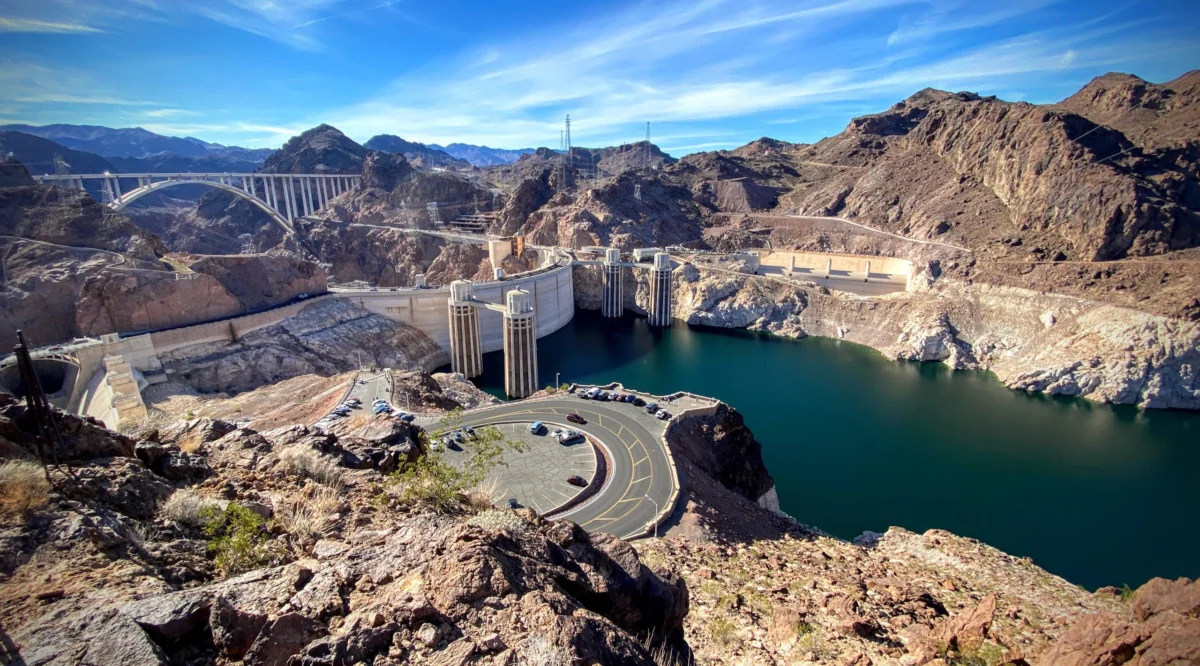
The state of Arizona has formally entered the escalating legal fray against the federal government’s proposed 10-year management plan for the Colorado River, a contentious blueprint that threatens to significantly diminish the state’s crucial water supply. The Arizona Department of Water Resources filed a motion on Friday to intervene in a pre-existing lawsuit initiated by Nevada, asserting that the federal government’s approach to the rapidly diminishing river would precipitate severe economic hardship across Arizona. According to the agency’s director, the very fabric of Arizona’s economy, encompassing its towns, cities, tribal nations, agricultural sector, industries, and businesses, is fundamentally reliant on a sufficient and reliable allocation of water from the Colorado River.
Nevada first launched its legal challenge in late August, naming several federal agencies in its complaint. The core of Nevada’s argument, now echoed by Arizona, is that the federal plan unfairly places an overwhelming burden of water cuts on the Lower Basin states. The Colorado River, a lifeline for over 40 million people and 5.5 million acres of farmland across seven U.S. states and parts of Mexico, has been in a state of precipitous decline for decades. This critical hydrological stress is primarily driven by the escalating impacts of climate change, which has drastically reduced snowpack and subsequent runoff that historically fed major reservoirs like Lake Mead and Lake Powell. Compounding this natural phenomenon are the historical realities of mid-20th-century agreements that, in retrospect, promised more water to users than the river system could sustainably deliver. When the seven basin states failed to reach a consensus on how to manage the dwindling resource, the federal government, through the U.S. Bureau of Reclamation, stepped in with its own plan, aiming to rebalance withdrawals with the river’s actual flow.
Both Arizona and Nevada contend that they have already undertaken substantial and proactive measures to conserve water, thus arguing that they are being disproportionately targeted and penalized by the new federal framework. Tom Buschatzke, Director of the Arizona Department of Water Resources, highlighted the significant sacrifices made by the Lower Basin states, particularly Arizona. In an October 16 statement, Buschatzke noted that "The Lower Basin states have contributed millions of acre-feet of water toward stabilizing the river system. With more than 5.5 million acre-feet of Arizona water left in Lake Mead since 2014, no state has sacrificed more." He emphasized that the federal decision, in their view, places the entire burden of necessary reductions on the shoulders of just three states, prompting Arizona’s decision to join Nevada in challenging the framework.
The Colorado River system is geographically and legally divided into two primary sections: the Upper Basin, comprising Colorado, New Mexico, Utah, and Wyoming, and the Lower Basin, which includes Arizona, Nevada, and California. The foundational legal document governing water allocations is the 1922 Colorado River Compact. This landmark agreement initially allocated 7.5 million acre-feet of water annually to each of the two basins, in addition to a smaller but critical portion designated for parts of Mexico. Within each basin, the respective U.S. states further divide their allotted shares according to a complex web of interstate compacts, federal laws, court decisions, and agreements collectively known as the "Law of the River."
To understand the scale of these allocations, an acre-foot of water is a widely used metric in Western water management. It is equivalent to nearly 326,000 gallons of water, a volume sufficient to cover a football field to a depth of roughly one foot. In Arizona, for instance, one acre-foot is typically considered enough to supply three single-family homes for an entire year, underscoring the vital importance of each allocated unit of water for urban and rural communities.
Historically, California holds the largest and most senior share of Colorado River water among the Lower Basin states, receiving 4.4 million acre-feet per year, accounting for approximately 27% of the total river allocation. Arizona, while a significant recipient, has a more junior right, receiving 2.8 million acre-feet, or about 17% annually. Nevada, with the smallest allocation among the U.S. states, receives 300,000 acre-feet, roughly 2% annually, according to Congressional reports and various public policy analyses. This hierarchy of water rights, often dictated by the "first in time, first in right" doctrine, is a critical element in the ongoing dispute.
The U.S. Bureau of Reclamation’s proposed plan, which is at the heart of the legal challenge, mandates significant cuts, primarily placing the heaviest burden on the Lower Basin states. For Arizona, the proposal translates into a potential reduction of 760,000 acre-feet per year, representing approximately a quarter of the state’s total allocation and constituting the largest single cut among the three Lower Basin states. California would be required to reduce its annual take by 440,000 acre-feet, while Nevada faces a cut of 50,000 acre-feet. In total, these mandatory cuts could amount to up to 3 million acre-feet across the Lower Basin.
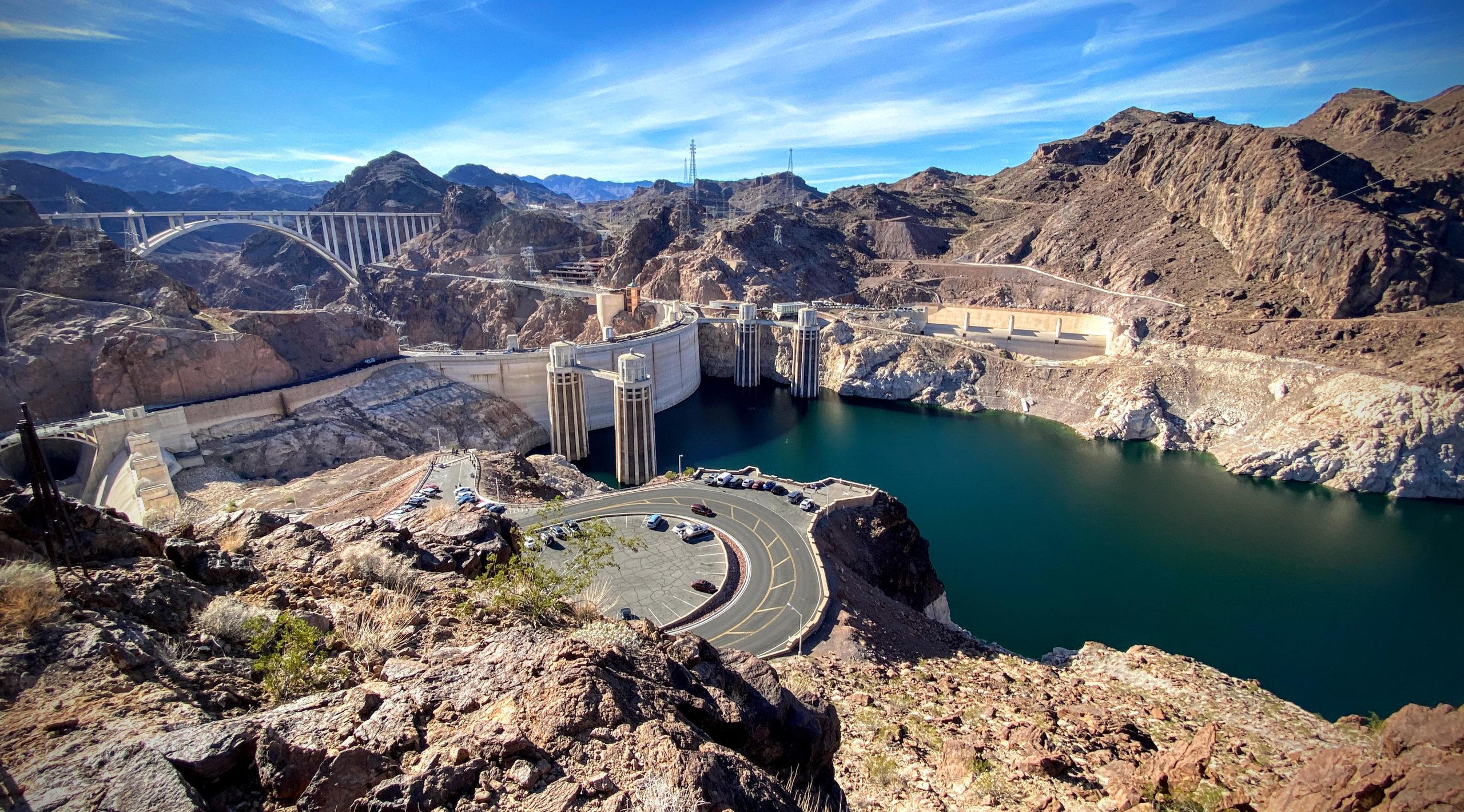
In stark contrast, the federal government’s plan does not impose mandatory cuts on the Upper Basin states. Instead, it merely requests that these upstream states voluntarily contribute 200,000 acre-feet each year for the next two years. This disparity in mandatory versus voluntary reductions is a central grievance for Arizona and Nevada, fueling their claims of unfair treatment. Arizona Governor Katie Hobbs articulated this sentiment forcefully, stating, "Arizona has always been willing to do our part to protect the Colorado River, but we will not accept a forced federal plan that solves this crisis on the backs of our families, farmers, and businesses."
The Department of the Interior, however, has criticized Arizona’s legal maneuver, asserting that such actions are counterproductive to achieving a sustainable future for the river. A spokesperson for the Department of the Interior countered, "Governor Hobbs is wrong, and it’s unfortunate to see Arizona playing politics instead of working toward meaningful solutions. Litigation won’t create a single additional drop of water or change the hydrologic realities facing the Colorado River Basin." The federal government maintains that it is actively working with all basin states, tribal nations, and water users to forge a comprehensive and durable agreement.
In its formal complaint filed alongside the motion to intervene in Nevada’s lawsuit, Arizona argues that the federal government’s environmental review, which served as the foundation for the contested decision, contained a fundamental flaw. The complaint alleges that every federal option considered in the review "assumed that the Upper Basin States would make no meaningful reduction in their own use, no matter how little water the River produced." Consequently, Arizona claims, "The alternatives placed the full burden of any resulting shortfall on the Lower Basin." This alleged methodological bias is a key legal point in challenging the plan’s legitimacy and equity.
The historical framework of Western water law, often summarized by the adage "first in time, first in right," dictates that those who established or acquired water rights earlier receive priority over later claimants. This doctrine of prior appropriation means that Arizona’s Colorado River rights are generally junior to California’s, which were established earlier in the region’s development. This seniority system is a constant backdrop to all negotiations and legal disputes, adding layers of complexity to any proposed reallocations.
Buschatzke further detailed the dire consequences for Arizona, stating that such reductions "could effectively dry up the Central Arizona Project canal system, as well as many of our on-river communities and would more than double the water cuts agreed to in the Lower Basin Agreement." The Central Arizona Project (CAP) is a critical 336-mile system of canals, tunnels, and pipelines that delivers Colorado River water to agricultural, municipal, and industrial users in Pima, Pinal, and Maricopa counties, supporting a significant portion of the state’s population and economy. Its potential disruption highlights the existential threat posed by the proposed cuts.
Nevada’s original lawsuit, filed just three days after the U.S. Department of the Interior formally announced its Colorado River plan in August, similarly warned of catastrophic outcomes. It asserted that the mandated cuts "will cause devastating environmental, socioeconomic, and health and human safety impacts to southern Nevada and its citizens." Furthermore, Nevada’s legal action claims that the federal government’s plan violates several core requirements enshrined within the "Law of the River," arguing that the decision oversteps federal authority and disregards established legal precedents.
Nevada Governor Joe Lombardo swiftly welcomed Arizona’s decision to join the lawsuit, issuing a statement on Friday that characterized it as "an important step in challenging a federal plan that unfairly burdens the Lower Basin and fails to require the Upper Basin to make meaningful reductions." This unified front from the Lower Basin states signals a prolonged and arduous legal battle ahead, underscoring the high stakes involved in the management of the Colorado River.
Arizona’s strategic decision to intervene in Nevada’s existing lawsuit rather than initiating a separate, but similar, legal challenge is intended to streamline the process and allow the state to effectively represent its specific interests within the ongoing litigation. Buschatzke reiterated, "Arizona believes that taking this action now provides the best path forward for protecting Arizona water users." This legal maneuver reflects the deep divisions and intense competition for scarce water resources in the American Southwest, a region increasingly challenged by prolonged drought and the undeniable effects of a changing climate. The outcome of this lawsuit will undoubtedly shape the future of water security, economic development, and environmental sustainability for millions across the Western United States for decades to come.