Johny Prima
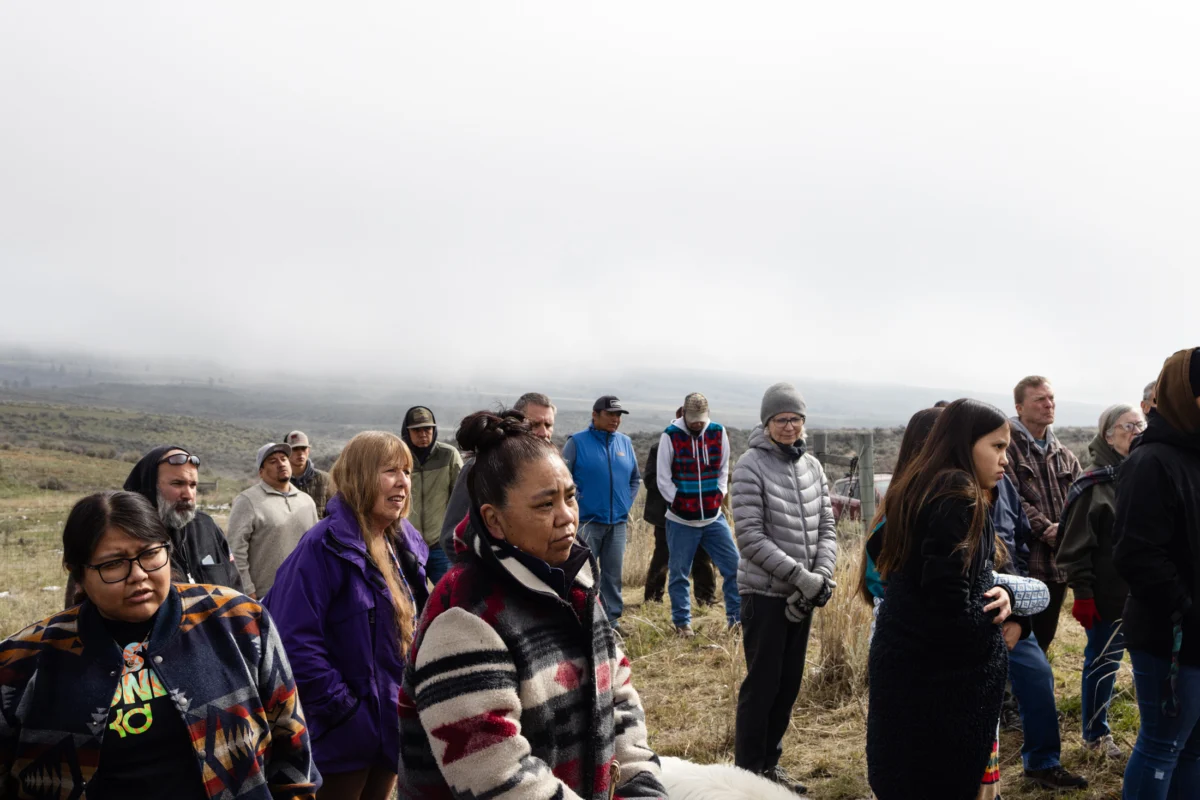
Energy developer Avangrid has formally withdrawn its long-standing permit application for an industrial-scale solar project on Badger Mountain in central Washington, a decision that comes after significant opposition from Indigenous communities who deem the site sacred. The proposed development, intended to bolster the region’s renewable energy capacity, faced strenuous objections from the Confederated Tribes of the Colville Reservation and the Confederated Tribes and Bands of the Yakama Nation, who cited the project’s threat to ancestral lands vital for cultural traditions. This pivotal withdrawal underscores the escalating global tensions between the urgent drive for clean energy infrastructure and the imperative to protect Indigenous heritage and land rights, even as the company’s official reasoning points to broader challenges within the regional power grid.
The withdrawal marks a significant victory for the tribal nations, who have consistently advocated for the preservation of Badger Mountain. "The Colville Tribes is very happy to hear that the proposed solar project on Badger Mountain has been withdrawn," stated Chairwoman Cindy Marchand in an emailed statement, emphasizing a nuanced position. While acknowledging the critical value of renewable energy, she asserted, "sacred sites must remain pristine to pass down to future generations. We appreciate Avangrid Power LLC’s decision to withdraw this project and we trust that they can find a more appropriate site." For the Colville and Yakama Nations, Badger Mountain is far more than undeveloped land; it is a living cultural landscape, a repository of history, spiritual practices, and traditional ecological knowledge. Its slopes and valleys have served for millennia as a vital area for food gathering, medicinal plant collection, and sacred ceremonies, practices that are inextricably linked to their identity and sovereignty. The threat of industrial solar panels, access roads, and supporting infrastructure on such a site represented a profound disruption to these continuous cultural traditions and an affront to ancestral ties. The site’s unique ecological value, intertwined with its cultural significance, further amplifies its importance, as tribal stewardship practices have historically maintained biodiversity and ecosystem health.
While the Indigenous opposition clearly played a substantial role in the public discourse surrounding the project, Avangrid itself has remained tight-lipped regarding the precise motivation behind its withdrawal. Formal permitting proceedings suggest that the company’s decision may have stemmed primarily from broader logistical and infrastructure challenges within the regional energy network rather than direct tribal considerations. Avangrid, a prominent sustainable energy company and a subsidiary of the Spanish multinational utility giant Iberdrola, one of the world’s largest renewable energy producers, declined to clarify its reasoning to reporters. The Washington Department of Natural Resources, which owns a portion of the public land straddled by the proposed project site, also declined to comment. This ambiguity highlights a recurring challenge in such development disputes: the often-complex interplay of economic, logistical, and socio-cultural factors influencing corporate decisions, where official statements may not fully capture the complete picture. Avangrid’s global portfolio includes extensive wind and solar projects across the United States and internationally, positioning it as a key player in the global energy transition. However, its projects, like those of many large developers, frequently encounter local opposition, particularly when proposed on lands with significant environmental, cultural, or social value.
The Badger Mountain case exemplifies a growing global dilemma: how to rapidly scale up renewable energy infrastructure to combat climate change while simultaneously respecting the rights, sovereignty, and cultural heritage of Indigenous peoples. From solar farms in the American Southwest impacting ancestral lands of the Navajo Nation to wind projects in Norway affecting Sami reindeer herding routes, and geothermal developments in Hawaii clashing with Native Hawaiian spiritual beliefs, similar conflicts are emerging worldwide. Governments and corporations are increasingly grappling with the need for robust and meaningful consultation with Indigenous communities, not merely as a procedural checkbox, but as a fundamental aspect of environmental justice and human rights. International instruments, such as the United Nations Declaration on the Rights of Indigenous Peoples (UNDRIP), affirm the right of Indigenous peoples to free, prior, and informed consent (FPIC) regarding projects affecting their lands and resources. While FPIC is not universally legally binding at national levels, it serves as a critical ethical benchmark for responsible development. The Badger Mountain withdrawal could be seen as a cautionary tale for developers, emphasizing that ignoring or underestimating Indigenous concerns can lead to significant delays, reputational damage, and ultimately, project failure.
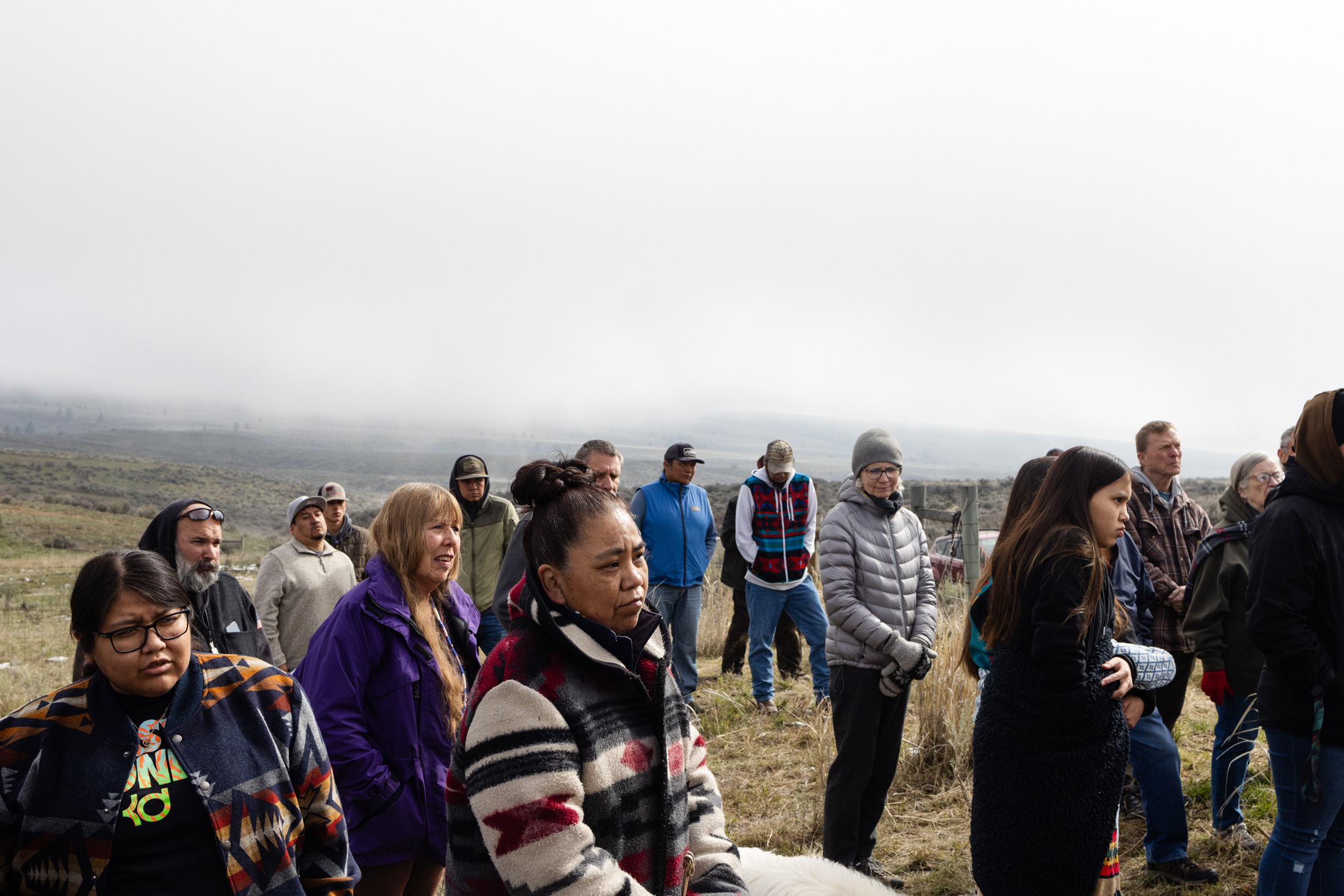
The journey to withdrawal was marked by persistent advocacy. Following a 2024 investigation that revealed how Avangrid’s proposed solar development threatened tribal rights, members of the Wenatchi-P’squosa, one of the twelve Confederated Colville Tribes, organized a powerful demonstration on Badger Mountain. This visible protest underscored their support for renewable energy in principle but drew a firm line at building it on irreplaceable cultural sites. The Wenatchi Advisory Group, an independent body guiding the Colville Tribal Business Council on Wenatchi-P’squosa specific issues, orchestrated the event. The demonstration, coupled with the investigative reporting, seemingly prompted Avangrid to announce a pause in development, signaling a reconsideration of tribal input and public response. This pause highlighted the critical, albeit often challenging, role of public comment periods as one of the primary avenues for tribal nations and concerned citizens to articulate their rights and concerns regarding land development proposals within existing regulatory frameworks.
The formal record indicates that grid infrastructure constraints played a significant role in the project’s ultimate demise. At a state energy permitting meeting earlier this month, Avangrid initially requested a year-long extension to pause permitting work, citing substantial construction delays involving the Bonneville Power Administration (BPA). The BPA, a federal agency responsible for transmitting power across the Pacific Northwest, is undertaking a crucial project known as Cross-Cascades North. This initiative aims to reinforce power delivery from eastern Washington to the burgeoning Seattle metropolitan area, a vital upgrade for grid reliability and for integrating new renewable energy sources. Mark Eilers, Avangrid’s senior director of business development, informed the Energy Facility Site Evaluation Council (EFSEC) – Washington State’s primary authority for siting major energy facilities – that BPA’s anticipated construction timeline for this critical transmission line would be delayed by four years, pushing completion to 2032. While Eilers did not explicitly state this as the sole reason for Avangrid’s request, the implication was clear: without the necessary transmission capacity, the Badger Mountain solar project faced a prolonged and uncertain future regarding its ability to connect to the grid and deliver power effectively. EFSEC Chair Kurt Beckett, while acknowledging the objections of the Yakama Nation and the Colville Tribes, noted the council’s attempt to "minimize as much of that noise" in the public forum, yet conceded that "ultimately they exist," affirming their importance in the state’s permitting decisions.
Just five days after requesting the extended pause, Avangrid filed a complete withdrawal of its proposal, which had been under consideration since at least 2019. EFSEC formally announced the withdrawal shortly thereafter, initiating the process of closing out financial arrangements and notifying stakeholders. Despite the company’s lack of explicit reasoning, the Wenatchi Advisory Group expressed profound satisfaction. "We are very, very happy that they chose to go this route with us, ‘cause it is a very sacred site to us," stated Steven Wynecoop, vice chair of the Wenatchi Advisory Group and grandson of its esteemed founder, Matthew Dick. He elaborated on the deep, continuous connection of generations to the mountain, detailing its enduring significance for gathering traditional medicines, foods like roots and berries, and for conducting sacred ceremonies that sustain cultural identity. Wynecoop shared a poignant family anecdote, a story often recounted by his grandfather, illustrating the enduring bond between the Wenatchi people and Badger Mountain. He spoke of a time when his young grandfather, Matthew, and his family were gathering medicines on the mountain, only to be approached by non-Indigenous landowners who, charmed by Matthew’s brother, Terry, offered to adopt him in exchange for their portion of Badger Mountain. The offer, of course, was respectfully declined. Wynecoop chuckled recalling his grandfather’s wry observation: "Yeah, now here we are — no Badger Mountain, but we got Terry!" This story, passed down through generations, encapsulates the profound, irreplaceable value of the land, a value that transcends monetary or developmental considerations, underscoring a heritage deeply rooted in place and continuity.
The withdrawal of the Badger Mountain solar project serves as a potent case study for the evolving landscape of renewable energy development. It highlights the critical necessity for developers to engage in early, thorough, and culturally sensitive consultation with Indigenous communities, moving beyond mere regulatory compliance to genuinely incorporate tribal perspectives and sovereignty. The confluence of Indigenous advocacy and significant grid infrastructure challenges ultimately rendered the project untenable, demonstrating that the path to a sustainable energy future must be navigated with careful consideration of both environmental and social justice. As the world races to decarbonize, the lessons from Badger Mountain underscore that the transition to clean energy must not inadvertently perpetuate historical injustices or sacrifice irreplaceable cultural heritage. Instead, it calls for innovative approaches that integrate traditional ecological knowledge, prioritize community consent, and seek genuinely collaborative solutions to achieve both environmental sustainability and social equity. This case may well set a precedent, encouraging greater scrutiny of proposed energy projects in culturally sensitive areas and reinforcing the power of Indigenous voices in shaping the future of land use and energy development.