Johny Prima
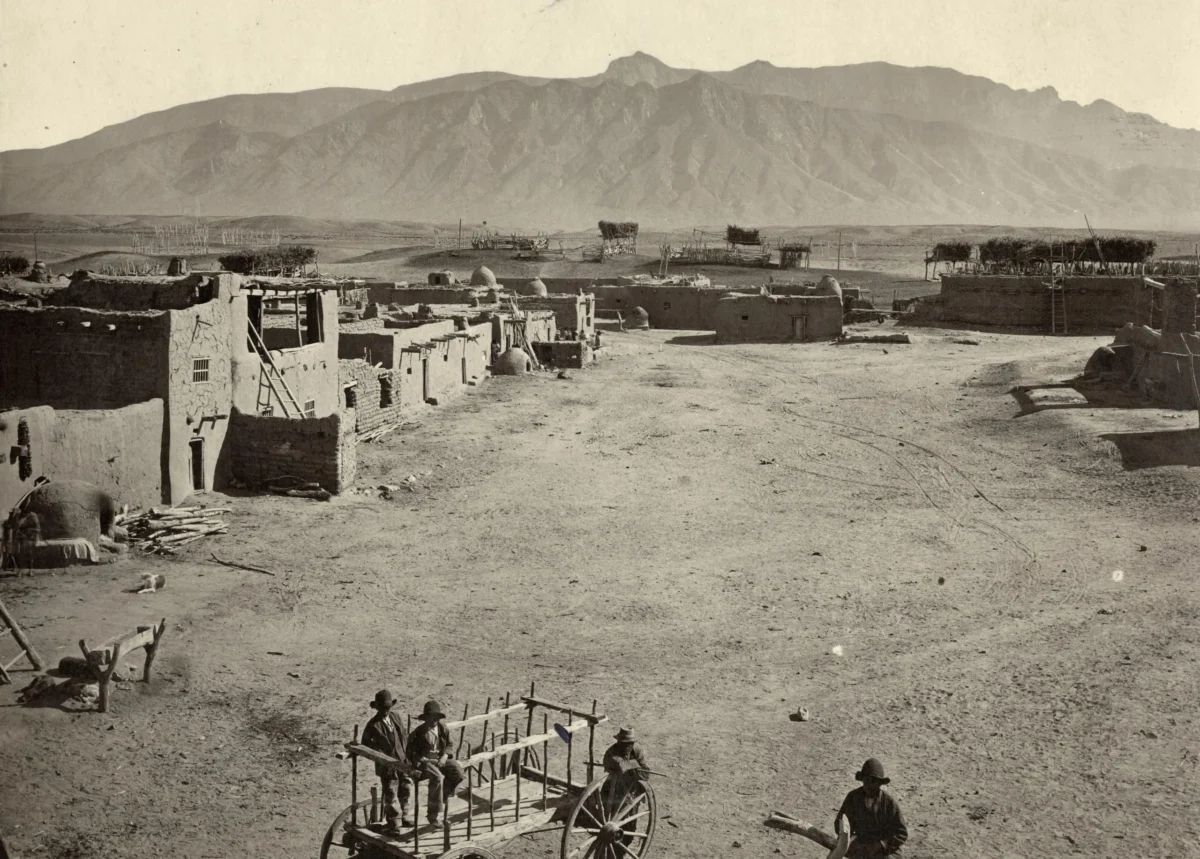
For millennia, the resilient people of the Pueblo of Sandia have nurtured an unbroken, sacred bond with Sandia Mountain and the life-giving waters of the Rio Grande, anchoring their existence in the ancestral lands now recognized as New Mexico. This enduring relationship, forged through countless generations, persisted even amidst the profound existential threats posed by successive incursions from Spanish, Mexican, and American governments, demonstrating an unwavering commitment to the stewardship of these cherished landscapes and vital waterways. Throughout these epochs of change and challenge, the Pueblo has continued its spiritual practices, offering prayers not only for the health and prosperity of its own communities but also for the well-being of the entire world that surrounds them.
Sandia Mountain, revered as T’uf Shur Bien in the Tiwa language, stands as an irreplaceable pillar of the Pueblo’s identity and spiritual life, serving as their venerable church, their steadfast protector, and the ultimate source of their collective well-being since time immemorial. Beyond its profound cultural significance, the majestic peak provides critical habitat for a diverse array of wildlife, shelters vital ecosystems, and offers unparalleled natural beauty and recreational opportunities to hundreds of thousands of residents and visitors across the burgeoning Middle Rio Grande Valley. Today, the Pueblo of Sandia issues a heartfelt and urgent appeal to federal lawmakers and the broader public, urging a profound respect for their intrinsic culture, invaluable traditional knowledge, and inherent sovereignty – a call to action aimed at garnering essential support for their intensified efforts to safeguard Sandia Mountain, particularly in the face of an increasingly volatile and unpredictable global climate.
Central to this contemporary plea is a crucial legislative request: the transfer of lands within the designated T’uf Shur Bien Preservation Area from the administrative oversight of the U.S. Forest Service, an agency under the Department of Agriculture, to the Bureau of Indian Affairs, a division of the Department of the Interior. This proposed jurisdictional shift represents a pivotal step towards empowering the Pueblo with direct stewardship over lands intimately tied to their heritage and future. While acknowledging the diligent efforts of dedicated local Forest Service employees who have earnestly striven to protect this exceptional area through various political administrations, the Pueblo has regrettably borne witness to a persistent pattern of environmental degradation. This includes widespread littering and defacement through graffiti, a backlog of deferred maintenance, compromised fence lines, the proliferation of unauthorized trails, breaches of occupancy regulations, and a general decline in the ecological integrity caused by disrespectful individuals who exhibit little regard for either the sacred essence or the natural splendor of Sandia Mountain.
Moreover, the Pueblo has observed with growing concern the irreversible destruction of irreplaceable cultural sites and the insidious encroachment into ecologically sensitive zones. These very areas represent sacred grounds that the federal government explicitly committed to protecting when Congress enacted the landmark T’uf Shur Bien Preservation Trust Area Act in 2022. This vital piece of legislation, a testament to decades of persistent advocacy and complex legal battles, sought to rectify historical injustices and restore the Pueblo’s rightful access to ancestral lands. The roots of this struggle extend back to an original land grant bestowed upon the Pueblo by the King of Spain in 1748, a grant later unequivocally confirmed by the U.S. Congress in 1858 under the foundational principles of the Treaty of Guadalupe Hidalgo. This treaty, which ceded vast territories from Mexico to the United States, was supposed to honor pre-existing land claims.

However, the 1859 survey, conducted hastily and arbitrarily over a mere four days, fundamentally distorted the intent of the original Spanish grant. Instead of delineating the Pueblo’s eastern boundary at the “main ridge” of Sandia Mountain, as stipulated by the confirmed grant, the survey erratically meandered through the foothills adjacent to the Pueblo. This egregious misrepresentation resulted in the unjustifiable loss of approximately 10,000 acres from the Pueblo’s ancestral land base, a historical grievance that has resonated through generations. The 2022 T’uf Shur Bien Act was specifically designed to address this profound historical loss, aiming to restore a measure of justice by granting tribal members “free and unrestricted access to the Area for traditional and cultural uses.” Crucially, the Act also provided robust protections for private landowners residing within the claim area, enshrined in perpetuity the wilderness character of the region, and imposed strict prohibitions against logging, mining, and other forms of industrial development.
In advocating for this critical land transfer from the Department of Agriculture to the Department of the Interior, the Pueblo of Sandia has undertaken an exhaustive and transparent public engagement campaign, conducting over 75 meetings with a diverse array of stakeholders. These dialogues involved federal and state lawmakers, neighboring communities, local businesses, and concerned citizens, all aimed at clearly articulating the profound importance of this administrative shift to the Pueblo’s future and the broader ecological health of the region. Despite these diligent efforts to foster understanding and collaboration, the Pueblo has noted with dismay the persistence of disinformation circulating within certain media outlets and segments of the public.
The Pueblo of Sandia emphatically refutes any suggestion that this transfer will restrict access for legitimate landowners or responsible, respectful recreational users. On the contrary, the Pueblo assures that upon the land’s transfer, all currently authorized existing uses and activities, along with established public rights-of-way for roads and utility corridors, will remain fully intact. Visitors will continue to enjoy the natural splendor of the area, and critically, the lands, waters, and diverse wildlife of Sandia Mountain will receive even more robust protection, not only for the present generation but for all future generations to come.
By assuming direct management of the T’uf Shur Bien Preservation Area, the Pueblo will be uniquely positioned to safeguard and perpetuate its rich culture, time-honored traditions, and distinct way of life. This direct oversight will also significantly enhance the Pueblo’s capacity to protect the majestic mountain from the dual threats of future unsustainable development and escalating environmental degradation, including the increasing menace of catastrophic wildfires exacerbated by climate change. Leveraging their profound traditional ecological knowledge, the Pueblo can implement localized, culturally sensitive solutions, resources, and strategies that are meticulously tailored to the unique cultural and physical landscape of this invaluable area. This indigenous-led management approach will also facilitate improved intergovernmental coordination efforts for critical emergency responses, public safety initiatives, and effective law enforcement, fostering a more harmonious and secure environment for all.
Ultimately, to preserve its profound religious and traditional meaning for the Pueblo, Sandia Mountain demands meticulous stewardship and unwavering protection. Furthermore, the mountain’s conservation is indispensable for maintaining the ecological health of the entire Middle Rio Grande Valley and ensuring a sustainable future for its inhabitants. The Pueblo of Sandia stands as the singular entity with a record of love and dedicated care for this mountain that spans the longest, a testament to an enduring commitment that predates modern governance and offers a proven pathway to enduring environmental and cultural resilience. This proposed transfer is not merely an administrative adjustment; it represents a profound step towards rectifying historical injustices, empowering indigenous self-determination, and ensuring the holistic health of a vital natural and cultural treasure for all who cherish it.