Roger Danuarta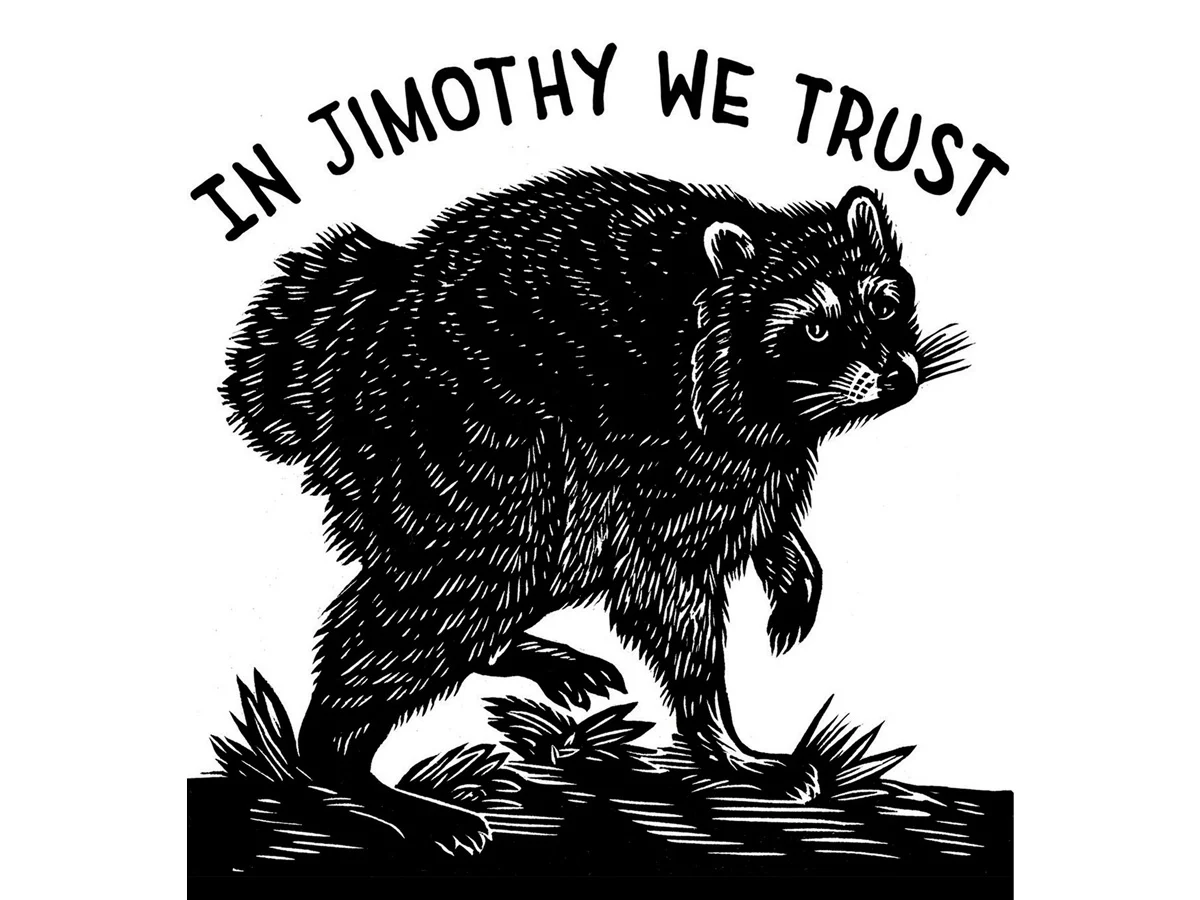
In an era demanding innovation and resilience, an unusual confluence of events across North America highlights humanity’s evolving relationship with the animal kingdom, community spirit, and the sheer ingenuity required to navigate modern challenges. From a professor leveraging a provocative online platform to save decades of scientific research to the whimsical saga of a colossal dinosaur’s clandestine journey, these narratives underscore the compelling and often quirky intersections of human endeavor and the natural world.
In the high-altitude wilderness north of Crested Butte, Colorado, a 64-year-old ecological study faced an existential threat from persistent budget cuts, prompting an extraordinary solution. Dr. Dan Blumstein, a distinguished UCLA professor and the venerable custodian of the Marmot Project at the Rocky Mountain Biological Laboratory (RMBL), found himself wrestling with the precarious future of one of the longest-running continuous studies of a wild mammal population globally. This invaluable research, initiated in 1962, has meticulously tracked generations of yellow-bellied marmots, offering unparalleled insights into their behavioral ecology, population dynamics, and crucial adaptations to a rapidly changing alpine environment. Such longitudinal data is a cornerstone of ecological science, providing critical baselines for understanding the impacts of climate change, habitat shifts, and disease on wildlife. The thought of this invaluable repository of data and scientific understanding simply vanishing was, for Blumstein, unthinkable.
In a moment of unexpected inspiration, following a casual viewing of the Apple TV show Margo’s Got Money Troubles with his wife, Blumstein had an epiphany. If "Margo’s got money troubles," he mused, then "Marmot’s got money troubles" too. The solution, while unconventional, was undeniably creative: he launched "OnlyMarms" on the subscription platform OnlyFans. This daring initiative transformed the traditionally adult-oriented platform into a unique portal for wildlife enthusiasts, offering subscribers "uncensored marmot content." Far from the platform’s typical fare, OnlyMarms provides an intimate, educational glimpse into the daily lives of these charismatic rodents—their playful interactions, foraging habits, hibernation preparations, and the intricate social structures that define their colonies. The move has not only garnered significant media attention but has also successfully engaged a new demographic in the critical work of wildlife conservation, demonstrating how innovative fundraising strategies are becoming increasingly vital for academic research in an era of constrained public funding. It stands as a testament to the lengths scientists will go to protect long-term studies that are indispensable for comprehending the delicate balance of ecosystems and informing future conservation policies.
Meanwhile, a peculiar caper unfolded in the scenic landscape of Gardiner, Montana, just outside the northern entrance to Yellowstone National Park, captivating locals and garnering national attention. One morning, the familiar sight of the 300-pound, verdant dinosaur mascot, a beloved emblem of the Dino Mart Sinclair station, vanished without a trace. This iconic fiberglass Apatosaurus, a symbol deeply ingrained in American roadside culture since Sinclair Oil adopted the prehistoric giant as its mascot in the 1930s, had been a stationary fixture, greeting travelers and locals alike for years. Its sudden disappearance sparked immediate concern, quickly morphing into widespread amusement when the mystery was swiftly solved. The colossal creature was discovered 10 miles away, perched serenely atop a remote cliff face in Yankee Jim Canyon, overlooking the Yellowstone River.

Jacque Sims, an employee at the Sinclair station, encapsulated the community’s reaction, stating to KTVQ’s Q2 News that the discovery was profoundly humorous. The sheer audacity and logistical challenge of the prank were staggering. The perpetrators had meticulously planned their operation, ensuring their target was situated beyond the reach of surveillance cameras. The feat involved not only unbolting the massive, multi-hundred-pound statue from its concrete foundation but also transporting it a considerable distance through rugged terrain before re-bolting it securely into the rock of the cliff. This elaborate "grand theft dino" could have easily led to serious legal repercussions, yet Sinclair management, perhaps recognizing the harmless intent and the surge of positive local publicity, chose not to file a police report. The incident, rather than being treated as vandalism, was embraced as a whimsical, distinctly Montanan expression of community spirit and a playful ode to the enduring power of local legends, echoing the sentiment that, much like life itself, a cherished dinosaur will always find a way to break free and explore new territories.
Further west, in the maritime city of Tacoma, Washington, an astonishing discovery unfolded off Point Defiance Park, reminiscent of a fantastical tale brought to life. A routine welfare check initiated by the Tacoma Police Department’s marine services unit quickly escalated into an unprecedented animal rescue operation. Officers investigating an abandoned 40-foot sailboat found no human occupants but instead encountered a sprawling, unexpected community of felines. Dozens of cats, initially estimated at 30, were found living aboard the vessel, prompting the immediate dispatch of the animal control unit. The complexity of the situation necessitated multiple search warrants, as authorities meticulously worked to secure the rights to remove the animal residents. During the initial phases, officers humanely provided food and water, recognizing the animals’ immediate needs while navigating the legal framework.
Upon subsequent returns, the true scale of the feline population became apparent. The boat, a labyrinth of hidden compartments and snug nooks, harbored far more than initially thought. Animal control officers, demonstrating remarkable perseverance, eventually resorted to drilling into the boat’s internal structures to coax out the most elusive residents. In total, a staggering 60 cats were successfully rescued from their unconventional floating home. Despite their unusual living conditions, most of the "sailor cats" were found to be in reasonably good health, albeit a bit stressed, with many even sporting flea collars, a curious detail that immediately raised questions about their recent care.
The mystery of the feline flotilla was eventually unraveled. The sailboat belonged to Derek Hieb, who, according to The Seattle Times, had fallen on hard times during the COVID-19 pandemic and had been living aboard the vessel. His journey into multi-cat ownership began simply when a friend gifted him a cat named Missy. As is often the case when responsible pet management becomes financially challenging, Missy had kittens, and without the means to afford spaying and neutering for all, nature took its course. Over approximately six years, what began as one cat multiplied exponentially, transforming Hieb’s living situation into an unintentional cat sanctuary. All 60 cats received comprehensive medical attention at the Humane Society for Tacoma & Pierce County, a testament to the dedication of animal welfare organizations. Many of these resilient felines, affectionately dubbed "Sailor Cats," were subsequently made available for adoption, offering them a chance at a more conventional life on solid ground. This poignant narrative serves as a stark reminder of the broader challenges of pet overpopulation, the critical importance of spay/neuter programs, and the profound impact of socioeconomic hardship on animal welfare, highlighting the vital role played by community services in mitigating such crises.
Amidst these captivating tales of resilience and unexpected encounters, the Pacific Northwest continues to celebrate its unique urban wildlife, including Seattle’s own "sublimely spherical celebrity," Jimothy the Raccoon. This rotund raccoon has garnered a significant following, embodying a simple yet profound source of joy and fascination for many. As one admirer aptly noted on Jimothy’s dedicated Facebook fan page, "It was July 2026. The sky was on fire and we couldn’t eat lettuce. Jimothy was our glimmer of hope. Our silver lining." These narratives, from the innovative funding of ecological research to the whimsical relocation of a beloved dinosaur and the mass rescue of maritime felines, collectively underscore the intricate and often heartwarming tapestry of human-animal interactions that define communities across the continent, offering glimpses of ingenuity, humor, and compassion in a world perpetually in flux.