Rocky Georgio
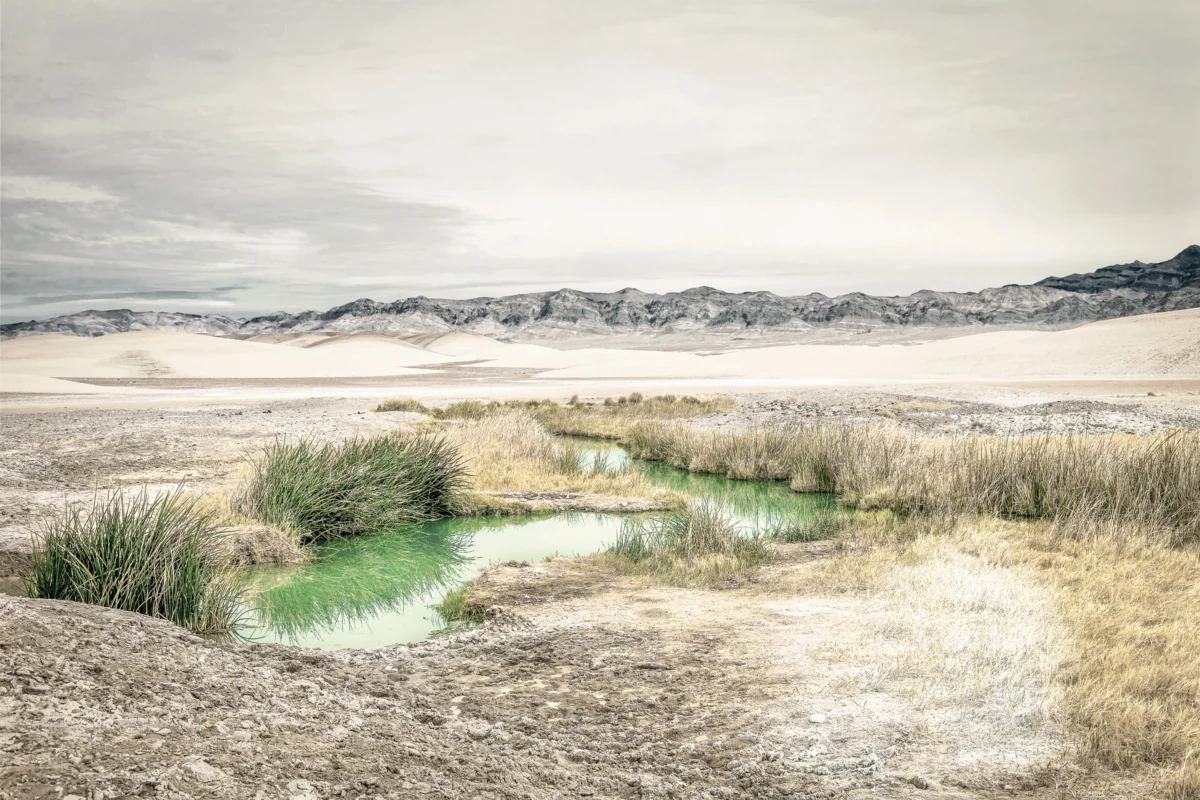
Desert springs, once the lifeblood of arid landscapes and crucial waypoints for millennia of human and animal migration, are now facing an existential crisis, with a significant percentage of these precious water sources ecologically impaired. These secluded pools of water, often appearing as unexpected miracles in the starkness of the desert, serve as living archives, preserving both natural and human history within their limited perimeters. They are rare lifelines that disproportionately sustain biodiversity, cultural heritage, and delicate hydrological systems, yet their decline is often so gradual that it goes unnoticed without a clear memory of their past abundance.

In the vast Mojave Desert of California, an accidental oasis formed by a borehole exploration that tapped into a pressurized aquifer now stands as a testament to the life-giving power of hidden waters. This unique spring has become a magnet for migratory birds and a sanctuary for diverse wildlife, yet it is now imperiled by the severe drought gripping the region. Similarly, on the Colorado Plateau in Arizona, Tappen Springs has long been a permanent water source, historically serving as a critical oasis for Indigenous tribes, local communities, and even historic cattle drives. However, its continued existence is not guaranteed.

The ecological significance of these seemingly small pockets of water is profound. A spring ecologist shared that since 1880, over 80% of the springs in the arid mountains of northeast Arizona have become ecologically impaired, a statistic that underscores the widespread nature of this environmental challenge. These springs are estimated to support more than 15% of the nation’s endangered species, highlighting their outsized importance to conservation efforts.

The human connection to these water sources runs deep. Conversations with members of the Black Mesa Water Coalition at a Hopi festival in Flagstaff revealed the profound physical and cultural impacts of losing the springs their community relies upon. Their testimonies speak to a deep, often overlooked, human dependence on these fragile ecosystems. The effort to document and understand these disappearing springs often relies on a network of personal connections, rather than solely on database research. One photographer recounted how finding springs involved a chain of introductions, relying on strangers, ranchers, and landowners who provided directions and shared their knowledge, fostering a collaborative approach to discovery.

The historical tapestry woven around these springs is rich and diverse. In the Black Rock Desert of Nevada, Dyke Hot Springs, while now featuring modern tubs for cooling the intensely hot water for a pleasant soak, has a history of Indigenous use stretching back 10,000 years, as evidenced by archaeological findings. On the Sonoran Desert coast of Mexico, Alamo Spring offers a rare sight of freshwater emerging at the edge of the saltwater ocean, creating small, vibrant islands in an otherwise saline environment. In the Mojave Desert of Nevada, Corn Creek Springs holds historical and cultural importance for both Native Americans and early European settlers, though it now lies within the confines of the Nevada Test and Training Range, a stark reminder of how human development can impact these vital areas.

Further south, in New Mexico’s Chihuahuan Desert, the Mirror Lakes and Devil’s Inkwell in Bottomless Lakes State Park are unique spring-fed sinkholes and cenotes that sustain life and attract recreationalists, including scuba divers. However, even these remarkable geological formations are not immune to the pressures of groundwater depletion. Agricultural overpumping in the region is steadily diminishing the hidden water table, threatening to dry up these ancient desert oases. On the Colorado Plateau in Utah, Liston Seep, once a watering point for cattle, was eventually abandoned after the animals were moved, illustrating how human activities can alter the historical use and ecological balance of these springs.

The very act of capturing these springs visually is a deliberate effort to convey their significance. One photographer intentionally desaturates the surrounding arid landscape while slightly brightening the spring itself, aiming to draw the viewer’s eye to the stark contrast and the powerful pull between the parched earth and the life-giving water. This artistic approach is inspired by the naturalist Alexander von Humboldt’s belief that art can build the emotional connection to nature that scientific data alone may not achieve, making the plight of these springs more palpable and relatable.

The delicate ecosystems sustained by these springs are often found in unexpected places. The Hanging Garden on the Colorado Plateau in Arizona showcases groundwater moving laterally through porous rock, emerging from a cliffside as a desert seep that nourishes a vibrant community of mosses, ferns, and flowering plants. These seemingly simple seeps demonstrate the intricate ways water finds expression in the desert.

The gradual disappearance of these springs poses a unique challenge to generational understanding. At a desert spring, the silence where frogs once called can become the norm for new generations, who grow up accepting scarcity as a natural state, unaware of the lost abundance of previous eras. This phenomenon, where each generation inherits a diminished version of the environment, can lead to a collective amnesia about what has been lost.

The historical context of spring utilization is evident across the West. Mormon pioneers in Arizona, during the late 1870s and 1880s, relied on Dairy Spring to support a cooperative dairy, producing essential butter and cheese. In Nevada’s Black Rock Desert, East Pinto Hot Springs has been a sacred site for the Shoshone and Paiute peoples for over 6,000 years, and contemporary scientists are now exploring its hyper-saline, extremely hot waters for potential medicinal compounds, highlighting the enduring scientific and cultural value of these unique environments.

The project "Hidden Waters" serves as a poignant testament to what remains, acting as a repository of memory for these vanishing natural wonders. While some springs may never fully recover their former glory, the act of making their decline visible is a powerful refusal to let them disappear silently into absence. The deep aquifers that feed these springs represent ancient water, taking millennia to travel and replenish vast underground basins. However, modern agricultural pumping extracts this water at a rate far exceeding nature’s capacity for replenishment, leading to the drying up of these vital sources.

The ephemeral nature of these desert springs, coupled with increasing environmental pressures, underscores the urgency of conservation and awareness. Their continued existence is intrinsically linked to the health of surrounding ecosystems, the cultural practices of Indigenous communities, and the historical narratives of the American West. The silent retreat of these vital water sources serves as a stark reminder of the interconnectedness of water, life, and history in the most challenging of landscapes.