Roger Danuarta
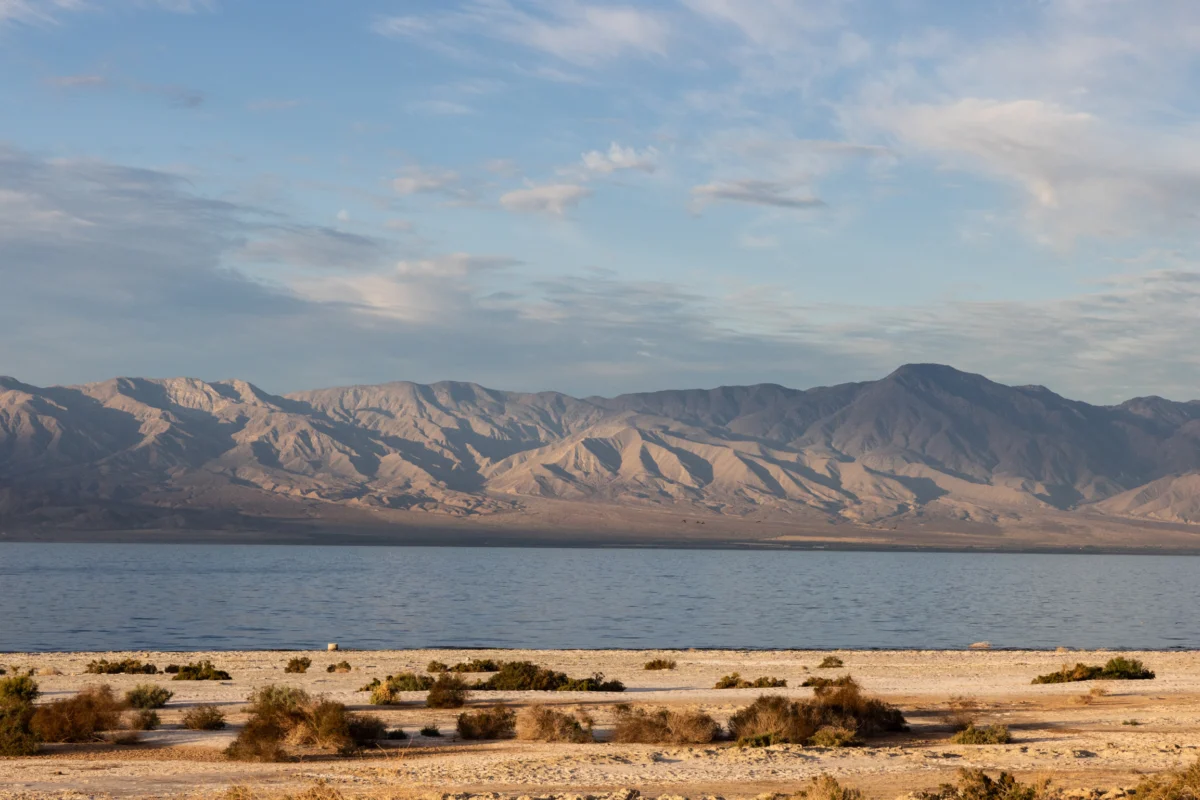
Residents of California’s Imperial County endure a persistent, acrid stench, a stark daily reminder of the Salton Sea’s ecological collapse. This vast, accidental lake, born from a Colorado River overflow in the early 1900s, once blossomed into a thriving resort destination in the 1950s, a desert oasis attracting tourists and Hollywood stars alike. Today, that vibrant past is a distant memory, replaced by a shrinking, toxic body of water, its shores increasingly exposed to the elements. Decades of agricultural runoff have transformed the lake into a repository for a dangerous cocktail of pollutants, including heavy metals like lead and chromium, alongside persistent organic compounds such as legacy DDT, chemicals that once fueled the region’s agricultural prosperity but now poison its heart.
Since 2018, the crisis has intensified dramatically. Severely curtailed water supplies, exacerbated by a protracted, climate change-fueled drought gripping the American West, have accelerated the salty lake’s evaporation rate. This rapid desiccation continuously exposes more of the dry lakebed, known as the playa, unleashing the accumulated toxic chemicals into the atmosphere. The region’s notorious strong winds then sweep this hazardous dust directly into surrounding communities, predominantly home to Latino farmworkers and Indigenous populations. The health consequences are dire and immediate: a staggering one in four children in these communities now suffers from asthma, and pediatric hospitalization rates for respiratory issues are twice the state average, painting a grim picture of environmental injustice.
“The Salton Sea has always been part of our region’s identity, a defining feature of our landscape and our lives,” stated Luis Olmedo, executive director of Comite Civico del Valle, a dedicated environmental justice organization rooted in Imperial County. He has witnessed firsthand the relentless retreat of the shoreline and the suffocating clouds of dust. “For families grappling with asthma and other chronic respiratory conditions, these environmental challenges are not abstract concepts; they are an integral, burdensome part of everyday life.” The decaying lake, once a symbol of human ingenuity and leisure, has become a potent emblem of ecological decline and social inequity.
Yet, beneath this environmental catastrophe lies a potential economic lifeline and a critical resource for the global clean energy transition. The Salton Sea region sits atop one of the world’s largest reserves of geothermal energy, a super-heated brine thousands of feet below the lakebed. This brine is not only a source of renewable electricity but also a treasure trove of critical minerals, particularly battery-grade lithium, earning the area the moniker “Lithium Valley.” As the world races to decarbonize and electrify transportation and energy grids, the demand for lithium—often referred to as “white gold”—has skyrocketed, making this region a focal point for international investment and strategic development.

Three major projects aimed at extracting both geothermal power and lithium from this geological marvel are currently transitioning from proposals to active construction, with full-scale production anticipated in the coming years. This surge in activity positions Imperial Valley at the forefront of America’s clean energy ambitions, promising jobs and economic revitalization in a historically underserved region. However, this burgeoning industry also casts a long shadow, threatening to exacerbate the very environmental challenges it seeks to solve.
A proposed federal permitting reform bill, the Bipartisan American Affordability and Jobs Act, looms large over these developments. Designed to streamline both clean energy and fossil fuel projects by cutting bureaucratic red tape, the legislation aims to accelerate infrastructure development nationwide. However, critics argue that this proposed overhaul of the federal environmental review process threatens to fundamentally rewrite how local industrial development is vetted, litigated, and monitored, particularly in frontline communities across the country. The Salton Sea thus becomes a stark microcosm of a central dilemma facing the nation: while building clean energy infrastructure is vital for national climate solutions, doing so without robust environmental safeguards risks disproportionately burdening vulnerable populations with severe health and ecological costs.
Comite Civico del Valle, which has proactively established an extensive network of air-monitoring stations throughout the Salton Sea communities, supports the advancement of clean energy. However, their endorsement comes with a crucial caveat. “Permitting reform must advance clean energy, but not at the expense of public health, environmental protections, or genuine community participation,” Olmedo emphasized. “Clean energy initiatives should unequivocally improve people’s lives, not repeat the costly and painful mistakes of the past by externalizing environmental harm onto already marginalized communities.” This sentiment underscores a growing global movement for environmental justice, demanding that the transition to a sustainable future be equitable and inclusive.
Both lithium and geothermal power are indispensable components of the global clean energy transition, essential for electric vehicles, battery storage, and grid stability. Yet, advocates warn that unchecked development, unconstrained by rigorous environmental safeguards, could catastrophically compound the existing health crisis for the region’s approximately 180,000 residents and escalate the ecological threats to the fragile lakebed ecosystem. These large-scale industrial operations, particularly the geothermal plants, require vast quantities of water for cooling towers—water drawn from the already overallocated Colorado River. Every gallon diverted for industrial use or conserved to meet regional drought cutbacks mandated by the deepening water crisis in the Colorado River Basin is a gallon that never reaches the Salton Sea, accelerating its shoreline retreat and exposing residents to even higher concentrations of airborne toxins. Without significant restoration efforts, projections indicate that by 2030, the lake could drop roughly 20 feet from its early-2000s levels, losing 60% of its volume and exposing an additional 100 square miles of highly contaminated dry lakebed to the powerful desert winds.
“This isn’t merely about symptoms on a particularly dusty day; it raises profound concerns about children’s long-term respiratory health for decades to come,” explained Jill Johnston, an associate professor of environmental and occupational health at the University of California, Irvine. Her extensive research clearly links increased dust events from the Salton Sea playa with slower lung function growth, particularly among children living closest to the receding shoreline. “The fundamental concern is how additional pollution from future industrial development could interact with and amplify existing environmental exposures, further compromising respiratory health in an already vulnerable population.”

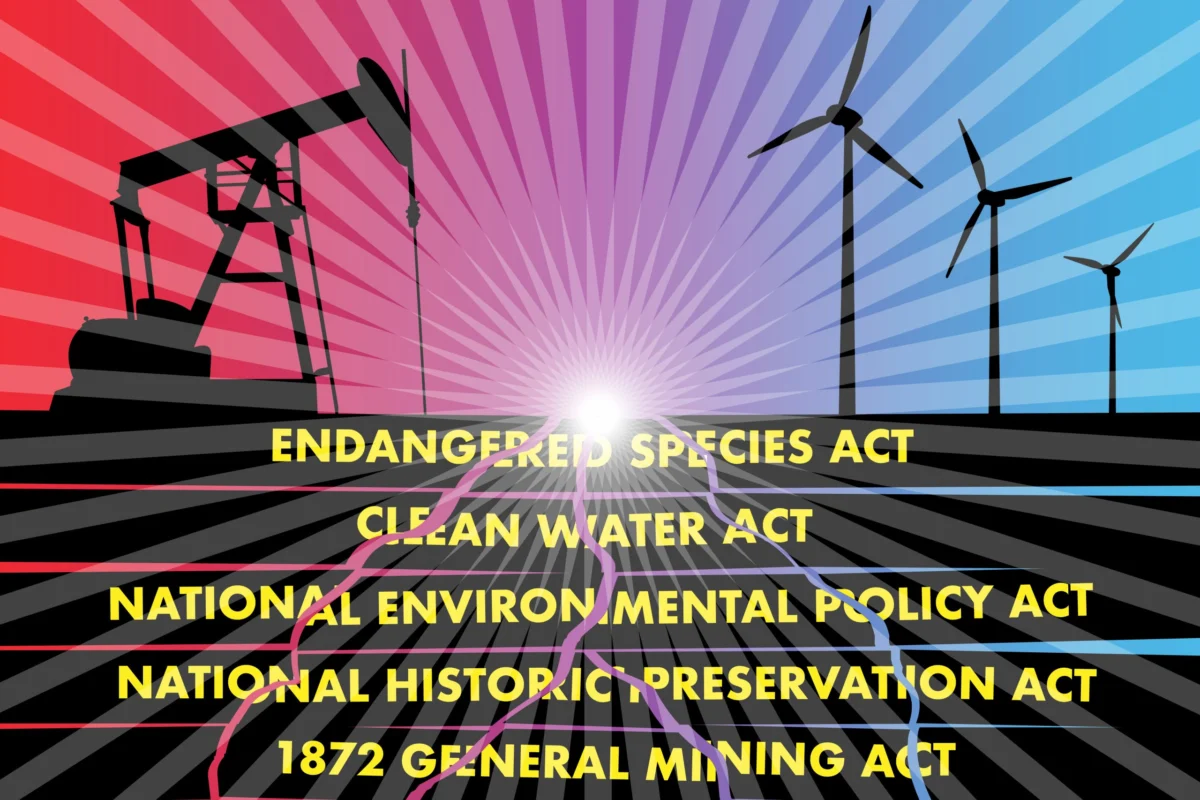
The proposed permitting reform bill, currently under intense debate in the Senate ahead of a critical mid-November vote, seeks to drastically shorten environmental review timelines and public comment periods. It also aims to weaken foundational environmental protections enshrined in landmark legislation such as the National Environmental Policy Act (NEPA), the Endangered Species Act (ESA), the National Historic Preservation Act (NHPA), and the Clean Air and Water Acts. Should a project’s permitting review reach the federal level under this new regime, local residents and advocacy groups like Comite Civico del Valle would find themselves with severely limited time to provide meaningful public input or pursue legal action, even if the project demonstrably harms their community and environment.
For environmental justice advocates like Olmedo, the ultimate question surrounding permitting reform is not whether clean energy is vital for vulnerable populations—it unequivocally is. The more pressing question is whether the federal acceleration of these projects will finally break from a long, painful historical legacy of environmental harm, or whether it will once again leave these same communities—many of the poorest in California—to bear the disproportionate costs of America’s energy transition. “Despite recent revisions to the bill, we remain deeply concerned about provisions that could systematically weaken environmental review, severely limit legal challenges, and significantly reduce accountability for developers,” Olmedo stated. “Genuine permitting reform should focus on eliminating genuinely unnecessary delays, not on dismantling the fundamental protections that communities depend on for their health and well-being.”
If enacted, this legislation could effectively gut the few legal tools communities currently possess to safeguard their air and water quality. The proposed federal bill includes alarming provisions that would essentially lock in existing federal permits, making it exceedingly difficult for a future presidential administration or court to reverse them—even in the face of compelling new scientific data revealing unforeseen environmental or health impacts. While a last-minute amendment did add an exception allowing agency intervention for immediate threats to “human health” or “the environment,” legal experts caution that the evidentiary bar for invoking this exception is set exceptionally high, requiring undeniable proof of urgent and proximate harm to override a permit freeze.
“That kind of federal override threatens to compound the already severe issues gripping Salton Sea communities,” warned Aaron Mintzes, deputy policy director for Earthworks, an environmental advocacy group. Earthworks, alongside Comite Civico del Valle, filed a lawsuit in 2024 demanding that developers comply with existing environmental laws, a case that was appealed in 2025 and could return to the California Superior Court. Mintzes highlights the practical implications, citing the Hell’s Kitchen geothermal power plant, a significant project near the southeastern shore of the Salton Sea, currently navigating complex state and federal environmental review processes. Despite considerable community pushback and ongoing legal turbulence, county officials have already approved the project’s primary permits under the California Environmental Quality Act (CEQA), pushing the remaining state-level air and water permits into their final review stages, with final federal approvals slated for May 2027.
“For the Salton Sea, the bill would effectively lock in the Army Corps of Engineers’ Clean Water Act permit, thereby preventing California or Imperial County from ever modifying that permit,” Mintzes explained. Under the proposed legislation, state environmental regulators and county officials would be legally barred from imposing stricter rules or conditions down the line, even if regional air and water quality demonstrably deteriorates over time. “Were there ever a problem, a crisis, no one could implement necessary changes unless they could meet an extraordinarily high evidentiary burden, effectively tying the hands of local authorities and environmental agencies.”

This alarming erosion of regulatory recourse also extends to the vital realm of tribal sovereignty and cultural heritage protection. Although recent last-minute amendments to the legislation ostensibly stripped out language that would have made tribal consultations optional, legal experts warn that the current text still subtly undercuts the possibility of meaningful, two-way engagement between federally recognized tribes and federal agencies. In the Salton Sea region, Indigenous tribes, including the Cahuilla, Kwaaymii, Kamia, Kumeyaay, and Quechan peoples, have consistently sought formal inclusion in development discussions. They have repeatedly voiced profound concerns that sprawling energy projects threaten ancestral burial grounds, sacred sites, and culturally significant landscapes that are integral to their identity and heritage. The National Historic Preservation Act (NHPA) explicitly mandates that federal agencies consult with tribes to identify and protect such culturally significant areas before issuing permits. Diluting this crucial mandate effectively removes one of the few statutory shields protecting sacred grounds and other invaluable cultural sites—a disturbing pattern tribal communities are increasingly witnessing across the American West, from the contentious oil and gas leasing battles near Chaco Canyon to ongoing uranium mining claims near Mount Taylor, and foreign mining operations impacting New Mexico’s Pecos River basin.
“There are simply so few levers available to us that enable meaningful participation in the discussion, the consultation, the upfront dialogue before these massive projects are even conceived, let alone built,” stated Mark Macarro, president of the National Congress of American Indians, during a briefing on November 6. “When legislative initiatives are cynically packaged like this, purporting to serve a greater national good for affordability or green energy, that’s precisely when things become incredibly dangerous for our tribal nations and our inherent rights.”
As votes to open the bill for debate echoed through the Senate chamber on November 9, the complex policy deliberation over legal hurdles and permit timelines gave way to a much simpler, more visceral reality back in California’s Imperial Valley. For those living around the drying, toxic Salton Sea, the potential passage of this Senate bill signals a fundamental, perhaps irreversible, shift in who bears the brunt of America’s urgent energy transition. While the lithium beneath the lakebed undeniably promises a cleaner, more sustainable energy future for the nation and the world, Imperial Valley residents will continue to pay for it with chronic headaches, sudden nosebleeds, and alarmingly high rates of pediatric asthma, symptoms that they, along with health experts like Johnston, unequivocally attribute to the pervasive, toxic dust emanating from the rapidly shrinking lake.
“Imperial Valley possesses the unique potential to lead the clean energy transition, but this development must inherently include robust environmental accountability and deliver lasting, equitable community benefits,” Olmedo concluded. “Our community should never be forced to choose between vital economic development and essential environmental protection. We unequivocally deserve both.” The stakes in the Salton Sea region are not just about energy or economics; they are about justice, health, and the very definition of a sustainable future.