Joko Susilo
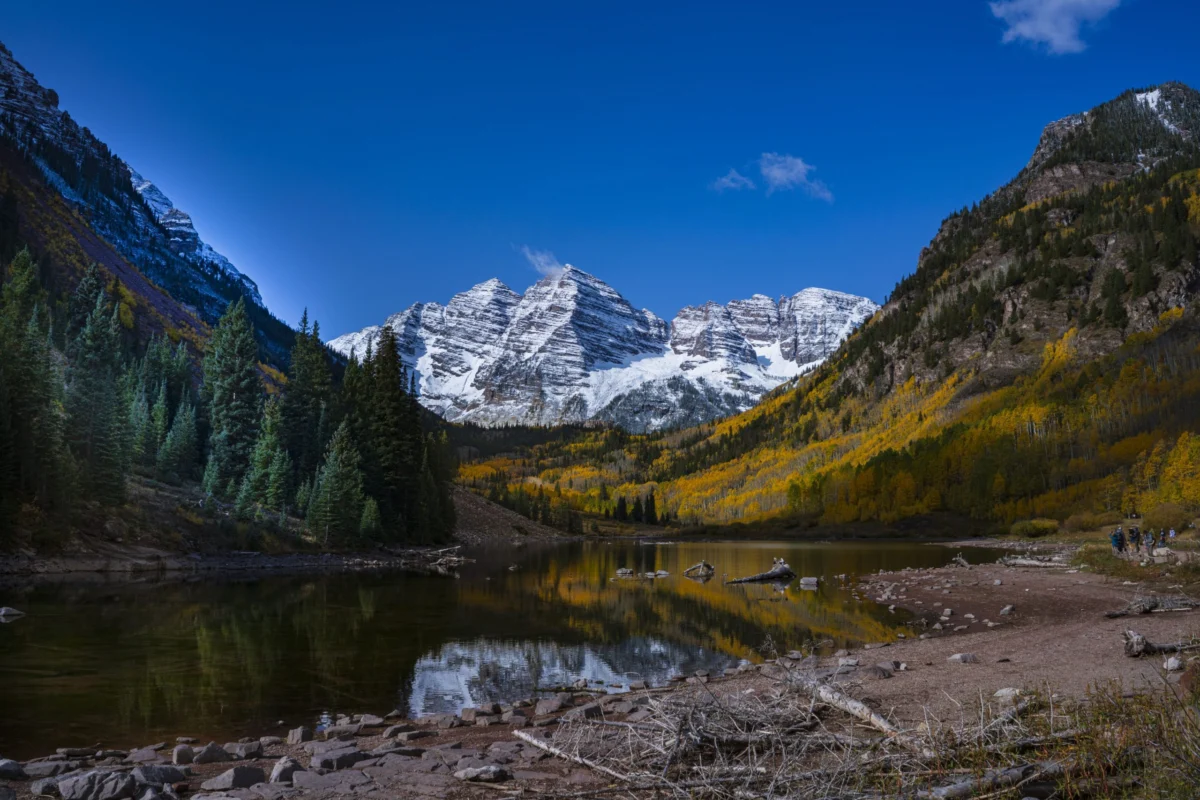
The iconic Maroon Bells Scenic Area, a crown jewel nestled within the breathtaking Colorado Rocky Mountains and a magnet for hikers and sightseers, is poised for a significant management overhaul, transitioning from the U.S. Forest Service to local Pitkin County administration. This pivotal change, driven by severe federal budget cuts and persistent staffing shortages plaguing the Forest Service, has ignited a fervent debate among conservationists and public land advocates who fear it could set a dangerous precedent for the privatization of cherished national treasures across the country. On September 23, Pitkin County commissioners unanimously endorsed a special use permit to assume operational control of the scenic area, concurrently establishing a new fund, bolstered by increased site fees, to sustain the maintenance and operational costs of this heavily frequented natural wonder. A subsequent map released by the Forest Service clarified that Pitkin County would be responsible for managing approximately 1,300 acres of the scenic area.
Situated merely 10 miles outside the affluent resort town of Aspen, the Maroon Bells Scenic Area serves as the primary gateway to the vast 181,000-acre Maroon Bells-Snowmass Wilderness, itself an integral part of the sprawling 2.3 million-acre White River National Forest – one of the nation’s most visited national forests. The sheer allure of the twin peaks, their reflections shimmering in Maroon Lake, drew an astounding 191,000 visitors between May and October last year alone, underscoring the immense recreational pressure on the site.
The U.S. Forest Service, traditionally the steward of this magnificent landscape, asserts its current inability to adequately manage the area due to a severe depletion of personnel and resources. The agency has experienced a dramatic reduction in its workforce, shedding nearly 6,000 employees in recent years, with further drastic cuts looming on the horizon. For instance, President Trump’s proposed budget for fiscal year 2027, if enacted, would slash the agency’s overall funding by an alarming 75%. Locally, the White River National Forest has seen its year-round staff diminish by a third since 2024, falling from 169 to a mere 111 employees, according to an analysis by Aspen Journalism. This chronic underfunding, a trend spanning over a decade, has left the Maroon Bells area operating at a deficit exceeding $300,000 annually, as highlighted by Forest Supervisor Brian Glaspell.
In response to this critical shortfall, Pitkin County is slated to assume management responsibilities in 2027. However, this seemingly pragmatic solution is not without its detractors. Critics view the transfer as a potential harbinger of broader privatization efforts, a "camel’s nose under the tent" signaling a calculated move by the current administration to offload federal land management. Aaron Weiss, executive director of the Center for Western Priorities, articulated this concern starkly, labeling it a "test case for privatization," where the administration seeks to sell off public lands where feasible and privatize them where outright sale is not. The Forest Service has not publicly responded to requests for comment on these specific allegations.
Despite the overarching concerns regarding privatization, residents and organizations within the Roaring Fork Valley largely appear to support Pitkin County’s immediate intervention, even while criticizing the systemic issues that necessitated it. Will Roush, executive director of Wilderness Workshop, a prominent environmental watchdog group based in the Roaring Fork, noted, "The county is responding to unfortunate circumstances on behalf of our community." He further lamented, "The real tragedy is this administration’s failure to adequately invest in and staff our federal land-management agencies and the places that are so fundamental to our state’s identity." This sentiment underscores a complex dilemma: local communities want their beloved natural assets protected and well-maintained, but they also recognize the broader implications of federal disinvestment.
The cumulative effect of persistent budget cuts has manifested in a significant backlog of deferred maintenance and repairs across national forests. Pitkin County has already stepped in to address immediate needs at Maroon Bells, assisting with the repair and reopening of critical bathroom facilities and clearing mudslide debris, according to Gary Tennenbaum, director of Pitkin County Open Space and Trails. Tennenbaum, while acknowledging the privatization debate, dismissed concerns about setting a worrisome precedent, arguing that "the precedent has already been (set) that the federal government is not going to fund these things." He stressed the imperative of managing these unique resources, stating, "You got to find a way to manage the resources, because they’re too special to let go." Tennenbaum further revealed that the Forest Service had indicated that if the county did not assume management, the agency would be compelled to solicit bids from private concessionaires, a prospect that critics warned would likely lead to even steeper access fee increases driven by profit motives.
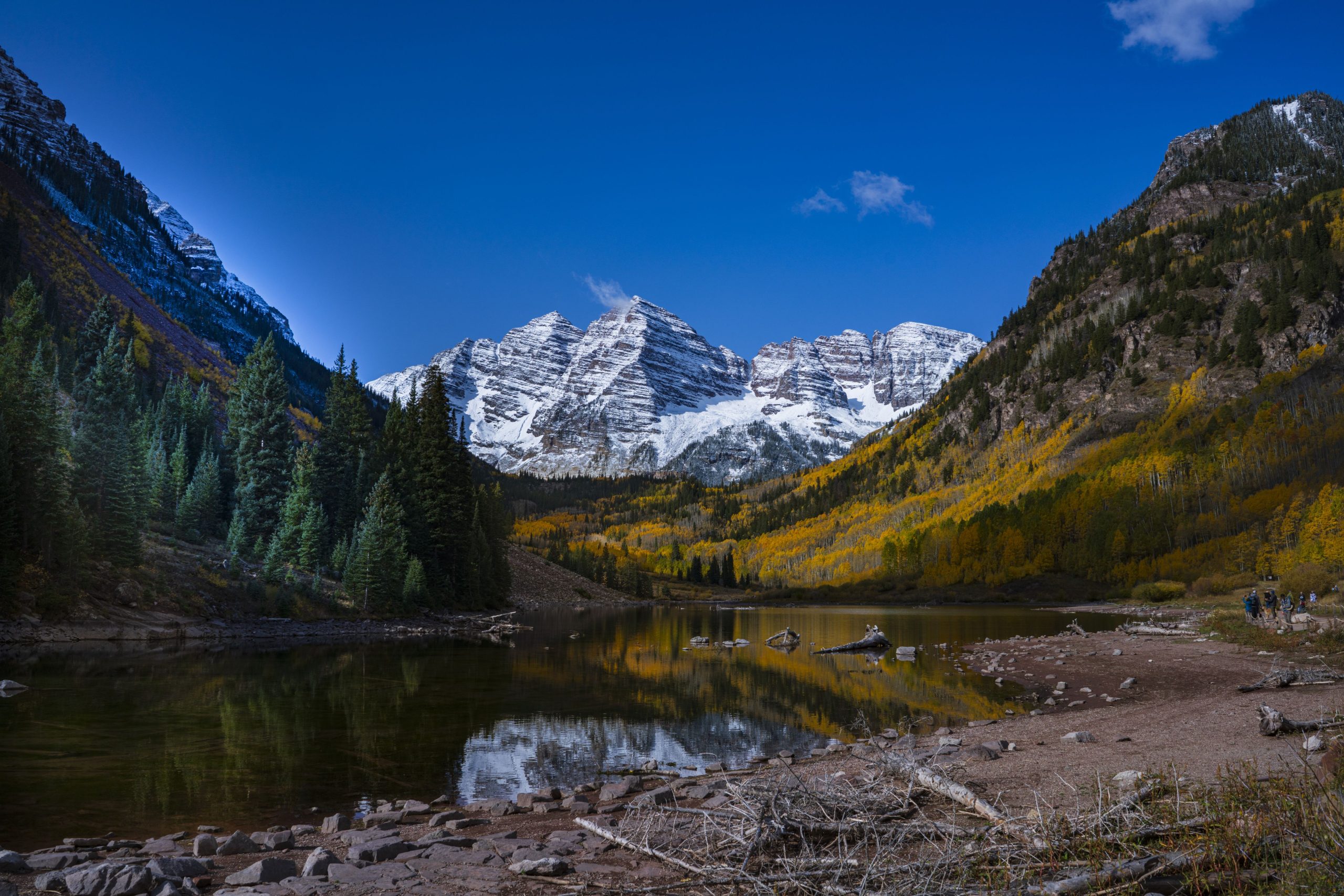
The transfer of management is confined to the designated scenic area, a comparatively small, developed site within the expansive White River National Forest and the adjacent wilderness. While the exact acreage Pitkin County will manage has been confirmed at roughly 1,300 acres, its symbolic significance far outweighs its physical size. County officials emphasize that preserving this iconic landscape transcends fears of privatization. "The reality right now is our public lands are in trouble, and there are a lot of good counties out there that want to help," Tennenbaum added, framing the county’s action as a necessary step to protect a national treasure.
This management transfer could also serve as the first high-profile test of the Forest Service’s recently updated National Environmental Policy Act (NEPA) rules. Effective since April, these revised rules controversially permit public-lands agencies to approve certain actions, known as "categorical exclusions," without the customary public input or a formal written finding. Historically, categorical exclusions have been reserved for minor, low-impact decisions, such as repainting buildings or temporary road closures. The notion that such a significant management shift could be fast-tracked under this provision has drawn sharp criticism. Mark Squillace, a professor of natural resource law at the University of Colorado Law School, called the Forest Service’s attempt to lawfully categorically exclude this proposal "laughable," arguing that it extends far beyond the intended scope of exclusions. Following public backlash, the Forest Service did add a 15-day comment period, which concluded on October 9. In a written response, Forest Supervisor Glaspell maintained that issuing the permit does not constitute a "wholesale transfer" of management but rather an "authorization to conduct activities in a specified manner."
A critical concern raised by the potential for such transfers is the stark economic disparity among counties. Pitkin County, with its affluent tax base stemming from the world-renowned ski destination of Aspen, possesses the financial capacity to absorb the costs of facility and land management, including addressing years of deferred maintenance. However, many other counties across the nation simply lack the resources to undertake such responsibilities, creating a potentially inequitable system where only wealthy regions can preserve their local natural assets. Squillace highlighted this risk, cautioning that "a concession for Pitkin County is a slippery slope that could lead the Forest Service to pursue agreements like this in many other national forests with public and private parties that may not have the resources or commitment that Pitkin County brings to the table."
The implications extend beyond local economics. Weiss warned that such transfers could become increasingly common in states like Utah, which have long signaled a willingness to privatize federal lands. "If you can do that at the Maroon Bells, at one of the most iconic hikes in the state of Colorado, why not anything else?" he posed, underscoring the broader threat to the integrity of the national forest system. This isn’t the first time federal land managers have sought alternative solutions for under-resourced sites. In 2024, the Forest Service proposed a similar arrangement at Sweetwater Lake, also within the White River National Forest, where the state of Colorado took over management of 840 acres, effectively operating it as a state park. However, that agreement involved a comprehensive environmental impact statement with a public scoping period, a stark contrast to the categorical exclusion approach at Maroon Bells. The Forest Service has not elaborated on the differing approaches between the two cases.
Critics further worry that the Maroon Bells handoff could enable the county to levy fee increases that bypass federal processes. While the Federal Lands Recreation Enhancement Act permits federal agencies to enter concession contracts for services on public land, it explicitly prohibits delegating core management responsibility to concessionaires. Squillace voiced concern that "the line between providing services and exercising management responsibility is pretty thin," potentially blurring the boundaries of federal oversight and public accountability.
This trend of shifting management responsibilities raises the specter of a "Pandora’s box" scenario, where public recreation sites are increasingly compelled to become self-sustaining, potentially creating incentives for resource extraction to maximize profits on federally managed lands. At Maroon Bells, the transfer will indeed lead to price increases: vehicle entrance fees will jump from $10 to $30, and camping fees will rise from $15 to $33, though shuttle fares will remain unchanged. Tennenbaum noted that these prices have not been adjusted since 1997, and the increases merely align them with similar recreational areas. Crucially, all generated revenue will flow into a dedicated fund specifically earmarked for the area’s management and upkeep, a critical distinction from a private concessionaire model where profits might be diverted.
The Forest Service has committed to considering all public comments before formally signing the categorical exclusion. The permit also requires final approval from both the agency and the Department of Agriculture. If approved, Pitkin County will commence its management for the 2027 season under a five-year permit, with an option for a five-year renewal. Despite the immediate relief provided by local intervention, the underlying issue of federal funding for public lands remains unresolved. Tennenbaum expressed a broader hope: "Hopefully, we can get a national reckoning, and we can get funding allocated to manage our public lands. Hopefully, that happens. And we would happily give it back." This statement encapsulates the profound national challenge at the heart of the Maroon Bells transfer, highlighting the precarious future of America’s cherished public lands in an era of dwindling federal support and increasing local responsibility.