Johny Prima
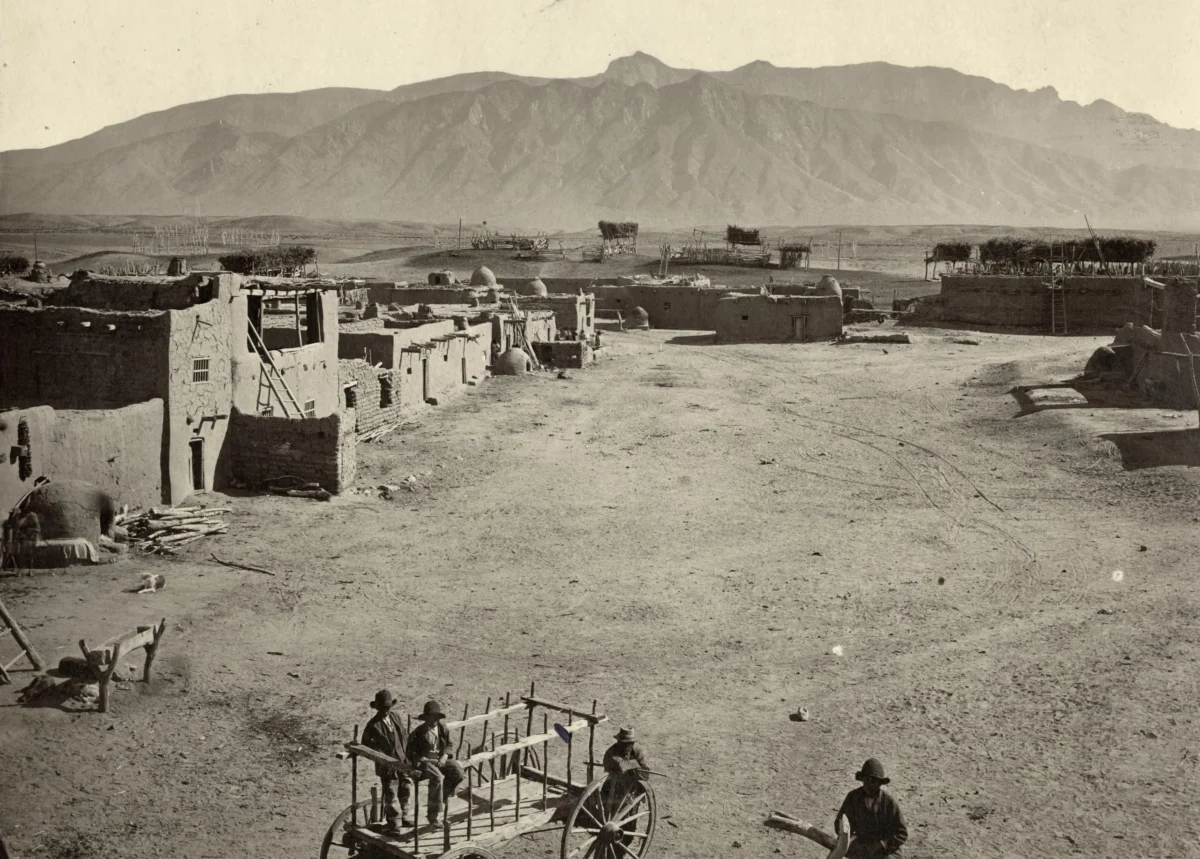
This profound plea is rooted in centuries of history, beginning with the original land grants meticulously issued by the King of Spain in 1748. These grants recognized the Pueblo’s extensive domain, clearly defining its eastern boundary at the "main ridge" of the mountain. This recognition was later affirmed by the U.S. Congress in 1858, following the Treaty of Guadalupe Hidalgo. This landmark treaty, which concluded the Mexican-American War and reshaped the geopolitical landscape of the American Southwest, ostensibly guaranteed property rights for Mexicans and Indigenous peoples in the vast territories ceded by Mexico. However, a hastily conducted 1859 survey, completed in a mere four days, arbitrarily redrew the Pueblo’s eastern boundary, shifting it from the natural, prominent ridgeline of Sandia Mountain to the foothills below. This egregious and unverified error unilaterally stripped the Pueblo of approximately 10,000 acres of ancestral land, a profound injustice that severed a vital connection to their sacred mountain and diminished their territorial integrity. The arbitrary boundary shift exemplified a broader pattern of federal policies that systematically dispossessed Indigenous nations of their ancestral territories, often in direct contravention of treaty obligations and historical agreements. This legacy of broken promises continues to impact tribal communities across the United States, highlighting the critical importance of rectifying past injustices and upholding the U.S. government’s trust responsibility to tribal nations.
For the Sandia people, the mountain transcends mere geography; it is a living entity, a sacred sanctuary that serves as their church, their unwavering protector, and the wellspring of their collective well-being. Its rugged slopes, deep canyons, and diverse forest ecosystems harbor irreplaceable wildlife and crucial ecological communities, including rare plant species and vital habitats for numerous animal populations. This deep-seated reverence for the land informs the Pueblo’s traditional ecological knowledge (TEK), a sophisticated understanding of their environment passed down through countless generations. This knowledge system, increasingly recognized by contemporary science, offers invaluable insights into sustainable resource management, biodiversity conservation, and ecosystem resilience, particularly crucial in the face of accelerating global climate change and its local manifestations, such as persistent drought and increased wildfire risk across the arid Southwest. Beyond its spiritual significance, Sandia Mountain offers unparalleled natural beauty and recreational opportunities, drawing hundreds of thousands of visitors annually who seek solace and adventure in its wilderness.
Decades of tireless advocacy, complex legal battles, and persistent negotiations culminated in the passage of the T’uf Shur Bien Preservation Trust Area Act in 2022. This federal legislation represented a critical, albeit incomplete, step toward rectifying the historical land loss, allowing Pueblo members "free and unrestricted access" to the designated area for traditional and cultural practices. The Act also explicitly protects private landowners situated within the claim area, upholds the wilderness character of the region in perpetuity, and prohibits destructive activities like logging, mining, and other forms of commercial development. While a significant achievement, the Act did not fully restore the land to Pueblo ownership or management, leaving it under the jurisdiction of the U.S. Forest Service (USFS) within the Department of Agriculture.
Despite the diligent efforts of local Forest Service personnel, who often operate with limited resources and face shifting political priorities, the T’uf Shur Bien Preservation Area continues to suffer from degradation. Evidence of neglect is visible in widespread litter, pervasive graffiti, broken fence lines, unauthorized trails, violations of occupancy rules, and a general disrespect for the environment and cultural integrity of the mountain. More alarmingly, the Pueblo has documented the destruction of ancient cultural sites and unchecked encroachment into sensitive ecological zones, areas the federal government committed to protect under the 2022 Act. The observed deterioration is not merely aesthetic; it represents a tangible threat to the mountain’s ecological integrity and the sanctity of Pueblo cultural practices. Illegal trails contribute to soil erosion and habitat fragmentation, while violations of occupancy rules disrupt wildlife and sacred ceremonies. Such persistent degradation underscores the limitations of distant federal management and highlights the imperative for local, culturally sensitive stewardship that only the Pueblo can provide.

The Pueblo of Sandia now formally requests that the U.S. Congress transfer these critical lands from the U.S. Forest Service to the Bureau of Indian Affairs (BIA) within the Department of the Interior. This proposed transfer would place the T’uf Shur Bien Preservation Area into tribal trust status, a foundational principle of U.S. federal Indian policy where the government holds land in trust for the benefit of a tribe. Such a move would empower the Pueblo, as a sovereign nation, to apply its millennia-old traditional ecological knowledge and management practices, which are intrinsically linked to its culture, traditions, and very way of life. This isn’t merely a bureaucratic shift; it represents a profound affirmation of tribal self-determination and the recognition that Indigenous peoples are often the most effective and responsible stewards of their ancestral territories.
Anticipating potential concerns and countering persistent disinformation that has circulated in some communities and media, the Pueblo of Sandia has undertaken an extensive outreach campaign, conducting over 75 meetings with lawmakers, neighboring communities, businesses, and the general public. They have unequivocally affirmed that this land transfer will not deny access to private landowners or responsible, respectful recreational users. Crucially, all authorized existing uses and activities, along with established public rights-of-way for roads and utility corridors, will remain intact. Visitors will continue to enjoy the breathtaking landscapes and recreational opportunities of Sandia Mountain, ensuring that the beauty and accessibility of the area are preserved for all. The Pueblo of Sandia has broken neither promises nor agreements in its long history and maintains this commitment moving forward.
Under the Pueblo’s direct management, Sandia Mountain would benefit from holistic, long-term strategies for environmental protection and cultural preservation. The Pueblo possesses an unparalleled understanding of the local ecosystem, honed over countless generations, enabling them to implement nuanced solutions for pressing challenges like catastrophic wildfire prevention and mitigation. This expertise is particularly vital in mitigating the escalating threat of wildfires, a growing concern across the arid Southwest. The Pueblo’s traditional fire management practices, which often involve strategic cultural burns and selective thinning, aim to mimic natural fire regimes, reduce fuel loads, and promote healthy forest ecosystems. These proactive measures stand as a powerful alternative to reactive firefighting, offering a more sustainable and effective approach to landscape resilience. Furthermore, the Pueblo’s governance would enhance intergovernmental coordination for emergency responses, public safety, and law enforcement within the area, providing local solutions and resources tailored to the unique cultural and physical landscape. This localized, culturally grounded approach stands in stark contrast to the often broad, top-down directives of federal agencies, promising a more effective and responsive management paradigm for the mountain’s future.
The preservation of Sandia Mountain, both for its profound religious and traditional meaning to the Pueblo and for its critical role in the health of the Middle Rio Grande Valley and future generations, is a shared imperative. The call from the Pueblo of Sandia resonates with a global movement of Indigenous peoples asserting their inherent rights to land, resources, and self-determination, recognizing that their traditional stewardship offers invaluable lessons for addressing the planet’s most urgent environmental crises. This endeavor by the Pueblo of Sandia is not an isolated incident but part of a burgeoning global movement where Indigenous communities worldwide are reclaiming their ancestral lands and asserting their inherent rights to self-determination and environmental stewardship. From the Amazon rainforest to the Arctic tundra, Indigenous peoples are demonstrating that their traditional ecological knowledge and time-honored practices offer critical solutions to the planet’s most pressing environmental challenges, including biodiversity loss, climate change adaptation, and sustainable resource management. By honoring the deepest connection to the land—a relationship forged over countless centuries—the U.S. Congress has an opportunity not only to right a historical wrong but also to champion a model of land management that prioritizes cultural heritage, ecological integrity, and the well-being of all who call this sacred landscape home. There is no entity with a longer, more consistent record of love and care for Sandia Mountain than the people of the Pueblo of Sandia.