Johny Prima
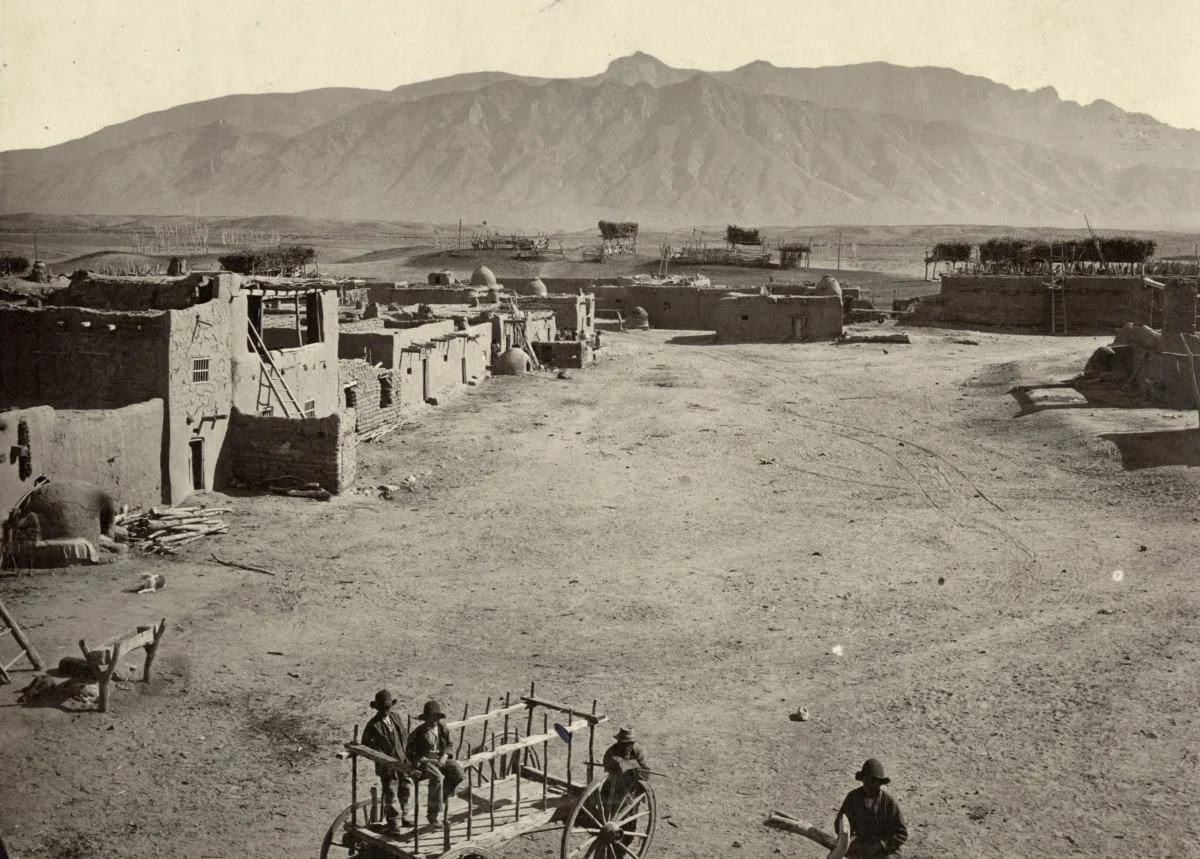
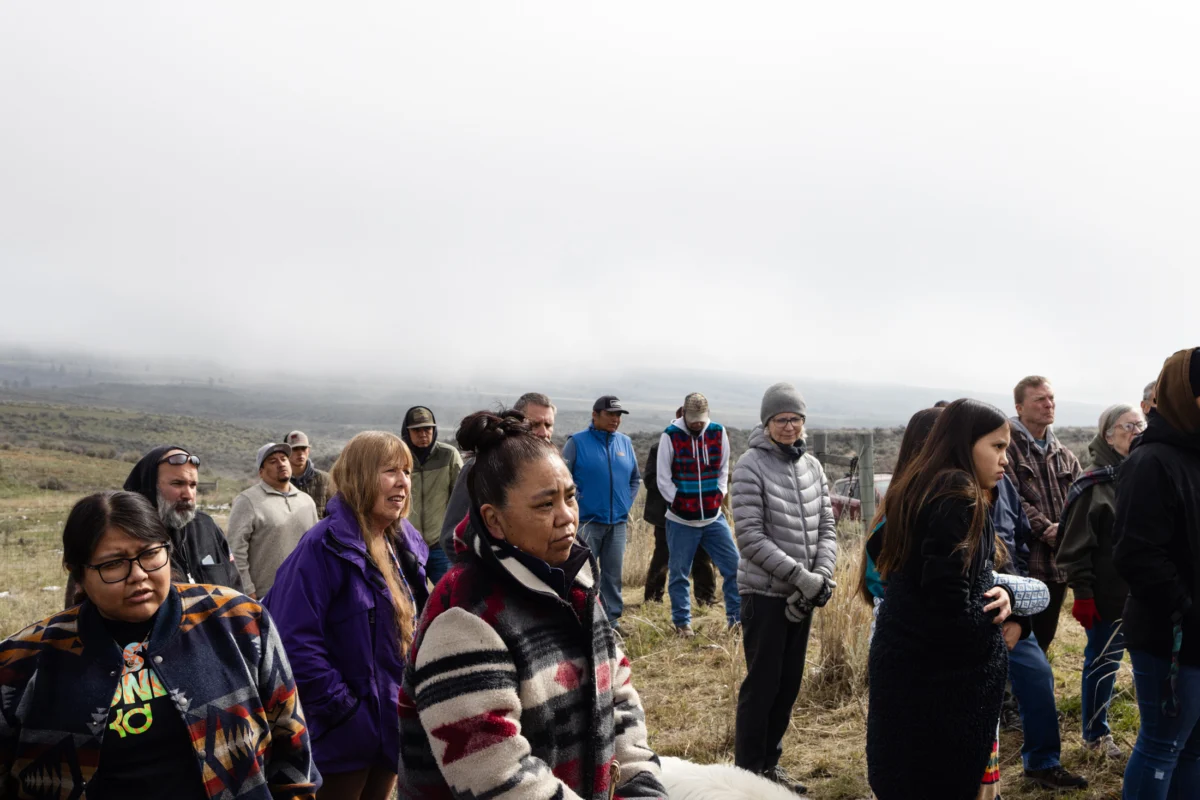
For countless generations, stretching back through millennia, the people of the Pueblo of Sandia have nurtured an unbroken, profound relationship with the majestic Sandia Mountain and the life-giving Rio Grande, within the lands now recognized as New Mexico. This enduring stewardship persisted even amidst the tumultuous epochs marked by incursions from Spanish, Mexican, and American colonial powers, during which the very existence and cultural continuity of the Pueblo faced grave threats. Throughout these challenging periods, the Pueblo steadfastly protected these ancestral lands and waters, grounding their efforts in a spiritual devotion that continuously prayed for the well-being of their communities and the expansive world around them.
Sandia Mountain, revered as sacred since time immemorial, transcends mere geological formation for the Pueblo; it embodies their spiritual sanctuary, their steadfast protector, and the indispensable source of their collective well-being. Beyond its profound cultural significance, the mountain also serves as a critical refuge for diverse wildlife and unique ecosystems, while simultaneously offering unparalleled natural beauty and recreational opportunities to hundreds of thousands of residents and visitors across the Middle Rio Grande Valley. In an era defined by rapid environmental shifts and unpredictable global challenges, the Pueblo of Sandia now urgently appeals to lawmakers and the broader public to honor their ancient culture, respect their invaluable traditional ecological knowledge, and recognize their inherent sovereignty. They seek crucial support for their concerted efforts to fortify the protection of Sandia Mountain, ensuring its resilience and preservation for future generations.
At the core of this imperative lies a specific legislative request: the transfer of lands within the T’uf Shur Bien Preservation Area from the administrative purview of the U.S. Forest Service, an agency under the U.S. Department of Agriculture, to the Bureau of Indian Affairs, situated within the Department of the Interior. This proposed transfer represents more than a bureaucratic reshuffling; it signifies a pivotal step towards rectifying historical injustices and empowering the Pueblo to enact a more effective, culturally resonant approach to land management. While acknowledging the dedicated efforts of local Forest Service employees who have strived to safeguard this special area through various political administrations, the Pueblo has consistently observed pervasive degradation. Visible signs of neglect include widespread litter and graffiti, persistent deferred maintenance, breached fence lines, proliferation of illegal trails, violations of occupancy rules, and a general decline attributed to disrespectful individuals who seemingly disregard both the sacred essence and natural beauty of Sandia Mountain. Moreover, the Pueblo has documented the alarming destruction of ancient cultural sites and unchecked encroachment into sensitive ecological zones—areas that the federal government formally committed to protect with the passage of the T’uf Shur Bien Preservation Trust Area Act in 2022.
This legislative milestone in 2022 was itself the culmination of decades of arduous legal battles, complex negotiations, and formal agreements. These efforts stemmed from the Pueblo’s persistent quest to reclaim access to lands originally granted to them by the King of Spain in 1748. This historical land grant was subsequently affirmed by the U.S. Congress in 1858 under the terms of the Treaty of Guadalupe Hidalgo, which concluded the Mexican-American War and significantly altered the geopolitical landscape of the American Southwest. The congressional confirmation of the Spanish grant explicitly designated the eastern boundary of the Pueblo’s ancestral territory as the “main ridge” of the mountain. However, a subsequent and notably hasty survey conducted in 1859, completed in a mere four days, arbitrarily delineated the boundary along the foothills near the Pueblo rather than adhering to the established main ridgeline of the Sandia Mountain area. This erroneous demarcation resulted in the unjust loss of approximately 10,000 acres from the Pueblo’s recognized land grant, a territorial diminution that has had lasting cultural, economic, and spiritual ramifications.

The T’uf Shur Bien Act of 2022 represented a crucial, albeit partial, attempt to rectify this historical dispossession, aiming to restore a measure of justice for the approximately 10,000 acres originally intended to extend to the Sandia Mountain ridgeline. The act enshrined several vital protections and rights, including granting tribal members “free and unrestricted access to the Area for traditional and cultural uses,” safeguarding private landowners residing within the claim area, perpetually defending the wilderness character of the region, and prohibiting detrimental activities such as logging, mining, and other forms of industrial development. While a significant step, the Pueblo asserts that full land transfer is essential for comprehensive, self-determined stewardship.
In advocating for the transfer of these lands from the USDA’s Forest Service to the Interior Department’s Bureau of Indian Affairs, the Pueblo of Sandia embarked on an extensive outreach campaign, conducting more than 75 meetings with a diverse array of stakeholders. This included engaging directly with lawmakers, neighboring communities, local businesses, and various community groups, all with the purpose of elucidating the profound importance of this proposed move for the Pueblo’s future and the mountain’s enduring health. As a sovereign nation, the Pueblo of Sandia emphasizes its unwavering commitment to upholding its promises and agreements, a track record of integrity that stands in stark contrast to the historical betrayals it has endured. Despite this, persistent disinformation continues to circulate within some media outlets and certain segments of the public, creating unwarranted apprehension.
The Pueblo of Sandia unequivocally states that it has no intention of denying access to legitimate private landowners or responsible, respectful recreational users. Should the land transfer proceed, all authorized existing uses and activities, alongside established public rights-of-way for roads and utility corridors, will remain fully intact. Visitors will continue to enjoy the natural splendor of the area. Crucially, the lands, waters, and diverse wildlife of Sandia Mountain will not only remain protected but will benefit from enhanced stewardship—a commitment extending both to the immediate future and to generations yet unborn. This approach reflects a global paradigm shift towards recognizing Indigenous communities as vital partners in conservation, leveraging their deep-rooted knowledge and historical connection to the land.
By assuming direct management of the T’uf Shur Bien Preservation Area, the Pueblo will be uniquely positioned to safeguard and perpetuate its rich culture, time-honored traditions, and distinctive way of life. This self-governance over ancestral lands is a fundamental aspect of tribal sovereignty, a principle increasingly recognized internationally as essential for the well-being and self-determination of Indigenous peoples. Furthermore, the Pueblo’s direct oversight will enable a more effective defense of the mountain against future development pressures, further environmental degradation, and the escalating threat of catastrophic wildfires, a concern magnified by climate change across the American West. Leveraging its deep traditional ecological knowledge, the Pueblo of Sandia can implement localized solutions, deploy indigenous resources, and devise strategies meticulously tailored to the unique cultural and physical landscape of this vital area. This proactive approach will also significantly facilitate intergovernmental coordination efforts, enhancing emergency responses, bolstering public safety measures, and strengthening law enforcement capabilities within the region.
Ultimately, the preservation of Sandia Mountain is not merely an environmental imperative but a spiritual and cultural one, inextricably linked to the Pueblo’s religious identity and traditional existence. The mountain must also be conserved and protected for the ecological health of the entire Middle Rio Grande Valley and for the benefit of all future inhabitants. There is no entity with a longer, more deeply ingrained record of love, care, and responsible stewardship for this sacred mountain than the Indigenous peoples who have called this land home for millennia. Their enduring presence and profound connection offer an unparalleled model for environmental guardianship in a world desperately seeking sustainable solutions.