Johny Prima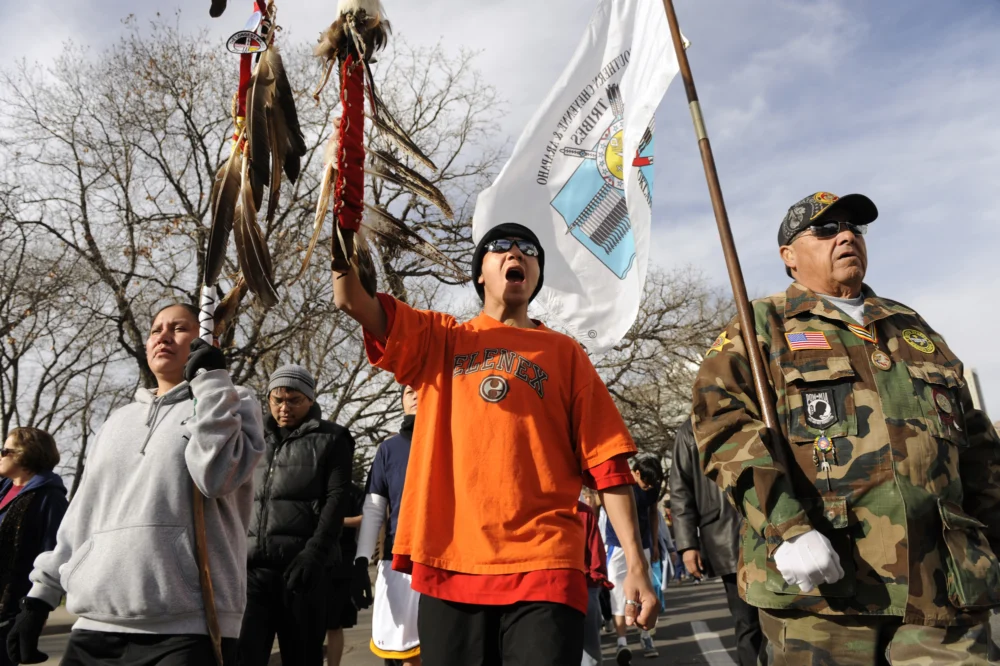
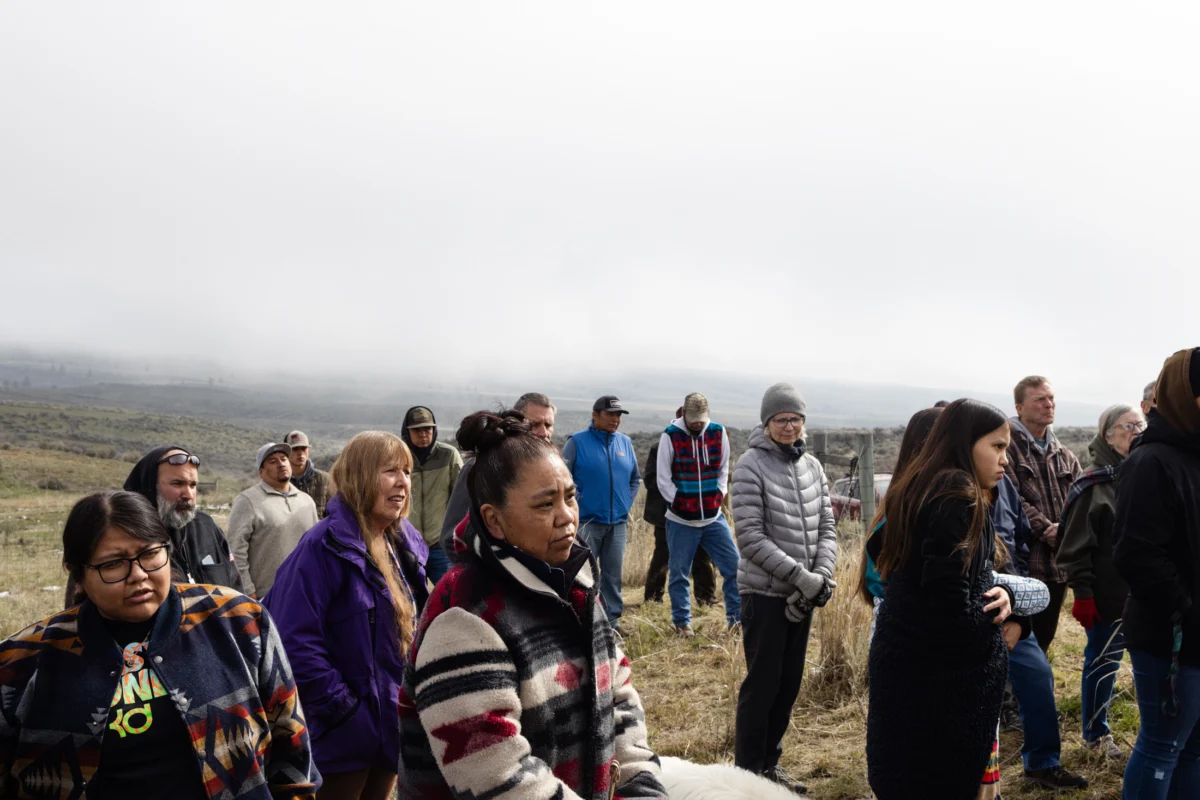
The enduring wounds of history demand active tending, a profound truth underscored annually as descendants of the Sand Creek Massacre conclude their poignant Spiritual Healing Run at the imposing steps of the Colorado State Capitol, a symbolic heart of state governance. For these communities, and for many who recognize the profound scars of injustice, the empty pedestal on the Capitol’s west plaza represents not just a vacant space, but a powerful reminder that Colorado’s most critical stride towards genuine reconciliation still awaits. It is a future step, embodied by the forthcoming "Peace Keepers" memorial, that promises to transform a site of historical denial into a beacon of truth and remembrance.
The tragic events of November 29, 1864, forever etched a dark chapter into American history. On that fateful day, a peaceful encampment of Cheyenne and Arapaho people, who had been explicitly assured of U.S. military protection and were flying both an American flag and a white flag of truce, suffered a brutal assault. Colonel John Chivington’s troops, ostensibly part of the Colorado Territorial Militia, descended upon the unsuspecting village near Big Sandy Creek, unleashing an unprovoked slaughter that claimed more than 200 lives, predominantly women, children, and elders. This act of betrayal, an egregious violation of trust and human decency, resonated with a profound trauma that would echo across generations. Despite swift and unequivocal condemnations from both military and congressional investigations, which officially denounced the event as a massacre, a disturbing narrative persisted for decades within Colorado, celebrating the atrocity as a legitimate victory.
This deeply flawed narrative found its physical manifestation in a plaque on the Capitol grounds, which incongruously listed Sand Creek among Colorado’s Civil War battles, whitewashing the massacre into a heroic skirmish. That monument, a testament to a convenient but false history, has since been removed, clearing the way for a more truthful and honorific replacement. The "Peace Keepers" memorial, envisioned as a powerful bronze sculpture, will stand as a permanent tribute to the courageous, peaceful Cheyenne and Arapaho leaders—figures like Chief Black Kettle and Chief Left Hand—who steadfastly clung to the promise of peace until their final breaths, and to survivors like Medicine Woman, who endured the massacre with eight bullet wounds. These individuals represent the unwavering spirit of humanity in the face of unimaginable violence, a testament to resilience and a commitment to coexistence that was tragically met with treachery.

In 2025, the Colorado Legislature and Governor Jared Polis took a momentous and essential step, unanimously endorsing this monument. This legislative action signifies a critical turning point, affirming that the truth about Sand Creek can no longer be suppressed or distorted. It is a historic act of remembrance, a public acknowledgment of institutional betrayals, and a profound governmental commitment to honoring the innocent lives lost. However, while acknowledgment is crucial, the true and more arduous work of healing remains.
Healing, in the context of such profound historical trauma, is not about erasing the past or achieving a superficial, comfortable closure. It is about a deep, continuous recognition that the impact of trauma is not confined to a distant past; it lives on, profoundly shaping the lives of the Cheyenne and Arapaho peoples today. The "Peace Keepers" memorial, therefore, transcends the mere function of a statue; it is intended to be a sacred space, a focal point for all Coloradans to confront this enduring trauma, to understand its complex legacy, and to begin the essential process of repairing the foundational trust of the state. This initiative resonates with broader global efforts towards truth and reconciliation, from the Truth and Reconciliation Commission in post-apartheid South Africa to the ongoing acknowledgment of injustices against Indigenous peoples in Canada and Australia, demonstrating a shared understanding that societal harmony cannot flourish without confronting historical wrongs.
The history of Sand Creek serves as a potent and immediate cautionary tale for our current global moment. The massacre itself was not an isolated incident but the culmination of a toxic brew of fear, widespread hysteria, and a deliberate rejection of conscience. Chivington’s brutal attack was actively fueled by influential politicians and a sensationalist press that systematically dehumanized the Indigenous tribes, effectively replacing diplomatic engagement and reasoned discourse with brute force and tre calculated treachery. This historical context reveals how easily societies can descend into violence when fear mongering and prejudice are allowed to fester.
Today, across many nations, we witness echoes of these same dangerous conditions in national and international discourse: rampant political polarization, the strategic dissemination of fear and disinformation through various media channels, and the increasing temptation to demonize political opponents as existential enemies to be vanquished rather than fellow citizens with whom to negotiate. When societies allow dialogue to be supplanted by demagoguery, and diplomacy to be dismissed in favor of aggressive posturing, they are, consciously or unconsciously, laying the very groundwork that enabled atrocities like the Sand Creek Massacre to occur. This historical parallel underscores the fragility of peace and the constant vigilance required to uphold democratic values and human rights.

The compelling narrative of the "Peace Keepers" chiefs offers a powerful counter-narrative, reminding us that even in the face of violent dehumanization and existential threats, they, the Cheyenne and Arapaho leaders, chose peace. Their profound sacrifice stands as an enduring call to action for all of us, urging individuals and leaders alike to champion humanity, truth, and genuine dialogue, especially when the national or global atmosphere tempts us toward anger, division, and tribalism. Their example illustrates the enduring power of moral courage and the necessity of upholding ethical principles even under extreme duress.
The commitment to this reconciliation effort faces a tangible deadline. The "Peace Keepers" memorial is slated for dedication on November 29, 2026, a date intentionally chosen to coincide with Colorado’s 150th anniversary of statehood. This convergence presents Colorado with a unique and powerful opportunity to declare, at the highest echelons of government and public consciousness, what kind of history it chooses to commemorate and what kind of future its citizens are committed to building. It is a chance to redefine its identity, moving from a past marred by violence and denial to a future founded on truth, respect, and mutual understanding.
The Sand Creek Massacre Memorial Committee is working diligently to secure the final funds necessary for the bronze casting and installation of this pivotal memorial. Their efforts have been significantly bolstered by a generous matching gift, a clear indication that the wider community is ready and willing to stand in solidarity with this crucial endeavor. Should the pedestal remain empty for another year, it would signal that Colorado’s commitment to historical truth and genuine reconciliation is merely theoretical, a performative gesture rather than a deeply held conviction. By actively supporting the completion of the "Peace Keepers" memorial now, Coloradans collectively declare that healing is not just a concept, but an urgent, tangible priority. They choose to fill the void of a false, violent past with a permanent, visible testament to the courage, the unwavering commitment to peace, and the enduring human spirit of the Cheyenne and Arapaho people. This decision is not just about honoring the past; it is an essential investment in the future health, integrity, and profound healing of the state of Colorado.