Johny Prima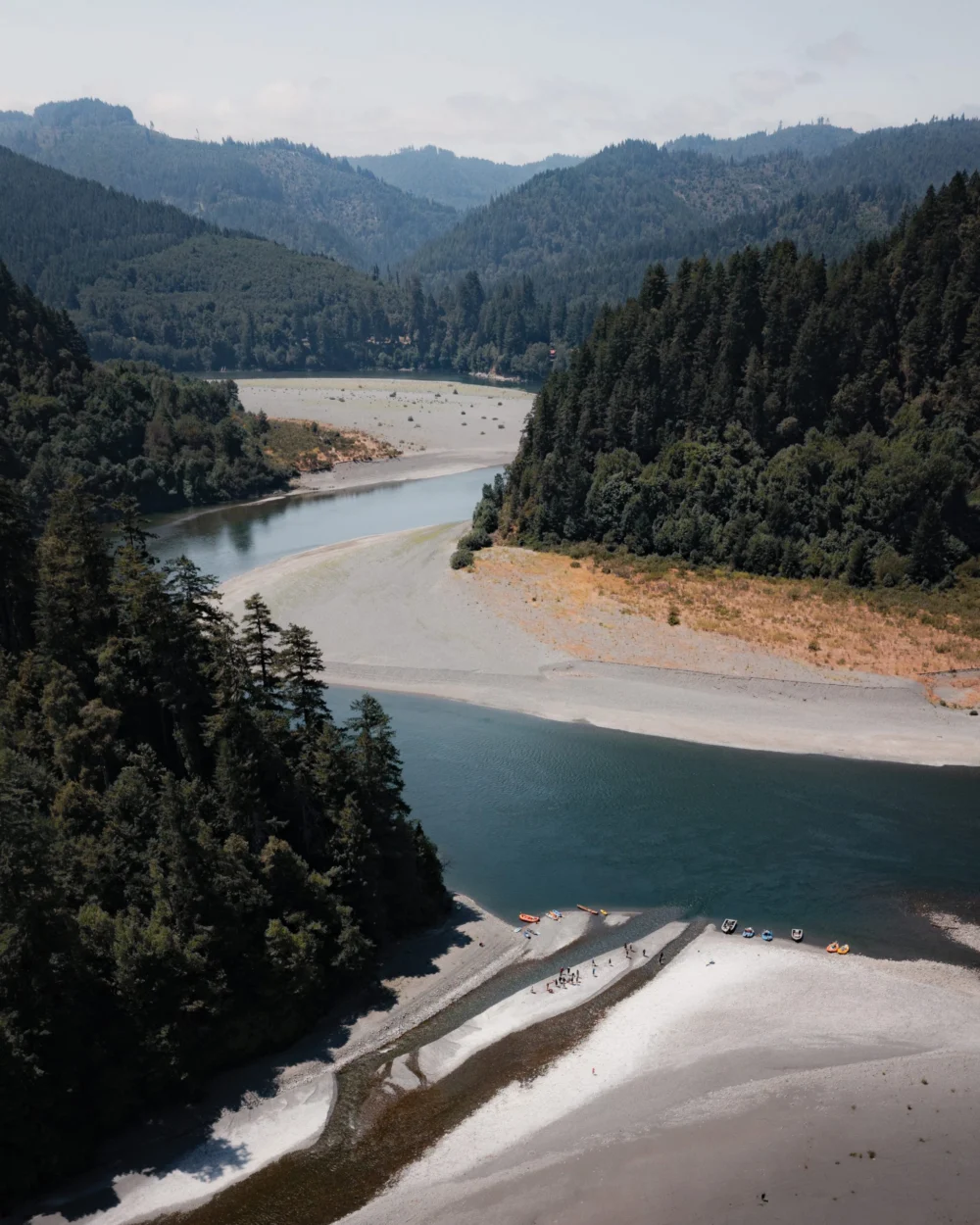
The crystalline waters of Blue Creek, a vital sanctuary for Pacific salmon and a sacred artery for the Yurok Tribe, carve their path through ancient bedrock and over smooth, grey stones before merging with the mighty Klamath River in Northern California. Last summer marked a pivotal moment in the ongoing journey toward indigenous land restoration, as 14,000 acres encompassing the entire Blue Creek watershed were formally returned to the Yurok Tribe. This momentous transfer culminated the final phase of what stands as the largest tribal land return in California’s history, totaling an impressive 47,100 acres of ancestral territory previously managed by timber companies. This twenty-three-year endeavor, a testament to enduring partnership and perseverance, was meticulously facilitated by the Western Rivers Conservancy, which systematically acquired the land in phases before transferring stewardship to the Yurok Tribe. The successful return dramatically expands the tribe’s current landholdings, more than doubling their ancestral territory, a significant step toward reversing the historical dispossession that saw the Yurok people lose over 90% of their traditional lands to colonial expansion.
"The impact of this project is enormous," affirmed Yurok Tribal Chairman Joseph L. James, encapsulating the profound significance of the achievement. "We are forging a sustainable future for the fish, forests, and our people that honors both ecological integrity and our cultural heritage." This statement underscores not only the reclamation of physical land but also the revitalization of traditional ecological knowledge and stewardship practices that are intrinsically linked to the health of the ecosystem and the well-being of the Yurok community. The return of Blue Creek is more than a land transfer; it represents a commitment to holistic environmental management, cultural resilience, and the exercise of self-determination.
The Blue Creek land return is emblematic of a broader, accelerating movement across the Western United States, where tribal nations are actively reclaiming their ancestral territories. In recent years, a shifting political landscape, particularly at the federal level, has magnified the critical role of state governments in advancing the objectives of the LandBack movement. California, for instance, has emerged as a leading proponent, providing substantial financial backing for approximately 32,000 acres of land returned to four tribal nations across the state within the last year alone, including the monumental Blue Creek transfer. This state-level engagement offers a crucial pathway for reconciliation and restorative justice, often filling gaps where federal progress might stall.

California Governor Gavin Newsom articulated the state’s rationale, stating, "Restoring tribal lands is an acknowledgment of a harmful history of dispossession, a demonstration of accountability, and a commitment to a better future. We will not forget our dark past, but we can write a brighter future by healing deep wounds and rebuilding trust across California." This sentiment reflects a growing recognition within governmental spheres of the historical injustices perpetrated against Indigenous peoples and the imperative for contemporary action to rectify these wrongs. The state’s support for land returns is not solely rooted in historical atonement; it also aligns strategically with California’s ambitious environmental agenda, including Governor Newsom’s landmark 2019 acknowledgement and apology for historical wrongdoings and the state’s commitment to protect 30% of its land and coastal waters for conservation by 2030. Tribal stewardship, often guided by millennia of traditional ecological knowledge, is increasingly recognized as a powerful tool for achieving biodiversity protection, wildfire resilience, and climate change mitigation goals.
Beyond the Yurok Tribe, California has facilitated several other significant land returns. In a move lauded by conservationists and tribal leaders alike, nearly 900 acres bordering the iconic Yosemite National Park were returned to the Southern Sierra Miwuk Tribe in December. This transfer restores a vital piece of ancestral homeland, allowing the Miwuk people to reconnect with culturally significant sites and apply their traditional land management practices to a globally renowned ecosystem. Similarly, in October, the Tule River Indian Tribe reclaimed 17,030 acres in the Central Valley, where they are actively collaborating with the state to reintroduce native tule elk populations, a crucial step in restoring ecological balance and cultural heritage to the landscape. Further demonstrating this commitment, the state approved financial support in November to assist the Washoe Tribe of Nevada and California in reacquiring 10,274 acres of former ranchland in the Northern Sierra Nevada. "Wá•šiw people were once forcefully removed from these lands," remarked Tribal Chairman Serrell Smokey, highlighting the painful history of displacement. "Now the land is calling the Washoe people home, and we are answering that call." These actions collectively represent a significant shift in land tenure and management, moving towards a future where Indigenous sovereignty and environmental stewardship are intertwined.
The momentum of the LandBack movement extends far beyond California’s borders, resonating across the wider American West and influencing tribal nations’ efforts to regain control over their homelands. In North Dakota, the Spirit Lake Nation celebrated the return of 680 acres located within the White Horse Hill National Game Preserve. Since the 1950s, the U.S. Fish and Wildlife Service had utilized this property primarily for hay production to sustain buffalo populations at White Horse Hill, though this practice had ceased over the past decade. The returned land, situated entirely within the reservation’s original boundaries, harbors a rich diversity of native plants that the tribe is committed to preserving, while also exploring avenues for sustainable economic development that align with their cultural values and environmental goals.
Further north, the NANA Regional Corporation, an Alaska Native corporation representing 11 villages across Northwest Alaska, received nearly 28,000 acres from the Department of the Interior. While Interior Secretary Doug Burgum commented on the potential for furthering resource development in Alaska, this specific land transfer is a continuation of the complex, decades-long process initiated by the Alaska Native Claims Settlement Act (ANCSA) of 1971. ANCSA, a landmark piece of legislation, sought to resolve aboriginal land claims in Alaska by granting Indigenous corporations title to millions of acres and monetary compensation. Since its enactment, over 700,000 acres have been transferred to Alaska Natives, a process that continues to unfold as land entitlements are finalized and conveyed. In a related development, President Donald Trump also signed the Alaska Native Village Municipal Lands Restoration Act, which eliminated a requirement for certain lands to be held in trust by the state government for future village corporations. This change allows previously unused land, for which no new village corporations have been established in decades, to be directly utilized by existing village corporations, streamlining the management and development of these ancestral assets. These diverse examples underscore the varied legal and historical pathways through which Indigenous land rights are being affirmed across the continent.

Fundamentally, the LandBack movement transcends the mere physical return of territory; it is profoundly about preserving and revitalizing places that hold immense historical, cultural, and spiritual significance for Indigenous communities, ensuring their traditional stewardship for future generations. This vital aspect of the movement often places tribes and their allies in direct opposition to powerful extractive industries. Even as calls for increased domestic energy and resource development persist, especially from certain political factions, Indigenous nations in regions like the Southwest continue their unwavering efforts to protect sacred areas from industrial exploitation.
The struggle to protect sacred sites is vividly illustrated by the ongoing plight of Oak Flat, an area deeply revered by the San Carlos Apache Tribe of southern Arizona. This ancestral land remains under existential threat from a proposed large-scale copper-mining operation, a project that many fear would irreparably desecrate their spiritual heritage and deplete vital water resources in an arid region. Newly elected Representative Adelita Grijalva has taken up this critical cause, introducing the "Save Oak Flat from Foreign Mining Act" as her inaugural piece of legislation. This proposed bill, previously championed by her late father, Raύl Grijalva, aims to repeal a controversial land swap that would transfer federal land to foreign mining corporations intent on extracting copper and other minerals from the site. Earlier this year, the U.S. Supreme Court declined to hear a case brought by the nonprofit advocacy group Apache Stronghold, which argued that the land transfer violated Indigenous religious rights and treaty obligations, leaving the fate of Oak Flat precariously balanced.
Concurrently, New Mexico Pueblo tribal leaders are steadfast in their efforts to preserve Chaco Canyon, a UNESCO World Heritage Site and a profound cultural landscape, from further encroaching gas and oil development. The Biden administration had previously enacted a 10-mile buffer zone around Chaco Culture National Historical Park, prohibiting new oil and gas leasing and development within this sensitive area. However, the Navajo Nation subsequently filed a lawsuit against the federal government earlier this year, asserting that the Biden administration failed to conduct proper tribal consultation and arguing that the buffer zone should be revoked due to its negative economic impact on local residents who depend on oil and gas royalties from the surrounding region. Despite this legal challenge, New Mexico federal legislators, urging the Interior Secretary to prioritize robust tribal consultation and community outreach, reintroduced legislation to make the Chaco Canyon buffer zone permanent. Compounding the uncertainty, the federal government is now reportedly considering a full revocation of the protective buffer, highlighting the persistent challenges and complex negotiations involved in safeguarding culturally significant landscapes against the pressures of resource extraction. These ongoing battles underscore the enduring commitment of Indigenous peoples to protect their ancestral lands and cultural heritage, even as they navigate a complex web of legal, economic, and political forces.