Rocky Gerung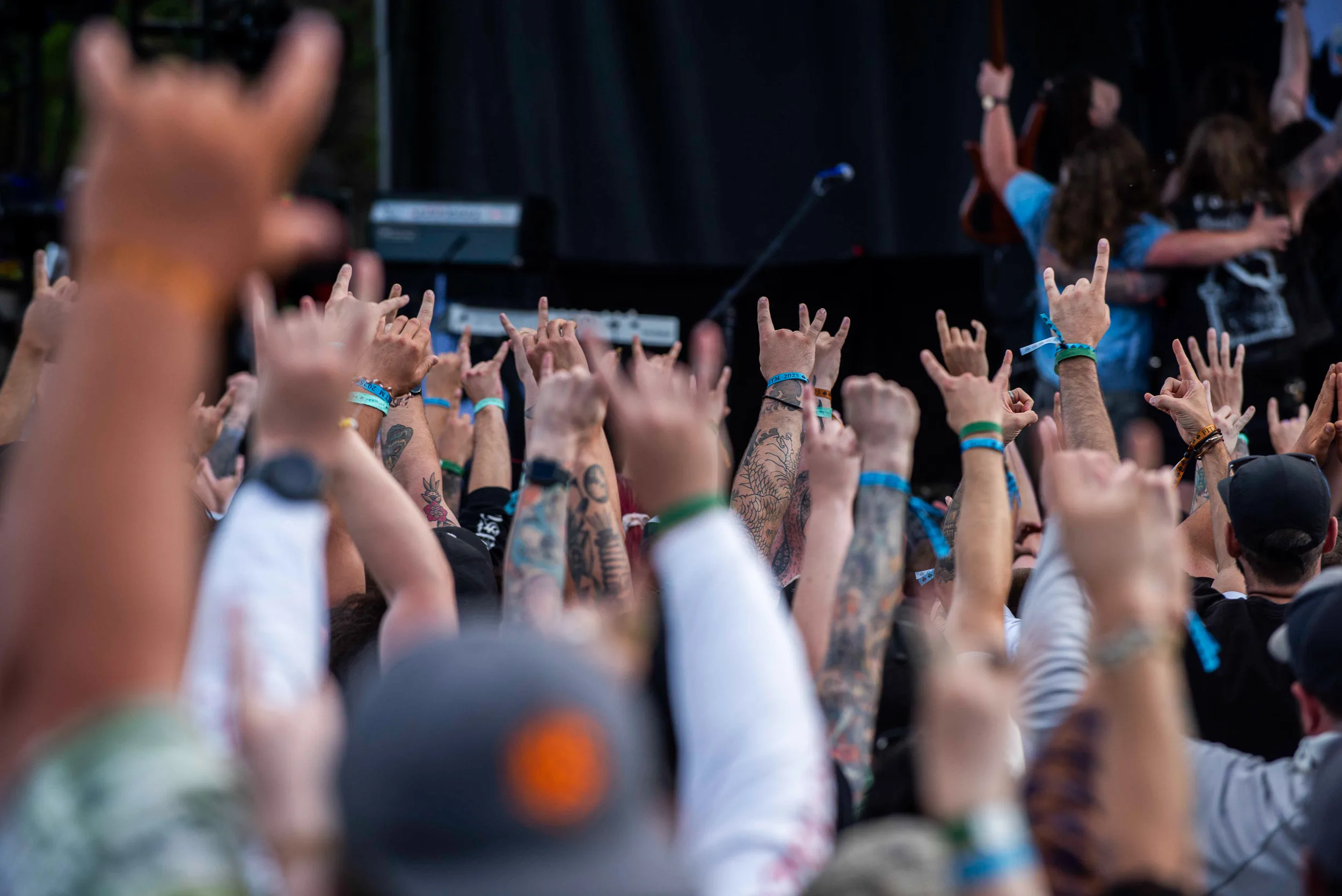
A profound connection between Indigenous youth and the powerful, cathartic world of heavy metal music is at the heart of a groundbreaking initiative and a vibrant festival taking place in Browning, Montana. This story delves into the unexpected therapeutic power of genres like hardcore and heavy metal, particularly for young people grappling with immense societal pressures and the pervasive threat of suicide within Indigenous communities. What began as a journalistic quest to understand a perceived affinity for loud, aggressive music among Native Americans evolved into a deeply human exploration of resilience, community, and the healing potential of art.
The journey to uncover this story was not without its detours, initially seeking out Indigenous metal enthusiasts on tour with the Native black metal band Blackbraid. However, the band’s understandable request for privacy during their tour meant the journalist had to seek a different avenue. The opportunity arose through a connection with musician Steve Von Till, who introduced the writer to educators at Buffalo Hide Academy in Browning, Montana. This academy was embarking on an ambitious first-year program, introducing Piikunii teenagers to the world of hardcore and heavy metal music, a curriculum designed not just for musical appreciation but as a vital tool for mental well-being. The academy’s commitment extended to organizing the "Fire in the Mountains" festival and even creating internships for students to gain hands-on experience managing the event, all aimed at supporting Indigenous teens facing critical mental health challenges, including suicidal distress.
The personal resonance of the issue of suicide for the journalist fueled a desire to contribute to encouraging these young individuals to persevere. The prospect of visiting the classroom and witnessing the students’ engagement with heavy music, coupled with the anticipation of attending the festival, offered a concentrated gathering of Indigenous metal fans that had been the initial goal. The "Fire in the Mountains" festival proved to be an exhilarating, albeit demanding, reporting experience. Long, hot days, sometimes stretching to fourteen hours, were filled with a multitude of interviews and the vibrant energy of live performances. Despite the intensity, the opportunity to witness incredible bands, though some sets were missed due to exhaustion and interview commitments, was a significant reward.

The initial approach involved directly engaging with festival-goers, asking the straightforward question: "Hey, are you an Indigenous metalhead? Can I interview you for a magazine?" The overwhelming openness and willingness of individuals to share their personal stories, even when discussing the profound impact of suicide on their lives, friends, and families, was deeply moving. These were not just abstract statistics; they were tender narratives of grief, resilience, and the life-saving power of music. Between sets, the journalist sought out Indigenous musicians, some already admired, others newly discovered, to capture their perspectives. Morning conversations over breakfast at the Two Medicine Grill in East Glacier Park, with photographer Russel Daniels, further broadened the understanding, drawing insights from locals and fellow attendees who had converged on the small Montana town for the weekend’s sonic celebration. The sheer volume of compelling material gathered presented a significant editorial challenge, a testament to the richness of the experience.
The editorial process for this story proved to be an intricate undertaking. Initial plans to include detailed suicide statistics were ultimately set aside, as a purely analytical or clinical approach felt discordant with the raw, human emotion at the story’s core; these young people were far more than numbers. In contrast, a panel discussion held lakeside, where musicians eloquently articulated how heavy music had positively impacted their lives, offered a wealth of moving, insightful, and humorously delivered commentary. The challenge lay in selecting only a few poignant quotes from a transcript brimming with illuminating perspectives.
During this panel, Ivar Bjørnson of the band Enslaved offered a powerful observation on the prevailing atmosphere of suspicion and fear in contemporary society, contrasting it with the welcoming ethos he perceived within the metal community. He noted the common online sentiment of preferring to encounter a bear in the woods over a stranger, a stark comparison he found "fucking horrible." Bjørnson envisioned a more positive interaction, suggesting, "It should be like the metal community. It should be like ‘Oh, a human, awesome. Let’s explore (our) backgrounds and learn something.’" Chelsea Wolfe also contributed valuable insights into the detrimental effects of Western cultural norms and underscored the importance of allowing oneself to experience and express grief.
An earlier draft considered including a scene depicting a listening party held on a hillside with a panoramic view. Here, hundreds of metalheads gathered amidst tall grass to be among the first to hear the new album Blackbraid III before its official release, engaging in a Q&A session with frontman Jon Krieger afterward. A brief mention of the catering company, Region Sauvage, which served barbecued ducks and buffalo for ticketed lunches, also highlighted a significant detail. Chef Thomas Fitzgerald of Region Sauvage remarked on his meat choices, stating, "we’re not a cattle country," a quote that resonated deeply and offered a potent commentary on regional identity and sustainability. However, editorial decisions necessitated staying focused on the central themes of the story, leaving some compelling tangential elements on the cutting-room floor to make space for other crucial narratives.

The story also incorporates a dramatic thunderstorm that briefly disrupted the festival, sending fans scrambling for shelter, with a playful, off-the-record suggestion that the event might have been influenced by the "ghost of Ozzy Osbourne." Ultimately, the most vital element of the narrative centers on the authentic voices of students and Native metal fans, sharing their profound thoughts on the genre, its associated culture, and its role in suicide prevention efforts.
Quoting the students presented a delicate ethical consideration, prompting research into reporting standards for minors experiencing trauma. The decision was made to prioritize safety and ethical representation by anonymizing their contributions. This approach allowed for genuine answers to the initial question: "Why do Natives like metal so much?" While a more straightforward, perhaps expected, response might have been a direct indictment of colonization, the actual findings offered a spectrum of nuanced and thought-provoking theories. These insights, articulated with a surprising eloquence despite their casual, rock-and-roll vernacular, challenged preconceptions and provided an invaluable educational experience for both the journalist and the reader.
The overwhelming feeling of hope and connection experienced at the festival profoundly impacted the journalist. The immediate aftermath saw a rapid outpouring of words, with the first draft taking shape over several sleepless days and nights. Moments of bleary-eyed writing were interspersed with walks to process the unexpectedly transcendent experience and to formulate ways to convey the potent emotion to readers. This publication represents a deeply personal endeavor, an effort to share a story that resonates profoundly with the author’s heart.
For those interested in supporting the initiative, the Firekeeper Alliance offers various avenues for engagement, including donations, social media following, and the purchase of merchandise. Those with an inclination towards metal or hardcore music, or even just a curiosity about its power, are encouraged to secure tickets for the upcoming summer festival. The hope is that the experiences shared within this article will resonate with readers, fostering a deeper understanding of the vital role music can play in healing and community building within Indigenous youth.