Rocky Gerung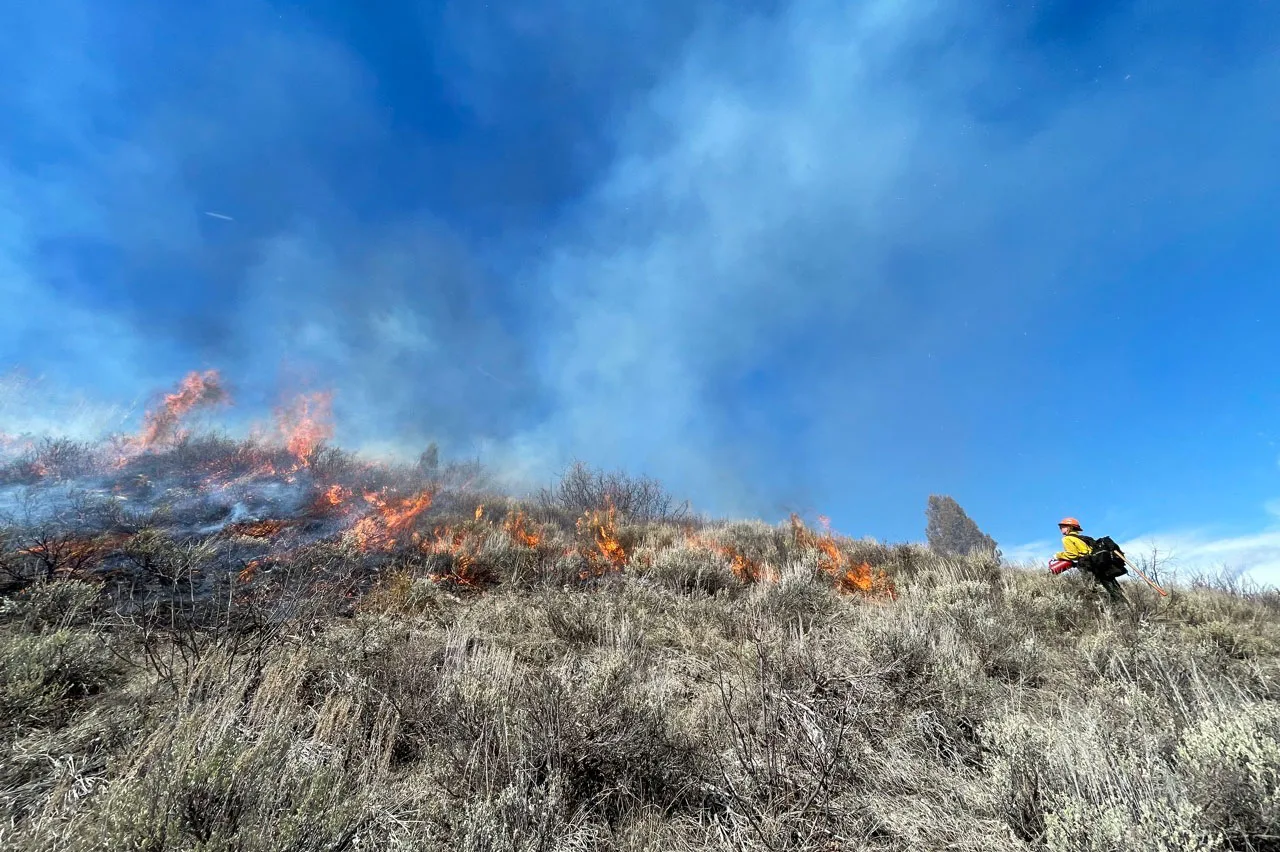
The dynamic transition from winter to spring across the American West often brings a capricious climate, oscillating between snow and rain and unseasonably warm sunshine, but this year, the landscape is also marked by periodic plumes of smoke. Land managers are strategically employing controlled burns, known as prescribed fires, during this crucial seasonal window for a multitude of ecological and safety-related reasons. These intentional ignitions are designed to reduce the build-up of hazardous vegetation that could fuel larger wildfires, promote the growth of fire-dependent plant species crucial for wildlife, and restore natural ecological processes to landscapes that have historically thrived with periodic fire. Agencies, tribal nations, and environmental organizations are leveraging the typically moist and cooler conditions of late winter and early spring to meticulously manage large tracts of forests and grasslands. Despite significant portions of the region grappling with an unusually dry season, these dedicated professionals are finding innovative ways to continue this essential work, underscoring the urgent need for increased prescribed and cultural burning practices.
However, the execution of these controlled burns demands meticulous planning and a deep understanding of environmental conditions, especially given the West’s escalating vulnerability to intense wildfires due to a hotter and drier climate. Colorado Governor Jared Polis, in mid-March, activated the state’s drought task force, highlighting that Colorado was experiencing its warmest year on record and one of its driest. This precarious situation was underscored by the outbreak of at least three wildfires in southern Colorado during the same month, including a substantial 7,300-acre blaze south of Colorado Springs. Smaller fires also ignited across Montana, Wyoming, and New Mexico, signaling an early and active start to the wildfire season in several western states.

Despite the unseasonably dry March, prescribed fires have not been entirely halted in Colorado, according to Parker Titus, fire program manager for The Nature Conservancy in the state. He explained that a complex interplay of factors dictates whether a proposed burn proceeds. For instance, high-elevation sites or north-facing slopes might retain sufficient moisture and cooler temperatures, making them suitable for ignition. "Conditions can vary widely across a relatively small geography," Titus noted, emphasizing that areas that have undergone previous burns are typically less prone to intense fire, and the presence of natural firebreaks can significantly aid in containment. The guiding principle for these operations, as Titus articulated, is finding "the right place and the right time," a philosophy that necessitates constant assessment of numerous variables, including fluctuating weather patterns and broader climate trends.
In the Klamath Watershed, which straddles the Oregon-California border, the late winter season was characterized by more precipitation than usual, according to Bill Tripp, a Karuk tribal member, cultural fire practitioner, and director of natural resources and environmental policy for the Karuk Tribe. While typically a couple of weeks of sunshine are expected in February, this year’s persistent rain prevented the tribe from conducting the larger burns they had planned, although some smaller areas were successfully treated. The Klamath National Forest is currently increasing its prescribed burn operations, but the Karuk Tribe has paused its activities. Tripp explained their cultural practice does not involve burning during the plants’ reproductive cycles, and as of March 20, he anticipated it would be their last burning day until mid-June, citing the greening landscape and emerging leaves as clear indicators to cease operations.
Coinciding with these local efforts, California and much of the Western United States experienced an exceptional heatwave in the same week, with temperatures soaring up to 30 degrees Fahrenheit above average, a phenomenon exacerbated by climate change. Nevertheless, public land management agencies in Montana, Oregon, and Idaho have announced plans to conduct additional prescribed burns as conditions permit. The Bureau of Land Management, for example, is planning burns on approximately 1,000 acres near Missoula, Montana, with careful monitoring of potential smoke impacts. Agencies possess the flexibility to reduce or forgo burns if wind patterns could carry smoke into populated areas or if atmospheric conditions are unfavorable for dispersion.

Near Bend, Oregon, the Forest Service is preparing to implement burns across 11,600 acres, with smoke anticipated to be most noticeable during nighttime and early morning hours. In Idaho, the Caribou-Targhee National Forest recently utilized drones to complete a small prescribed fire near Swan Valley, with further burns planned through May, contingent on favorable weather. The Payette National Forest anticipates its burning activities could extend into July. To ensure community awareness and minimize disruption, agencies actively communicate with residents about upcoming burns, potential smoke advisories, and any temporary closures of trailheads or public access points.
Looking ahead to the summer, land managers express significant concern regarding the potential wildfire season, largely due to the diminished snowpack across the region. Historically, widespread and deep snow cover plays a critical role in deeply hydrating soils and vegetation for extended periods, acting as a natural buffer against early spring and summer wildfires. However, Utah, Oregon, and Colorado have reported their lowest statewide snowpack levels since the 1980s, and research consistently demonstrates that reduced snowpack not only extends the fire season but also amplifies wildfire severity.
The National Interagency Fire Center’s fire outlook indicates a normal potential for significant wildfires across the West in April, escalating to above-normal levels in parts of New Mexico and Arizona in May, and subsequently in Utah and Colorado during June. Projections from NOAA suggest that drought conditions are likely to worsen or emerge across the Western United States from April through June. While the full impact of spring precipitation remains to be seen, the confluence of dry conditions and a reduced snowpack points towards a potentially intense wildfire season. As Bill Tripp aptly stated, "Every year, we have a big fire year these days," a sentiment reflecting the escalating challenge of managing these vital landscapes in an era of changing climate.