Rocky Gerung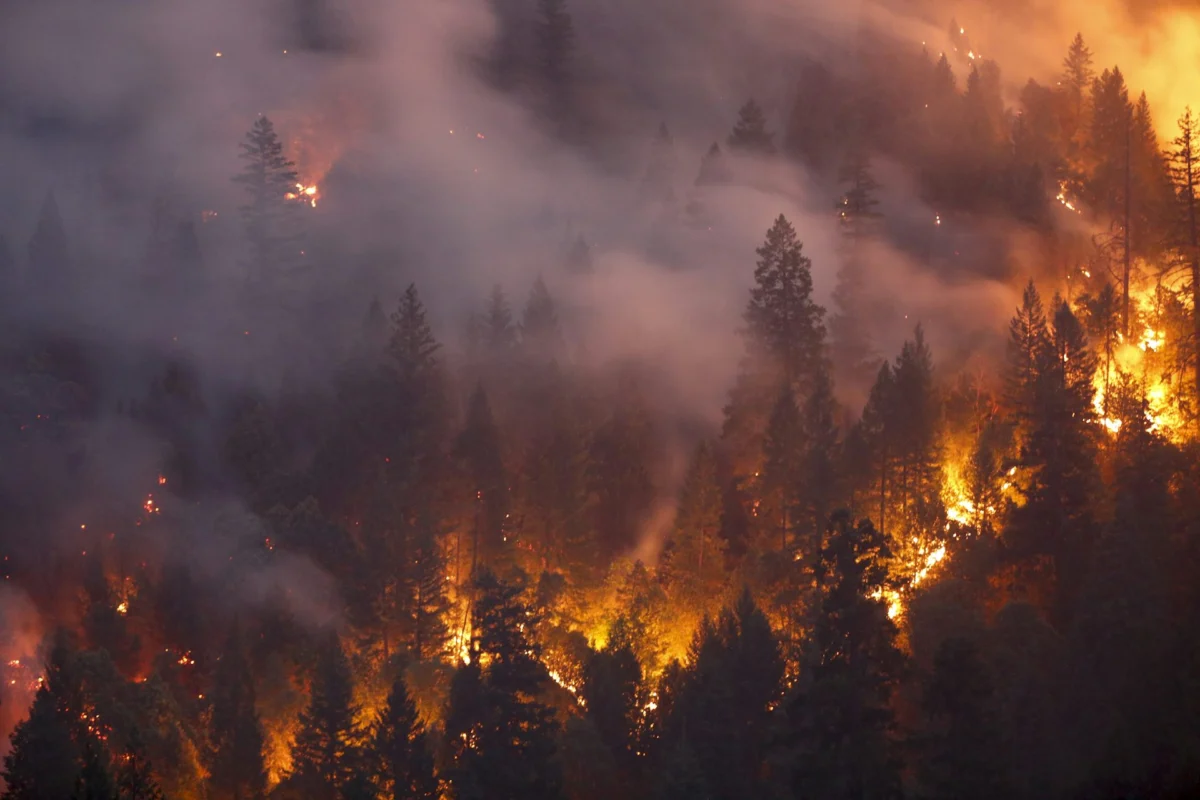
When the mercury soars across the Western United States, the likelihood of wildfires igniting and spreading with alarming speed increases significantly, according to a comprehensive new study. While the immediate effect of high temperatures is to dry out vegetation, making it more susceptible to ignition, the phenomenon of heat waves plays a more multifaceted and potent role in exacerbating wildfire risk, often for extended periods. Researchers have now quantified this impact for the first time, revealing a stark connection between these extreme weather events and the vast tracts of land consumed by fire.
Analyzing two decades of wildfire activity in the Western U.S., from 2001 to 2024, a team of fire and climate scientists meticulously examined the relationship between heat waves and the scale of destruction. Their findings indicate that heat waves, defined as periods of three or more consecutive days with temperatures falling within the hottest ten percent of the season’s norms, accounted for a disproportionately large percentage of burned land. Although these intense heat periods comprised only 12% to 15% of the warm-season days analyzed, they were associated with a staggering 42% of the total area burned by wildfires. This suggests that heat waves are a critical, and perhaps underestimated, driver of the region’s increasingly severe fire seasons.

Furthermore, the study revealed that daily burned area during heat waves was more than 50% larger compared to the cooler days immediately preceding the heat event in many Western locales. In some particularly vulnerable regions, this difference was even more pronounced, with burned areas expanding by as much as 300%. This stark escalation underscores the immediate and amplified threat posed by prolonged periods of extreme heat.
The mechanisms by which heat waves intensify wildfire risk are complex and interconnected. Firstly, elevated temperatures significantly increase the atmosphere’s capacity to hold moisture, a process known as vapor pressure deficit. This heightened demand for water means that the land and vegetation lose moisture at an accelerated rate, rapidly transforming potentially damp fuels into highly combustible tinder. This increased dryness makes ignition far more likely from even minor spark sources.
Beyond drying out vegetation, heat waves also suppress nighttime humidity levels. This reduction in atmospheric moisture means that fires ignited during the day are less likely to be dampened overnight. Instead, they can continue to burn actively for longer durations, consuming more fuel and growing in size, often undetected until they become major conflagrations. This sustained burning through the night dramatically increases the overall intensity and spread of wildfires.

Adding another layer of risk, the hot and unstable atmospheric conditions characteristic of heat waves can also foster the development of thunderstorms. The study observed an increase in cloud-to-ground lightning strikes during and following heat waves across many parts of the West. This includes the phenomenon of "dry lightning," where thunderstorms produce lightning but little to no rain. Such events are particularly dangerous, as they can ignite dry vegetation without the benefit of precipitation to extinguish the nascent flames, creating a perfect storm for rapid wildfire ignition and spread.
These combined factors—rapid drying of fuels, prolonged burning periods, and an increase in ignitions from dry lightning—create an environment where wildfires are not only more likely to start but also to spread with unprecedented speed and intensity. The heightened risk often lingers even after the heat wave has subsided, as the desiccated vegetation and accumulated ground fuels remain unusually dry for days, allowing fires to continue their destructive advance.
The escalating importance of the heat wave-wildfire connection is intrinsically linked to the broader trend of rising global temperatures. As greenhouse gas emissions continue to warm the planet, heat waves are becoming more frequent, more intense, and longer-lasting. This trend is particularly pronounced in the Western United States. Since 2001, the number of days experiencing heat waves across Western U.S. forests has nearly doubled. Coinciding with this increase in heat wave days, the total area of forest burned has increased by approximately 2.5 times during the same period. The researchers calculated that without the increase in heat wave days observed since 2001, the cumulative forest area burned would have been a substantial 37% smaller, highlighting the significant influence of these extreme heat events.

However, the impact of heat waves on wildfire activity is not uniform across all ecosystem types. While the study found a robust long-term correlation between increasing heat wave frequency and escalating burned area in forests, this relationship was less pronounced in grasslands and shrublands. In these ecosystems, the total area burned in a given year appears to be more strongly influenced by the availability of vegetation—the fuel load—rather than solely by heat intensity. This suggests that while heat waves are a critical exacerbating factor, the presence of abundant dry grass and shrubs plays a more dominant role in determining the scale of fires in these landscapes.
Looking ahead, the future likely holds even drier heat waves, further intensifying wildfire risk. Climate change projections indicate that summers in the Western U.S. will continue to trend hotter and drier. This means that not only will temperatures during heat waves reach higher peaks, but the relative humidity during these events will also likely decline further, especially in the forested regions of California, Oregon, and Washington.
These increasingly arid heat waves, coupled with long-standing fire deficits—a consequence of decades of aggressive fire suppression that prevented natural, low-intensity fires from clearing forest undergrowth—have significantly escalated the potential for megafires in the West. Wildfire prediction models currently incorporate a range of critical factors, including wind speed, humidity levels, and fuel moisture content. However, the direct influence of heat waves as a distinct driver of wildfire risk has often been overlooked.

The findings of this new research strongly suggest that heat waves warrant greater consideration in wildfire forecasting and management strategies. They are not merely periods of uncomfortable and potentially deadly weather but are increasingly becoming primary catalysts for the destructive wildfires that plague the Western United States, demanding a more integrated and proactive approach to mitigation and response. Understanding and accurately forecasting the impact of heat waves is therefore crucial for protecting communities, natural resources, and ecosystems from the escalating threat of wildfire.