Johny Prima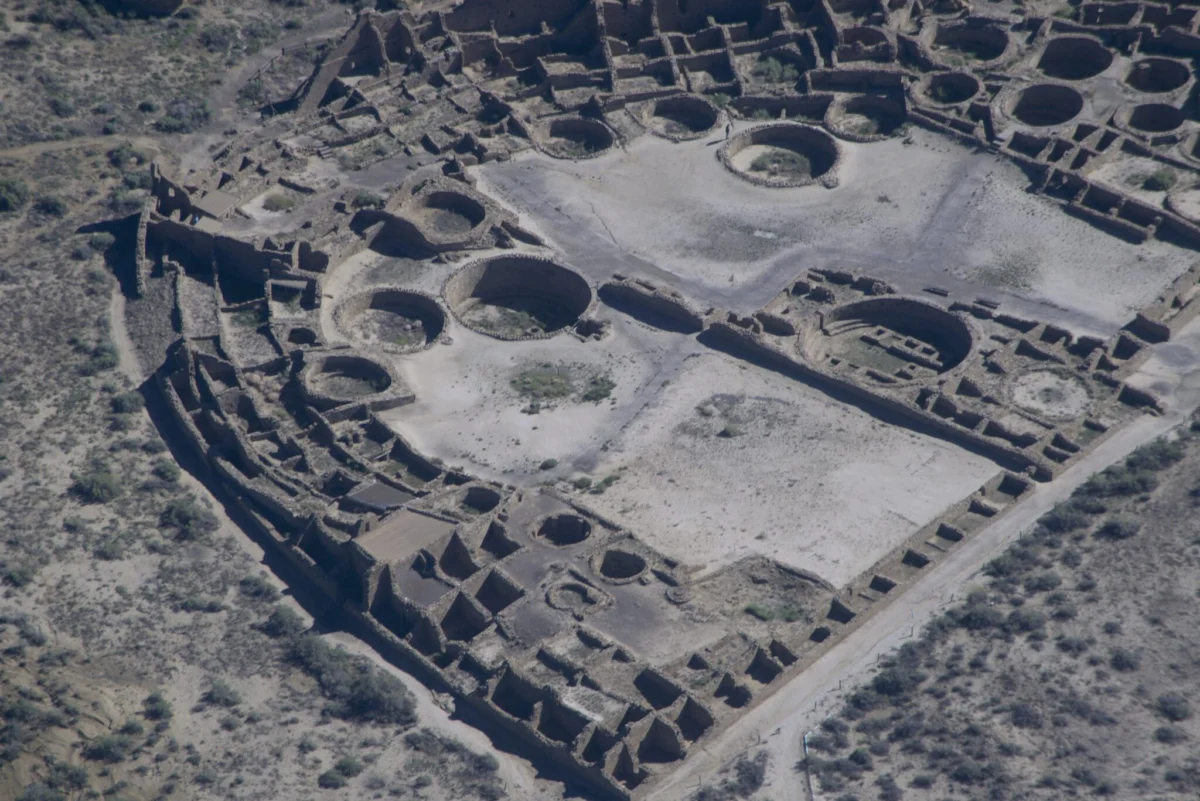
This contentious move seeks to reverse a Biden-era executive order, Public Land Order No. 7923, which in June 2023 established a 20-year moratorium on new oil and gas development on federal lands within a 10-mile radius of the iconic Chaco Canyon site. The U.S. Bureau of Land Management (BLM) initiated this reversal process by posting an online announcement on Monday, inviting public input on a proposed environmental review. However, the comment window, set to close on April 7, has drawn severe criticism for its brevity and timing, overlapping with Easter, Passover, and several traditional Pueblo holidays, thereby limiting meaningful participation from the very communities most directly impacted.
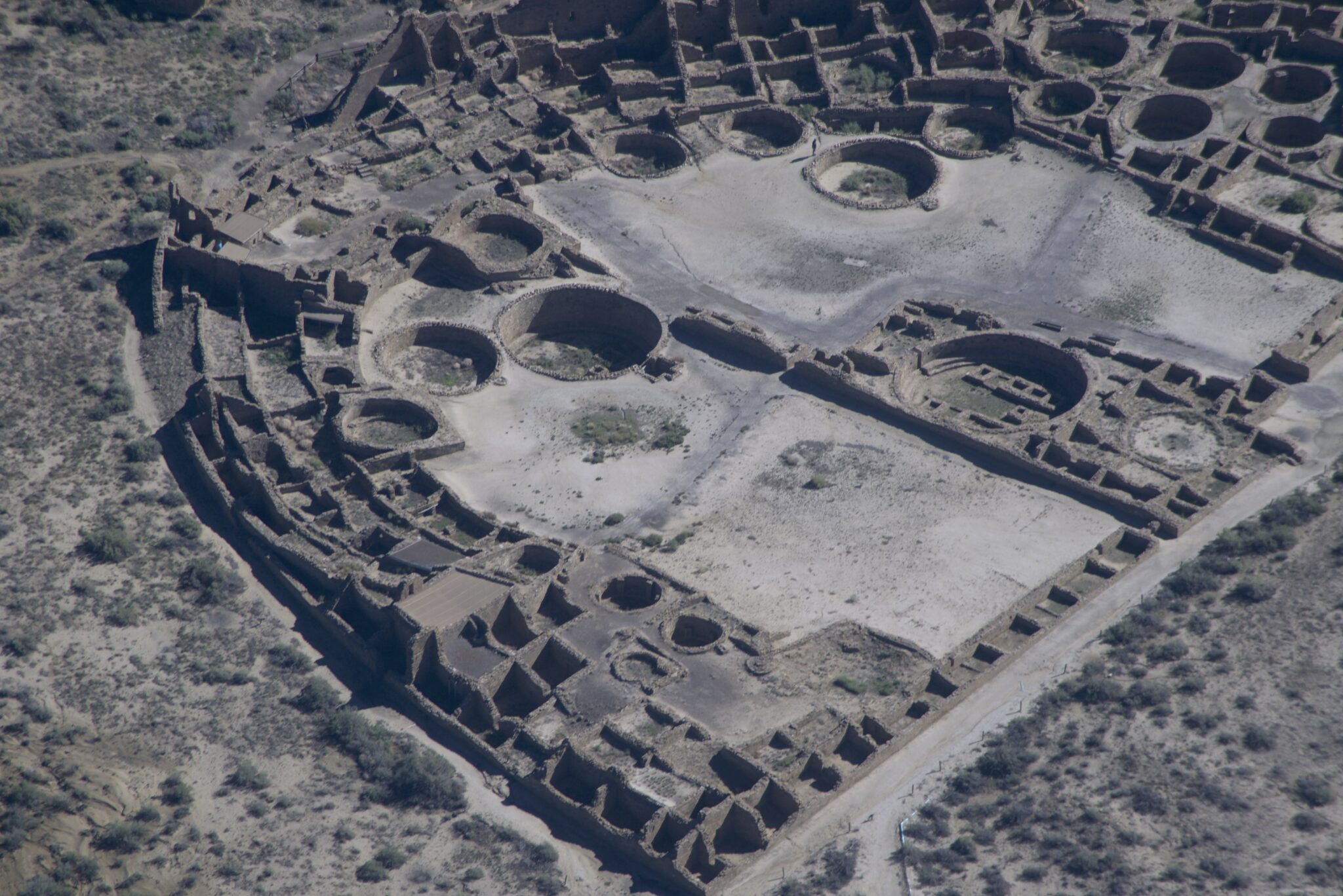
Chaco Culture National Historical Park, designated a UNESCO World Heritage Site, stands as a profound testament to the advanced civilization of the Ancestral Puebloans, flourishing between 850 and 1250 AD. Its monumental multi-story masonry great houses, such as Pueblo Bonito, Chetro Ketl, and Kin Kletso, are architectural marvels, meticulously aligned with celestial events and interconnected by an extensive network of ancient roads stretching across the high desert landscape. These structures represent a sophisticated understanding of engineering, astronomy, and complex societal organization, serving as a vital ceremonial, trade, and administrative center for a vast region. For the contemporary Pueblo, Hopi, and Navajo peoples, Chaco Canyon is far more than an archaeological site; it is a sacred ancestral homeland, a living cultural landscape imbued with spiritual significance and deep historical meaning, where their traditions and heritage are profoundly rooted.
New Mexico’s entire Democratic congressional delegation has vehemently denounced the administration’s actions. Senator Martin Heinrich, ranking member of the U.S. Senate Energy and Natural Resources Committee, underscored the site’s unique value, stating, “Chaco Canyon is a living cultural landscape that holds deep historical meaning and is a sacred space for many of our New Mexico Tribes. It is not just one more place to drill. The disrespect shown by the Trump administration toward New Mexicans seems to know no bounds.” His colleague, Senator Ben Ray Luján, echoed these sentiments, labeling the seven-day comment period on the fate of a 1,000-year-old sacred site as both "inadequate and disgraceful."
The opposition extends beyond federal representatives to state officials and tribal leaders. New Mexico Land Commissioner Stephanie Garcia Richard, who independently enacted a parallel 20-year ban on oil and gas activities across more than 72,000 acres of state trust lands surrounding Chaco in 2023, condemned the proposed federal reversal as a "disastrous plan." She criticized the limited public engagement, asserting, “Giving only seven days for communities to respond, with no public meetings planned, is a slap in the face to the people who have called this place home long before there ever was a United States government.”
Acoma Pueblo Governor Charles Riley highlighted the practical barriers imposed by the online-only submission requirement for public comments. He explained that many community members and elders in tribal lands lack consistent or reliable internet access, making the digital portal a "substantial barrier" that effectively "excludes voices that should be included." This digital divide disproportionately affects indigenous communities, undermining the principle of equitable access to the democratic process and federal decision-making.
The All Pueblo Council of Governors, representing 20 Pueblo nations, expressed profound dismay at the administration’s attempt to undo the protections. Chairman Joey Sanchez of Santa Ana Pueblo affirmed the enduring reverence for the site, declaring, “Chaco Canyon will always be revered and respected as a sacred place by Pueblo people. We will use our collective voice to continue the fight.” This collective stance underscores the unity and determination of tribal nations to safeguard their ancestral heritage against industrial encroachment.
The controversy surrounding Chaco Canyon encapsulates a broader national and global debate regarding the balance between resource extraction and cultural, environmental, and indigenous rights. The Biden-era withdrawal reflected a policy shift towards prioritizing conservation, tribal consultation, and the protection of culturally significant landscapes. This aligned with a growing international recognition of indigenous land rights and the irreplaceable value of cultural heritage. Conversely, the push to reverse these protections aligns with a previous administration’s "energy dominance" agenda, which sought to expand domestic fossil fuel production, often at the expense of environmental regulations and historical preservation.
The Bureau of Land Management, as the steward of vast federal lands, is tasked with a complex mandate that includes both resource development and conservation. Its actions are governed by the National Environmental Policy Act (NEPA), which requires federal agencies to assess the environmental impacts of their proposed actions and to involve the public in the decision-making process. A "scoping period" is the initial phase of NEPA, designed to identify significant issues and potential alternatives. However, the efficacy of this process hinges on genuine public participation, which critics argue is severely compromised by the current administration’s truncated timeline and restrictive submission methods.
The legal and ethical obligation of the federal government to consult with Native American tribes, rooted in its trust responsibility, is a cornerstone of federal-tribal relations. The current approach is seen by many as a clear violation of this responsibility, failing to provide meaningful opportunities for tribal input on decisions directly affecting their ancestral lands and cultural patrimony. Such actions not only risk irreparable damage to invaluable historical sites but also erode trust between the federal government and sovereign tribal nations.

Beyond its cultural and historical significance, Chaco Canyon also serves as a crucial natural habitat within the arid New Mexico landscape. Oil and gas development introduces a range of environmental threats, including air and water pollution, habitat fragmentation, increased noise and light pollution, and the cumulative visual impact of industrial infrastructure on a pristine cultural landscape. These impacts not only threaten the ecological integrity of the region but also detract from the solemnity and interpretative value of the historical park.
The ongoing legislative efforts by New Mexico’s delegation, including the reintroduction of legislation last April to permanently protect Chaco Canyon, highlight the long-term commitment to safeguarding this sacred space. This legislative push seeks to codify the protections, making them less susceptible to the shifting political tides of successive administrations. The current attempt to reverse the protections underscores the precarious nature of executive orders and the ongoing need for robust, permanent legislative solutions.
As the April 7 deadline looms, the fight to protect Chaco Canyon intensifies, drawing national and international attention to the delicate balance between energy interests and the preservation of irreplaceable cultural heritage. The outcome of this struggle will not only determine the future of a revered ancestral landscape but will also set a precedent for how federal agencies engage with indigenous communities and manage public lands with profound historical and spiritual significance. The collective voice of New Mexico officials and tribal leaders stands firm, demanding respect for ancient traditions, meaningful engagement, and the enduring protection of one of North America’s most treasured cultural sites.