Joko Susilo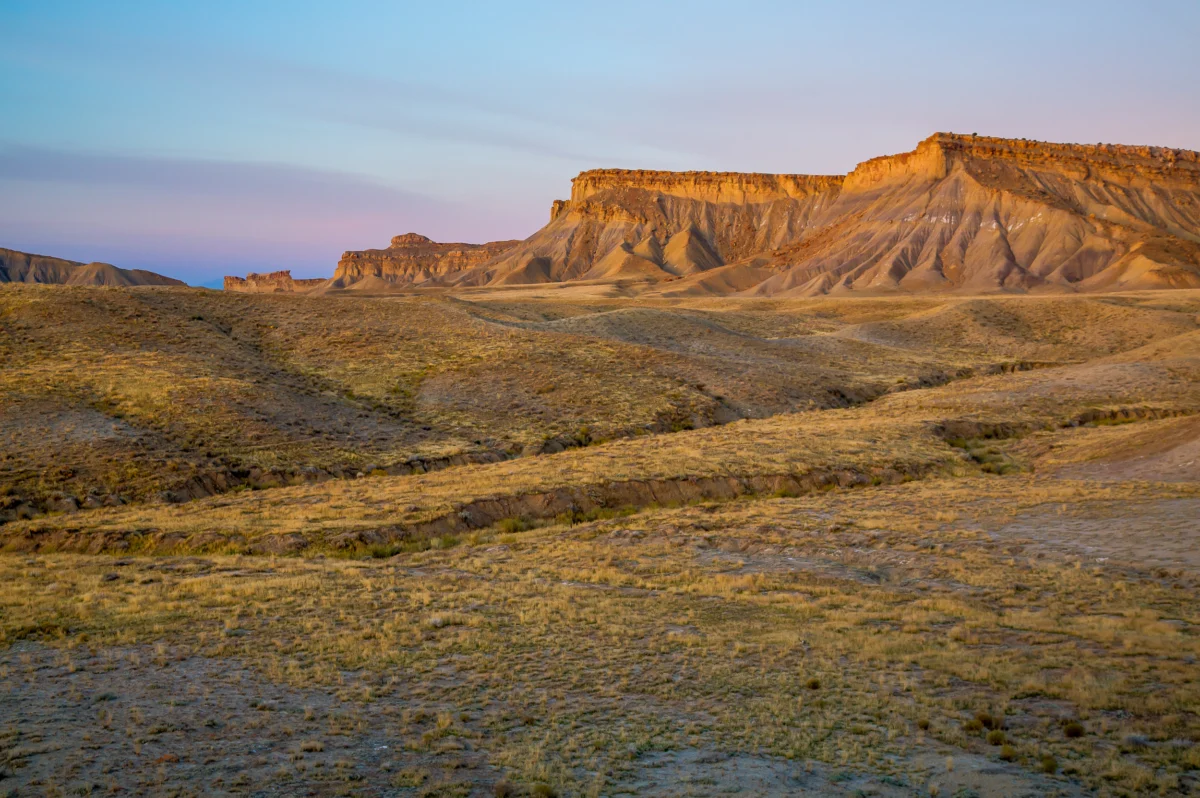
In a move that caught many off guard in March 2025, news surfaced through online forums revealing that the Utah Legislature had quietly authorized a significant increase, potentially doubling, the cost of non-resident hunting permits. This legislative action immediately positioned Utah among the most expensive states for out-of-state hunters pursuing big game, a development that fueled widespread frustration among a community already grappling with the perception that their sport, once a working-class birthright, was rapidly transforming into a luxury. The abruptness of the fee hike deviated sharply from established protocol. Typically, Utah’s Department of Wildlife Resources (DWR) implements permit fee adjustments through a meticulous, publicly transparent process involving numerous meetings held across the state, designed to solicit broad stakeholder input. This time, however, the state’s Republican-dominated Legislature embedded the substantial changes deep within an agency-funding bill, a tactic that effectively bypassed customary public scrutiny and debate.
Hunting fees traditionally play a crucial role in financing wildlife habitat preservation, aligning with the principles of the widely lauded North American Model of Wildlife Conservation, which posits that wildlife is a public trust managed for the benefit of all citizens. Yet, the very hunter-backed wildlife advocacy groups that typically champion such conservation funding measures remained conspicuously silent. Furthermore, the DWR itself refrained from issuing any public statement regarding these significant changes until after Governor Spencer Cox, a Republican, had already signed the comprehensive funding bill into law. This lack of transparency ignited a firestorm of criticism, questioning the motives and methods behind the legislative maneuver.
Behind the scenes, however, a complex and politically charged strategy was unfolding. State Representative Casey Snider, a Republican representing Paradise, was actively collaborating with leaders from the wildlife agency. Their objective was to secure funding for the acquisition of tens of thousands of acres of prime, game-rich land from a distinct state entity: the Utah Trust Lands Administration (TLA), formerly known as the School and Institutional Trust Lands Administration (SITLA). This effort marked the culmination of a series of initiatives Snider, a vocal advocate for public-land hunting, had championed in recent years, all aimed at safeguarding some of Utah’s most valuable hunting grounds from the encroaching threats of development or outright sale.
To achieve this ambitious goal, Snider and his allies within the state apparatus, including Joel Ferry, the Director of the Department of Natural Resources and a former legislator, deliberately kept their efforts out of the public eye. Their focus was on parcels held by the TLA, an agency with a unique and often conflicting mandate. While historically allowing public hunting access on most of its extensive holdings, this activity generates only modest revenue for the TLA. Unlike most public lands, state trust lands operate under a strict fiduciary duty to maximize their economic potential. This revenue is legally earmarked to fund Utah’s public school system. Consequently, when trust lands are offered for sale, state law unequivocally requires the agency to accept the highest bid, often pitting conservation interests against development and resource extraction.
Historically, the state Legislature had not allocated sufficient funds for wildlife officials to make competitive, timely bids when the Trust Lands Administration put parcels on the market, making it nearly impossible to win a bidding war against well-resourced private developers, oil and gas companies, or mineral extraction firms. However, Snider and his confederates harbored a particular concern about one potential buyer: the Ute Indian Tribe.

The Uintah and Ouray Reservation, at its zenith, spanned an impressive four million acres across northwest Utah. Yet, a series of federal policies, most notably the imposition of "allotment" in the late 19th century—a federal requirement to sell tribal land to individual settlers—led to the checkerboarding of the reservation. This was compounded in 1905 when President Theodore Roosevelt controversially commandeered over one million acres of this tribal land to establish what would become Ashley National Forest. Subsequently, Utah ultimately incorporated some of this historically pilfered territory into its state trust land system. Today, the TLA controls a staggering half-million acres within the reservation’s diminished boundaries, forcing tribal members to pay tens of thousands of dollars annually in grazing permits to utilize lands that were once unequivocally theirs.
The Ute Tribe, however, has never relinquished its claim to these ancestral lands. It has actively sought to reacquire trust land at auction in the past and is currently embroiled in a significant lawsuit against the Department of Interior, seeking the return of an additional 1.5 million acres. Upon discovering the clandestine nature of Utah’s recent land deals, the Ute Tribe, in November, re-filed a long-standing lawsuit. This updated complaint explicitly accused Utah officials of fraudulently manipulating trust-land sales, driven by "racial animus," to prevent the tribe from winning open bids and reclaiming their heritage. Linda Cooper, the tribe’s lawyer, repeatedly declined to comment on the unfolding story, underscoring the sensitive and ongoing legal nature of the dispute.
Just last month, the Trust Land Administration’s board of trustees took the controversial step of authorizing a no-bid sale of the most coveted block of land—a pristine, 50,000-acre roadless portion of the Book Cliffs—directly to the DWR. This decision proceeded despite the Ute Tribe’s active legal challenge to the very legislation that authorized such a direct sale. While the DWR’s stated intention is to conserve the land for wildlife and public recreation, rather than exploit it for oil and gas, a critical detail remains: the Trust Lands Administration will retain all subsurface mineral rights. Furthermore, the wildlife agency has publicly indicated its intention to acquire additional parcels in the near future, signaling a continued aggressive strategy for land acquisition.
Casey Snider, at 40, has consistently championed a "hunter-first" agenda since his entry into the Utah Legislature in 2019. He notably spearheaded the campaign to enshrine a state constitutional right to hunt and fish the following year, cementing his image as a staunch defender of outdoor traditions. Last year, he authored a contentious law requiring individuals to purchase a state hunting or fishing license for recreation on Wildlife Management Areas. This measure provoked sharp backlash and ultimately necessitated a revision after game wardens inadvertently threatened to ticket confused birdwatchers and trail runners, highlighting the complexities of balancing access and funding.
In a state where the dominant Republican Party has often expressed hostility towards federal public-land ownership—a policy frequently criticized as a veiled attempt at privatization—Snider maintains a distinct perspective. He views public land as a democratic inheritance, essential for sustaining the hunting tradition by preserving critical habitat for dwindling big game populations and ensuring accessible spaces for hunters. "Opportunities are more and more limited," Snider remarked in an interview last year. "It’s more and more crowded. I just think we should prioritize hunting and fishing whenever we can." His vision, while focused on conservation for hunting, nevertheless aligns with broader public land access.
State trust lands, however, present a unique and formidable challenge for public-land advocates like Snider. For over a century, wildlife officials have worked to preserve hunting access to these lands, many of which are among Utah’s most pristine, also enjoyed by backpackers, equestrians, and backcountry anglers. Yet, the TLA’s paramount obligation remains to fund Utah’s schools. If the agency determines it can generate a greater return by leasing mineral rights for drilling or selling surface rights to another owner, its mission legally compels it to pursue that course of action. This inherent conflict creates a constant tension between conservation goals and financial mandates. Nevertheless, with public-land hunters representing a significant political constituency in Utah, the TLA also faces considerable pressure to preserve existing hunting access on its properties.

This pressure became acutely evident in 2018 when the TLA faced the wrath of public-land hunters after attempting to sell a parcel that included Tabby Mountain, a cherished public hunting area in northeastern Utah. The block, generating minimal revenue for the TLA, was slated for auction with the implicit understanding that the DWR would acquire it as the sole interested buyer, ensuring continued public access. However, Tabby Mountain, named after the esteemed Ute Chief Tabby-To-Kwanah, lies squarely within the historic boundaries of the Uintah and Ouray Indian Reservation. When the TLA formally put the block up for sale, the Ute Tribe decisively outbid the wildlife agency, poised to reacquire a sacred historical hunting ground. This outcome would have been a significant setback for wildlife officials, who had attempted to orchestrate a seamless inter-agency land transfer disguised as a public auction, particularly since the Ute Tribe does not permit non-tribal members to hunt on tribal lands.
A mere week after the auction, the TLA’s board of trustees controversially voted to suspend the sale of Tabby Mountain. In 2022, the Ute Tribe filed a federal lawsuit against Utah officials, alleging discrimination, fraud, and a breach of the state’s trust obligations to schoolchildren. This legal action was bolstered by a whistleblower’s testimony, alleging that the state had deliberately obstructed the sale to prevent Tabby Mountain from returning to Ute hands. "It’s bad enough that the tribe has to spend millions of dollars just to buy back its own land," Shaun Chapoose, then-chairman of the Ute Indian Tribe Business Committee, stated at the time. "But what really grates is the deceit and treachery with which the state has acted in order to block the sale from going through to the tribe, as the highest bidder."
Snider, still a junior legislator when the Tabby Mountain controversy unfolded, recognized the critical need to preserve hunter access to trust lands, transforming it into one of his signature legislative issues. A few years later, when the TLA listed another highly prized hunting block known as Cinnamon Creek for sale, Snider launched an intensive campaign to convince the Legislature to allocate funds for the DWR to acquire it. Buoyed by sympathetic media coverage and financial contributions from prominent conservation groups like Trout Unlimited and the U.S. Fish and Wildlife Service, the DWR successfully placed a winning bid and acquired the parcel. Yet, this experience starkly highlighted systemic problems: wildlife officials lacked a standing budget for land acquisitions, and Utah’s annual 45-day legislative session made rapid fundraising for public agencies nearly impossible.
Over subsequent legislative sessions, Snider worked diligently to rectify these structural deficiencies. He established a modest land-buying fund for the wildlife agency. Then, in 2024, he spearheaded a pivotal bill that allowed the Trust Lands Administration to sell parcels larger than 5,000 acres directly to the DWR at fair market value. This legislation drew immediate and sharp criticism from the Ute Tribe Business Committee, who viewed the law as a direct attempt to circumvent their ability to reacquire ancestral lands now under state ownership. Snider downplayed these concerns at the time, emphasizing that the passed law specifically exempted Tabby Mountain. However, Snider’s legislative ambitions extended to another significant trust land block bordering Ute territory.
The Book Cliffs Roadless Area, a rugged 50,000-acre expanse nestled in Utah’s northeastern corner, represents a biological and recreational treasure. Aside from a few grazing permits, the area has largely remained untouched by industrial development. It harbors one of the country’s rare herds of wild, unfenced buffalo, alongside some of Utah’s largest elk and mule deer populations, and boasts a blue-ribbon native trout fishery. Crucially, it also contains significant oil reserves. In 2013, the TLA board had voted to lease the Book Cliffs Roadless Area for petroleum development. The prospect of drilling in this remote wilderness ignited a furious backlash from hunters and anglers, prompting then-Governor Gary Herbert to intervene and suspend the lease. Snider, then serving as the state coordinator for Trout Unlimited, was among the most prominent and vocal opponents of the proposed drilling, showcasing his long-standing commitment to the area’s preservation.
By the commencement of the 2025 legislative session, Snider had meticulously devised a strategy to acquire this land. The only remaining obstacle was securing the necessary financial resources. Snider accomplished this through two distinct, and notably quiet, legislative maneuvers. First, he embedded a clause within the agency appropriations budget that granted the DWR the discretionary authority to double the cost of non-resident hunting permits. This approach diverged significantly from the customary process where such proposals originate from the wildlife agency, undergo months of public discussion at Regional Advisory Committee meetings, and typically attract widespread attention from the outdoor press. Instead, the DWR remained silent on the fee increases until they were enshrined in law, subsequently hiking out-of-state fees by approximately 40% across the board. The DWR later stated via email that its silence was due to a policy of not commenting on pending legislation.

Overnight, Utah’s non-resident permits transformed from being among the most affordable in the Western United States to some of the most expensive. For premium mule deer ($1,079), elk ($1,950), and bighorn sheep ($3,998) permits, only Wyoming, with its "special draw" system offering deep-pocketed applicants an increased chance at scarce tags, might command higher prices. DWR Director Riley Peck, in a press release defending the increases, asserted they aligned with "relevant market values of neighboring states." This statement, however, glossed over the fundamental principle that the U.S. system of distributing permits through state agencies was specifically designed to insulate wildlife management from market pressures and ensure equitable access, not to facilitate price competition.
While it is politically expedient for legislators to target out-of-state individuals who lack voting power in Utah, Snider had to navigate an even more delicate path when securing the additional funds for the Book Cliffs. Again, he eschewed standalone legislation in favor of the appropriations process. This time, he requested a substantial, one-time payment of $50 million for the DWR to acquire unspecified tracts of state trust land, ostensibly to preserve hunting access. These funds ultimately originated from the state’s education budget, specifically its "rainy day" fund. The measure garnered little discussion when Utah Fiscal Analyst Jonathan Ball presented it to the Executive Appropriations Committee at a February 28 meeting last year. Senator Kathleen Riebe, a Salt Lake City Democrat, was the sole committee member to oppose it, noting she had only learned of the land purchases that very day. Her inquiries to known environmental groups revealed a similar lack of awareness. "There was no process or transparency for how we got here," Senator Riebe lamented. "If it’s a good thing, why don’t we champion it more?"
In interviews conducted last year, Snider repeatedly denied that his legislative tactics were specifically aimed at acquiring trust land in the Book Cliffs or any other particular location. "It’s not targeted for any particular acquisition," Snider maintained, adding, "There’s conversations, but there’s no parcel or anything… (the Trust Lands Administration) is not the target for this. It could be anything — any target that’s critical for public-land hunting and fishing. I don’t ever want to be in that scramble again, like we were on Cinnamon (Creek)."
However, records obtained through state freedom of information laws definitively contradict these public statements, revealing a clear intent all along. "How much do I need ongoing to buy the book cliffs (sic) and everything else," Snider explicitly wrote in a January 30, 2025, group text message that included DWR Director Peck. "I’m going to grab it," Snider added, after noting that the hunting fee increases were projected to generate $19.4 million. Furthermore, wildlife agency officials, under the direction of Department of Natural Resources Director Joel Ferry (the DWR’s parent agency), gathered appraisal values for a total of 86,810 acres of trust land in three other areas—North La Sal, South La Sal, and Sand Ledges—prior to last year’s legislative session. The precise appraisal amounts were redacted in the records. "So, the bottom line is that we may be able to get all five properties for (redacted)," DWR Deputy Director Mike Canning wrote in an email to Director Ferry dated November 19, 2024. "If we need to prioritize, I would love to be able to acquire the Book Cliffs Roadless, Tabby Mountain, and La Sal North for somewhere around (redacted). If we’re down to just the best of the best, the Book Cliffs and Tabby would likely be around (redacted)." Shortly after the legislative session concluded, the agency publicly acknowledged its interest in purchasing the Book Cliffs Roadless Area, citing its immense value for wildlife habitat, recreation, hunting, and camping. "We would like to have that land under our protection so it’s not getting locked up or sold off," Canning stated last year. "This is actually the opposite of most of the criticisms we hear of Utah and management. This is about bringing more land into public protection."
In November 2025, the Ute Tribe re-filed its Tabby Mountain lawsuit against the state of Utah. The updated complaint significantly broadened its scope, adding Snider and his former colleague Ferry as defendants, directly accusing them of illegally colluding to prevent the tribe from bidding on the Book Cliffs Mountains Roadless Area.
In May, the TLA’s board of trustees convened to deliberate on the inaugural land deal executed under Snider’s new law, which authorized direct sales to the Department of Natural Resources. On paper, the transfer of the Book Cliffs Roadless Area’s surface rights to the DWR appeared to be a sound transaction. Two independent appraisals estimated the land’s fair market value at approximately $30 million—a sum significantly greater than the paltry $125,000 annually generated through a combination of grazing and limited hunter access fees. While the Book Cliffs are known to hold oil, a cost-effective extraction method has yet to be discovered. Should such a method emerge in the future, the TLA, by retaining the mineral rights, stands to benefit financially.

However, critics argue the deal rested on questionable financial accounting. The $50 million that Snider and his legislative allies allocated for the DWR’s land purchases originated from the state’s "rainy day" fund, specifically designated for education. Given the TLA’s fundamental mandate to generate revenue for public schools, the $30 million it received from the Book Cliffs sale effectively represented state money that would have otherwise directly supported education. Thus, the transaction, while appearing as a sale, essentially re-routed state funds within the broader education ecosystem rather than generating new, external revenue for schools. Despite these concerns, the trustees approved the sale by a 5-to-1 vote on June 16.
The sale is poised to invite a cascade of legal challenges, fueled by Snider’s sequence of political maneuvers. The Ute Tribe is already actively litigating against Utah officials, alleging that they were deliberately barred from bidding on the Book Cliffs. Separately, Advocates for School Trust Lands, a national nonprofit organization, has expressed profound concern that Snider’s legislation, which permits direct sales of trust lands to the DWR for conservation, potentially violates long-standing federal laws. Their argument centers on the premise that such direct sales artificially suppress the prices that trust lands could command in a competitive public auction, thereby undermining the TLA’s fiduciary duty to maximize educational funding. Furthermore, should developers eventually discover a cost-effective method to extract oil from the Book Cliffs Roadless Area, the inherent missions of the Trust Lands Administration (generating money for schools) and the Department of Wildlife Resources (protecting natural resources) could once again find themselves in direct and irreconcilable conflict. "Anything that opens yourself up to a lawsuit is not really prudent as a trustee," stated Tonia Day, CEO of Advocates for School Trust Lands.
For the immediate future, however, the DWR intends to continue its aggressive acquisition of trust lands. The Trust Lands Administration is currently reviewing the sale of several other blocks, including those specifically targeted by the wildlife agency prior to last year’s legislative session. The DWR still commands approximately $20 million from last year’s appropriation designated for land purchases. Concurrently, the state’s significantly higher non-resident hunting permits have established a stable, substantial revenue stream for future acquisitions. While the number of non-resident big game tag applications experienced a slight dip in 2025 following the price hikes, applicants continue to vastly outnumber the available permits, indicating sustained demand. Out-of-state hunters contributed roughly $7 million to the state’s land-buying fund last year, according to DWR figures. Wildlife officials still retain the authority to raise fees for these permits by approximately another 45% before reaching the ceiling imposed by legislators last year, ensuring a robust funding mechanism for ongoing land acquisition efforts.
Throughout his years charting a legislative course to acquire the Book Cliffs, Snider consistently emphasized his commitment to land conservation, largely sidestepping the long-simmering tensions with the Ute Tribe. He rarely, if ever, publicly acknowledged that he and his legislative allies purposefully obstructed the tribe from bidding on trust lands. With the Book Cliffs deal now finalized, however, Snider has begun to speak more candidly. "These large blocks should be open to every member of the public, tribal or non-tribal," Snider declared shortly after the Book Cliffs sale, adding, "Tabby Mountain should be open to tribal members and non-tribal members. Go ask the public if they want to see lands they’ve been publicly recreating on privatized or locked up. I don’t think they do." His comments underscore the complex and contentious intersection of public access, tribal sovereignty, and the future of Utah’s invaluable natural landscapes.