Johny Prima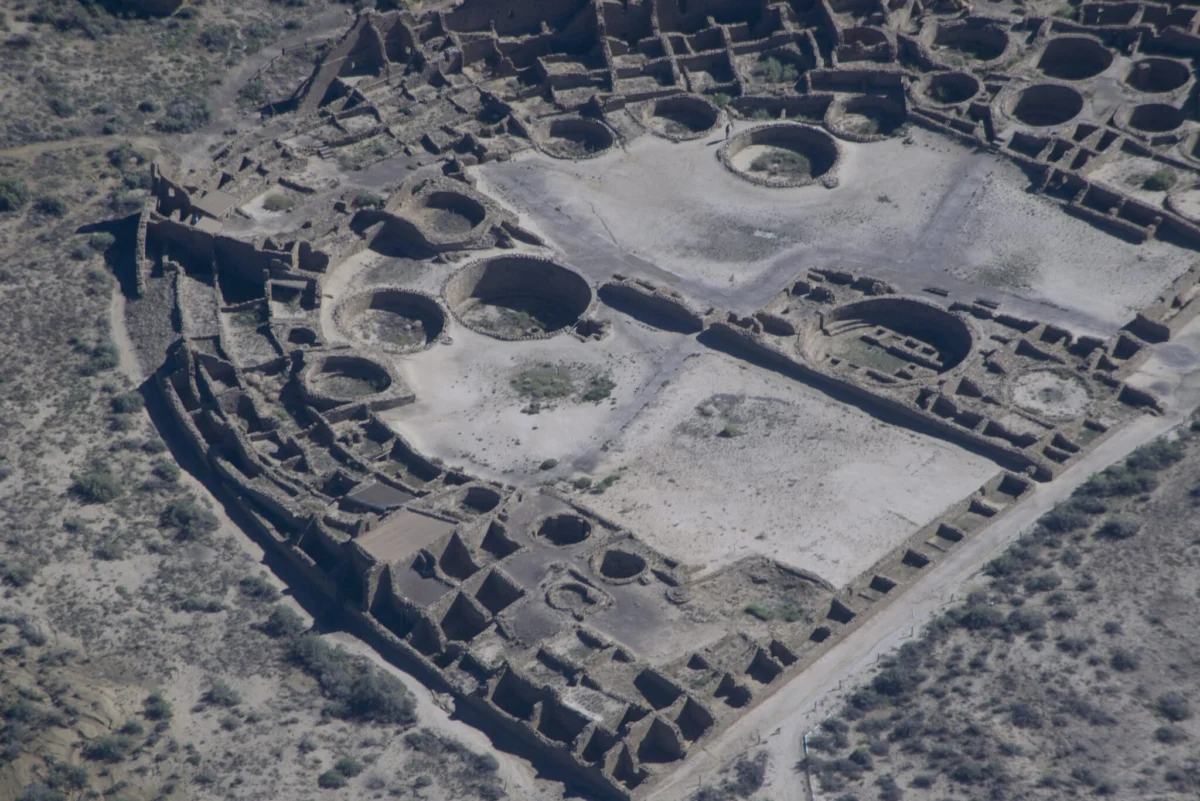
A sharp rebuke has emerged from New Mexico’s federal delegation and tribal leaders, who on Wednesday vehemently accused the Trump administration of orchestrating an expedited and insufficient public comment period aimed at dismantling a crucial federal ban on oil and gas drilling in the revered lands surrounding Chaco Culture National Historical Park. This accelerated timeline, allowing merely a week for online public input, has ignited a firestorm of criticism, with opponents arguing it deliberately obstructs meaningful engagement from Indigenous communities and the broader public on a matter of profound cultural and environmental consequence.
For the past year, the Trump administration has persistently pursued efforts to overturn a Biden-era directive, specifically Public Land Order No. 7923, which in 2023 established a 20-year moratorium on new oil and gas development on federal lands within a 10-mile radius of the iconic Chaco site. This protective buffer zone was meticulously crafted to safeguard Chaco Canyon, a UNESCO World Heritage Site and an ancestral homeland holding unparalleled spiritual and historical significance for numerous Southwestern tribes and Pueblos. The U.S. Bureau of Land Management (BLM) on Monday initiated an online "scoping period" for an environmental review regarding the proposed reversal, setting an unprecedentedly short deadline of April 7 for all submissions. Critics point out that this brief window regrettably coincides with major religious and traditional observances, including Easter, Passover, and several significant Pueblo holidays, effectively disenfranchising many who would otherwise participate.
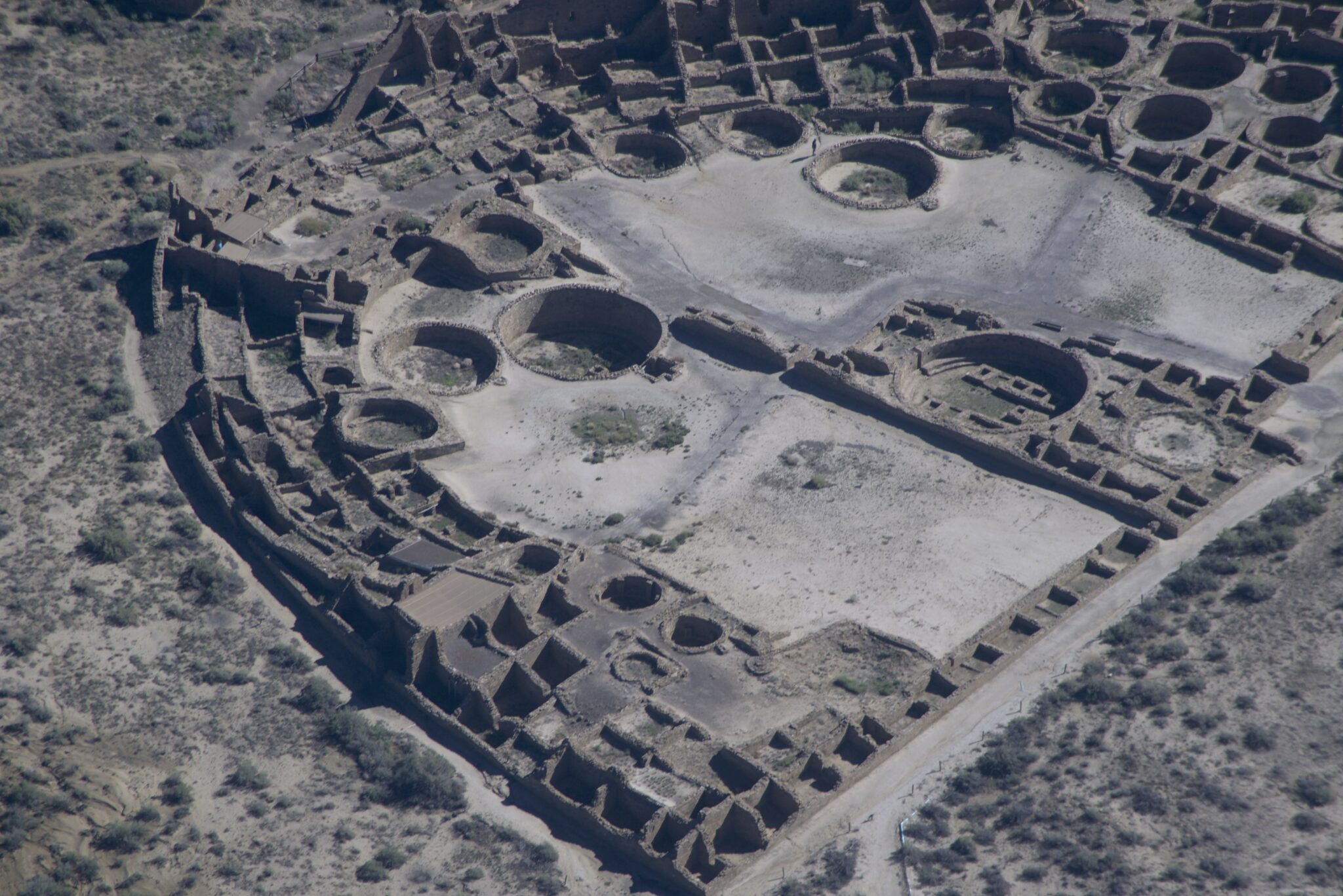
Chaco Culture National Historical Park stands as a monumental testament to the sophisticated societies that flourished in the Four Corners region of the American Southwest between 850 and 1150 CE. Its monumental stone architecture, intricate road systems, and complex astronomical alignments represent a zenith of Ancestral Puebloan culture, drawing parallels with other great ancient civilizations globally. Sites like Pueblo Bonito, Chetro Ketl, and Casa Rinconada are not merely archaeological ruins; they are living landscapes imbued with deep spiritual meaning, serving as ancestral homelands, ceremonial centers, and navigational waypoints that continue to inform the cultural identity and spiritual practices of contemporary Pueblo people. The designation as a UNESCO World Heritage Site underscores its "outstanding universal value," recognizing its global importance as a shared heritage of humanity, making any threat to its integrity a matter of international concern.
The unified condemnation from New Mexico’s congressional delegation, comprising all five Democratic members, underscored the gravity of the administration’s actions. U.S. Senator Martin Heinrich, a ranking member on the U.S. Senate Energy and Natural Resources Committee, powerfully articulated the sentiment, stating, "Chaco Canyon is a living cultural landscape that holds deep historical meaning and is a sacred space for many of our New Mexico Tribes. It is not just one more place to drill. The disrespect shown by the Trump administration toward New Mexicans seems to know no bounds." Senator Ben Ray Luján echoed this sentiment, lambasting the seven-day public comment period as "inadequate and disgraceful" when considering the fate of a "1,000-year-old sacred site." These legislators have consistently advocated for permanent legislative protections for Chaco Canyon, having reintroduced such measures as recently as last April.
Adding to the chorus of disapproval, New Mexico Land Commissioner Stephanie Garcia Richard, who independently enacted a 20-year ban on oil and gas activities across more than 72,000 acres of state trust lands within the 10-mile Chaco buffer zone in 2023, characterized the administration’s plan as "disastrous." She emphasized the profound insult inherent in the truncated comment period, particularly the absence of any planned public meetings. "Giving only seven days for communities to respond, with no public meetings planned, is a slap in the face to the people who have called this place home long before there ever was a United States government," Garcia Richard asserted, highlighting the historical context of Indigenous land stewardship that predates modern governance.
Acoma Pueblo Governor Charles Riley brought a critical perspective to the logistical hurdles presented by the online-only comment portal. He described it as a "substantial barrier," particularly for tribal elders and community members in remote areas who frequently contend with inconsistent or unreliable internet access. Governor Riley’s plea for expanded comment options, including traditional mail or in-person submissions, underscores the digital divide that often marginalizes Indigenous voices in crucial policy debates. "This approach basically excludes voices that should be included," Riley stated in a phone call, emphasizing the need for equitable access to democratic processes.
The All Pueblo Council of Governors, representing 20 Pueblo nations across New Mexico and Texas, expressed profound dismay at the federal government’s move to dismantle the protections. Chairman Joey Sanchez of Santa Ana Pueblo reiterated the enduring reverence for the site, declaring, "Chaco Canyon will always be revered and respected as a sacred place by Pueblo people. We will use our collective voice to continue the fight." This collective stance underscores the deep, intergenerational connection Indigenous peoples maintain with Chaco, viewing it not as a relic of the past but as a vital, living entity crucial to their cultural continuity and spiritual well-being.
Beyond the immediate cultural and spiritual ramifications, the proposed reversal carries significant environmental risks. Oil and gas drilling operations, even with modern safeguards, pose threats to the arid desert ecosystem surrounding Chaco. Concerns include potential impacts on air quality from methane emissions and other pollutants, the intensive use of scarce water resources in a drought-prone region, habitat fragmentation for native wildlife, and the increased risk of spills and contamination. The broader implications for climate change, by facilitating continued fossil fuel extraction, also weigh heavily on environmental advocates.

This localized struggle in New Mexico resonates with a global pattern where Indigenous rights, cultural heritage, and environmental preservation frequently clash with resource extraction industries. Chaco Canyon, as a UNESCO site, symbolizes the universal responsibility to protect places of outstanding global significance. A weakening of its protective buffer sends a troubling message about the value placed on ancient heritage and the rights of Indigenous communities, potentially inviting scrutiny from international bodies and conservation organizations worldwide. The current administration’s stance on energy development, prioritizing extraction over environmental and cultural safeguards, reflects a broader national policy direction that has consistently faced opposition from conservation groups and tribal nations across various landscapes, from sacred mountains to pristine wilderness areas.
The rapid progression of this environmental review suggests a clear intent to expedite the reversal of the drilling ban, raising fears that due process and genuine public engagement are being sidestepped. As the April 7 deadline looms, the future of Chaco Canyon remains precarious, subject to intense political maneuvering and legal challenges. The unified opposition from New Mexico’s leaders and tribal nations signals a protracted and determined battle to preserve this irreplaceable cultural landscape for future generations, highlighting the enduring power of collective advocacy in safeguarding shared heritage against extractive pressures.