

 Joko Susilo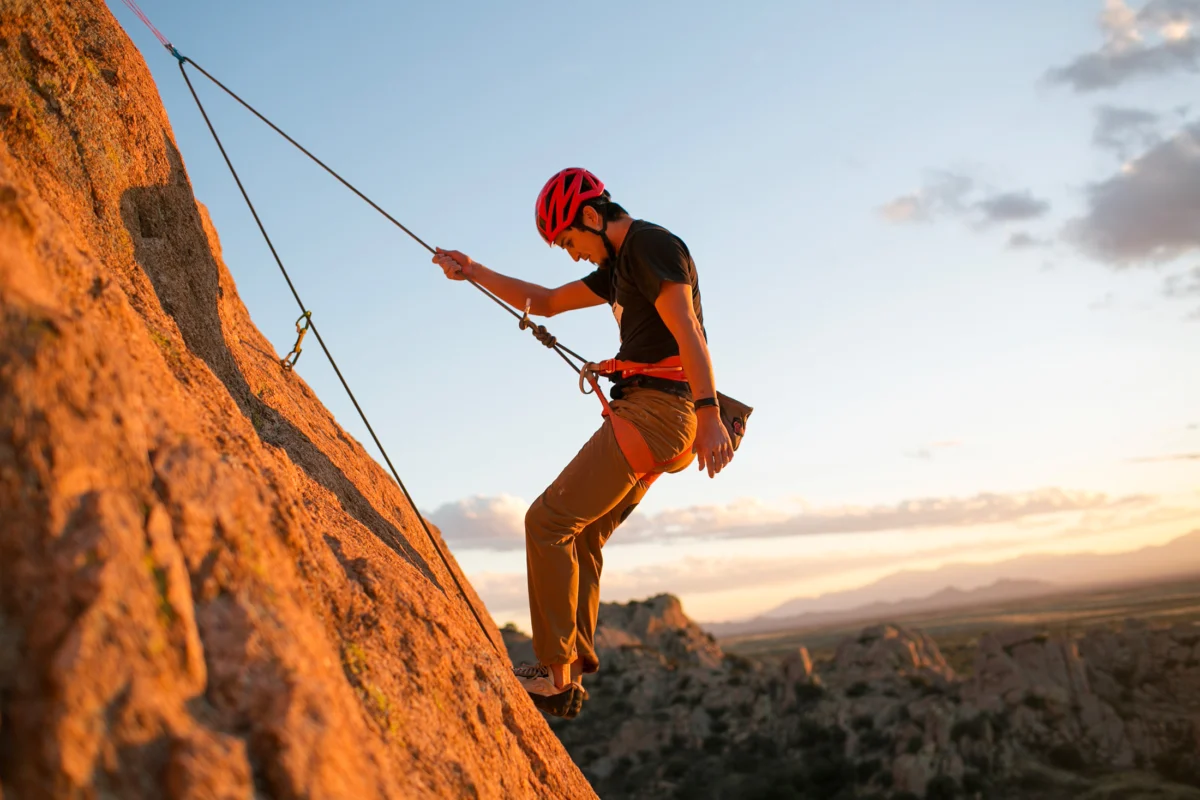
A decades-long ideological chasm over the permissible extent of human impact in pristine wilderness areas, particularly concerning recreational rock climbing, appears to be narrowing. In a significant move mid-June, key federal land-management agencies, including the U.S. Forest Service and various bureaus within the Department of Interior, unveiled draft guidance addressing the contentious use of permanent anchors—metal points of attachment crucial for climbing ropes—within designated wilderness. This pivotal action directly responds to directives embedded in Congress’s 2025 Protecting America’s Rock Climbing (PARC) Act, a landmark piece of legislation that sought to reconcile the sport’s growing popularity with the stringent conservation mandates of wilderness law.
The core of this enduring controversy lies in the fundamental tension between the Wilderness Act of 1964, which broadly prohibits permanent infrastructure and seeks to preserve areas "untrammeled by man," and the historical reality of rock climbing. For generations, climbers have scaled the very rock formations now protected as wilderness, with their activities, in many instances, predating the formal designation of these wild landscapes. The question of whether a drilled bolt, a hammered piton, or a fixed rappel station constitutes "permanent infrastructure" violating the spirit of wilderness has fueled impassioned debate among conservationists, land managers, and the climbing community.
Erik Murdock, Deputy Director of Programs, Policy, and Government Affairs at the Access Fund, a prominent nonprofit dedicated to both climbing access and environmental stewardship, encapsulates the dynamic: "A lot of people and user types are vying for the same piece of real estate, and climbers are part of that." He suggests that the new guidance offers a crucial affirmation of climbing’s legitimate presence within this intricate mosaic of wilderness recreation. However, this perspective clashes sharply with that of some staunch wilderness advocates, who contend that the proposed regulations are excessively lenient, potentially undermining the Wilderness Act’s foundational principles and setting a dangerous precedent for human encroachment.

Understanding the nuances of climbing protection is vital to grasping the heart of the debate. When ascending a sheer rock face, climbers strategically place protective devices to safeguard their ropes, ensuring a controlled fall should they lose purchase. These devices are also indispensable at the apex of a route, facilitating a safe descent via rappel. The spectrum of protection ranges from entirely removable "traditional" gear, such as spring-loaded cams designed to expand securely within rock cracks, to fixed or "permanent" anchors. The latter category includes bolts, which necessitate drilling directly into the rock to secure metal hangers, and pitons—small, spike-like pieces hammered into fissures. In some scenarios, climbers may also install ropes or slings around natural features like boulders or trees, leaving them in place to enable subsequent safe descents. It is these fixed elements, often metallic and visible, that ignite the fiercest discussions regarding their compatibility with wilderness values.
The draft rules, varying in their stringency, reflect the diverse mandates and management philosophies of the respective agencies. The National Park Service, known for its emphasis on preservation and visitor experience, proposes that climbers obtain special-use permits or broad permission from a park superintendent before installing any new bolts. This approach aligns with the NPS’s historical caution regarding fixed installations in wilderness areas, often citing concerns about visual impacts and the potential for a "front country" feel in backcountry settings. Conversely, the Bureau of Land Management (BLM), which manages vast expanses of public lands often characterized by multiple-use mandates, suggests a more permissive stance, allowing climbers to place a limited number of bolts without prior authorization. This difference underscores the varying interpretations of wilderness management across federal agencies and the challenges of achieving uniform policy.
The U.S. Forest Service, responsible for overseeing approximately half of the nation’s public-land climbing opportunities, has outlined a strategy that empowers its local offices to collaborate directly with climbers and established climbing organizations. This localized approach aims to develop tailored management plans for both wilderness and non-wilderness climbing zones. While Erik Murdock and other climbing proponents express minor reservations about specific administrative details, they generally characterize these policies as "overall workable." This sentiment highlights a cautious optimism within the climbing community, viewing the guidance as a step towards formal recognition and regulated integration, rather than outright prohibition.
However, a chorus of dissent from conservation groups warns of potential adverse consequences. Dana Johnson, Policy Director with the Montana-based environmental nonprofit Wilderness Watch, articulates a profound concern that the new guidance could precipitate a "climbing free-for-all" within the nation’s most protected natural sanctuaries. Her apprehension is amplified by the backdrop of significant operational challenges facing land management agencies. Over the past 18 months, several Forest Service regional offices have reportedly experienced substantial attrition in their wilderness staff, a result of deferred resignations and budget reductions, including those attributed to the now-defunct Department of Government Efficiency (DOGE). This depletion of personnel raises serious questions about the agencies’ practical capacity to effectively formulate and implement new management plans, or to adequately monitor the proliferation of new and existing climbing routes featuring permanent anchors. "We’re squeezing wildlife into smaller and smaller pockets of protected space," Johnson asserts, "and we have a lot of people waiting in line for more access."

Johnson’s anxieties echo broader concerns that previously permeated the Biden administration. In 2023, the administration proposed a national directive that would have prohibited new fixed anchors across all wilderness areas and mandated a comprehensive review of existing climbing routes. This move was driven by growing fears of environmental degradation stemming from overcrowding and an excessive reliance on permanent bolts. However, this policy direction was decisively reversed two years later by the passage of the PARC Act. This congressional intervention legally enshrined recreational climbing, including the use, placement, and maintenance of fixed anchors, as an appropriate and legitimate activity within wilderness areas, fundamentally altering the legal landscape for climbers and land managers alike.
Yet, the focus solely on permanent anchors risks overlooking a more pervasive and complex challenge to wilderness integrity, argues Zach Lentsch, owner of Wyoming Mountain Guides, who regularly guides clients into designated wilderness. He contends that hikers, backpackers, and other "quiet recreationists" also contribute significantly to wilderness overcrowding and its associated environmental impacts. Lentsch points to alarming instances, such as Lonesome Lake near Wyoming’s iconic Cirque of the Towers in the Wind River Range, where human fecal contamination has led to dangerous levels of E. coli. This stark reality, he suggests, demonstrates that a narrow ban on fixed anchors alone will never resolve the multifaceted problem of human impact in wilderness. Instead, Lentsch advocates for a holistic approach, urging agencies to engage all wilderness users in developing comprehensive permit systems to regulate usage where necessary, and to mandate practices like the use of special bags for packing out human waste.
Lentsch further clarifies the often-misunderstood climbing ethos: "If you’re not a climber, it might seem like climbers are going out there willy-nilly and putting ugly hardware into the walls." He emphasizes that a deeply ingrained ethical principle within the climbing community dictates against the use of fixed anchors when removable protection suffices. "There are plenty of places in the wilderness where you don’t need a fixed anchor, and typically the ethic has been if you don’t need a fixed anchor, you don’t bring one." This internal self-regulation, alongside formalized agency guidance, will be critical in shaping the future of climbing in these revered natural spaces.
The public comment period for the Forest Service proposal concluded on July 20, providing a crucial window for diverse stakeholders to voice their perspectives. The comment periods for the National Park Service, Bureau of Land Management, and Fish and Wildlife Service guidance will extend until August 14. These ongoing public consultations represent the final critical phase before the implementation of policies that will profoundly shape the future of rock climbing within America’s invaluable wilderness heritage, balancing recreational access with the enduring imperative of preservation. The outcome will be closely watched by outdoor enthusiasts, conservationists, and land managers worldwide, as nations grapple with similar challenges in managing growing recreational pressures on their own protected wildlands.







