Rocky Gerung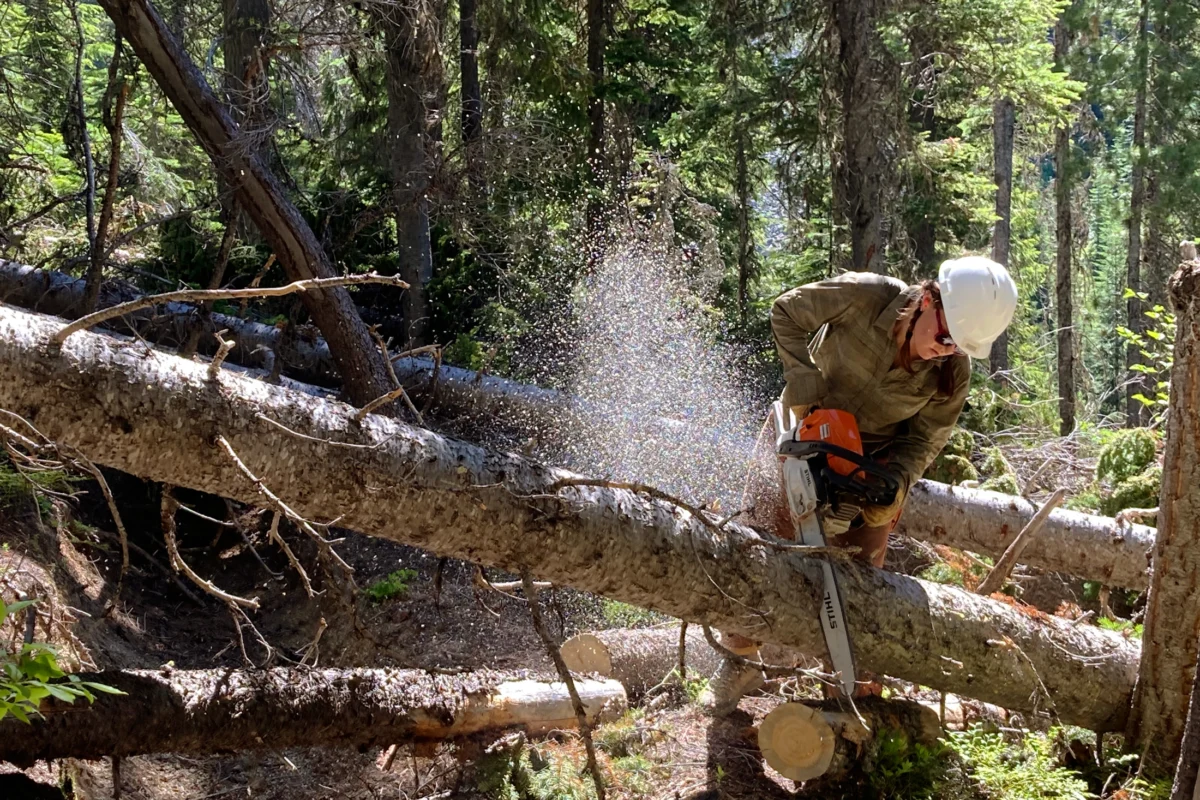
The rumble of a chainsaw, a sound typically absent from federally designated wilderness areas, recently echoed through Idaho’s vast Frank Church-River of No Return Wilderness, prompting a fervent discussion among conservationists and land managers. The U.S. Forest Service granted a limited permit to the Idaho Outfitters and Guides Association, allowing the use of chainsaws for trail clearing in this iconic wilderness, a decision that has ignited concerns about the potential erosion of wilderness protections. However, for many experienced trail workers, this move represents a pragmatic adaptation to the escalating challenges of managing these wild landscapes in the face of climate change and budget constraints.
For years, trail crews working within designated wilderness areas have adhered strictly to the principles of the 1964 Wilderness Act, employing only hand tools like the traditional crosscut saw to clear fallen trees. This legal framework defines wilderness not just as a feeling of remoteness, but as a specific designation of at least 5,000 contiguous roadless acres that offer opportunities for solitude and unconfined recreation, free from permanent human improvements. The Act mandates that these areas be managed to preserve their wild character, leading to a long-standing prohibition on motorized equipment, including chainsaws. This means that clearing massive, fire-felled trees, a common occurrence in the Western United States, often becomes a laborious, time-consuming, and physically demanding task.
The recent decision to allow chainsaws in the Frank Church-River of No Return Wilderness has been met with apprehension by some wilderness advocates, who fear it sets a dangerous precedent. They argue that any deviation from the strict interpretation of the Wilderness Act could pave the way for further commercialization and diminish the pristine nature of these protected lands, potentially leading to accusations of the agency succumbing to the influence of special interest groups.

Yet, the voices of the very individuals tasked with the arduous work of trail maintenance—skilled professionals who grapple daily with the tangible impacts of a changing climate—have been largely marginalized in this debate. These trail workers, often laboring with limited resources and facing an ever-increasing workload, have been advocating for greater flexibility in tool usage, particularly when it comes to chainsaws. They understand firsthand the mounting pressure on wilderness trails, a pressure exacerbated by an undeniable surge in wildfires, widespread beetle infestations, and more extreme weather events.
The author, who spent eight years on trail crews in Washington’s Cascade Range, primarily within the Okanogan-Wenatchee National Forest, experienced this challenge directly. Their district encompassed over 700 miles of trails, nearly half of which were in designated wilderness. The sheer volume of downed trees, often numbering in the scores or even hundreds per mile after a wildfire, presented a formidable obstacle. With small crews and limited volunteer support, clearing even half of the district’s trail mileage each season was considered a success. Districts with fewer resources fared even worse, leaving many trails impassable.
The consequences of such impassable trails extend far beyond mere inconvenience. They impede critical backcountry evacuations, complicate fire management efforts, and hinder essential scientific monitoring. More profoundly, they restrict public access to wilderness, thereby stifling the growth of a diverse and engaged community of wilderness enthusiasts and stewards. This inclusivity is vital, as the Wilderness Act itself emphasizes that these areas are to be managed "for the use and enjoyment of the American people." It is difficult, however, for people to experience and appreciate what they cannot access, and as the renowned naturalist David Attenborough has often implied, protection often stems from personal experience.
The arduous nature of crosscut sawing, while fostering a sense of camaraderie and skill, also takes a significant toll on the physical well-being and morale of trail workers. The time saved by using a chainsaw for a single cut—seconds versus minutes or even hours with a crosscut—translates into reduced exposure to hazards like unstable dead trees, known as snags. In the context of today’s forests, characterized by an escalating rate of tree fall due to environmental stressors and often reduced staffing levels, the absolute prohibition of chainsaws can feel counterproductive, inadvertently contributing to the degradation of the very wilderness it aims to protect.

The debate highlights a critical tension: the desire to preserve the pristine, primitive character of wilderness against the practical necessity of maintaining access and ensuring safety in an era of intensifying environmental challenges. While dedicated trail crews and increased funding are undoubtedly crucial, the targeted and judicious use of chainsaws could offer a more effective solution. It is important to note that the word "chainsaw" itself does not appear in the Wilderness Act. Instead, Section 4(c) prohibits "motorized equipment" except when "necessary to meet minimum requirements for the administration of the area." This clause has been interpreted differently across federal agencies. For instance, the National Park Service, recognizing trail clearing as a minimum requirement, has long permitted its wilderness trail crews to utilize chainsaws. The growing backlog of impassable trails on national forest lands suggests that the Forest Service should adopt a similar approach.
Even with fully staffed ranger districts across the Western United States, the natural processes of forest renewal and disturbance—including fires and falling trees—will continue unabated. Without modern tools, trail crews are often locked in a perpetual and ultimately losing battle against the relentless accumulation of deadfall.
When the author began their Forest Service career in 2016, their district had already ceased maintaining over a dozen less-traveled wilderness trails. Ten years later, the focus has shifted to preserving access to critical routes, including sections of the iconic Pacific Crest Trail, and to entire backcountry zones. The abandonment of these trails risks further concentrating visitors in already overburdened areas, such as the Enchantments in Washington or popular national parks like Mount Rainier, which are struggling with the impacts of overuse.
In the Frank Church-River of No Return Wilderness, the epicenter of this recent controversy, numerous airstrips and private ranches established prior to its wilderness designation still accommodate fly-in visitors. Trails, however, represent a more equitable and accessible means for the public to engage with wilderness, provided they can be kept open.

Modern advancements in battery-powered chainsaw technology offer a quieter and more environmentally friendly alternative to traditional gas-powered models. Furthermore, the infrequency with which hikers encounter trail crews means the audible impact of chainsaws would likely be minimal. The primary, and most beneficial, outcome of allowing chainsaws in designated wilderness would be the creation of more safe and passable trails, thereby expanding opportunities for the public to experience, appreciate, and ultimately become invested in the protection of these invaluable natural resources. This nuanced approach balances the preservationist ethos of the Wilderness Act with the pragmatic needs of land management in a rapidly changing world, ensuring that wilderness remains accessible and enjoyable for future generations.