Joko Susilo
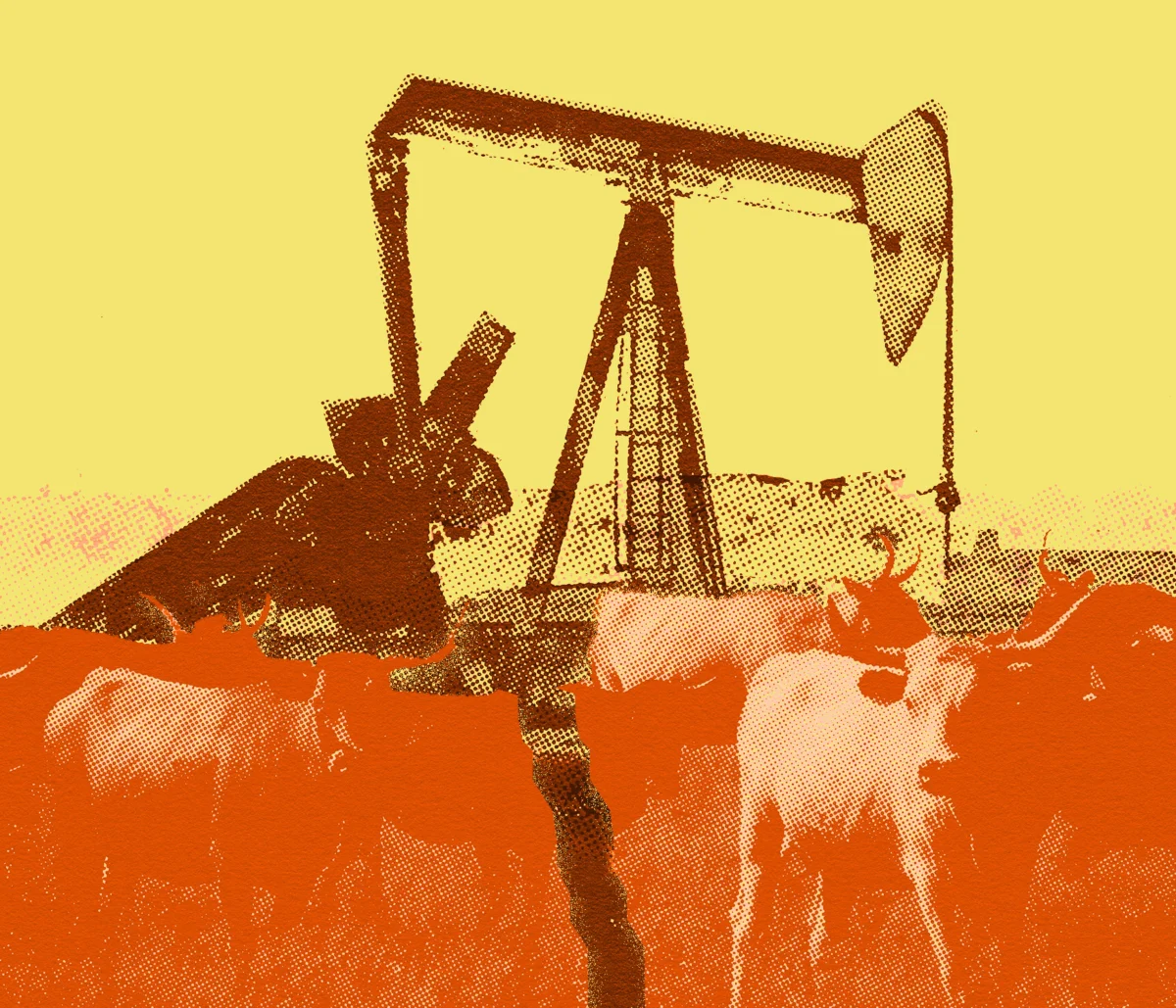
Representatives from 20 Pueblo nations, joined by New Mexico’s congressional delegates, convened at the U.S. Capitol on Wednesday to deliver a resolute message: "Chaco Canyon is not for sale." This powerful declaration underscores a unified opposition to current proposals that threaten to dismantle a vital 10-mile buffer zone around Chaco Culture National Historical Park, a site of immense cultural, historical, and spiritual significance for Indigenous peoples across the Southwest. The proposed revocation of this protective measure would reopen approximately 336,404 acres surrounding the UNESCO World Heritage Site to potential oil, gas, and mineral extraction, a move that critics argue prioritizes short-term economic gains over irreplaceable heritage.
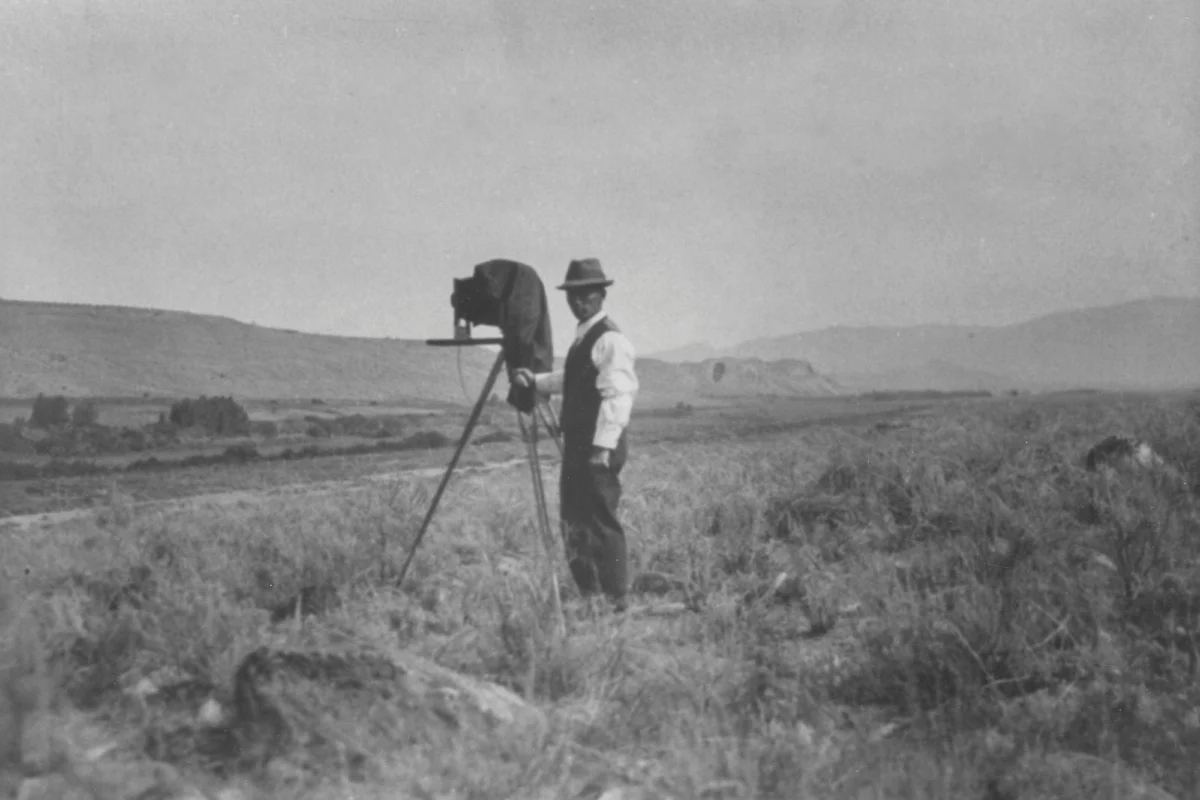
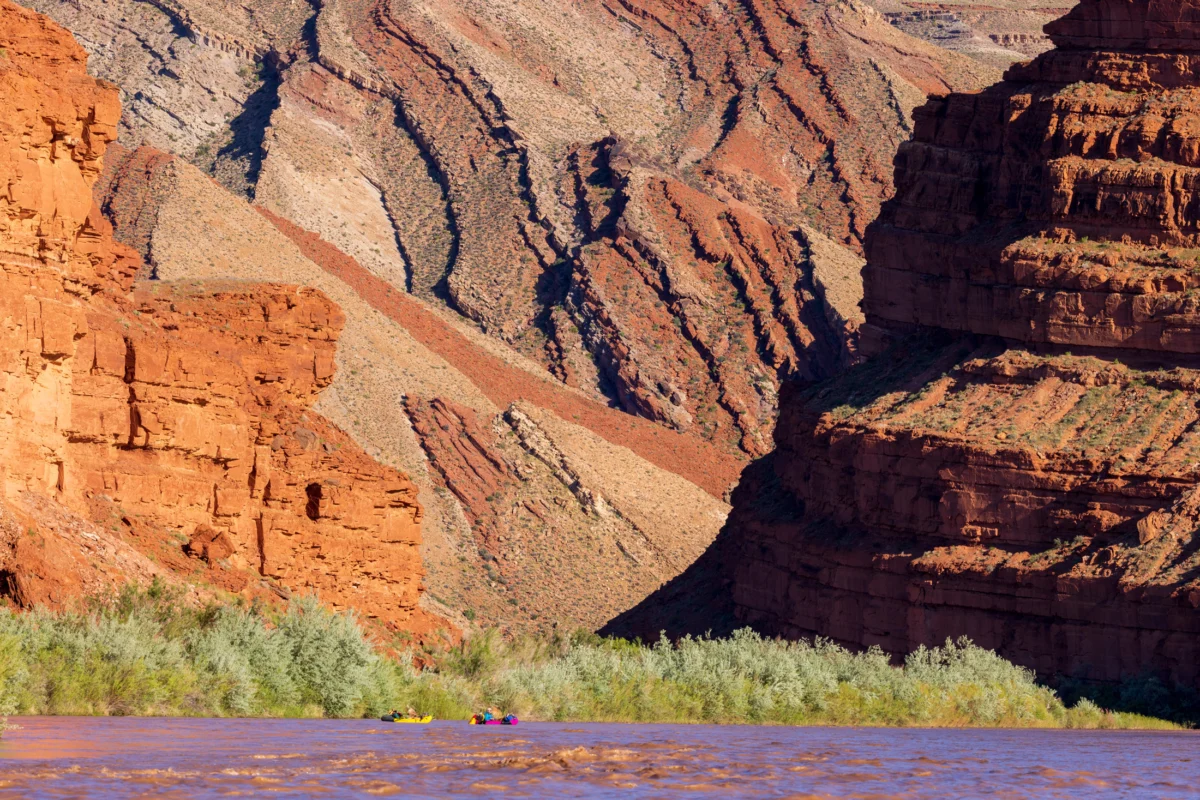
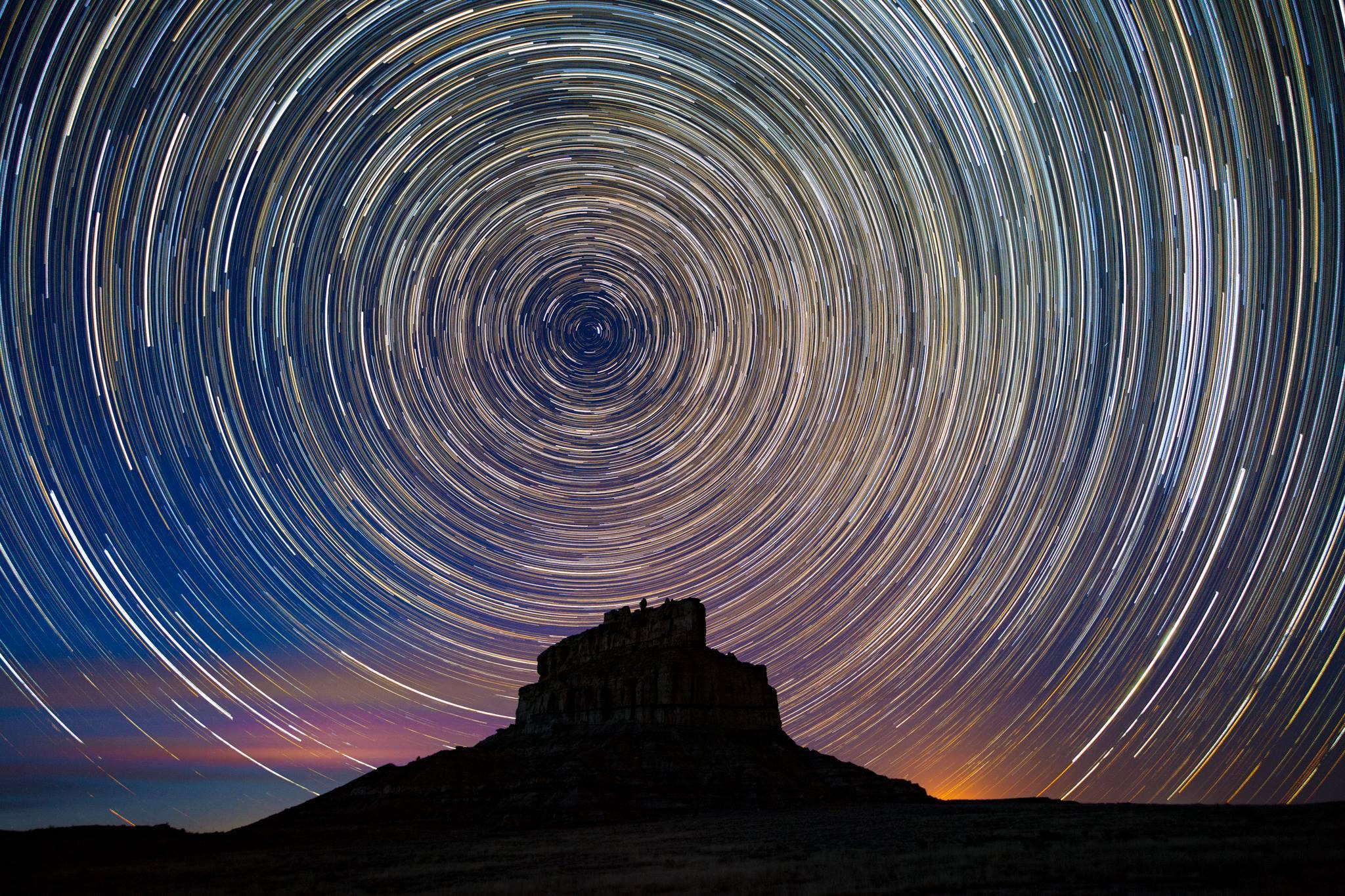
Chaco Culture National Historical Park, nestled in the remote northwestern corner of New Mexico, stands as a testament to the ingenuity and spiritual depth of ancestral Pueblo peoples. More than a millennium ago, between 850 and 1250 A.D., Chaco Canyon served as a major regional center, a vibrant hub of ceremony, trade, and architectural innovation. Its monumental great houses, intricate road systems extending over vast distances, and precise astronomical alignments reveal a sophisticated society with profound connections to the cosmos and the land. For the modern Pueblo people, Chaco is not merely an archaeological site; it is a living landscape, a place of prayer, pilgrimage, and ancestral memory, intrinsically linked to their identity and traditions. As U.S. Representative Gabe Vasquez emphasized at the Washington, D.C. news conference, "Chaco Canyon is a vibrant place of prayer, pilgrimage and core to the identity of many Southwest tribes, whose connection to this land stretches back thousands of years. In other words, there is no replacing it."
The buffer zone in question, a 20-year withdrawal of federal lands from new oil and gas leasing and mining claims, was established by then-Interior Secretary Deb Haaland in 2023. Secretary Haaland, a New Mexico native and the first Native American to lead a cabinet department, initiated the withdrawal following years of advocacy from tribal nations and environmental groups. This measure aimed to protect the "Greater Chaco Landscape," recognizing that the cultural and historical significance of Chaco extends far beyond the physical boundaries of the national park, encompassing numerous ancestral sites, traditional cultural properties, and sacred areas crucial to the spiritual practices of contemporary Pueblos and other Indigenous communities. The withdrawal represented a landmark achievement in Indigenous rights and cultural preservation, reflecting a commitment to honor tribal sovereignty and stewardship.
However, the Bureau of Land Management (BLM), operating under the current administration, now plans to revoke this protective order. Critics contend that this action aligns with a broader historical pattern of prioritizing resource extraction over environmental and cultural safeguards, echoing past administrative approaches that sought to loosen restrictions on mining and energy development on public lands. The BLM’s recent announcement of a mere 14-day public comment period on the environmental assessment for this proposed revocation has ignited outrage among tribal leaders and lawmakers. This abbreviated window is widely decried as insufficient for meaningful public engagement on an issue of such profound complexity and impact. "The administration’s decision to revoke protections for the greater Chaco landscape are an absolute gut punch to New Mexico and to our pueblos, and to give just the public 14 days to respond is an insult," Rep. Vasquez stated, encapsulating the widespread sentiment of betrayal and disrespect.
The urgency of the situation has prompted a concerted pushback from New Mexico’s political establishment and tribal leadership. On Wednesday, the state’s Democratic senators and members of Congress collectively appealed to Interior Secretary Deb Haaland, urging an extension of the comment period to at least 90 days. They also called upon the Secretary to personally visit Chaco Canyon and witness its profound significance firsthand before making any irreversible decisions. U.S. Representative Teresa Leger Fernández, whose district includes Chaco Canyon, expressed deep frustration, highlighting a past commitment by the Secretary to visit the area. "We will hold the Department of Interior to the rules and the laws and the regulations, and we will not let them silence us," she affirmed, signaling a determined fight to uphold protective measures. Joey Sanchez, chair of the All Pueblo Council of Governors, echoed this plea, stating, "We asked for a meeting, but we never got it. I don’t know if you’re here in town, but you know we’re here. We’re ready to be with you. We ask you to come and visit."
The potential revocation poses a stark choice between short-term resource extraction and long-term preservation. As Cochiti Pueblo Governor Phillip Quintana articulated, "The question before us is simple: What kind of legacy will we leave? Will we choose short-term extraction, or will we choose to protect one of the most important Indigenous cultural landscapes in North America, a place whose meaning reaches far beyond any single administration?" This sentiment resonates with the understanding that Chaco’s value is not quantifiable in economic terms, but in its profound cultural, spiritual, and historical resonance, both nationally and globally.
At the state level, New Mexico Democratic State Representative Derrick Lente, of Sandia Pueblo, has called upon Governor Michelle Lujan Grisham to take a more assertive stance. Lente urged the Governor to deploy the full resources of the state, including the Department of Cultural Affairs and the State Historic Preservation Officer, to engage robustly in the federal review process. He specifically highlighted their formal role under the National Historic Preservation Act (NHPA) to ensure a comprehensive and honest assessment of the cultural harm posed by the proposal. A spokesperson for Governor Lujan Grisham confirmed that the administration has been actively opposing the proposal for months, submitting official correspondence and coordinating with the congressional delegation to bolster the state’s unified opposition.
While Pueblo leaders and New Mexico’s congressional delegation present a united front, the perspective within the Navajo Nation, whose lands largely surround Chaco Canyon, is more complex and diverse. Navajo Nation President Buu Nygren, who is not seeking re-election, has previously expressed opposition to the buffer zone, citing concerns about individual Navajo allottees’ rights to develop their land for oil and gas extraction. His stance is largely mirrored by the leading candidates to succeed him. Justin Jones, a prospective successor, has asserted that allottees should be permitted to develop oil and gas resources, emphasizing their surface and subsurface possessory rights. Similarly, Crystalyne Curley, the Navajo Nation Council speaker, has publicly disagreed with Secretary Haaland’s 2023 decision to impose the buffer.
This perspective often stems from a complex history of federal land management and the economic realities faced by many Navajo families. For some allottees, the prospect of royalties from oil and gas development represents a crucial source of income and economic self-sufficiency, particularly in a region with limited economic opportunities. These lands, often passed down through generations, hold deep personal significance, and the ability to utilize their resources is viewed as an exercise of sovereign rights and a means to improve quality of life.
However, this is not the sole perspective within the Navajo community. Mario Atencio, a Navajo activist and vocal critic of the oil and gas industry’s pervasive impact on his homeland, emphasizes the severe environmental and public health consequences of drilling. His family holds allotments within the buffer zone, and he fears that revoking protections would grant the government "free rein to pollute the land," leading to "challenging and detrimental" outcomes for local communities. Atencio’s concerns highlight the environmental justice implications, pointing to the disproportionate burden of industrial pollution often borne by Indigenous communities, and the long-term health risks associated with proximity to oil and gas operations, including air quality degradation and potential water contamination.
The debate over Chaco Canyon is a microcosm of broader global struggles balancing energy demands, economic development, Indigenous rights, and cultural preservation. Chaco’s status as a UNESCO World Heritage Site adds an international dimension, obligating the United States to protect its "Outstanding Universal Value" for all humanity. The outcome of this contentious decision will not only shape the future of a cherished American landscape but also send a powerful message about the respect afforded to tribal sovereignty, ancestral lands, and global cultural heritage in the face of resource extraction pressures. As the July 29 comment period deadline looms, the calls for extended dialogue and meaningful consultation underscore the profound and lasting implications of any decision regarding the fate of the Greater Chaco Landscape.