Johny Prima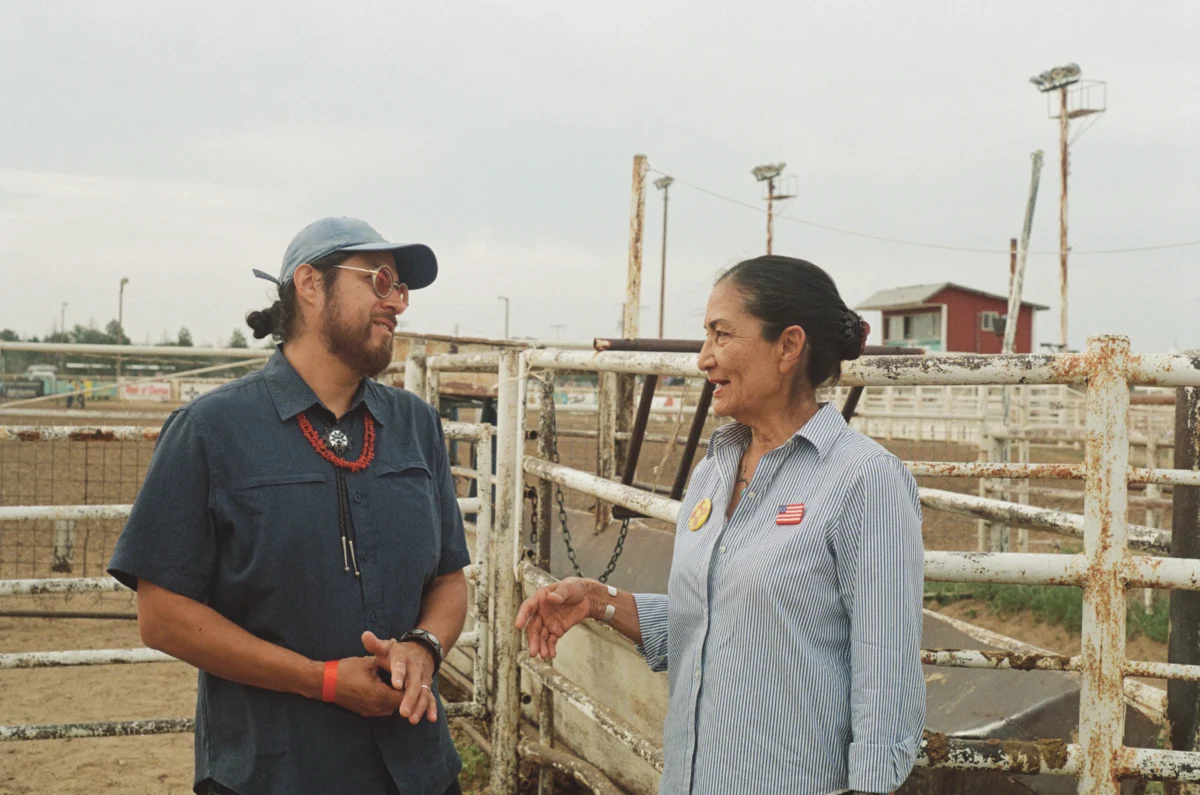
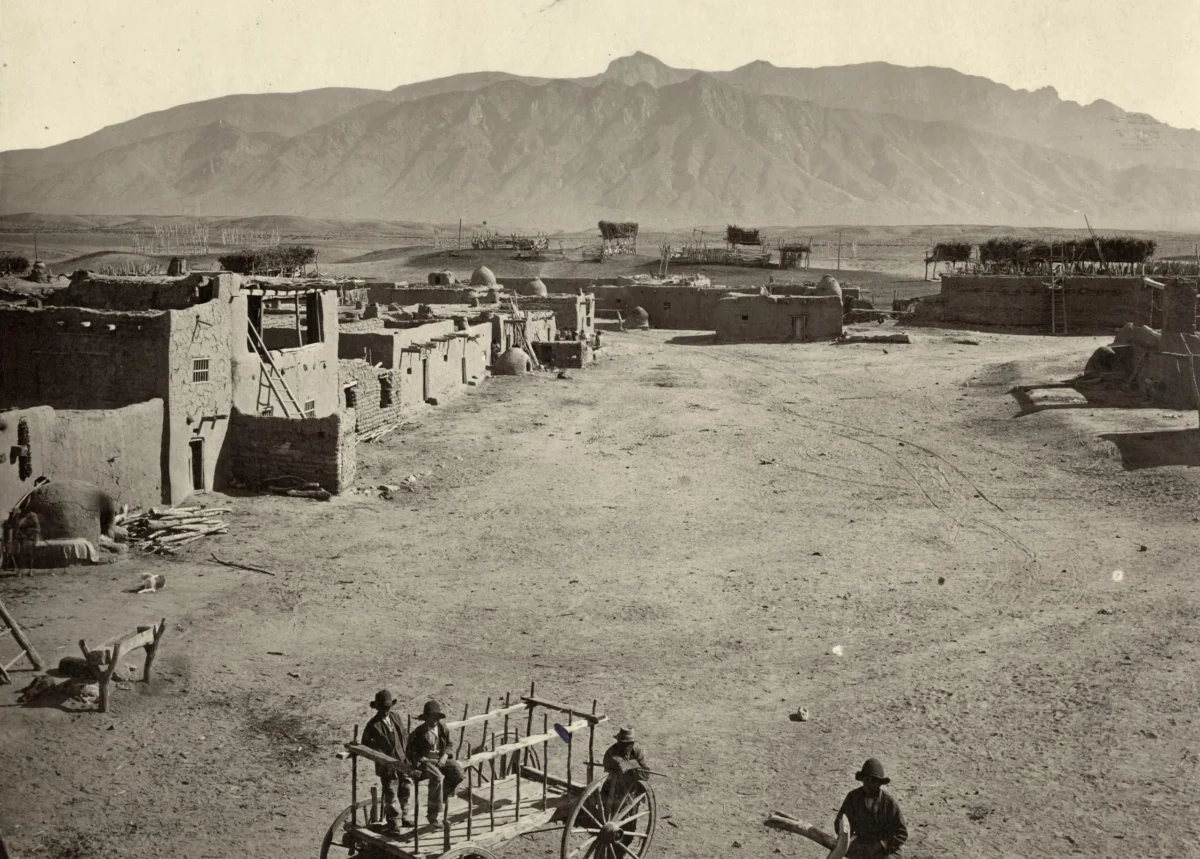
In the sacred quiet before dawn, a ritual as old as the earth unfolds across the high desert landscapes of the American Southwest, a practice deeply rooted in land-based belief systems prevalent globally. With corn pollen held delicately in the right hand, a prayer is offered, facing east toward the majestic Sandia Mountains, acknowledging the rising sun and the profound interconnectedness of all existence. This timeless ceremony, a cornerstone of Pueblo spirituality, grounds the practitioner in the present moment, affirming their place within the universe and setting a purposeful path forward. The corn, harvested from the rich red clay soil of the Zuni Mountains, where generations of Pueblo relatives have lived and prayed, symbolizes life, sustenance, and continuity. This ancestral wisdom, passed down through countless generations, emphasizes gratitude for the morning, peaceful intentions for the day, and a deep reverence for ancestors, both recent and distant, whose spirits continue to breathe life into the land. As the corn pollen is released at one’s feet, it signifies a sacred bond, an unbroken chain of tradition linking past, present, and future.
It is along this "corn pollen trail," metaphorically and literally, that a powerful convergence of tradition and modern governance is taking shape in New Mexico. Here, the deeply personal spiritual practices of Indigenous peoples are not merely cultural relics but living philosophies that inform public service at the highest levels. This profound connection is exemplified by Deb Haaland, a distinguished Laguna and Jemez Pueblo relative, who begins her days with a similar recommitment to the teachings of her grandparents. "I wake up every morning, and I recommit myself to the things that I was taught by my grandparents," Haaland affirmed in April, speaking outside an energy summit in Santa Fe. Her grandparents, contemporaries of many Pueblo elders, shared a common reservoir of knowledge and lifeways that have sustained their communities for centuries, shaping the perspectives that guide leaders like Haaland today. Haaland, who etched her name in history during the Biden administration as the first Indigenous Secretary of the Interior, has been a tireless presence since 2025, traversing the diverse terrains of New Mexico. Her itinerary spans from the rural communities of Gallup and Shiprock, centers of vibrant Navajo and other tribal communities, to the political epicenters of Santa Fe and her home city of Albuquerque. She attributes her remarkable journey, which now positions her as the undeniable frontrunner in the New Mexico gubernatorial race and a pivotal figure in the nation’s post-Trump reconstruction efforts, to the enduring resilience and wisdom of her ancestors. Her ascent symbolizes a significant moment for Indigenous representation, not just in the United States, but globally, inspiring conversations about how traditional ecological knowledge and community-focused governance can inform contemporary policy challenges.

Should Haaland secure the governorship, she would not only become New Mexico’s third consecutive female governor, a testament to the state’s progressive political landscape, but also the first Native American to hold the state’s highest office. Her dominant victory in the Democratic primary, where she garnered a staggering 45 percentage points, underscored her broad appeal and the palpable anticipation for her leadership. Haaland’s platform is comprehensive, addressing critical issues facing New Mexicans while weaving in her deep understanding of land and community. She advocates for the expansion of public health care, recognizing the acute needs of rural and tribal communities often underserved by existing systems. Her commitment extends to strengthening state environmental regulations, a crucial stance in a state rich in natural resources but vulnerable to the impacts of climate change and industrial activity. Furthermore, she champions an increase in the state minimum wage, aiming to bolster economic equity and improve living standards for working families. A key tenet of her economic vision involves strategically leveraging energy profits—derived from New Mexico’s significant oil, gas, and burgeoning renewable energy sectors—to fund progressive policies, including investments in education, infrastructure, and green initiatives, thereby fostering a sustainable and diversified economy. Central to her agenda is the advancement of tribal sovereignty, a principle that acknowledges the inherent right of Indigenous nations to self-governance and self-determination, recognizing their unique legal and political status.
The prospect of a Native American governor, while historic and empowering, also presents a complex dynamic, often described as a "contradiction." The very power of the gubernatorial office, in many historical contexts, emerged from colonial systems that perpetrated state violence against Indigenous peoples. Yet, an Indigenous person occupying this role transforms it from within, offering a profound opportunity to redirect that power towards reconciliation, equity, and genuine partnership. If elected, Governor Haaland would bear the unique responsibility of managing relationships with New Mexico’s 23 tribal nations, a task for which her previous roles and heritage uniquely qualify her. She would leverage existing mechanisms, such as the New Mexico State-Tribal Collaboration Act of 2009, which mandates state agencies to forge working partnerships and negotiate practices and policies with the state’s tribes. This legislation, a pioneering effort in intergovernmental relations, mirrors the federal government’s trust and treaty obligations to tribes, albeit at a state level, emphasizing mutual respect and consultation. Haaland’s intimate understanding of these obligations, first as a Pueblo woman and subsequently as the Secretary of the Interior, positions her to navigate these intricate relationships with unparalleled insight. During her tenure at the Interior Department, she demonstrated how a leader rooted in land-based beliefs could revolutionize federal land management, prioritizing conservation, sacred site protection, and co-management with Indigenous communities. This experience has placed her precisely where she needs to be to champion and advance tribal sovereignty within the United States, continuing a legacy of Pueblo leadership that predates multiple colonial administrations and offers a model for Indigenous self-determination movements worldwide.
During the extensive campaign, candid conversations with Haaland illuminated her vision for New Mexico’s future, particularly in navigating a complex national political landscape. The current political climate, characterized by deep divisions and a focus on national rhetoric, often overshadows the tangible needs of ordinary citizens. Haaland expressed excitement about the electoral moment, noting that while the previous administration had siphoned a small percentage of New Mexico’s voters, her campaign aimed to bring those constituents back by focusing on kitchen-table issues. She critiqued the previous administration’s perceived failure to address the rising costs of living, arguing that its focus on divisive rhetoric and "chaos" diverted attention from the economic anxieties of Americans. "People want us to pay attention to the issues that affect them," she asserted, highlighting her commitment to pragmatic governance over political spectacle.

A critical aspect of Haaland’s platform involves educating and engaging non-Native populations on the principles of tribal sovereignty. She underscored the deep historical presence of Pueblo Indians in the Rio Grande Valley, with roots tracing back to the late 1200s, and the vastness of their ancestral homelands, often far exceeding current reservation boundaries. She emphasized that many tribes, through significant effort and investment, have actively bought back land to expand their land base, reclaiming parts of their heritage. For any corporation, project developer, or emerging leader operating in New Mexico, understanding this profound history is paramount. Given the long history of exploitation and broken promises, tribes are understandably skeptical of external proposals. Haaland stressed that the onus is on external entities to initiate and cultivate relationships built on transparency, honesty, and consistent communication, fostering trust that can pave the way for collaborative opportunities. This approach aligns with global Indigenous rights movements advocating for Free, Prior, and Informed Consent (FPIC) before any development impacting Indigenous lands or resources.
Addressing the skepticism that some may harbor towards tribal sovereignty principles, Haaland firmly asserted the fundamental right of tribes to respect and inclusion. She argued that tribes must be integral to any project affecting their ancestral homelands, even if a physical footprint doesn’t directly touch their current reservation. The ability to see a transmission line or a development from their land, she explained, necessitates their consultation and involvement, reflecting a holistic view of territory that extends beyond cadastral maps. This perspective is gaining traction, as evidenced by conversations with industry leaders on the campaign trail. Haaland observed a growing understanding of "tribal capital"—the economic, cultural, and political value tribes bring to the state. Many business leaders now prioritize outreach and collaboration with tribes, recognizing the importance of the State-Tribal Collaboration Act and the profound contributions of tribal nations to New Mexico’s economy and social fabric.
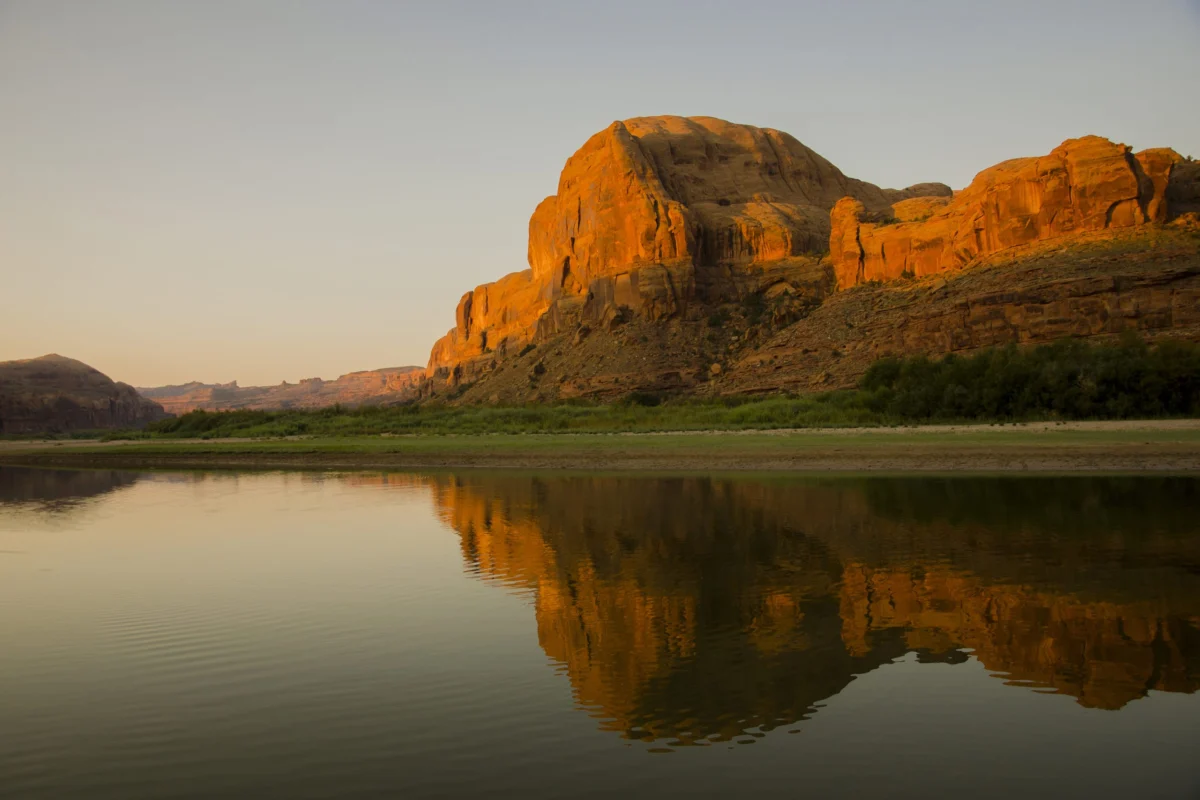
Water use and management are perennial challenges in the arid Southwest, a concern Haaland intends to tackle head-on as governor. New Mexico faces perpetual drought conditions, exacerbated by climate change and its impact on vital water sources like the Colorado River. Haaland’s vision prioritizes sustainability for any industry seeking to relocate to the state, with a clear mandate: "Water should be prioritized for people." This stance acknowledges the critical need for equitable water distribution, particularly safeguarding the water rights of Indigenous communities, which often hold senior claims dating back centuries. Her approach emphasizes sustainable development that respects the ecological limits of the region and ensures access to this vital resource for all New Mexicans, especially in the face of increasing population and agricultural demands.

Responding to concerns about federal environmental deregulation, Haaland affirmed New Mexico’s unwavering commitment to environmental protection. She condemned any federal "destruction" of the Environmental Protection Act (EPA) and asserted the imperative for states like New Mexico to "fill that gap." She highlighted that despite federal rollbacks, the federal government retains obligations to the state, and as governor, she would exhaust every avenue to ensure those responsibilities are upheld. This includes bolstering the state’s legal capacity to challenge federal actions that encroach on state sovereignty or threaten New Mexico’s environment. The strategy would involve hiring more lawyers to sue the federal government when it fails to meet its commitments, such as withdrawing promised funds or undermining environmental safeguards. This aggressive legal approach aims to defend New Mexico’s interests and protect its residents from the consequences of federal neglect or overreach, signaling a robust defense of state autonomy and environmental integrity.
Finally, a cornerstone of Haaland’s educational and social justice agenda revolves around ensuring that the history of the federal Indian Boarding School era is comprehensively taught in New Mexico’s public schools. She passionately declared, "Native American History is American history. Every single American in this country owns that history – that terrible, violent, horrible federal Indian Boarding School history." This era, which forcibly removed Indigenous children from their families to assimilate them into mainstream American culture, involved widespread cultural destruction, language suppression, and severe abuse, leaving a legacy of intergenerational trauma. Haaland shared her family’s personal experience, recounting how her grandparents were sent to St. Catherine’s in Santa Fe, and her great-grandfather could only visit her grandmother twice in five years due to the immense travel difficulties. She vividly described Fort Union, north of Las Vegas, as a brutal "way station" where Native children had their heads shaved, clothes burned, and were dressed in uniforms before being sent to various boarding schools. This dark chapter, she stressed, is profoundly woven into New Mexico’s identity. As governor, she would champion initiatives to ensure that this crucial history, along with the broader narrative of Pueblo resilience and contributions, becomes an integral part of the curriculum, fostering a more informed and empathetic citizenry. This commitment aligns with national and international efforts toward truth, healing, and reconciliation regarding colonial injustices, recognizing that confronting the past is essential for building a just future.