Johny Prima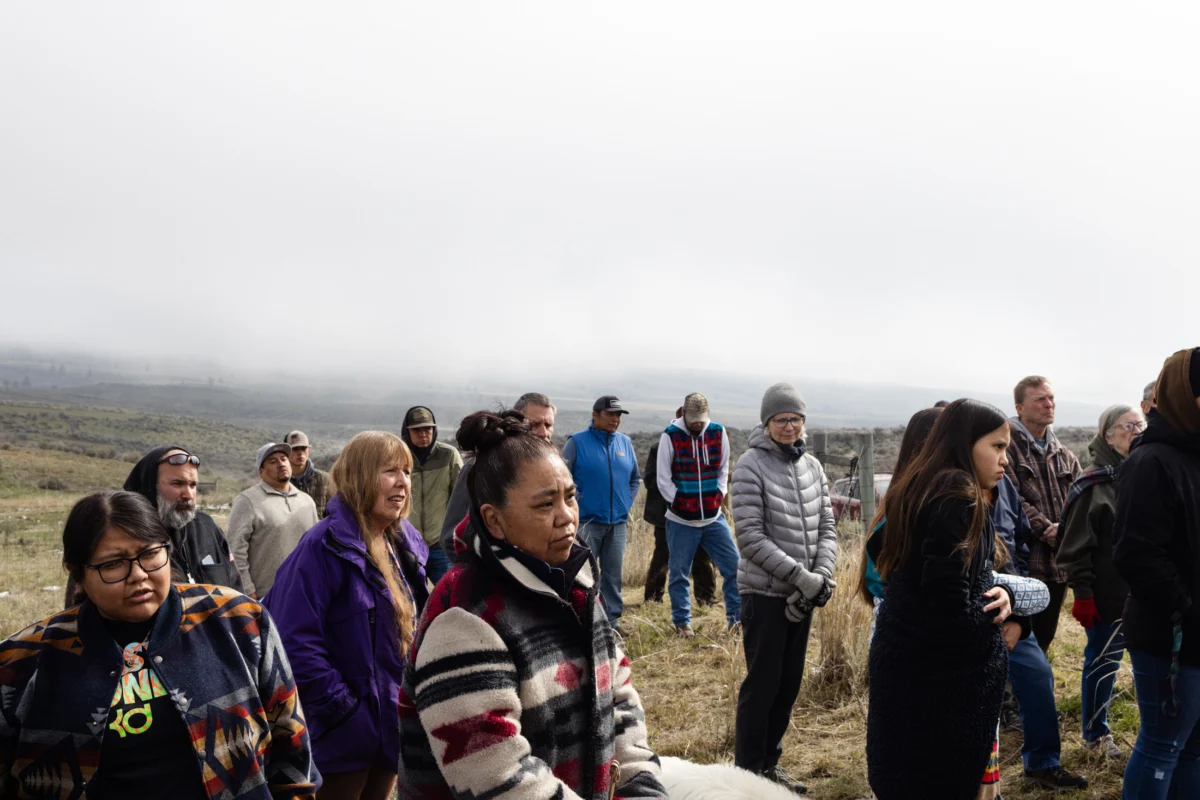
Energy giant Avangrid has formally withdrawn its long-standing application to construct a substantial industrial-scale solar facility on Badger Mountain in central Washington, a site held sacred by the Confederated Tribes of the Colville Reservation and the Confederated Tribes and Bands of the Yakama Nation. This significant decision, communicated through a notice of withdrawal this month, marks a pivotal moment in the ongoing national dialogue surrounding renewable energy development and the protection of Indigenous cultural heritage. The proposed project site spanned both private and public lands managed by the Washington Department of Natural Resources, areas where tribal nations possess inherent rights to engage in traditional practices such as food gathering, hunting, and spiritual ceremonies. An in-depth investigation in 2024 had previously highlighted how Avangrid’s solar development posed a direct threat to these constitutionally protected rights and ancestral traditions.
Chairwoman Cindy Marchand of the Colville Tribes expressed profound satisfaction with the outcome, stating, "The Colville Tribes is very happy to hear that the proposed solar project on Badger Mountain has been withdrawn." She underscored the critical balance between modern energy needs and the timeless imperative of cultural preservation, emphasizing, "While the Colville Tribes certainly appreciates the value of renewable energy such as solar power, sacred sites must remain pristine to pass down to future generations. We appreciate Avangrid Power LLC’s decision to withdraw this project and we trust that they can find a more appropriate site." This statement encapsulates a growing sentiment among Indigenous communities globally: a commitment to environmental sustainability, but not at the expense of their irreplaceable cultural landscapes.
The precise motivations behind Avangrid’s withdrawal remain officially unclarified, leaving room for speculation regarding the interplay between mounting tribal opposition and logistical hurdles. While the formal permitting records hint at external construction delays within the broader energy grid as a primary driver for the cancellation, the company has declined to provide a definitive explanation to media inquiries, and the Department of Natural Resources has also refrained from comment. This silence underscores the complex, often opaque, nature of major infrastructure development decisions, where economic and logistical factors frequently intersect with profound social and environmental concerns.
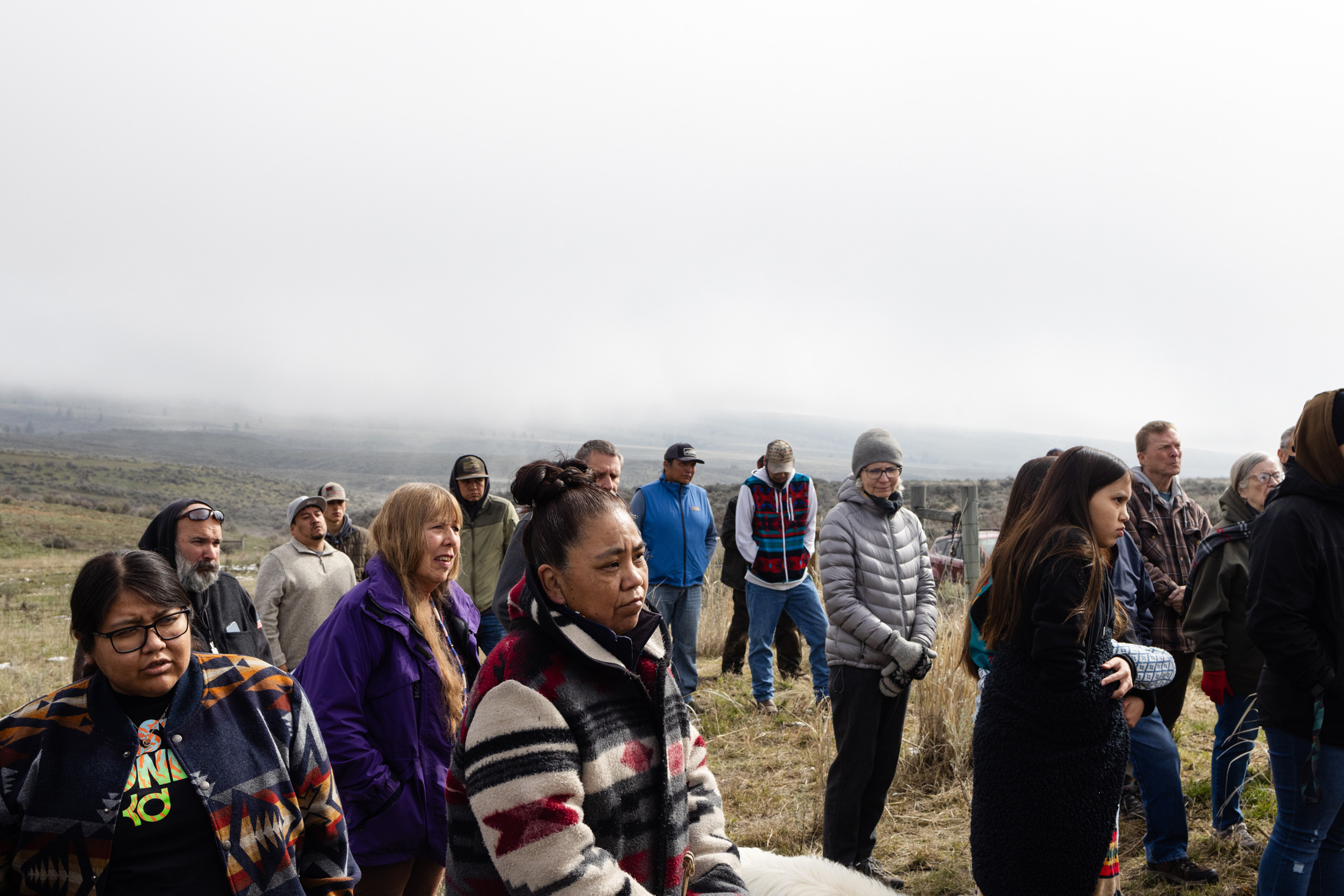
The struggle for Badger Mountain gained considerable public traction following the 2024 investigative report, which illuminated the project’s potential impact on Indigenous cultural resources. In response, members of the Wenatchi-P’squosa, one of the twelve constituent tribes of the Confederated Colville Tribes, organized a powerful demonstration on Badger Mountain. This protest, orchestrated by the independent Wenatchi Advisory Group, which counsels the Colville Tribal Business Council on Wenatchi-P’squosa-specific matters, echoed the Chairwoman’s sentiment: renewable energy is vital, but it must be sited responsibly, respecting sites of deep cultural and spiritual significance. The visible and vocal opposition from the Wenatchi-P’squosa people underscored the deep spiritual connection to the land and the determination to protect it for future generations.
Following this impactful demonstration and the subsequent public outcry, Avangrid announced a temporary pause in development, signaling a willingness to reconsider tribal input and public response. This period of reconsideration highlighted the critical, albeit often insufficient, role of the public comment process as one of the few formal avenues available for tribal nations to advocate for their inherent rights concerning large-scale land development projects. In many jurisdictions, the onus remains heavily on Indigenous communities to prove the significance of their cultural sites and the potential harm posed by development, rather than developers being required to proactively avoid or mitigate impacts on such sensitive areas.
Earlier this month, at a state energy permitting meeting convened by the Energy Facility Site Evaluation Council (EFSEC), Avangrid had initially requested a further year-long extension to pause its permitting work, intending to keep the project technically active within the state’s regulatory system. Mark Eilers, Avangrid’s senior director of business development, attributed this request to significant construction delays impacting the Bonneville Power Administration (BPA). Specifically, Eilers cited an anticipated four-year delay, pushing the completion of BPA’s crucial Cross-Cascades North transmission line to 2032. This line is designed to bolster power delivery from eastern Washington to the burgeoning Seattle metropolitan area, representing a vital piece of the region’s evolving energy infrastructure. While Eilers implied a causal link between these grid delays and Avangrid’s request for an extension, he stopped short of explicitly stating it as the sole reason for their subsequent withdrawal.
The challenges faced by the BPA in constructing the Cross-Cascades North transmission line are emblematic of a broader national and global struggle to modernize and expand energy infrastructure. While the push for renewable energy sources like solar and wind gains momentum to combat climate change, the aging and often insufficient electrical grids present a formidable bottleneck. Siting new transmission lines, like large-scale solar farms, often involves navigating complex environmental reviews, acquiring land, and securing permits across multiple jurisdictions, frequently leading to delays, cost overruns, and local opposition. This intricate web of technical, regulatory, and social factors can significantly impede the pace of renewable energy deployment, creating a "chicken and egg" scenario where generation capacity outpaces the ability to transmit it.
During the EFSEC meeting, the council’s chair, Kurt Beckett, acknowledged the objections raised by both the Yakama Nation and the Colville Tribes regarding the solar project’s potential environmental and cultural impacts. While noting the council’s effort to "minimize as much of that noise" in public forums, he conceded the undeniable existence of these tribal objections, stating, "I don’t wish to overemphasize those, but ultimately they exist." Beckett further affirmed that tribal objections warranted serious consideration in the state’s permitting decisions, a testament to the increasing, albeit sometimes reluctant, recognition of Indigenous sovereignty and treaty rights within state regulatory frameworks.
Just five days after Avangrid’s request for an extension, a surprising turn of events saw the company file a request to completely withdraw its proposal, which had been under review since at least 2019. EFSEC formally announced the withdrawal, stating its intention to "process this request by closing out existing financial arrangements and notifying interested and agency partners." The council offered no further comment, directing all inquiries to the developer, thereby leaving the precise weight of tribal advocacy versus grid infrastructure challenges in Avangrid’s decision-making process an open question.
Despite the ambiguity surrounding Avangrid’s ultimate motivation, the Wenatchi Advisory Group expressed immense relief and gratitude. Steven Wynecoop, vice chair of the group and grandson of its founder, Matthew Dick, articulated the community’s deep connection to the land: "We are very, very happy that they chose to go this route with us, ’cause it is a very sacred site to us." He elaborated on Badger Mountain’s profound and enduring significance, explaining, "Generations, we’ve been going to that mountain for plenty of reasons: medicines, foods like roots and berries." Wynecoop emphasized that families continue to visit the mountain for sacred ceremonies, reaffirming its vital role in their cultural continuity.
Wynecoop also shared a cherished family anecdote that illustrates the deep, intergenerational ties to Badger Mountain. He recounted a story from his grandfather’s youth, when his family was gathering medicines on the mountain and encountered landowners. "A white couple showed up in their car and pulled over and started talking to my grandma, because they adored her son, Uncle Terry, so much," Wynecoop recalled, mirroring his grandfather’s frequent retellings at ceremonies. The couple, charmed by young Terry, who was fishing in a puddle with a stick and string, even offered their portion of Badger Mountain in exchange for adopting him – an offer his grandmother, of course, declined. Wynecoop chuckled as he concluded the tale, quoting his grandfather: "Yeah, now here we are – no Badger Mountain, but we got Terry!" This story, passed down through generations, beautifully encapsulates the inestimable value of family and cultural heritage over material possessions, even land.
The withdrawal of the Badger Mountain solar project serves as a powerful case study in the complex dynamics of modern energy development. It highlights the increasingly unavoidable necessity of integrating Indigenous perspectives and protecting sacred lands into the planning and execution of large-scale renewable energy initiatives. Globally, the drive for clean energy often collides with the rights and traditions of local communities, particularly Indigenous peoples who have stewarded their ancestral lands for millennia. This incident in Washington State underscores a growing recognition that true sustainability must encompass not only environmental protection but also social equity, cultural preservation, and respect for Indigenous sovereignty. As the world accelerates its transition to renewable energy, the lessons from Badger Mountain will undoubtedly inform future projects, compelling developers, governments, and communities to seek more collaborative and culturally sensitive pathways forward. The event reinforces the idea that while renewable energy is crucial for a sustainable future, its development must not perpetuate historical injustices or desecrate invaluable cultural landscapes, urging a more holistic and ethical approach to energy transition.