

 Joko Susilo
Representatives from 20 pueblos converged on the U.S. Capitol on Wednesday, joining New Mexico’s congressional delegates to deliver a resounding, unified message: "Chaco Canyon is not for sale." This urgent plea underscores a deepening conflict between Indigenous communities and federal policymakers over the future of a landscape considered sacred, historically invaluable, and critically vulnerable to industrial development. Tribal leaders, whose Ancestral Puebloan forebears established a major urban center in Chaco Canyon over a millennium ago, have long voiced profound opposition to any attempts to diminish protections for this irreplaceable cultural heritage. Their resistance now intensifies as the Bureau of Land Management (BLM) signals plans to revoke a crucial 10-mile buffer zone, effectively reopening vast areas around Chaco Culture National Historical Park to oil and gas drilling and mineral extraction.
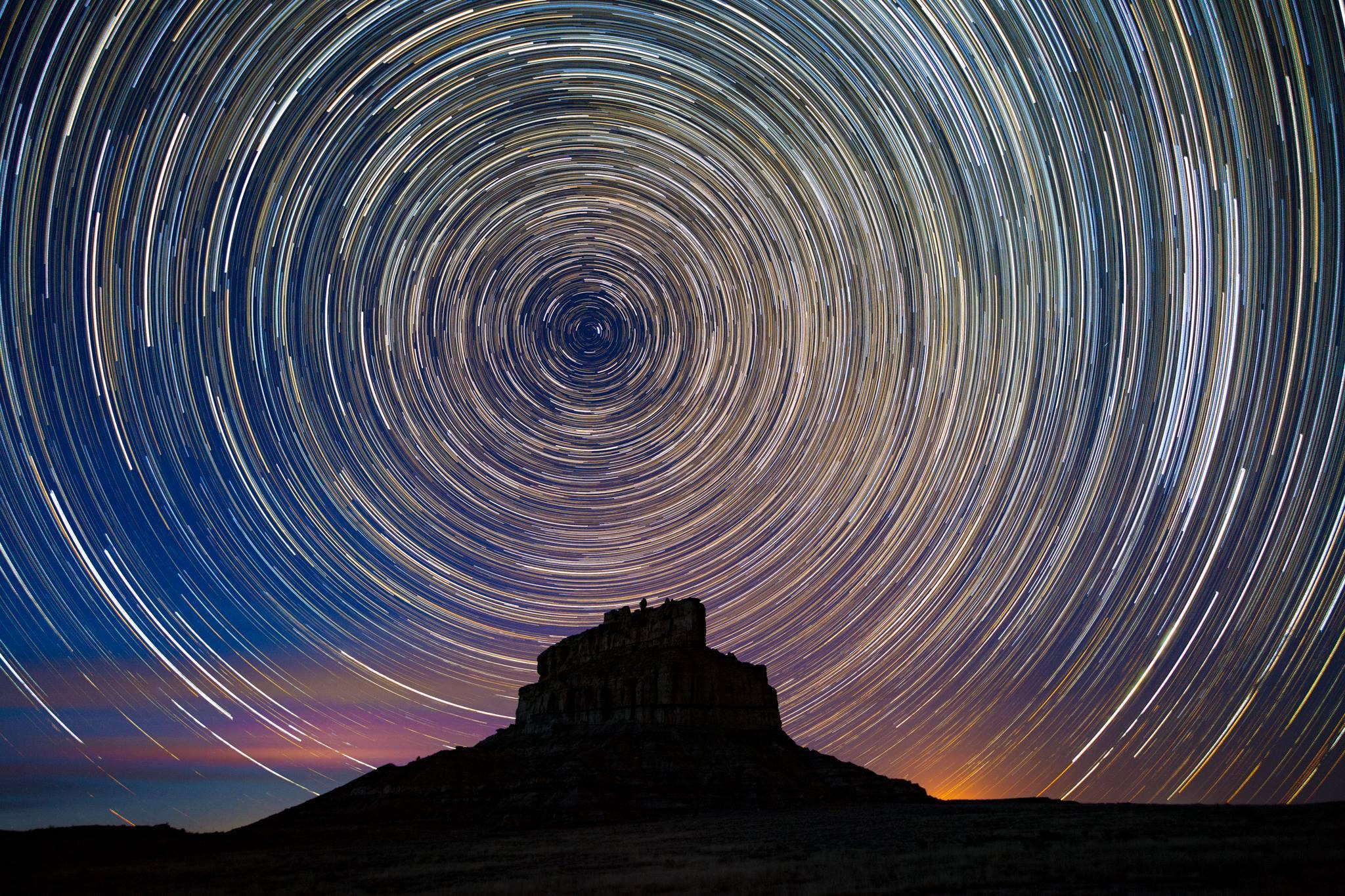
Chaco Culture National Historical Park, designated a UNESCO World Heritage site, represents the zenith of Ancestral Puebloan culture, flourishing between 850 and 1250 A.D. Its monumental "Great Houses," intricate road systems, and sophisticated astronomical alignments testify to a complex society with profound scientific and spiritual understanding. For the modern Pueblo peoples of New Mexico and Arizona, Chaco is not merely an archaeological ruin; it is a living landscape, a vibrant nexus of prayer, pilgrimage, and a cornerstone of their identity. The deep connection to this land, stretching back thousands of years, imbues the buffer zone debate with profound spiritual and cultural significance, far transcending mere land management policy. U.S. Rep. Gabe Vasquez articulated this sentiment at Wednesday’s news conference in Washington, D.C., stating, "Chaco Canyon is a vibrant place of prayer, pilgrimage and core to the identity of many Southwest tribes… In other words, there is no replacing it."
The current controversy stems from the BLM’s proposal to rescind a 2023 Secretarial Order, issued by then-Interior Secretary Deb Haaland, a New Mexico Democrat and the first Native American to hold the post. That order had commendably withdrawn approximately 336,404 acres of federal land within a 10-mile radius of Chaco Culture National Historical Park from new oil and gas leasing and mining for a period of 20 years. Haaland’s directive was a landmark victory for Indigenous rights and cultural preservation, responding to decades of advocacy from tribal nations and environmental groups. The Trump administration, characterized by its aggressive push for deregulation and increased domestic energy production, had previously attempted to roll back environmental safeguards and open more public lands to extraction. The current move to revoke the buffer zone aligns with this pro-extraction philosophy, rekindling concerns that economic interests are being prioritized over environmental stewardship and Indigenous cultural rights.
Supporters of the buffer zone have ramped up their public outreach and advocacy efforts, vehemently protesting the accelerated timeline for public input. The BLM’s decision to offer a mere two-week public comment period on the environmental assessment for the plan to allow drilling and mining, which concludes on July 29, has been widely condemned as an "absolute gut punch" and an "insult" to New Mexico and its pueblos. Cochiti Pueblo Gov. Phillip Quintana succinctly framed the ethical dilemma at hand: "The question before us is simple: What kind of legacy will we leave? Will we choose short-term extraction, or will we choose to protect one of the most important Indigenous cultural landscapes in North America, a place whose meaning reaches far beyond any single administration?" This sentiment resonates with global calls for responsible stewardship of heritage sites, particularly those intrinsically linked to living cultures.
The political pushback from New Mexico’s federal delegation has been swift and decisive. All five of New Mexico’s Democratic senators and members of Congress penned a joint letter to U.S. Interior Secretary Doug Burgum, urging him to extend the comment period to a minimum of 90 days. Beyond the procedural demand, the letter also implored Burgum to personally visit Chaco Canyon "before taking any action that would put this irreplaceable landscape at risk." This request takes on added weight given Burgum’s reported commitment during an appearance before the House Natural Resource Committee in June 2024, where he indicated a willingness to engage with the issue. U.S. Rep. Teresa Leger Fernández, whose district encompasses Chaco Canyon, did not mince words, stating, "He lied," implying that Burgum’s current actions or inaction contradict his earlier assurances. "But we will hold him to his comment. We will hold the Department of Interior to the rules and the laws and the regulations, and we will not let them silence us." Joey Sanchez, chair of the All Pueblo Council of Governors, echoed this frustration, noting, "We asked for a meeting, but we never got it. I don’t know if you’re here in town, but you know we’re here. We’re ready to be with you. We ask you to come and visit." Secretary Burgum has yet to respond to these requests for comment, fueling further accusations of disregard for tribal concerns.
At the state level, New Mexico is also being urged to take a more assertive stance. State Rep. Derrick Lente, D-Sandia Pueblo, called upon Governor Michelle Lujan Grisham to make New Mexico’s opposition "unmistakable" and to deploy state resources to defend the landscape. Lente specifically advocated for the state Department of Cultural Affairs and the State Historic Preservation Officer to utilize their full authority under the National Historic Preservation Act (NHPA). The NHPA mandates that federal agencies consider the impacts of their undertakings on historic properties and consult with state and tribal historic preservation officers. By leveraging this federal review process, Lente believes the state can insist on a thorough and honest study of the cultural harm posed by the proposal. Governor Lujan Grisham’s office affirmed her strong opposition, with a spokesperson stating she has been "pushing back on this terribly shortsighted and reckless proposal for months," including submitting official administration correspondence and coordinating with the congressional delegation.
While New Mexico’s Pueblo leaders have demonstrated remarkable unity in their opposition, the situation within the Navajo Nation, whose vast lands encircle Chaco Canyon, presents a more complex picture. For many Navajo citizens, particularly those with land allotments, the prospect of oil and gas development represents a potential source of income and economic self-sufficiency. Navajo President Buu Nygren, who recently placed third in his primary election and will not return to office next year, has historically opposed the buffer zone. His stance is largely mirrored by the two candidates vying to succeed him. Justin Jones, a leading candidate, has explicitly supported the rights of allottees to develop oil and gas extraction, citing their surface and subsurface possessory rights, a position reported by the Navajo Times in 2022. Similarly, Crystalyne Curley, the Navajo Nation Council Speaker, strongly disagreed with Secretary Haaland’s 2023 decision to impose the 10-mile buffer.
This perspective, however, is not universal within the Navajo Nation. Mario Atencio, a Navajo activist and vocal critic of the oil and gas industry’s impact on his homeland, highlights the environmental and public health risks. Atencio, whose family holds allotments within the buffer zone, warns that revoking protections would grant the government "free rein to pollute the land," posing significant and "challenging and detrimental" consequences for the public health of local communities. The dilemma within the Navajo Nation underscores the intricate balance between economic aspirations, individual property rights, and the collective imperative for cultural and environmental preservation—a microcosm of the broader national debate.
The Chaco Canyon controversy transcends local and regional politics, touching upon fundamental questions of indigenous sovereignty, environmental justice, and the responsible management of public lands. It spotlights the global challenge of balancing energy demands with the preservation of irreplaceable cultural heritage and fragile ecosystems. As the planet grapples with climate change and the imperative for sustainable development, decisions made regarding sites like Chaco Canyon resonate far beyond the arid landscapes of New Mexico, serving as a critical test of global commitments to cultural preservation and the rights of Indigenous peoples. The battle for Chaco is a fight for history, identity, and the very definition of progress in the 21st century.







