Joko Susilo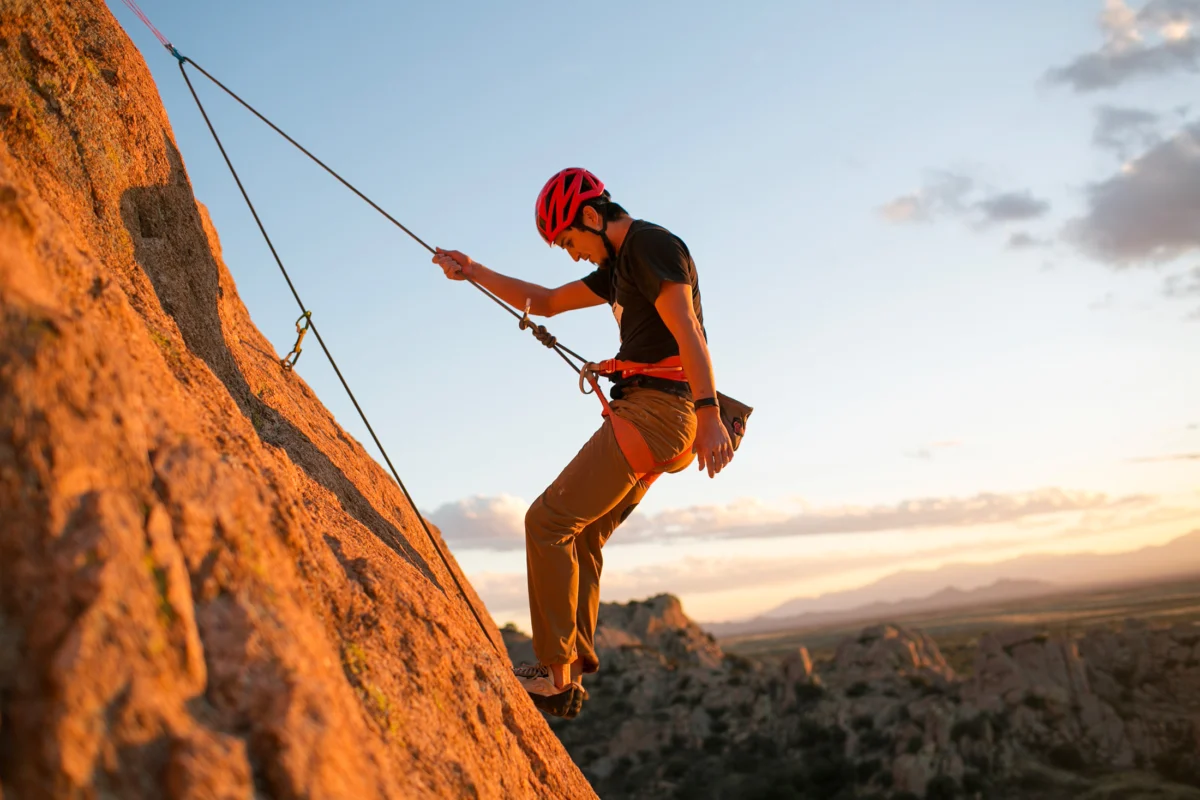
A decades-long, often contentious, debate regarding the management of rock climbing within America’s designated wilderness areas appears to be nearing a pivotal resolution, as federal land-management agencies, including the U.S. Forest Service and entities within the Department of Interior, recently unveiled comprehensive draft guidance on the use of permanent anchors. These critical pieces of metal hardware, essential for securing ropes and ensuring climber safety, lie at the heart of a philosophical and practical conflict between outdoor recreationists and wilderness conservationists. The release of this guidance in mid-June directly responds to the mandate set forth by Congress’s landmark 2025 Protecting America’s Rock Climbing (PARC) Act, which sought to clarify climbing’s place in these pristine environments.
The controversy itself is deeply rooted in the foundational principles of the 1964 Wilderness Act, a landmark piece of legislation designed to preserve vast swathes of American landscape "untrammeled by man, where man himself is a visitor who does not remain." This act generally prohibits permanent infrastructure, mechanical transport, and commercial enterprises within designated wilderness, fostering areas intended for solitude, primitive recreation, and the preservation of natural processes. However, rock climbing, in many regions, predates the very creation of these wilderness designations, establishing a historical precedent and a deep cultural connection for a passionate community of outdoor enthusiasts. The tension arises precisely where the modern practice of climbing, particularly its reliance on fixed protection, clashes with the strict interpretation of wilderness purity.
For climbers ascending sheer rock faces, safety is paramount. They utilize various protective devices, strategically placed in the rock to secure their ropes and mitigate the risks of falls, as well as to facilitate safe rappels from the summit or end of a route. These devices fall into two primary categories: removable and fixed. Removable protection, often referred to as "traditional" or "trad" gear, includes items like spring-loaded camming devices (cams) and nuts, which can be slotted into cracks and retrieved after a climb, leaving minimal to no trace. Conversely, fixed anchors, as their name suggests, are designed to remain permanently in the rock. These can range from drilled bolts, requiring specialized tools to bore into the rock and attach metal hangers, to pitons—small metal spikes hammered into cracks—or even ropes and slings left around natural features like sturdy trees or boulders to create a secure rappel station. The decision to use fixed anchors often stems from the absence of natural features suitable for removable gear, or a desire to enhance safety on frequently climbed routes, transforming them into "sport climbs" accessible to a broader range of climbers.

The new draft guidance, which is currently undergoing public review, demonstrates a varied approach among the different federal agencies tasked with managing these wilderness lands. The National Park Service (NPS), for instance, proposes a more stringent framework, necessitating climbers to obtain special-use permits or broad authorization from a park superintendent before installing any new bolts. This reflects the NPS’s historically conservative stance on development within its protected areas, aiming to maintain the highest standard of wilderness character. In contrast, the Bureau of Land Management (BLM) suggests a comparatively more lenient policy, potentially allowing climbers to place a limited number of bolts without requiring explicit prior authorization, acknowledging the vast and often remote nature of its holdings and the diverse recreational uses they support. The U.S. Forest Service, which oversees a significant portion—approximately half—of the nation’s public land climbing areas, has opted for a localized approach, directing its regional offices to collaborate directly with climbers and climbing organizations to formulate specific management plans tailored to both wilderness and non-wilderness climbing zones. This decentralized strategy aims to foster community engagement and ensure plans are responsive to local conditions and climbing traditions.
Erik Murdock, Deputy Director of Programs, Policy, and Government Affairs at the Access Fund, a prominent non-profit organization dedicated to advocating for climbing access and environmental conservation, views the new guidance as a critical step forward. "Many different people and user groups are competing for space in our public lands, and climbers are definitely part of that mosaic," Murdock explained, emphasizing that these policies help affirm climbing’s legitimate presence. While he acknowledged some minor disagreements with specific details, he broadly characterized the proposed rules as "overall workable policies" that provide much-needed clarity for the climbing community. The Access Fund and its constituents have long argued that responsible climbing, including the judicious use of fixed anchors for safety, is a valid and enduring form of wilderness recreation.
However, the proposed guidelines have not been universally embraced. Wilderness Watch, a Montana-based environmental non-profit, through its policy director Dana Johnson, expressed profound concerns that the new rules are insufficiently restrictive and could inadvertently sanction uses that fundamentally contradict the spirit and intent of the Wilderness Act. Johnson highlighted a critical operational challenge: numerous Forest Service regional offices have experienced significant attrition of wilderness staff over the past 18 months, attributed to deferred resignations and budget cuts from the now-defunct Department of Government Efficiency (DOGE). This depletion of personnel, she argues, severely compromises the agencies’ ability to effectively develop, implement, and monitor new management plans, or to adequately oversee both existing and newly established climbing routes featuring permanent anchors. "We’re pushing wildlife into increasingly smaller pockets of protected space," Johnson asserted, articulating a broader worry about cumulative impacts and the ever-growing demand for access to diminishing wildlands.
Johnson’s apprehensions echo those previously raised by certain officials within the Biden administration. In 2023, driven by concerns over potential environmental damage from overcrowding and an proliferation of permanent bolts, the administration had actually proposed a national directive. This earlier proposal sought to prohibit all new fixed anchors in wilderness areas and mandated a comprehensive review of existing climbing routes. However, this course was dramatically altered just two years later by the passage of the PARC Act, which definitively codified recreational climbing—including the use, placement, and maintenance of fixed anchors—as an appropriate activity within wilderness areas. This legislative intervention underscored a significant shift in federal policy, favoring recreational access over a stricter preservationist approach regarding climbing infrastructure.

Yet, some within the outdoor community argue that the intense focus on permanent anchors, while important, diverts attention from a more pervasive and multifaceted challenge facing America’s wilderness: overall human impact. Zach Lentsch, who owns Wyoming Mountain Guides and regularly leads clients into designated wilderness areas, contended that fixed anchors represent a relatively narrow aspect of a much larger problem. He pointed out that other "quiet recreationists," such as hikers and backpackers, also contribute significantly to wilderness overcrowding and ecological degradation. Lentsch cited the alarming example of Lonesome Lake, nestled near the iconic Cirque of the Towers in Wyoming’s Wind River Range, where dangerous levels of E. coli have been detected, largely due to improper disposal of human waste. He argued that simply banning fixed anchors would never address such systemic issues. Instead, Lentsch advocates for a holistic approach, urging agencies to collaborate with all wilderness user groups to develop comprehensive permit systems that regulate use where necessary, and to enforce practices such as requiring campers to carry out human waste using specialized bags. He also emphasized the deeply ingrained ethical code within the climbing community: "If you don’t need a fixed anchor, you typically don’t bring one," reflecting a long-standing commitment to minimal impact where traditional gear suffices.
The outcome of this policy debate will set significant precedents for the future of wilderness management, balancing the inherent tension between human recreation, safety, and the preservation of natural integrity. It reflects a microcosm of the larger global challenge faced by protected areas worldwide: how to accommodate increasing human interest and recreational demand without compromising the ecological and spiritual values these lands are meant to safeguard. The public comment period for the Forest Service proposal concluded on July 20, while the comment periods for the National Park Service, Bureau of Land Management, and Fish and Wildlife Service guidelines remain open until August 14, providing a final opportunity for stakeholders across the spectrum to shape the definitive rules governing climbing in these irreplaceable landscapes. The decisions made will influence not only the climbing experience for generations but also the very character of America’s cherished wilderness.