Joko Susilo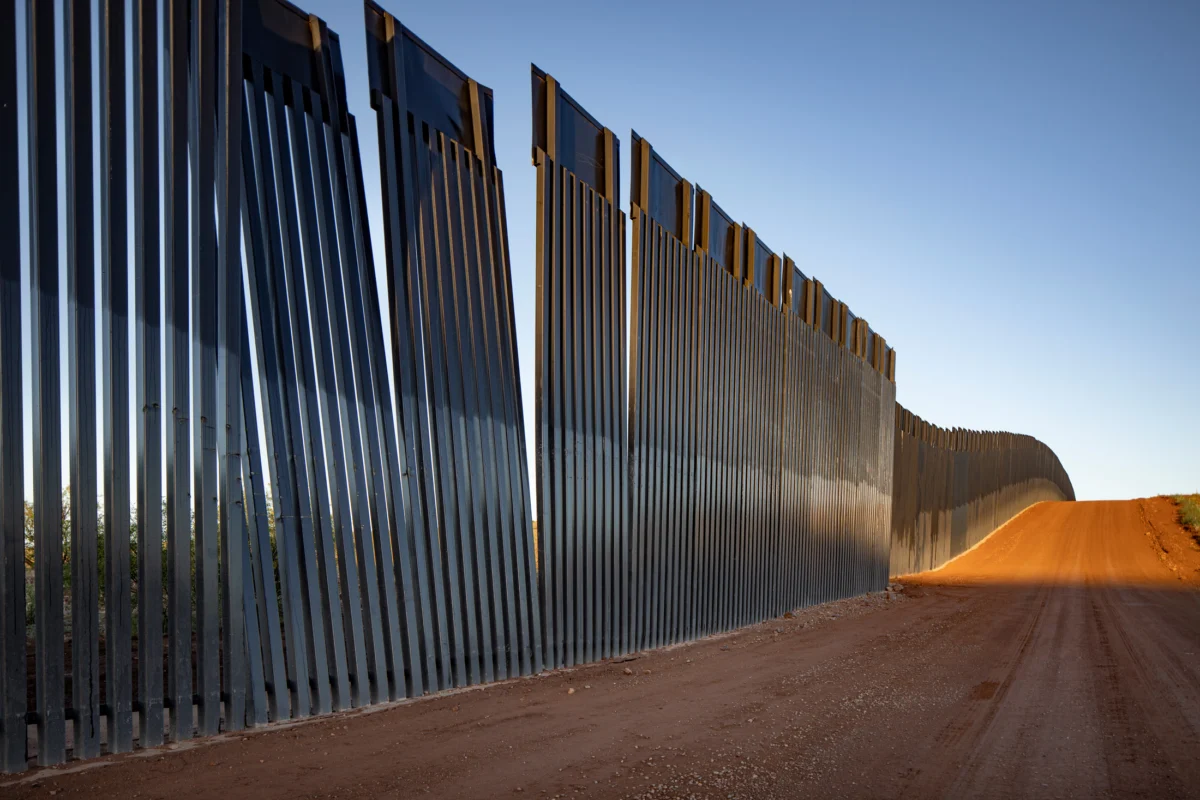
In a striking visual testament to the persistent challenges plaguing U.S. border security initiatives, a section of the newly constructed barrier in southern Arizona’s remote San Rafael Valley recently exhibited significant structural damage, sparking renewed questions about construction quality, oversight, and the staggering costs involved. Documentary photographer Mikal Jakubal, venturing into the region to capture its unique natural beauty, inadvertently uncovered the compromised wall in early May. His photographs depicted a concrete base fractured and at least four massive metal planks, each estimated to weigh upwards of 8,000 pounds, pushed forward at unnatural angles, leaving conspicuous gaps in the formidable barrier. Initially pondering whether heavy equipment might have been responsible, Jakubal noted the construction firm had already relocated, adding a layer of mystery to the severe disfigurement of the imposing structure.
The visible damage, which remained unrepaired into early July despite the placement of a small orange construction cone as a makeshift warning, underscored a concerning lack of immediate attention to critical infrastructure failures. When pressed for comment, U.S. Customs and Border Protection (CBP) acknowledged the repairs had since been completed and stated no injuries occurred during the wall’s initial construction. However, the agency conspicuously sidestepped specific inquiries regarding the cause of the damage, instead directing questions to Fisher Sand & Gravel, the North Dakota-based firm awarded the substantial $309 million contract to erect 27 miles of the border wall, including the compromised segment in Arizona’s School Canyon. Repeated attempts to elicit responses from Fisher Sand & Gravel proved fruitless, leaving a void of official explanation that critics argue is symptomatic of a broader pattern of opacity surrounding these massive public works projects.
This incident, far from isolated, adds to a growing dossier of controversies and structural deficiencies that have plagued the rapid expansion of border fortifications along the U.S.-Mexico divide. Advocates and environmental groups have long voiced concerns that the expedited construction processes, often circumventing established legal and environmental safeguards, have fostered an environment where shoddy workmanship and accountability gaps become the norm. A 1996 statute, initially signed into law by President Bill Clinton and subsequently invoked by multiple administrations, empowers the Secretary of the Department of Homeland Security (DHS) to waive dozens of federal laws in the name of accelerating border wall construction. This powerful executive authority gained unprecedented application during the Trump administration, notably when then-DHS Secretary Kristi Noem declared a national emergency, enabling the fast-tracking of contracts and the suspension of critical oversight.

Noem’s sweeping waivers, in particular, cleared the path for firms like Fisher Sand & Gravel to secure lucrative, often no-bid contracts for sections of the wall, bypassing competitive bidding processes that typically ensure greater scrutiny and value for taxpayer money. Critically, these waivers also exempted projects from the National Environmental Policy Act (NEPA), a cornerstone of U.S. environmental law that mandates thorough assessments of potential impacts on local communities and ecosystems. The repercussions of this legal circumvention are profound, leading to a cascade of environmental degradation and a diminished capacity for public and legislative oversight, which, in turn, fuels an atmosphere ripe for construction missteps and financial impropriety. A lawsuit challenging the legality of these no-bid contracts remains ongoing, highlighting the deep-seated contention surrounding the procurement practices for this monumental infrastructure endeavor.
Fisher Sand & Gravel, founded by Gene Fisher in 1952, experienced an unprecedented surge in government contracts during the Trump years, reportedly accumulating billions from border wall projects. Yet, this financial success has been shadowed by a series of high-profile controversies regarding the quality and sustainability of its work. In 2020, the company attracted widespread criticism for a privately funded, three-mile segment of the wall it constructed in Texas. Erected dangerously close to the shifting banks of the Rio Grande, the structure was later deemed vulnerable to collapse. Months after its completion, Hurricane Hanna struck the region, and floodwaters carved significant erosional channels beneath the wall, further compromising its integrity. Within a few years, sections of this same barrier began to warp, demonstrating a concerning lack of resilience against natural forces and raising serious questions about the long-term viability of the construction.
These failures are not unique to Fisher Sand & Gravel. Across the vast and ecologically diverse U.S.-Mexico border, other segments of the wall constructed by different contractors have also shown alarming signs of vulnerability. A government report detailed how another contractor, Southwest Valley Constructors, cleared vital vegetation on a peak in the Pajarito Mountains, contributing to a severe erosion risk that now threatens an "entire mountainside" with collapse. Elsewhere, the sheer force of desert winds has proven sufficient to dislodge or severely damage sections of the border wall in California and New Mexico. In one instance near Deming, New Mexico, a viral video captured panels toppling in strong gusts, prompting CBP to issue a statement attributing the collapse to panels "pending additional anchoring," a clear indicator of incomplete or inadequate construction protocols.
The recurring incidents of structural failure, coupled with the systemic lack of transparency, reinforce the arguments of critics like Laiken Jordahl, a national public-lands advocate with the Center for Biological Diversity. Jordahl contends that the border wall functions more as "political theater" than an effective deterrent, its formidable appearance belied by its practical limitations. He has publicly demonstrated how smugglers, armed with readily available tools like angle grinders, can cut through the wall’s bollards with relative ease, often through sections that repair crews have only recently welded. Such instances, documented in places like Organ Pipe National Monument, highlight the immense investment in a barrier that ultimately fails to achieve its primary objective while inflicting irreversible damage on some of North America’s most fragile and biodiverse ecosystems.

The U.S.-Mexico border region is a mosaic of unique desert wildernesses, critical migration routes, and sensitive habitats vital for numerous species, including jaguars, ocelots, and various desert flora and fauna. The wall’s construction has fragmented these ecosystems, severed ancient migration corridors, disrupted natural water flows, and obliterated culturally significant sites, creating an ecological crisis that environmentalists argue will have lasting, detrimental impacts. Beyond the immediate environmental costs, the billions of taxpayer dollars allocated to these projects raise significant economic questions. The combination of expedited contracts, reduced oversight, and documented construction failures suggests a potential for widespread waste and inefficiency, diverting funds that could otherwise be invested in more effective and humane border management strategies, community development, or environmental conservation efforts.
The ongoing saga of the damaged border wall in Arizona serves as a potent microcosm of the larger, complex challenges inherent in modern border security policies. It encapsulates the tension between political rhetoric and practical realities, the struggle for governmental accountability, the profound environmental costs of unchecked development, and the enduring debate over the most effective, ethical, and sustainable approaches to managing international frontiers. As nations globally grapple with issues of migration, sovereignty, and security, the experiences along the U.S.-Mexico border offer critical lessons on the multifaceted implications of large-scale infrastructure projects and the paramount importance of robust oversight, transparency, and a holistic understanding of their true societal and ecological footprint.