Rocky Georgio
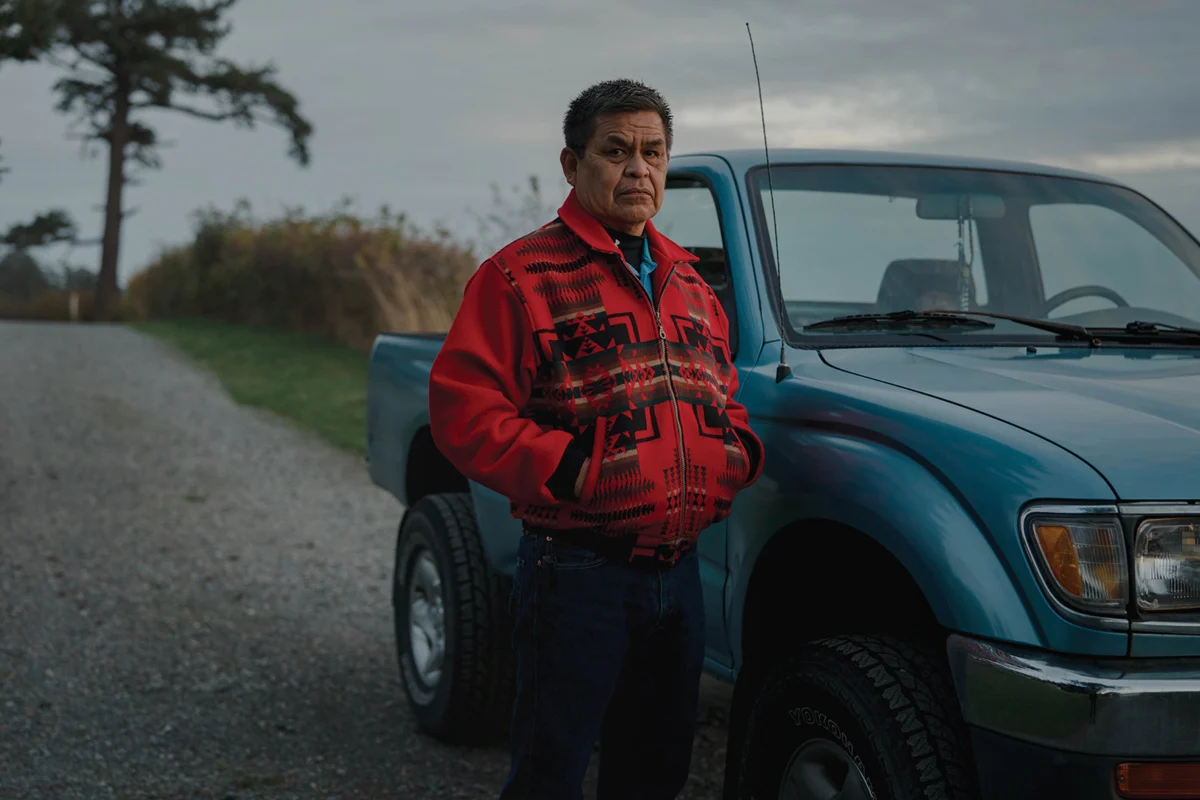
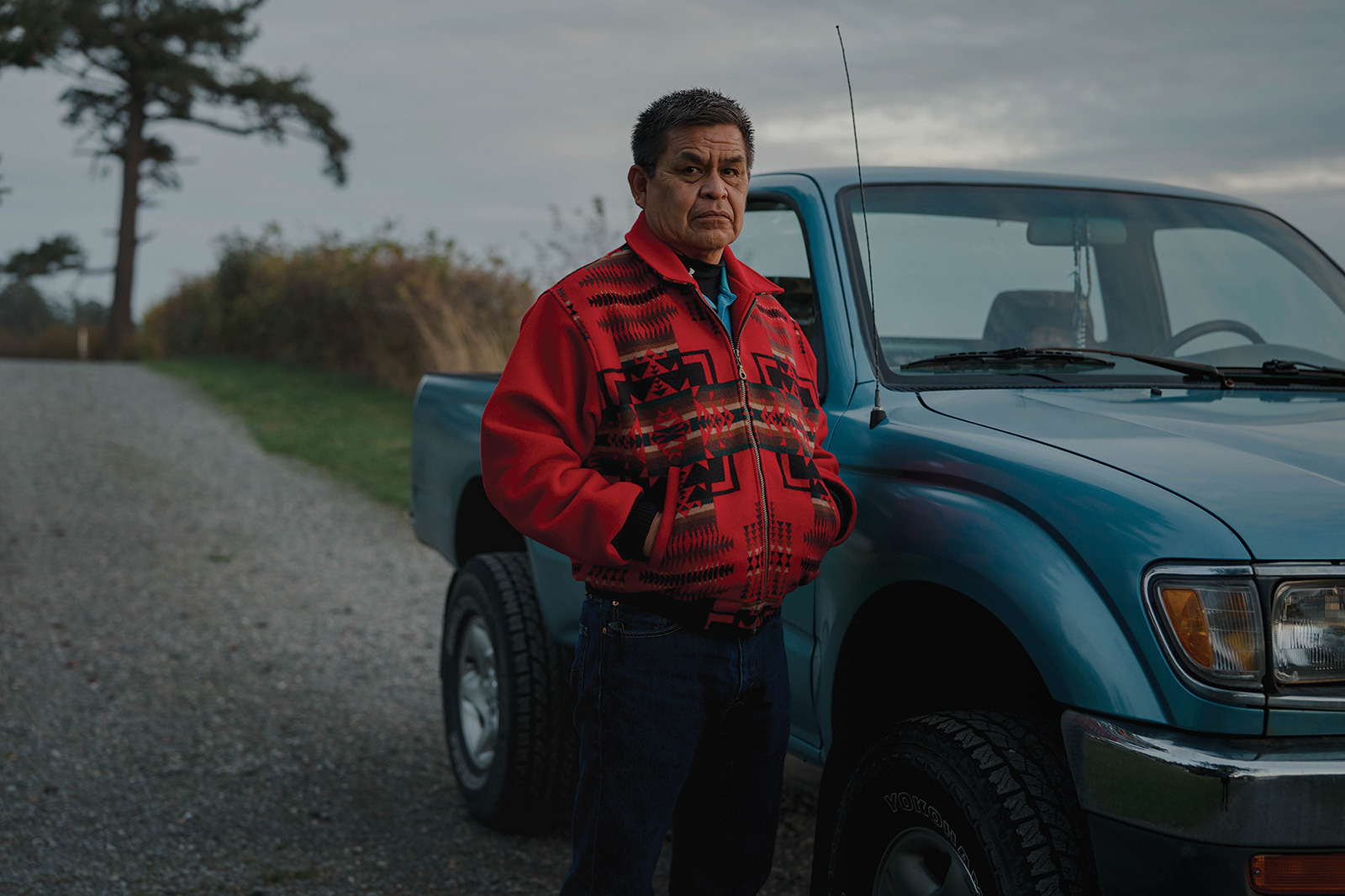
The ambitious Smokehouse Tidal Marsh project, launched in 2022 on the Swinomish Indian Reservation, is transforming 250 acres of former agricultural land into vital estuaries and wetlands, a critical step in a broader effort by tribal communities to revitalize endangered and threatened populations across the Puget Sound region. This initiative is directly aimed at supporting the recovery of iconic species such as Puget Sound chinook salmon, Puget Sound steelhead, bull trout, and the critically endangered southern resident killer whales, all of which depend on the health of the Skagit River Watershed. For decades, habitat loss and degradation, largely driven by unchecked development and intensive agriculture, have been identified as primary drivers behind the precipitous decline of these species. Swinomish Tribal Indian Community Chairman Steve Edwards, a lifelong resident and fisherman with over 50 years of experience in the area, emphasized the profound impact of this habitat destruction, stating, "Over the past 150 years or so, there’s been significant damage to the habitat, and (the habitat is) what salmon needs."
A significant challenge to these conservation endeavors emerged in July when the Trump administration finalized changes to the federal government’s interpretation of the 1973 Endangered Species Act (ESA). Previously, the definition of "harm" to a protected species encompassed not only direct injury but also the destruction or degradation of the habitat and resources essential for its survival. However, the revised regulations drastically narrowed this scope, stipulating that "harm" now primarily refers to the intentional killing or injuring of an individual member of a species. This shift fundamentally alters the act’s focus from comprehensive ecosystem protection to a more limited, species-by-species approach, potentially undermining decades of conservation efforts.
In direct response to this reinterpretation, the Swinomish and Squaxin Island tribes jointly filed a lawsuit against the federal government on July 14, characterizing the changes as a "radical reinterpretation" of the law. They argue that the administration’s actions disregard over 50 years of congressional intent and established Supreme Court precedent. The tribes articulated the deep connection between their cultural and economic well-being and the health of the region’s natural resources, stating in their legal filing, "Squaxin’s cultural and economic well-being depend upon the health and sustainability of Pacific Salmon and other freshwater and marine resources, which play a central role in the daily lives of Tribal members." Chairman Edwards expressed profound disappointment and a sense of betrayal, noting that federal agencies failed to engage in government-to-government consultation with the Swinomish Tribe regarding these changes, despite the United States’ trust obligation to Native nations. "It feels almost like we’ve been betrayed by our federal trustees," Edwards remarked, highlighting how the changes diminish their treaty rights and expressing distress at having to contest such fundamental protections.
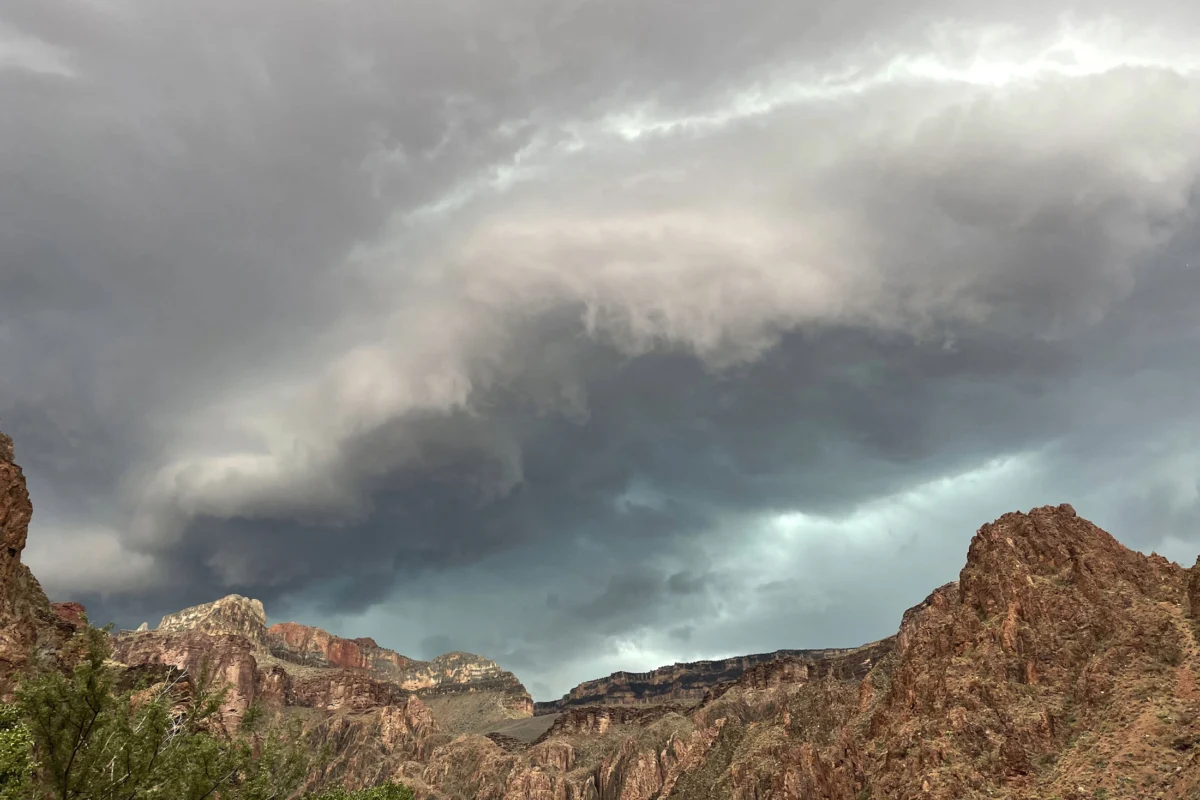
These regulatory revisions faced widespread opposition from numerous Native nations during the public comment period when they were initially proposed. Tribes voiced concerns about the lack of meaningful consultation and the potentially devastating consequences for the recovery of imperiled species that hold profound cultural, spiritual, and relational significance. Beyond the direct impacts on wildlife, the changes also threaten the economic stability of fishing communities and the subsistence lifeways of those who rely on these natural resources. While many comments originated from tribes in the Pacific Northwest, particularly concerning salmon, other tribes, such as the Pueblo of San Felipe, submitted concerns regarding the monarch butterfly and Suckley’s cuckoo bumblebee. The Fallon Paiute-Shoshone Tribe, in particular, expressed deep concern for the Dixie Valley toad, which the tribe considers a relative.
Cathi Williams-Tuni, Chairwoman of the Fallon Paiute-Shoshone Tribe, underscored the logical connection between habitat and species survival in her public comments, stating, "It is obvious that removing water from a species that needs water to survive harms both individual members of the species and the species’ population." She specifically referenced the potential impacts of a proposed geothermal project in Dixie Valley, which had been halted in 2022 following the toad’s endangered listing. The administration’s revised ESA interpretation could allow such projects to resume, with potentially catastrophic consequences for the tribe’s sacred sites and their ability to utilize local springs for medicinal and ceremonial purposes. "These harms in Dixie Valley would be catastrophic, permanently ruining the Tribe’s sacred site and ending the ability to use the springs for medicine and ceremonies," Williams-Tuni warned. The tribes are seeking a court injunction to prevent the regulatory changes, which officially took effect on September 14, from moving forward, and they aim to have the changes declared unlawful, reverting to the prior, broader definitions of "harm." While they anticipate a swift resolution, the tribes acknowledge that the legal process could extend for many months.
The revised ESA interpretation is seen as a significant benefit for developers and industries, potentially alleviating the need to consider or mitigate the broader habitat impacts of their projects. Previously, activities that threatened to destroy habitat crucial for protected species would trigger a permit process that typically involved tribal consultation. Under the new rules, such permits will be required less frequently, effectively sidelining tribal involvement in decisions affecting their ancestral lands and resources. Bob Anderson, a professor of law at Harvard Law School and a member of the Bois Forte Band of the Minnesota Chippewa Tribe, noted the increased difficulty in proving intentional harm, a requirement that could prove challenging in legal proceedings. "Companies won’t have any incentives to negotiate with the government or environmental groups or tribes about how their activities are going to affect the listed species," Anderson observed.
This regulatory shift also casts uncertainty over existing large-scale agreements concerning rivers with ESA-listed species. Systems like the Klamath, Elwha, and Columbia rivers rely on regulated water releases from dams to support the critical migration and spawning cycles of endangered salmon, as mandated by the ESA. The new interpretation could jeopardize these established protocols and significantly impede ongoing salmon recovery efforts. Kayeloni Scott, Executive Director of the Columbia River Snake Campaign, representing a coalition of conservation groups, businesses, and the Nez Perce Tribe, expressed pessimism about the current state of species recovery, stating, "We’re not even close to delisting these species. Our goal is abundance – healthy and abundant populations – that’s a whole other level, a whole other tier. Even getting to delisting, we’re pretty far off."

Anderson believes that while the legal arguments presented by the tribes and environmental groups are robust, they face a significant political challenge, particularly given the administration’s history of retaliatory actions. He cited the example of the Miccosukee Tribe of Indians of Florida, which, after joining a lawsuit against the administration regarding an immigration detention center in the Everglades, saw President Donald Trump veto an unrelated land return bill, explicitly linking the veto to the tribe’s opposition to the detention center. "That’s a real message there to plaintiffs that they’re going to retaliate against you," Anderson commented, underscoring the high stakes involved when challenging federal policy.
Despite these significant challenges, Chairman Edwards remains steadfast in his commitment to preserving the nation’s sovereign rights for future generations and vows that the Swinomish Tribe will continue its vital restoration work. "It does impact our sovereignty," Edwards stated regarding the changes to species protections. "Generations down the road, I want (Swinomish citizens) to be able to exercise their treaty rights like I have done in the past." The ongoing legal battle underscores the profound interconnectedness of environmental protection, tribal sovereignty, and the enduring legacy of treaty rights in the United States.