Johny Prima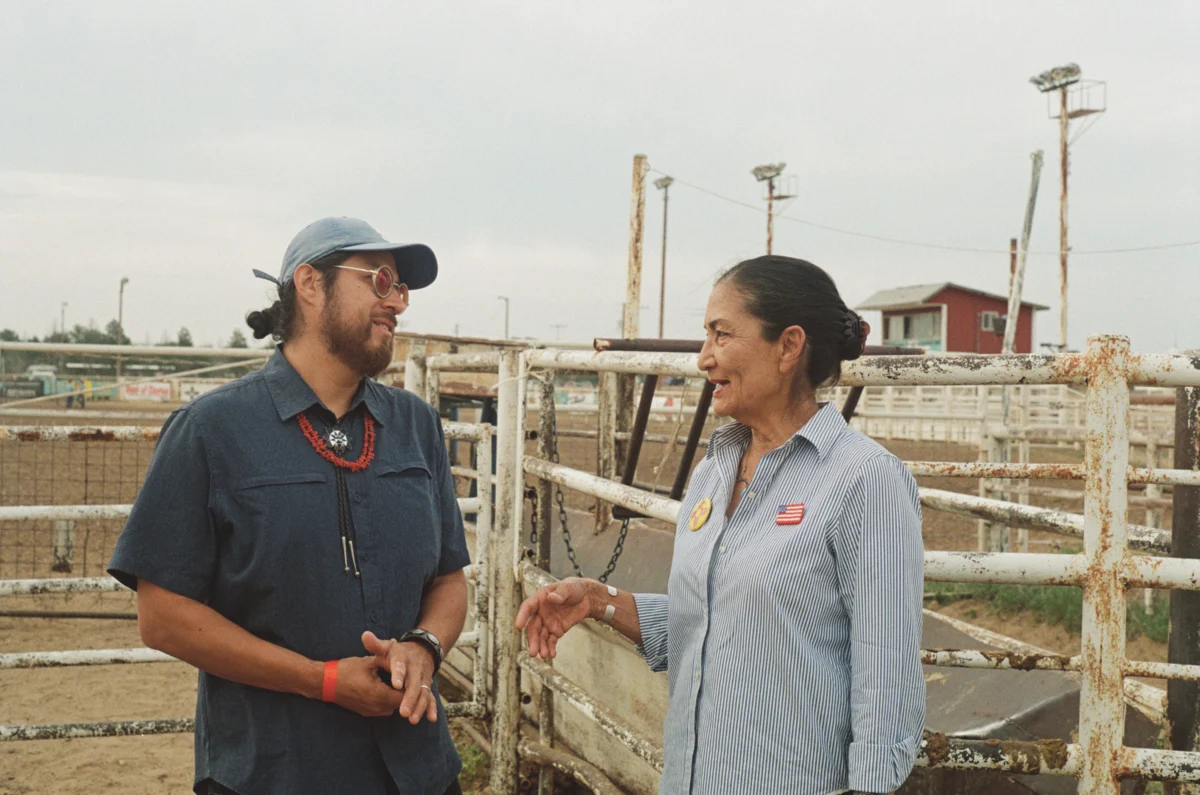
In the pre-dawn quiet, a sacred ritual unfolds in the American Southwest, a practice deeply rooted in land-based belief systems. With corn pollen held reverently in the right hand, an individual offers prayers facing east towards the majestic Sandia Mountains, expressing gratitude for the new day and setting intentions for a peaceful journey forward. This ancient ceremony, drawing corn from the red clay fields of the Zuni Mountains where Pueblo relatives have prayed for millennia, embodies a profound understanding: that one is precisely where they are meant to be, at any given time and place, in constant presence with all existence. This reverence for ancestors, for the earth, and for the continuous path of life shapes a worldview passed down through countless generations, a worldview that now informs a historic political ascent.
This enduring spiritual framework resonates deeply with Deb Haaland, a Laguna and Jemez Pueblo relative who begins her own days with a similar recommitment to the ancestral teachings that have guided her. "I wake up every morning, and I recommit myself to the things that I was taught by my grandparents," Haaland affirmed in April outside a Santa Fe energy summit. Her grandparents, contemporaries of many Pueblo elders, shared a common knowledge and lifeway, fostering the resilience and wisdom that have propelled her to this pivotal moment. Having made history as the first Indigenous Secretary of the Interior during the Biden administration, Haaland embarked on an extensive campaign trail since 2025, traversing the diverse landscapes of New Mexico, from rural communities like Gallup and Shiprock to the political heart of Santa Fe, before returning to her Albuquerque home each night. Her remarkable journey, she often emphasizes, is a testament to the enduring strength and wisdom of her ancestors, positioning her as a frontrunner in the state’s gubernatorial race and a leading voice in the nation’s post-Trump reconstruction efforts.

Should Haaland secure the governorship, she would not only mark New Mexico’s third consecutive election of a female governor – a testament to the state’s progressive political landscape – but also become the first Native American to hold the state’s highest office. Her dominant victory in the Democratic primary, where she garnered an impressive 45 percentage points, underscored her broad appeal and the resonance of her platform. Her agenda champions crucial progressive policies: expanding public health care access, a particularly vital initiative for New Mexico’s diverse and often rural populations; strengthening state environmental regulations to protect the state’s precious natural resources amidst climate change challenges; increasing the state minimum wage to address economic disparities and support working families; leveraging profits from the state’s significant energy sector for investments in renewable energy, education, and social programs; and, fundamentally, advancing tribal sovereignty, recognizing the inherent rights and self-governance of the state’s 23 tribal nations.
The prospect of a Native American governor navigating a state apparatus built upon historical injustices presents a unique and complex dynamic. The very structure of the state government, with its origins intertwined with colonial expansion and, at times, racist policies, stands in stark contrast to the principles of tribal self-determination that have long been a cornerstone of Indigenous resistance. Yet, an Indigenous leader within this system offers an unprecedented opportunity to redefine governance. Haaland’s potential governorship would task her with managing intricate relationships with New Mexico’s diverse tribal nations, leveraging existing legislative frameworks like the New Mexico State-Tribal Collaboration Act of 2009. This landmark legislation mandates state agencies to forge working partnerships and engage in negotiations with tribes on policy and practice, mirroring, at a state level, the federal government’s trust and treaty obligations. Haaland’s intimate understanding of these dynamics, first as a Pueblo woman and later as the Interior Secretary overseeing vast federal lands and tribal affairs, provides her with unparalleled experience in integrating land-based beliefs into federal land management and demonstrating how a leader rooted in Indigenous traditions can champion self-determination and environmental stewardship on a national scale.
This profound blend of ancestral wisdom and modern governance places Haaland precisely where she can significantly advance tribal sovereignty within the United States. Her election would represent a continuation of Pueblo leadership traditions that predate multiple colonial governments, a testament to the enduring strength of Indigenous governance. On the campaign trail, Haaland engaged with voters across the state, underscoring the pivotal nature of this election in light of national political shifts. The aftermath of the Trump administration, characterized by what Haaland describes as a focus on "terrorizing our neighborhoods and creating chaos," has intensified the urgency for leaders focused on tangible issues that directly impact people’s lives, from economic stability to environmental protection.

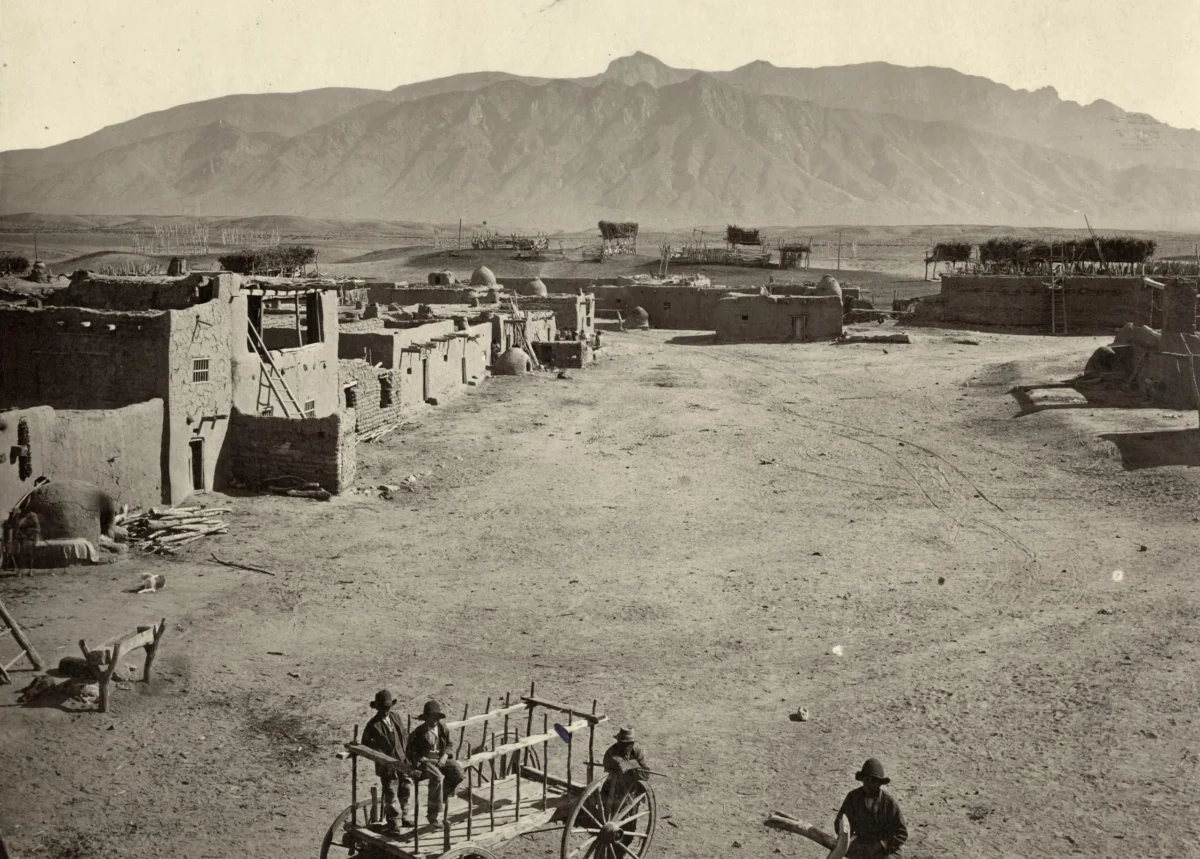
Addressing the complexities of tribal sovereignty for non-Native audiences, Haaland consistently emphasizes the deep historical roots of the Pueblo people in the Rio Grande Valley, tracing their presence back to the late 1200s, with ancestral homelands far exceeding contemporary tribal boundaries. She underscores that any external entity – be it a corporation, project developer, or emerging leader – must grasp this profound history and acknowledge that tribal nations, having faced centuries of exploitation, approach new relationships with justifiable skepticism. The onus, she asserts, lies with outsiders to cultivate transparency, foster trust, and proactively engage with tribes, respecting their inherent rights and deep connection to the land, even when projects do not directly touch reservation borders but are visible from them. This proactive, respectful engagement is vital for forging mutually beneficial opportunities.
Haaland notes a growing recognition among industry and business leaders regarding the concept of "tribal capital." This multifaceted capital extends beyond mere economic contributions to encompass cultural, social, and political value. In New Mexico, the State-Tribal Collaboration Act serves as a foundational framework, institutionalizing the state’s acknowledgment of tribal sovereignty, land bases, and economic contributions. This legislative commitment signals a progressive approach, recognizing that respecting tribal nations enriches the entire state.
A critical issue in arid New Mexico is water use and management, perpetually challenged by drought conditions exacerbated by climate change, even as the state’s population grows. Haaland’s stance is unequivocal: water must be prioritized for people. She insists that any industry seeking to relocate to New Mexico must demonstrate sustainable water practices, aligning development with the imperative of preserving this life-sustaining resource. Her approach aligns with Indigenous ecological knowledge, which views water as sacred and finite, emphasizing conservation and equitable distribution.

In the wake of federal actions that have weakened environmental protections, including significant changes to the Environmental Protection Act (EPA) under previous administrations, Haaland sees a crucial opportunity for states like New Mexico to lead. "We absolutely have to fill the gap," she asserts, acknowledging the federal government’s continued obligations despite program cuts and staff reductions. Her administration, she pledges, would proactively challenge federal overreach or neglect through legal means. This includes hiring more lawyers to sue the federal government for encroaching on state sovereignty, for environmental degradation, or for withholding promised benefits from New Mexicans. This aggressive legal strategy aims to hold federal entities accountable and protect the state’s interests and its citizens.
Haaland is also a passionate advocate for ensuring that the history of the federal Indian Boarding School era is taught comprehensively in New Mexico public schools. She powerfully states, "Native American History is American history. Every single American in this country owns that history – that terrible, violent, horrible federal Indian Boarding School history." She emphasizes that these institutions, designed to assimilate Indigenous children by stripping them of their culture, language, and family ties, operated within New Mexico. Her own grandparents were forced onto trains and sent to St. Catherine’s in Santa Fe, with her great-grandfather able to visit his daughter only twice in five years due to the arduous journey by horse and wagon. She recounts the grim history of Fort Union, a way station where Native children were shorn, their clothes burned, and then uniformed and dispatched to various boarding schools. This dark chapter, deeply woven into New Mexico’s fabric, demands universal understanding. Haaland believes that every New Mexican has an obligation to learn and confront this past, recognizing it as an integral part of the state’s, and indeed the nation’s, historical narrative, fostering healing and reconciliation.
Through her journey from a Pueblo relative practicing ancient traditions to a groundbreaking federal official and now a leading gubernatorial candidate, Deb Haaland embodies a powerful convergence of Indigenous wisdom and modern political action. Her leadership promises to integrate traditional land-based beliefs into contemporary governance, championing environmental protection, social justice, and, most profoundly, the enduring principles of tribal sovereignty for the benefit of all New Mexicans and as a compelling model for the nation.