

 Rocky Gerung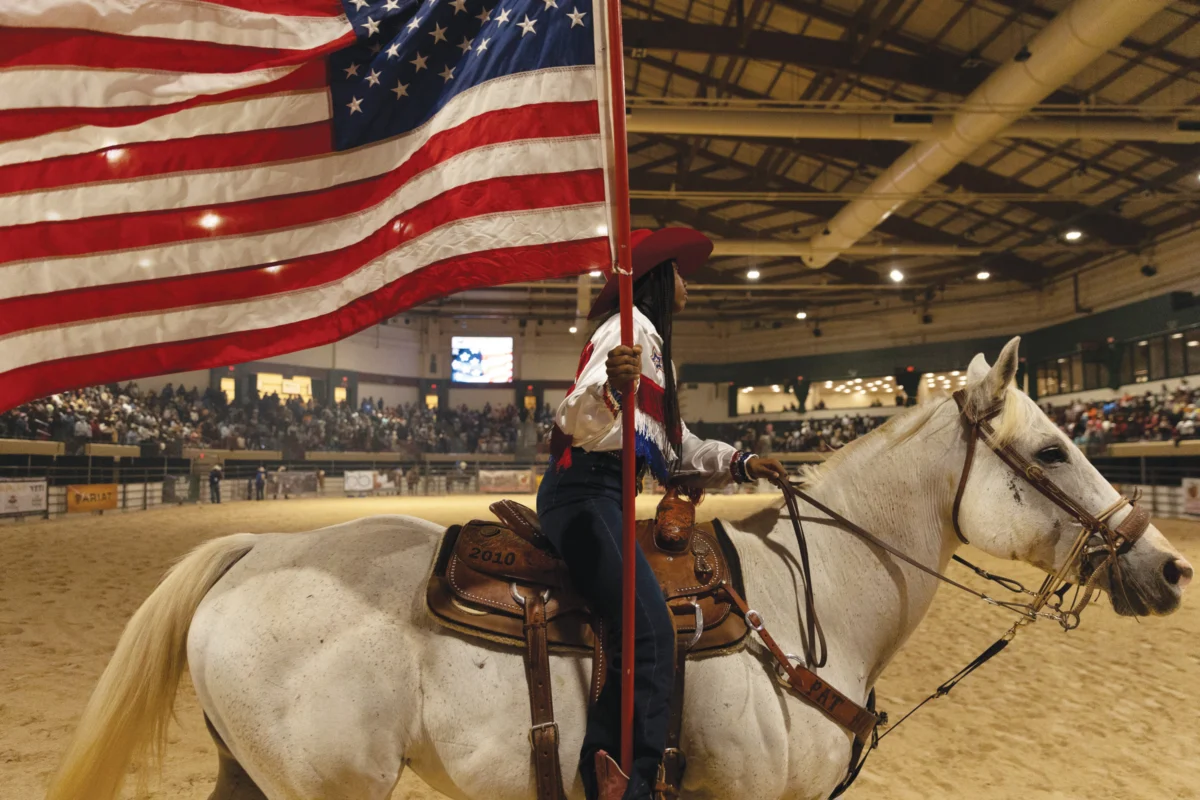
The profound connection forged through horsemanship resonates deeply, especially when experienced firsthand. My recent engagement with Peacock’s docuseries, High Horse: The Black Cowboy, was amplified by the very day I met my new mustang mare, a creature of quiet curiosity and steady presence. This initial encounter, marked by a blend of healthy anxiety, burgeoning joy, tenderness, and profound respect, underscored the essential lessons of communication and trust inherent in working with these magnificent animals. Earlier that same day, my trainer had guided me through fundamental horsemanship practices: maintaining steady, low hands, cultivating a deep seat, and employing quiet legs during a loping gait, a brisk trot. These seemingly subtle techniques form the bedrock of a harmonious partnership with a horse, transforming the rider-equine dynamic in ways that might appear unassuming from the sidelines but are, in reality, transformative. Years of dedicated lessons have taught me that genuine confidence is an undeniable currency; a thousand-pound animal possesses an innate ability to discern authenticity and will invariably challenge any pretense.
It is this inherent honesty and clarity found in the human-equine relationship that lent such impactful resonance to the High Horse docuseries. The series powerfully asserts that Black hands have perpetually been on the reins throughout the history of the Western United States, actively engaged in breaking horses, herding cattle, patrolling fences, participating in races, and dedicated training. The prevailing issue is not the belated addition of Black cowboys to the familiar tapestry of Western lore, but rather the persistent societal surprise at their presence.
Executive produced by Jordan Peele’s Monkeypaw Productions and helmed by independent filmmaker Jason Perez, a protégé of Spike Lee, High Horse masterfully interweaves compelling archival footage and historical photographs with contemporary scenes depicting the vibrant reality of Black cowboy life. The series embarks on a journey through film, music, and marketing history, illuminating how the prevailing narrative of the West often diverges from lived experience. History, it suggests, has been subject to a gradual erasure, not through a single dramatic alteration, but a slow and subtle constriction of who is recognized as an authentic participant in the Western saga.
High Horse resolutely rejects the marginalization of Black cowboys, positioning them not as an ancillary element but as central figures. The series meticulously traces a direct lineage from the skilled labor of formerly enslaved individuals who expertly managed horses and cattle, to the Black jockeys who once dominated early horse racing, extending to the riders, ranchers, and entrepreneurs of the present day. By maintaining a constant connection to the past without resorting to didacticism, the series keeps history vibrantly alive.
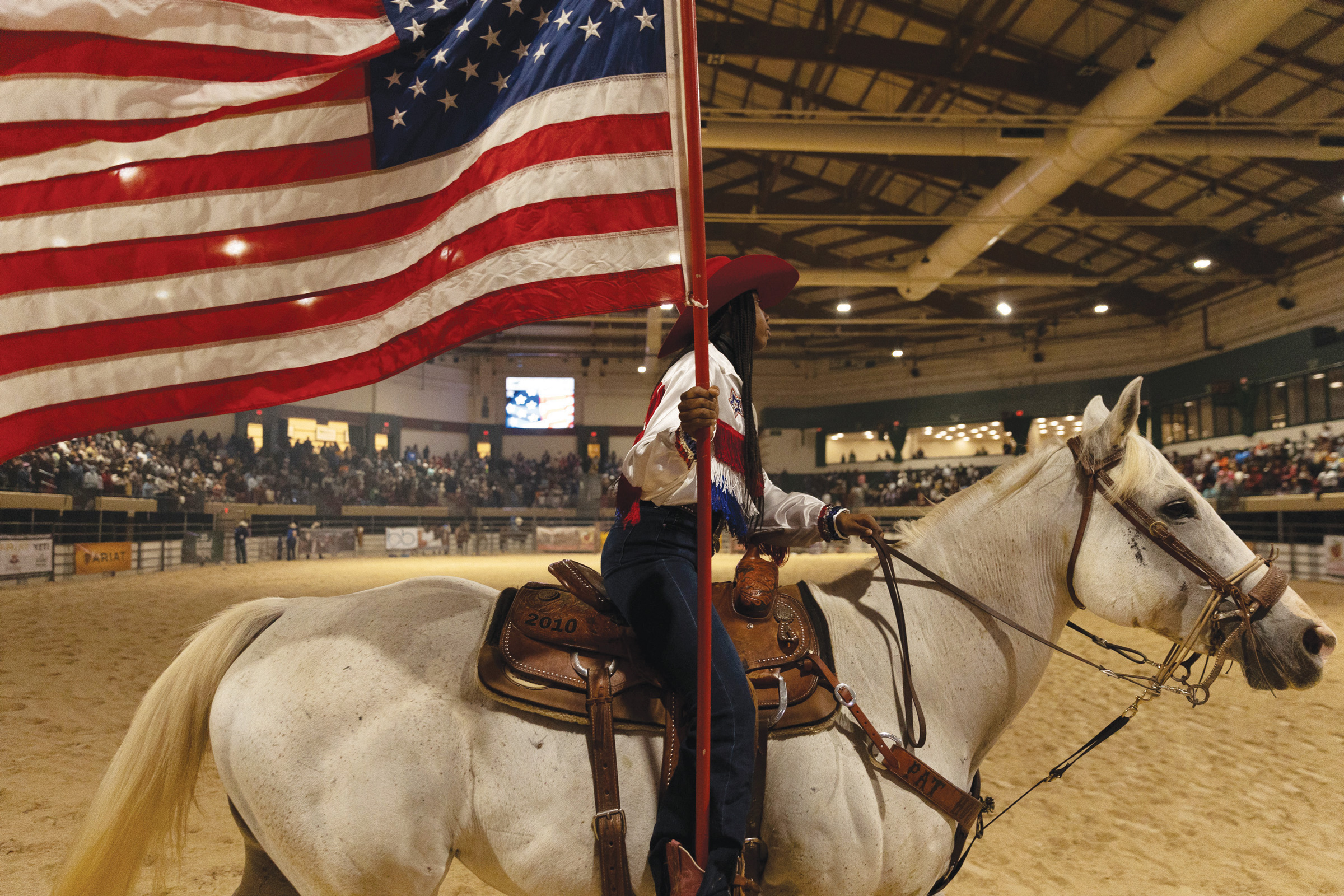
A particularly compelling aspect of the series is its deliberate focus on the tangible realities of horsemanship—the rider’s posture, the precision of their hands, and the sheer hours invested in practice. For anyone who has experienced the world of riding, these elements are immediately recognizable. A horse, indifferent to human narratives, responds instead to consistency and fairness, making it strikingly clear how frequently the romanticized cowboy aesthetic is celebrated while the nuanced craft and dedicated labor are overlooked.
Within High Horse, the camera frequently lingers on Black riders, depicted seated with a posture of unwavering steadiness, surveying expansive landscapes or navigating urban peripheries shaped by the same historical forces. These images, though often simple and quiet, carry a potent charge. For Black Americans, land transcends mere scenery; it represents a complex tapestry of inheritance and loss, of promises made and subsequently broken, and crucially, the distinction between being a transient visitor and a dedicated steward.
This intricate connection between Black identity and land holds profound personal significance. My own father, a rancher from his youth in Texas, later managed land and livestock in California, an experience that profoundly influenced my decision to establish Outdoor Afro in 2009. Initially conceived as a blog and a tribute to his legacy, Outdoor Afro has evolved into a national organization dedicated to reconnecting Black communities with the outdoors. Today, it facilitates annual outdoor excursions for thousands of Black families, fostering a sense of reunion with nature rather than merely engaging with a fleeting trend.
Returning to horsemanship in midlife has been a surprisingly serious endeavor, cultivating within me a greater sense of patience and a more rigorous honesty. This renewed engagement with horses has also broadened my perspective on land, fostering a deeper appreciation for its complexities and a heightened sense of responsibility for my lifestyle choices and their impact on both my community and the natural world.
My current mare, a mustang hailing from the Twin Peaks Herd Management Area in the high desert along the California-Nevada border, embodies this connection. I named her True Haven as a constant reminder of faith as a refuge and the pervasive presence of peace we can cultivate in all aspects of our lives. Horses, by their very nature, demand a practice of fairness and consistency, offering immediate feedback on one’s leadership qualities and trustworthiness. Owning a wild horse does not confer expertise on public lands and wildlife policy, but it does foster an intimate understanding of stewardship and a strengthened commitment to preserving the nation’s public lands and wild spaces. Abstract pronouncements lose their potency when one is holding a lead rope, focusing intently on the needs of another living creature to ensure its sense of safety and clarity.

High Horse astutely recognizes that the narrative of Black cowboys is inextricably linked to the broader story of Black land ownership. This connection extends beyond the romantic allure of open vistas to encompass the stark realities of acreage, access, property titles, taxation, and the intricate ways in which power dynamics dictate land tenure. While the series avoids getting bogged down in policy minutiae, it boldly confronts a truth too often sidestepped by Western discourse: the freedom associated with the West was never equitably distributed, and the history of the region is indelibly marked by both overt and systemic violence.
However, High Horse is far from a somber elegy; at its core, it is a vibrant celebration of freedom. The series showcases young riders engaged in training and competition, elders diligently passing down invaluable knowledge, and family traditions flourishing, with individuals gathering around horses in much the same way communities convene for church potlucks or family reunions. In a landscape where Black history is too frequently presented solely through the lens of trauma, this series offers a refreshing alternative, highlighting excellence, craftsmanship, humor, pride, discipline, and an abundance of joy.
If the series exhibits any limitations, it lies in the inherent constraints of its scope. While three episodes can effectively raise a significant banner, they cannot encompass every facet of this rich history. A greater focus on Black women riders, a more detailed exploration of the economic realities of horse ownership, and a deeper acknowledgment of the intertwined histories of Black and Indigenous peoples on Western lands would have been welcome additions.
Furthermore, there are instances where the series might have benefited from placing greater trust in the voices of its working riders. While the contributions of well-known celebrities and scholars undeniably lend reach and context, they occasionally risk overshadowing the very Black cowboys and ranchers whose generational stories of working the land and their horses possess an intrinsic power that could stand compellingly on its own, without extensive interpretation.
Arguably, High Horse’s most significant accomplishment is its unwavering refusal to frame the Black cowboy as an anomaly. The series encourages viewers to re-evaluate their understanding of what it means to be “Western” by expanding the perspective beyond conventional Hollywood portrayals. For anyone who holds a deep affection for the American West, this reexamination is not only timely but essential.

The experience of watching the series brought to mind those initial moments with my mare: her watchful gaze, her patient waiting, her unspoken questions about the person I would be with her, and my own reciprocal introspection. Just as a horse responds to clarity, consistency, and care, so too should we approach our collective history. To foster an honest and robust future for the West, it is imperative that we openly acknowledge the complete narrative and diligently protect the very ground upon which it is built.
High Horse should not, and indeed cannot, be the definitive statement on Black cowboys. Nevertheless, it represents a powerful stride toward a vision of the West where Black riders are not perceived as transient guests but as integral pillars of the region’s foundation and vital contributors to its conservation future.







