

 Joko Susilo
After more than half a century under the protective umbrella of federal oversight, the Trump Administration on Tuesday unveiled a significant proposal to return the management of grizzly bears in the Lower 48 states to individual state authorities. This move, announced by Secretary of the Interior Doug Burgum, alongside Governors Greg Gianforte of Montana, Mark Gordon of Wyoming, and Brad Little of Idaho, took place during a press conference held in the rugged heart of grizzly country, just north of Yellowstone National Park, signaling a profound shift in wildlife conservation policy.
Governor Gianforte, speaking from a makeshift stage south of Big Sky, Montana, lauded the grizzly bear’s resurgence as "one of America’s greatest conservation successes." However, he quickly pivoted to highlight the burgeoning challenges accompanying this recovery, specifically citing an increase in human-bear conflicts impacting residential areas, recreational spaces, and agricultural lands. He asserted Montana’s readiness and capacity to assume full authority over grizzly bear management, a sentiment echoed by his counterparts from Wyoming and Idaho. This declaration reignites a contentious debate between federal conservation mandates and state-level wildlife management prerogatives, often pitting ecological preservation against local economic and safety concerns.
The story of the grizzly bear’s recovery is indeed a testament to the Endangered Species Act (ESA). In 1975, the U.S. Fish and Wildlife Service (USFWS) listed Ursus arctos horribilis as "threatened" in the contiguous United States, a classification that acknowledges a species is likely to become endangered in the foreseeable future throughout all or a significant portion of its range. At that critical juncture, fewer than 600 grizzlies remained south of the Canadian border, remnants of a population that once numbered in the tens of thousands across the American West. Their historical range, stretching from the Pacific Coast to the Great Plains, had been drastically reduced by habitat loss, human encroachment, and systematic eradication efforts throughout the 19th and early 20th centuries.
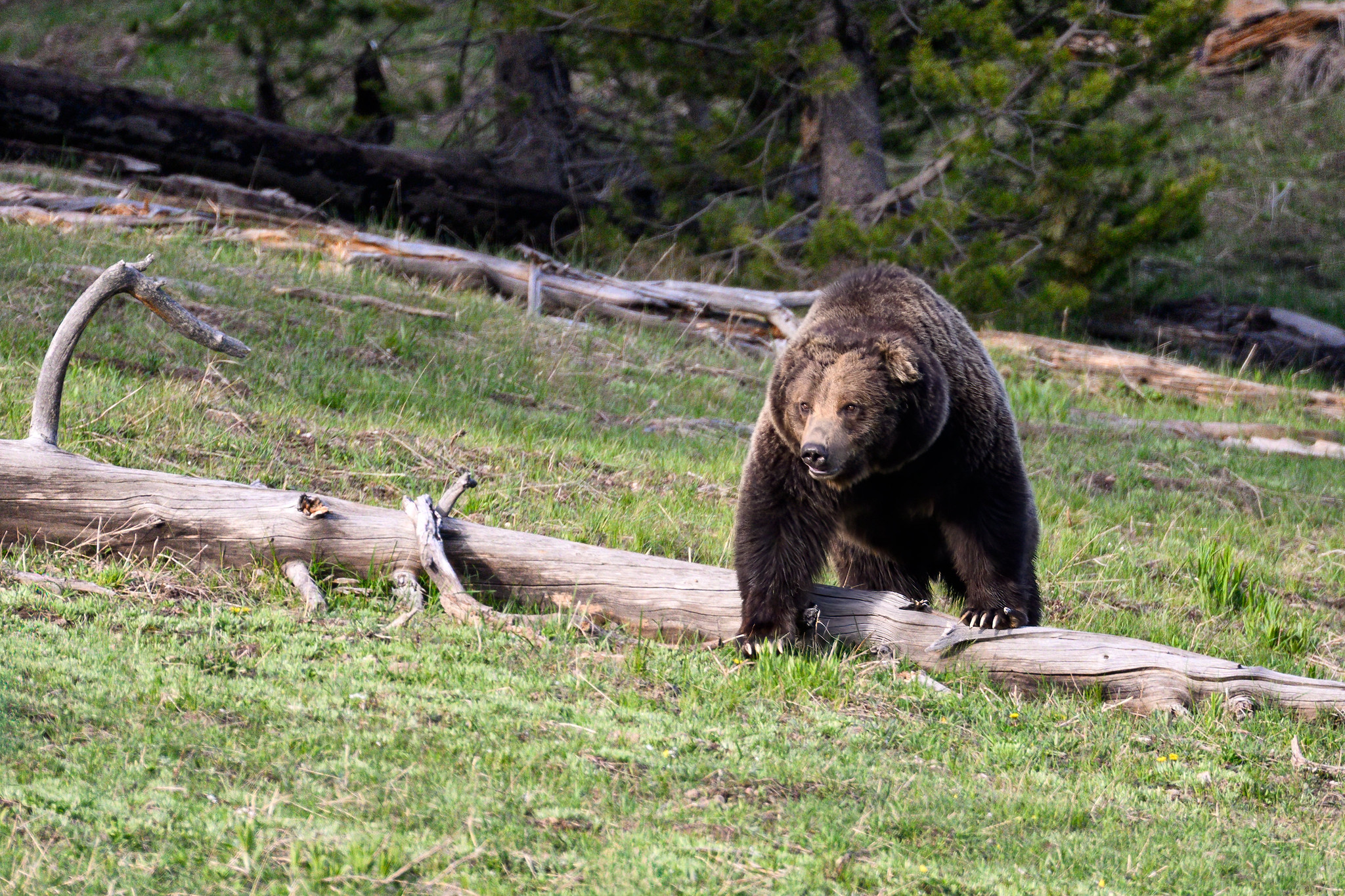
Today, thanks to decades of dedicated conservation efforts, including habitat protection, public education, and stringent regulations on hunting and trapping, two robust populations thrive in and around the Greater Yellowstone Ecosystem and Glacier National Park, each boasting approximately 1,000 bears. Additionally, smaller, more fragmented populations persist in other recovery zones, such as the Northern Continental Divide, Selkirk, Cabinet-Yaak, and Bitterroot ecosystems, albeit with significantly fewer resident bruins. The recovery in these core areas represents a remarkable achievement, showcasing the potential of the ESA to pull species back from the brink of extinction.
However, the very success of this recovery has intensified discussions surrounding the species’ long-term management. As grizzly populations expand, bears venture into new territories, leading to more frequent interactions with humans. These encounters range from property damage and livestock depredation, particularly for ranchers, to direct threats to human safety in increasingly developed wildland-urban interfaces. Addressing these conflicts effectively requires nuanced strategies that balance conservation goals with human needs, often involving a combination of bear-resistant infrastructure, public awareness campaigns, and, controversially, lethal removal of problem bears.
The federal government has previously attempted to remove ESA protections for grizzlies, specifically those within the Greater Yellowstone Ecosystem, on two separate occasions in 2007 and 2017. Both efforts were met with legal challenges from environmental groups and ultimately overturned in federal courts. These rulings often cited concerns over the long-term genetic viability of isolated populations, the adequacy of state management plans, and the overall health of the ecosystem. Despite these setbacks, the states of Idaho, Montana, and Wyoming persistently petitioned for the delisting, arguing that their wildlife agencies possessed the expertise and resources to manage the species.
In a move that complicated the ongoing debate, the Biden administration, in January 2025, denied these state petitions, issuing a new rule that explicitly perpetuated the bears’ protected status under the ESA. The rule announced this week by the Trump administration takes a markedly different legal tack. Instead of attempting a full delisting, which has proven legally vulnerable, the new proposal seeks to amend the Biden administration’s 2025 edict by utilizing a specific provision of the Endangered Species Act: Section 4(d). This section allows the USFWS to issue "special rules" for species listed as "threatened," providing more management flexibility than would be permitted for an "endangered" species, while still maintaining federal listing. Under this revised 4(d) rule, grizzlies will officially remain on the endangered species list, but the federal government will concede day-to-day management authority to the respective states.

Christy Clark, director of Montana Fish, Wildlife and Parks, offered a candid assessment of the new rule after the meeting, characterizing it as "a dress rehearsal for delisting." This perspective underscores the underlying intention behind the administrative action: to incrementally shift control to the states, paving the way for eventual full removal from the ESA.
A central point of contention in previous delisting debates has consistently been the prospect of a regulated grizzly hunt. Critics argue that state management often leads to the implementation of hunting seasons, which could undermine recovery gains. While Montana currently maintains a self-imposed five-year moratorium on hunting grizzlies post-delisting, Governor Gianforte explicitly stated that the new 4(d) rule would not permit a hunt in Montana. The specific text of the new 4(d) rule is yet to be fully published, but all three governors and Secretary Burgum emphasized that it aims to grant states greater flexibility in managing grizzlies on the ground, facilitating a transition from an era primarily focused on species recovery to one of sustained stewardship. This flexibility, proponents argue, will allow states to more effectively address local conflicts and manage populations dynamically, potentially through limited removals or other tools currently restricted under federal protection.
However, conservation groups and environmental advocates immediately voiced strong opposition, predicting that this administrative shift could lead to increased grizzly mortality. Andrea Zaccardi, senior attorney at the Center for Biological Diversity, expressed profound disappointment, stating, "We’re disappointed the Trump administration is trying to make it easier to kill grizzly bears." This sentiment reflects a deep-seated distrust in state-level wildlife management, particularly in states that have historically been perceived as less protective of large carnivores.
Jenny Harbine, managing attorney at the nonprofit environmental law firm Earthjustice, highlighted a broader pattern of threats to grizzly bears and their habitat emanating from federal policy changes. She cited weakened environmental reviews, the rescission of the roadless rule, and the fast-tracking of logging and mining projects across the American West. These actions, she argued, collectively diminish the quality and extent of grizzly habitat, making the relaxation of federal protections particularly perilous. "This does not create a situation where the service should be relaxing protections for grizzly bears," Harbine asserted, "They need them more than ever."

The broader implications of this decision extend beyond grizzly bears, potentially setting a precedent for other recovered or recovering species currently under ESA protection. The use of Section 4(d) to transfer management authority without full delisting could become a template for future actions affecting species like wolves, caribou, or various aquatic species, raising concerns among conservationists about a systemic weakening of federal environmental safeguards. This approach reflects a broader political philosophy often advocating for increased state autonomy in land and wildlife management, a recurring theme in the discourse surrounding federal lands in the western United States.
The future of grizzly bears in the Lower 48 now hinges on the specifics of this new 4(d) rule and the ensuing management strategies adopted by Idaho, Montana, and Wyoming. While states promise science-based stewardship, environmental groups are almost certain to mount legal challenges, potentially leading to another protracted court battle over the fate of these iconic apex predators. The outcome will not only determine the trajectory of grizzly populations but also significantly influence the ongoing national debate about the balance between conservation, federal authority, and state sovereignty in managing America’s natural heritage.







