Roger Danuarta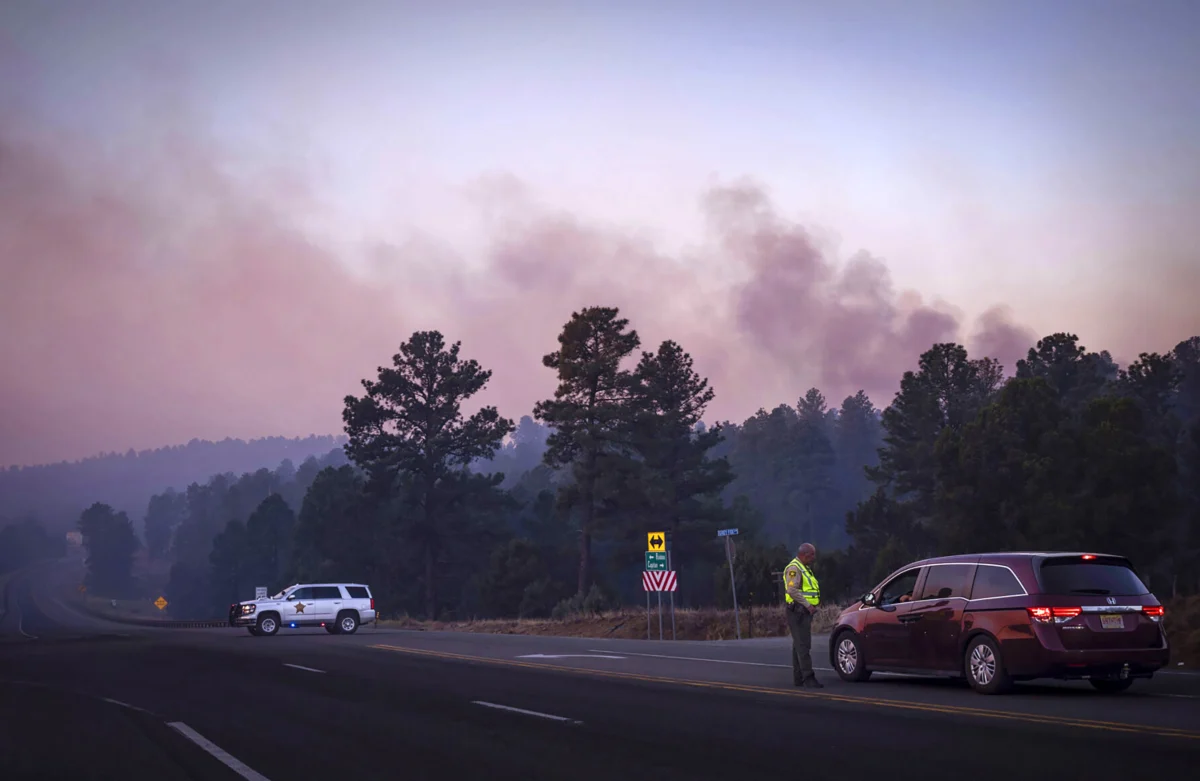
In June 2024, as the devastating Salt and South Fork wildfires tore through the mountain town of Ruidoso in southeastern New Mexico, Governor Michelle Lujan Grisham swiftly declared a state of emergency, initiating the first of numerous executive orders to unlock crucial state funding. Just days later, flash floods, a common and dangerous consequence of burn scars, further ravaged the area, prompting additional gubernatorial declarations. This rapid succession of crises highlighted an alarming trend: New Mexico, among the fastest-warming states in the U.S., is increasingly grappling with climate-fueled disasters that are pushing its emergency response systems to their limits and exposing the complex interplay between environmental challenges and fiscal policy.
The governor’s proactive stance in 2024 saw her issue over 85 executive orders for the Ruidoso region alone, authorizing nearly $66 million in state funds to address the immediate aftermath of the wildfires and subsequent flooding. This robust response continued into 2025, and by early 2026, more than 30 executive orders had already channeled funds to the New Mexico Forestry Division for wildfire prevention and suppression efforts. This escalating reliance on executive action reflects a staggering fivefold increase in such orders since 2021, with the vast majority now directly tied to climate-related emergencies like fires and floods, although some have also addressed food assistance and crime reduction.
Michael Coleman, a spokesperson for Governor Lujan Grisham’s office, directly linked the surge in natural disasters to the rising number of executive orders. He explained that the state Legislature imposes a $750,000 limit on each executive order, a sum often dwarfed by the immense costs of a major calamity. "Unfortunately, disasters do not abide by legislative caps," Coleman noted, underscoring the practical necessity of issuing multiple orders to meet the financial demands of widespread destruction. This legislative framework, designed to ensure fiscal prudence and prevent executive overreach, now clashes with the unprecedented scale of modern environmental catastrophes, forcing the executive branch into a constant cycle of emergency declarations.

For the often-remote and vulnerable rural communities disproportionately affected by these events, state funding represents a critical lifeline. However, the relentless increase in climate-fueled disasters has created a complex web of challenges that community leaders, state agencies, and even the Legislature are still struggling to navigate. Fundamental questions about the origin and allocation of emergency funds are now central to public discourse. One pressing concern involves the outsized role of out-of-state firms in major cleanup operations, which frequently diverts substantial emergency funding away from local economies that desperately need the injection. Furthermore, when the federal government declares an emergency, as it did in Ruidoso, the promise of reimbursement for state and local damages is often a protracted and administratively burdensome process, frequently taking years to materialize.
The New Mexico Climate Policy Bureau, part of the state’s Energy, Minerals, and Natural Resource Department, identifies drought, flooding, extreme heat, and wildfire as the four primary hazards currently afflicting the state. These hazards are not isolated; they often amplify one another in a deadly cascade. The Ruidoso fires, for instance, were fueled by prolonged drought conditions and unhealthy forests, creating vast burn scars. When heavy rainfall inevitably followed, these denuded landscapes became conduits for destructive flash floods, a phenomenon known as "hydro-climate whiplash," which weather experts predict will become increasingly common across the American West.
While the scientific consensus firmly points to climate change as a major driver, some, like state Representative Harlan Vincent of Ruidoso, offer alternative perspectives, attributing the rapid spread and intensity of the Salt and South Fork fires to "extreme mismanagement of our forests" and insufficient brush thinning. Indeed, New Mexico’s forests are undeniably stressed, with low snowpack, hotter and drier summers, and consequently, longer wildfire seasons. However, these factors are intrinsically linked to a warming climate, which exacerbates the conditions for large, intense fires, rendering traditional forest management practices increasingly difficult and less effective in isolation.
The devastating synergy of fires and floods created what Lynn Crawford, the mayor of the Village of Ruidoso, described as one "unending disaster." He recounted how the combined forces "demolished our homes, demolished our bridges, demolished our streets, our infrastructure." The National Weather Service in Albuquerque’s data from 2024 starkly illustrates this connection: of the 278 flood warnings issued in New Mexico that year, nearly 40% were specifically in burn scar areas. This grim statistic highlights the critical and dangerous feedback loop between wildfires and subsequent flooding, a phenomenon that poses significant risks to communities in the arid West.

Executive orders have proven indispensable in these immediate responses, particularly when local communities lack the financial capacity to respond independently. Following the 2024 fires, New Mexico’s Department of Homeland Security and Emergency Response (DHSEM) allocated $250 million from executive order funds to a program that cleared fire and flood debris from over 1,000 private properties in the Ruidoso area. Danielle Silva, a DHSEM spokesperson, confirmed that emergency order funding also supported "incident command teams that assist local emergency management operations, positioning of swift water rescue teams, and sandbag operations." While the Federal Emergency Management Agency (FEMA) is statutorily obligated to reimburse up to 75% of expenses for federally declared emergencies like Ruidoso, the reality is often a stark contrast; to date, FEMA has provided only $22.4 million, less than 9% of the state’s initial outlay. This significant gap forces states to shoulder an immense financial burden for extended periods, impacting their ability to fund other essential services.
Further complicating disaster recovery efforts is the procurement process for cleanup. A legislative report revealed that just two out-of-state companies secured almost 60% of the emergency spending for New Mexico’s largest disasters since 2022. One of these, Texas-based DRC Emergency Services, faces suspicions of overcharging, though DHSEM disputes these claims. Representative Vincent voiced his appreciation for the emergency declarations but strongly criticized the selection of such contractors. "All the money that [emergency services companies] make in New Mexico goes back out of state and doesn’t stay in New Mexico," he lamented, underscoring the missed opportunity for local economic recovery.
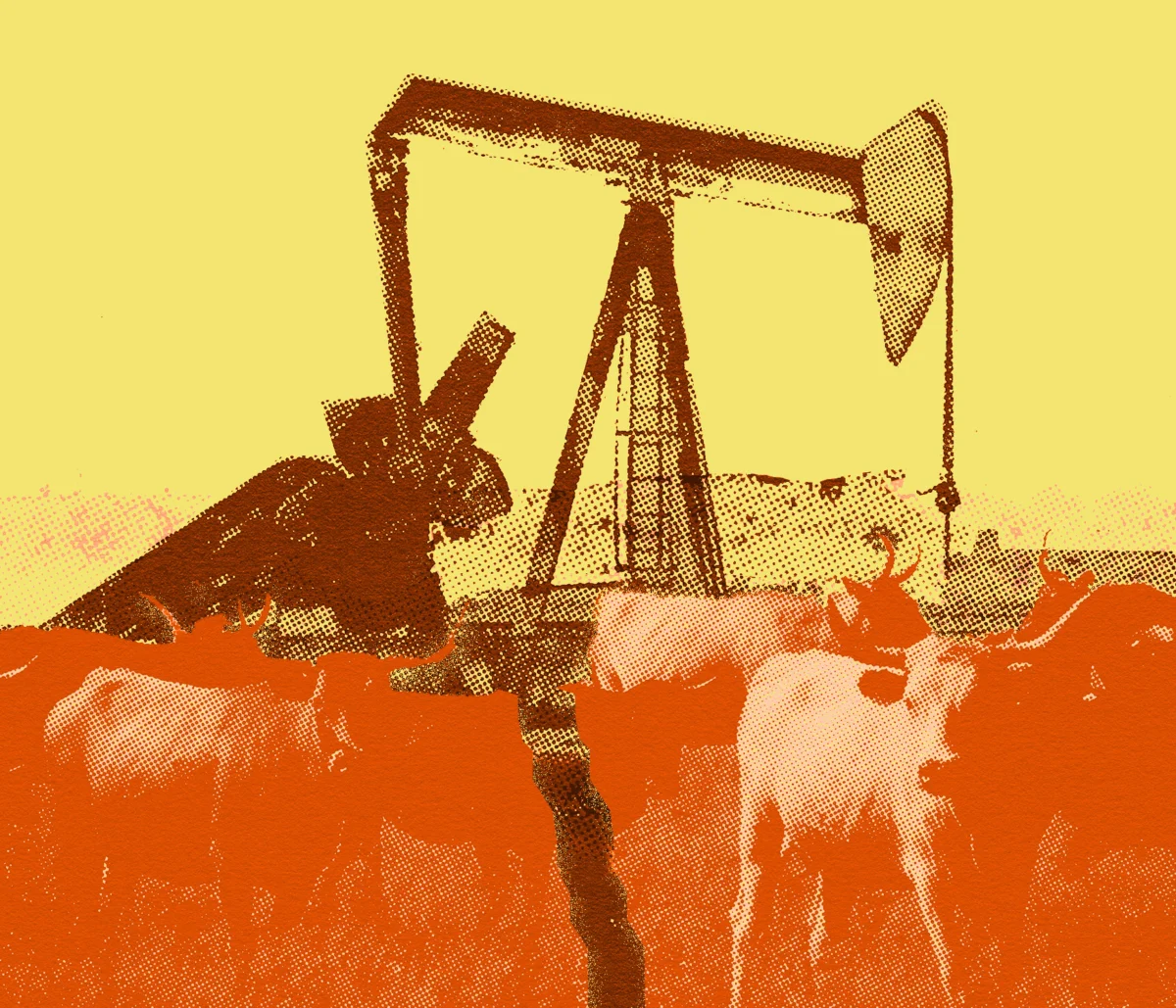
Paradoxically, the state’s ability to fund these escalating disasters is partly sustained by revenues from the very industry most responsible for the rapidly warming climate: oil and gas. New Mexico is home to a significant portion of the Permian Basin, one of the world’s largest oil-producing fields. While the oil and gas industry accounts for approximately 23% of the state’s carbon dioxide emissions and about 18% of its methane emissions—more than any other sector—its revenues were projected to comprise a substantial 37% of New Mexico’s general fund in 2025. This general fund serves as the primary source of operational money for the state, creating a complex and ethically charged "carbon trap."
The growing number of emergency declarations has already overdrawn the state’s contingency account, typically the first line of funding for such crises. Consequently, an estimated $300 million in emergency spending since 2023 has been diverted from the general fund, placing additional strain on resources allocated for education, healthcare, and other vital public services. This reliance on volatile fossil fuel revenues is a point of significant contention. Proponents argue that the industry’s economic contributions are the state’s lifeblood, enabling crucial investments. Critics, however, contend that these financial benefits are far outweighed by the true, long-term costs of drilling and burning fossil fuels, including environmental degradation, public health risks, and escalating climate damage.

A coalition of organizations, led by the Center for Biological Diversity, recently penned a letter to Governor Lujan Grisham, sharply criticizing the state’s continued dependence on oil and gas money. They asserted that everyday New Mexicans are bearing the brunt of this reliance, "from pollution to health risks and escalating climate damage." The coalition further warned that "the state budget has grown dangerously dependent on volatile fossil fuel revenues, and New Mexicans are on the hook for billions of dollars in clean-up costs," citing estimates of $700 million to $1.6 billion required to plug abandoned or "orphaned" oil and gas wells across the state. In response, Coleman defended the governor’s approach, stating that Lujan Grisham "has taken a thoughtful approach to oil and gas that deploys its revenues to the best public uses in New Mexico." He highlighted initiatives like universal child care and free college as beneficiaries of these funds, adding that the governor "insisted that the industry do better by the environment if they are going to operate in our state."
On the ground, local leaders like Mayor Crawford are engaged in a relentless struggle to secure any available funding to cover the cascading costs of rebuilding. The total damage from the Salt and South Fork fires alone is estimated at $2 billion by the National Centers for Environmental Information, and that figure continues to climb. Mayor Crawford is still striving to procure federal funding for homeowners who lacked flood insurance, a common vulnerability in rapidly changing climate zones. He likened the arduous wait for federal reimbursements to navigating an insurance claim for a wrecked car: "Your insurance company’s saying, ‘We’re gonna pay you,’ and then three, four years later, you’re still waiting on it."
To address the crippling delays in federal reimbursement and provide more immediate relief, Representative Vincent co-authored a landmark bill in 2025 that established a revolving fund for federally declared natural disasters in New Mexico. This innovative mechanism allows the state to front money for disasters through zero-interest loans to political subdivisions, including counties, municipalities, land grants, and acequias. Once FEMA finally provides reimbursement, those funds replenish the revolving account, supplemented by transfers from another account largely underwritten by the state’s general fund. This proactive financial strategy aims to bridge the gap between immediate need and slow federal bureaucracy, providing a vital injection of liquidity during critical recovery phases. The natural disaster revolving fund is now operational and currently holds a balance of $107 million, representing a tangible step toward greater resilience in the face of an uncertain climate future.