Rocky Gerung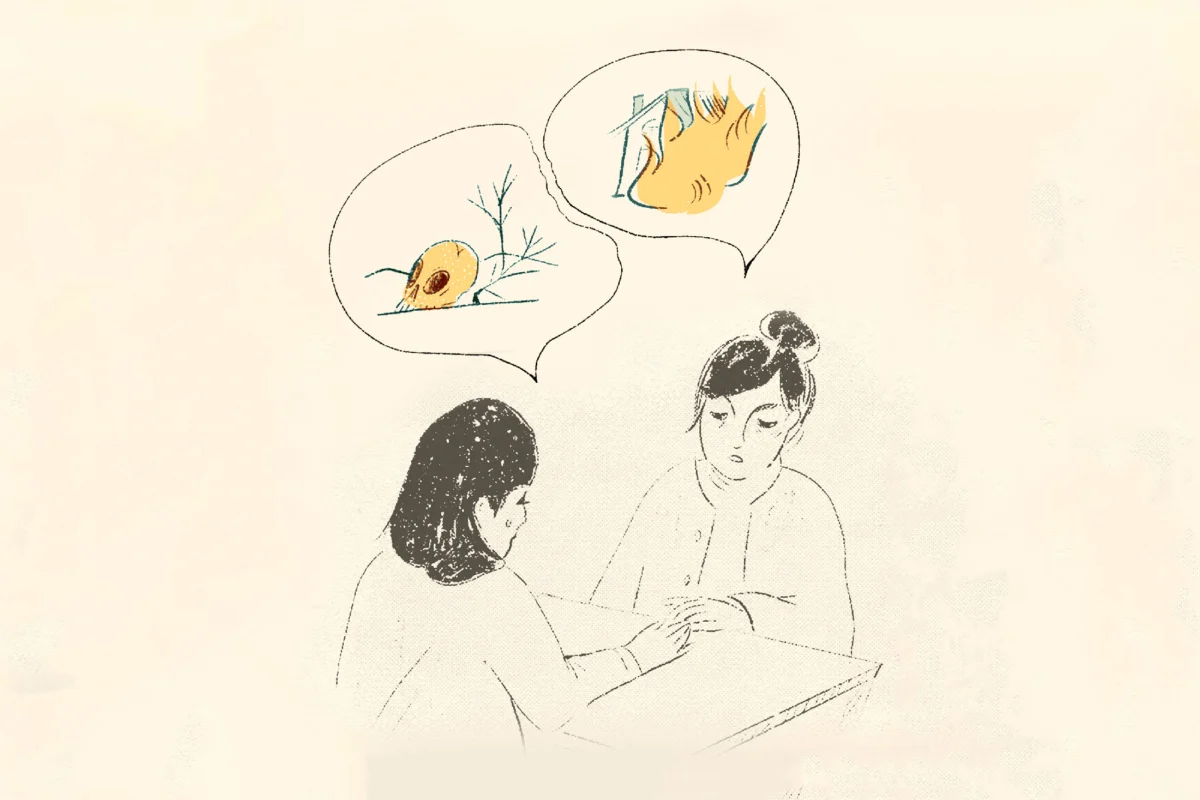
A significant majority of Americans, approximately two-thirds, voice concerns about the escalating climate crisis. However, a considerable portion of this population has yet to fully grasp their individual capacity to contribute meaningfully to climate action, a disconnect that hinders broader engagement. The tangible impacts of a warming planet are increasingly evident across the United States, from the devastating wildfires that have become a regular occurrence in California, painting landscapes with smoke and ash, to the alarming scarcity of winter snowpack in the Rockies, which portends severe water shortages for millions. The fragile remnants of the Western snowpack, crucial for supplying water resources, were further decimated by a widespread spring heatwave, underscoring the rapid and profound shifts underway. While many individuals recognize that scientific consensus attributes the heightened intensity and frequency of such extreme weather events to the climate crisis, translating this awareness into actionable steps often proves challenging.
Atmospheric scientist Katharine Hayhoe offers a compelling starting point: the simple act of talking about climate change. Hayhoe, a distinguished professor at Texas Tech University, is renowned not only for her groundbreaking research but also for her extensive public outreach efforts, including her widely read "Talking Climate" newsletter. She possesses a remarkable ability to connect with diverse audiences, meeting people where they are in their understanding and concerns, while consistently maintaining a focus on the larger, global picture. Her work emphasizes the crucial role of communication in fostering climate awareness and driving collective action, suggesting that the seeds of transformative societal change can be sown through everyday conversations.
Through her prolific writing and engaging public appearances, Hayhoe champions a message of hope in the face of widespread climate despair, denial, and a sense of impending doom. She envisions a future, perhaps by the 2030s, where a powerful mass movement emerges, demanding bold climate action and initiating a profound societal transformation for the better. Hayhoe posits that such a future, characterized by significant progress, may very well have its origins in countless informal discussions held among neighbors, classmates, and colleagues, occurring at bus stops, barber shops, and in the myriad other settings of daily life. Her advocacy underscores the idea that collective action, fueled by open dialogue, is the most potent engine for addressing the climate challenge.

Hayhoe argues persuasively that conversation serves as the essential first step in addressing climate change, acting as a powerful catalyst for action across all sectors. Whether the focus is on transforming energy systems, revolutionizing transportation, reimagining food production, or enhancing community resilience, initiating dialogue is paramount. This is because, as data consistently shows, a substantial majority of people are already worried about climate change. In the United States, this figure hovers around two-thirds, and in many other nations, it is even higher. Yet, a surprising disconnect exists: less than half of these concerned individuals report ever having heard someone discuss climate change. The fundamental logic is straightforward: if an issue is not discussed, it is less likely to be perceived as important; and if it is not perceived as important, it is unlikely to inspire action.
Hayhoe outlines a tripartite framework for effective climate engagement: "head, heart, and hands." The "head" represents the intellectual understanding that climate change is real, ongoing, and demonstrably impacting our world. While many people have reached this point, a critical gap often remains in connecting this understanding to personal relevance. When asked if climate change will affect them personally, a significant number of individuals respond negatively, failing to draw a clear link between observed environmental shifts and their own lives. This is where the "head-to-heart" connection becomes crucial, enabling people to recognize that the changes they are witnessing are indeed already impacting them, even if they haven’t explicitly connected the dots.
The next vital step is forging the "heart-to-hands" connection. This involves illuminating concrete, viable solutions that are already being implemented and possess the potential for widespread adoption and scalability, solutions that can demonstrably improve people’s lives. This is the essence of what Hayhoe advocates for when she emphasizes the importance of talking about climate change. Her approach aims to bridge the gap between abstract concern and tangible action by fostering conversations that highlight both the reality of the crisis and the availability of effective solutions.
The personal experience of living in regions directly affected by climate change, such as California with its intensifying wildfires, heatwaves, rising sea levels, droughts, and occasional floods, provides a powerful impetus for action. Hayhoe, who resides in Texas and experiences a similar array of climate-related disasters, has consistently observed that when she asks people if they feel the weather is becoming "weirder," not a single person has ever replied in the negative. Most individuals readily share numerous personal anecdotes and observations. Her approach then involves guiding them to connect these personal experiences to the broader phenomenon of climate change, explaining that these localized events are emblematic of a global trend, and that this is the primary way climate change is manifesting in their lives. This simple act of connection effectively bridges the "head-to-heart" gap, empowering individuals to make the link themselves.

Hayhoe acknowledges the significant headwinds presented by political shifts, particularly noting the current administration’s efforts to impede climate action. She likens this to altering the slope down which a massive boulder of climate action is rolling. While federal policy can indeed make the descent more arduous, Hayhoe emphasizes that the boulder is already in motion, propelled by the collective efforts of millions. This momentum is evident in the ongoing actions taken by individuals, cities, and corporations across the United States, even as federal policy dominates headlines. The transition to clean energy, she asserts, is an unstoppable force.
In response to the phenomenon of "climate hushing"—a reluctance to discuss climate change, often driven by the prevailing political climate—Hayhoe observes that this reticence is primarily a reaction to federal government actions. She has noted a decrease in the willingness of individuals and organizations to engage in climate discussions, particularly among those concerned about potential repercussions from the federal government.
To counteract this "climate hushing," Hayhoe suggests focusing on the tangible benefits of climate action and the significant risks of inaction. By framing discussions in ways that resonate with people’s values and priorities, the subject becomes more approachable. She recounts an experience in Texas where, after two preceding speakers explicitly rejected climate change, she chose a different approach. While discussing the same scientific principles—climate variability, historical data, future projections, and resilience—she deliberately avoided using the terms "climate change" or "global warming." The presentation was well-received, garnering positive feedback. A particularly telling moment occurred when a woman enthusiastically approached her, stating her agreement with everything presented, while simultaneously expressing her dissent towards those who discussed "global warming." This anecdote highlighted for Hayhoe that the substance of the message, rather than the specific terminology used, holds greater importance in fostering understanding and acceptance.
For individuals experiencing despair about climate change, Hayhoe emphasizes that they have already achieved the crucial "head" and often the "heart" connections, understanding the stakes for their future and the people and places they cherish. The missing link for many is the "heart-to-hands" connection, the belief that meaningful action is possible. She points out that a strong emphasis on individual actions, such as dietary choices or transportation habits, while important, can sometimes obscure the larger picture of collective efficacy. Drawing on the insights of figures like Bill McKibben, Hayhoe advocates for a shift away from excessive individualism, urging people to work together. She asserts that historical social change has been driven not solely by individual lifestyle adjustments but primarily by people using their voices to advocate for systemic change. Just as the Civil Rights Movement involved thousands marching and advocating alongside figures like Martin Luther King Jr., contemporary climate action requires a similar collective effort, where "we" are the ones who can truly change the world.