Joko Susilo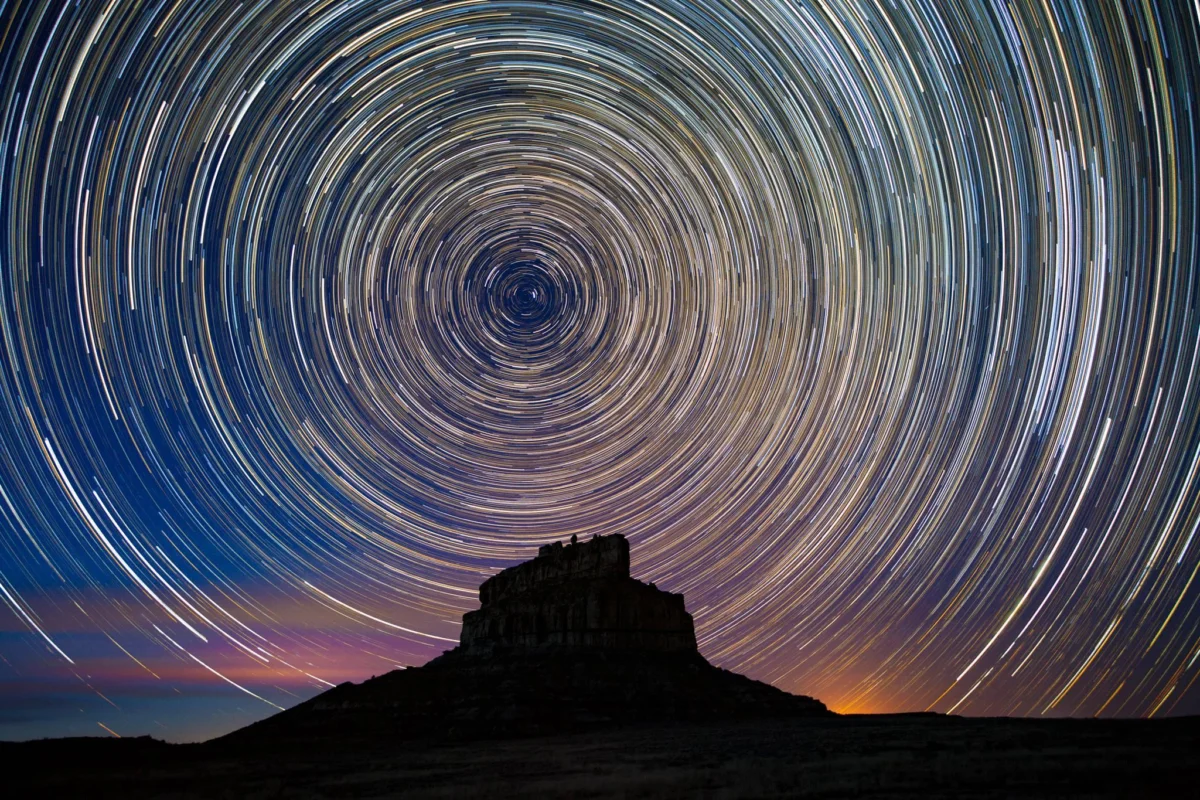
A powerful coalition of representatives from 20 New Mexico pueblos converged on the U.S. Capitol this week, joining the state’s congressional delegation to deliver an unequivocal message: "Chaco Canyon is not for sale." This urgent plea comes as the Bureau of Land Management (BLM) moves to revoke a critical 10-mile buffer zone, established just last year, that currently protects the sacred landscape from new oil and gas drilling and mineral extraction. The proposed reversal, aligning with a broader focus on deregulation and increased resource development, has ignited fierce opposition from tribal nations and their political allies who view the ancient site as an irreplaceable cultural and spiritual heartland.
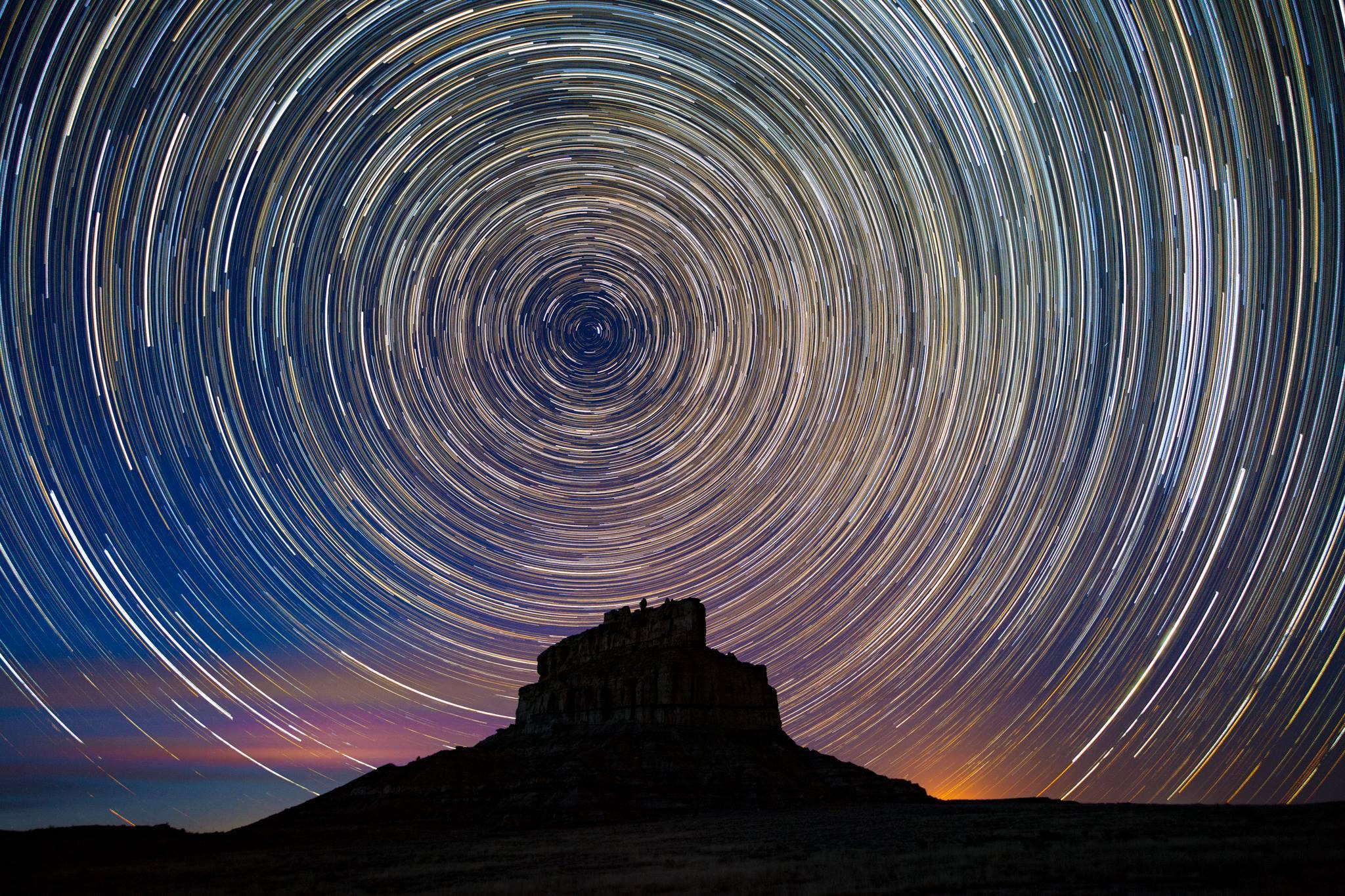
Chaco Culture National Historical Park, a UNESCO World Heritage site nestled in northwestern New Mexico, represents a pinnacle of Ancestral Puebloan civilization, flourishing between 850 and 1250 AD. Its monumental great houses, intricate road systems, and precise astronomical alignments testify to a sophisticated society that exerted profound influence across the Southwest. For modern-day Pueblo people and other descendant communities, Chaco is far more than an archaeological marvel; it remains a vibrant nexus of prayer, pilgrimage, and identity, its deep canyons and mesas imbued with ancestral spirits and continuing cultural significance stretching back millennia. U.S. Rep. Gabe Vasquez underscored this profound connection at a Washington D.C. news conference, emphasizing that "Chaco Canyon is a vibrant place of prayer, pilgrimage and core to the identity of many Southwest tribes, whose connection to this land stretches back thousands of years. In other words, there is no replacing it."
The buffer zone in question, encompassing approximately 336,404 acres surrounding the park, was painstakingly established in 2023 by then-Interior Secretary Deb Haaland, the first Native American to hold a cabinet position. Her order represented a landmark commitment to tribal sovereignty and cultural preservation, aiming to safeguard the integrity of the Chacoan landscape for 20 years from the encroaching impacts of industrial development. Haaland, a New Mexico Democrat with deep ties to Indigenous communities, understood the gravity of protecting such a sacred space, recognizing that drilling activities not only desecrate the land but also introduce irreversible visual, auditory, and atmospheric pollution, disrupting the spiritual silence and cultural experience vital to the region.
The BLM’s current environmental assessment proposes to dismantle these hard-won protections, opening the buffer zone to new leases for oil and gas extraction and mining. This move mirrors the Trump administration’s previous directives to expand domestic energy production, often at the expense of environmental regulations and Indigenous cultural sites. Critics argue that the decision prioritizes short-term economic gains for the fossil fuel industry over the preservation of an unparalleled cultural heritage. Cochiti Pueblo Gov. Phillip Quintana eloquently framed the core dilemma, asking, "Will we choose short-term extraction, or will we choose to protect one of the most important Indigenous cultural landscapes in North America, a place whose meaning reaches far beyond any single administration?"
The procedural swiftness of the proposed revocation has also drawn sharp criticism. The BLM allotted a mere 14-day public comment period for its environmental assessment, a timeframe widely condemned by tribal leaders and lawmakers as woefully inadequate for such a complex and culturally sensitive issue. Opponents contend that this compressed window effectively stifles meaningful public and tribal consultation, undermining the very spirit of environmental review processes. "The administration’s decision to revoke protections for the greater Chaco landscape are an absolute gut punch to New Mexico and to our pueblos, and to give just the public 14 days to respond is an insult," Rep. Vasquez asserted.
In response, New Mexico’s full Democratic congressional delegation, including all five senators and members of Congress, dispatched a letter to U.S. Interior Secretary Doug Burgum, demanding an extension of the comment period to a minimum of 90 days. Their letter also urged Burgum to personally visit Chaco Canyon "before taking any action that would put this irreplaceable landscape at risk," referencing a prior commitment he made during an appearance before the House Natural Resources Committee in June 2025. This distant date for a visit, coupled with the current rapid push to revoke protections, has fueled accusations of bad faith. U.S. Rep. Teresa Leger Fernández, whose district encompasses Chaco Canyon, starkly stated, "He lied. But we will hold him to his comment. We will hold the Department of Interior to the rules and the laws and the regulations, and we will not let them silence us." Joey Sanchez, chair of the All Pueblo Council of Governors, echoed the sentiment of unmet expectations, noting, "We asked for a meeting, but we never got it. I don’t know if you’re here in town, but you know we’re here. We’re ready to be with you. We ask you to come and visit." Secretary Burgum has not yet responded to requests for comment on the matter.
The battle to safeguard Chaco extends beyond federal appeals, with state leaders also mobilizing. State Rep. Derrick Lente, a Democrat from Sandia Pueblo, has called upon New Mexico Governor Michelle Lujan Grisham to solidify the state’s opposition and dedicate resources to defending the landscape. Lente specifically urged the state Department of Cultural Affairs and the State Historic Preservation Officer to fully leverage their authority under the National Historic Preservation Act (NHPA). This critical federal law mandates that federal agencies consider the impacts of their undertakings on historic properties and consult with tribes and state preservation offices, ensuring that "cultural harm" is thoroughly assessed and weighed in decision-making. A spokesperson for Gov. Lujan Grisham affirmed her administration’s long-standing opposition to the proposal, citing official correspondence and coordination with the congressional delegation to bolster the state’s stance.
The issue, however, reveals a complex tapestry of perspectives, particularly within the Navajo Nation, whose lands largely encircle Chaco Canyon. While New Mexico’s pueblos have presented a united front against drilling in the buffer zone, the Navajo Nation leadership has historically expressed mixed views. Outgoing Navajo President Buu Nygren, who opposed the buffer zone, did not advance past Tuesday’s primary election. Yet, the two leading candidates to succeed him share similar positions. Justin Jones has advocated for allottees’ rights to develop oil and gas on their land, emphasizing their surface and subsurface possessory rights—a legacy of historical land distribution policies. Similarly, Navajo Nation Council Speaker Crystalyne Curley strongly disagreed with Secretary Haaland’s 2023 decision to impose the buffer, highlighting the economic opportunities that resource extraction could provide for some Navajo families and communities.
This perspective, rooted in the complex realities of tribal economic development and land ownership, stands in contrast to other Navajo voices. Mario Atencio, a Navajo activist and vocal critic of the oil and gas industry’s environmental impact, whose family holds allotments within the buffer zone, offers a counter-narrative. He argues that revoking protections would grant the government "free rein to pollute the land," posing significant and "challenging and detrimental" risks to the public health and environmental well-being of local communities. This internal divergence within the Navajo Nation underscores the difficult balance between economic sovereignty, individual land rights, and the collective imperative to protect sacred cultural sites and ensure environmental justice.
The fate of Chaco Canyon transcends a regional dispute; it represents a microcosm of a global challenge: reconciling the demands of energy production with the imperative to protect irreplaceable cultural heritage and the rights of Indigenous peoples. As nations grapple with climate change and the transition to cleaner energy, the debate over places like Chaco highlights the enduring tension between economic development and environmental stewardship, especially in areas holding profound spiritual and historical value. The decision on Chaco’s buffer zone will not only determine the future of this ancient landscape but also set a precedent for how federal governments prioritize cultural preservation and tribal consultation in the face of resource extraction pressures, echoing similar struggles in other sacred sites and Indigenous territories worldwide. The fight for Chaco Canyon continues, a testament to the enduring power of cultural heritage and the resolve of those committed to its preservation.