

 Johny Prima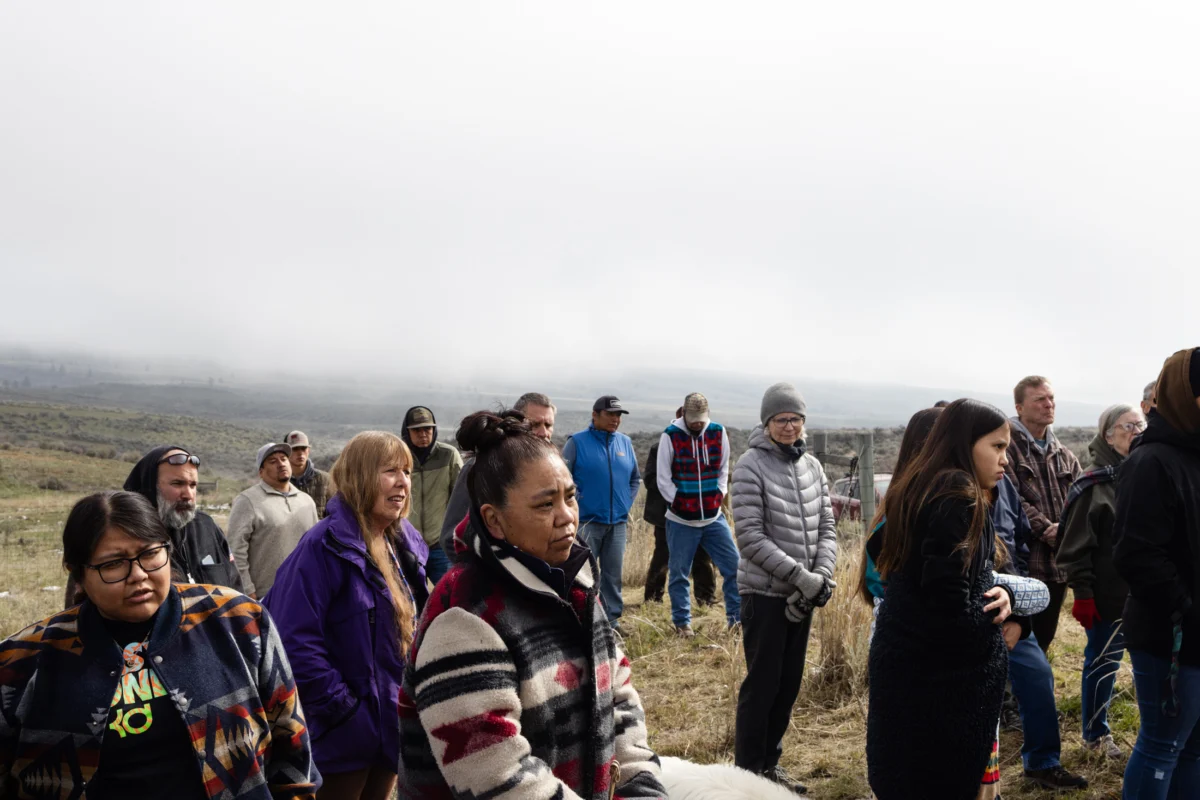
Energy developer Avangrid has officially rescinded its long-standing permit application to construct an industrial-scale solar facility on Badger Mountain in central Washington, a site profoundly sacred to both the Confederated Tribes of the Colville Reservation and the Confederated Tribes and Bands of the Yakama Nation. This significant decision marks the culmination of years of advocacy by Indigenous communities and highlights the growing global tension between the urgent need for renewable energy infrastructure and the imperative to protect ancestral lands and cultural heritage. The proposed project site, spanning both private and public land managed by the Washington Department of Natural Resources (DNR), had sparked widespread concern due to its potential impact on traditional tribal practices, including vital food gathering and ceremonial observances. A comprehensive 2024 investigation, which brought to light the serious threats Avangrid’s solar development posed to these inherent tribal rights, served as a crucial turning point in the protracted dispute.
Chairwoman Cindy Marchand of the Colville Tribes voiced profound satisfaction following the withdrawal, stating, “The Colville Tribes is very happy to hear that the proposed solar project on Badger Mountain has been withdrawn.” Her statement underscored a nuanced position, acknowledging the global imperative for sustainable energy solutions while unequivocally asserting the non-negotiable sanctity of cultural sites. “While the Colville Tribes certainly appreciates the value of renewable energy such as solar power, sacred sites must remain pristine to pass down to future generations,” Marchand emphasized, extending gratitude to Avangrid Power LLC for their decision and expressing confidence in their ability to locate a more suitable alternative site. This sentiment resonates across Indigenous communities worldwide, where the transition to green energy often inadvertently places new pressures on lands already burdened by historical resource extraction and development, challenging the very notion of environmental justice.
The precise motivations behind Avangrid’s withdrawal remain a subject of speculation, as the company has largely remained silent on the matter. Official permitting documents hint that the decision might stem less from direct tribal considerations and more from unforeseen construction delays impacting critical regional energy infrastructure. Avangrid, a prominent energy developer and a subsidiary of the Spanish multinational Iberdrola, one of the world’s largest utility companies, declined to offer clarification to media inquiries, as did the Department of Natural Resources, adding an element of ambiguity to the resolution of this high-profile case. This lack of transparency, while not uncommon in corporate decisions, leaves open questions about the true weight given to Indigenous rights in the developer’s ultimate calculus, particularly in projects affecting areas of profound cultural and spiritual significance.
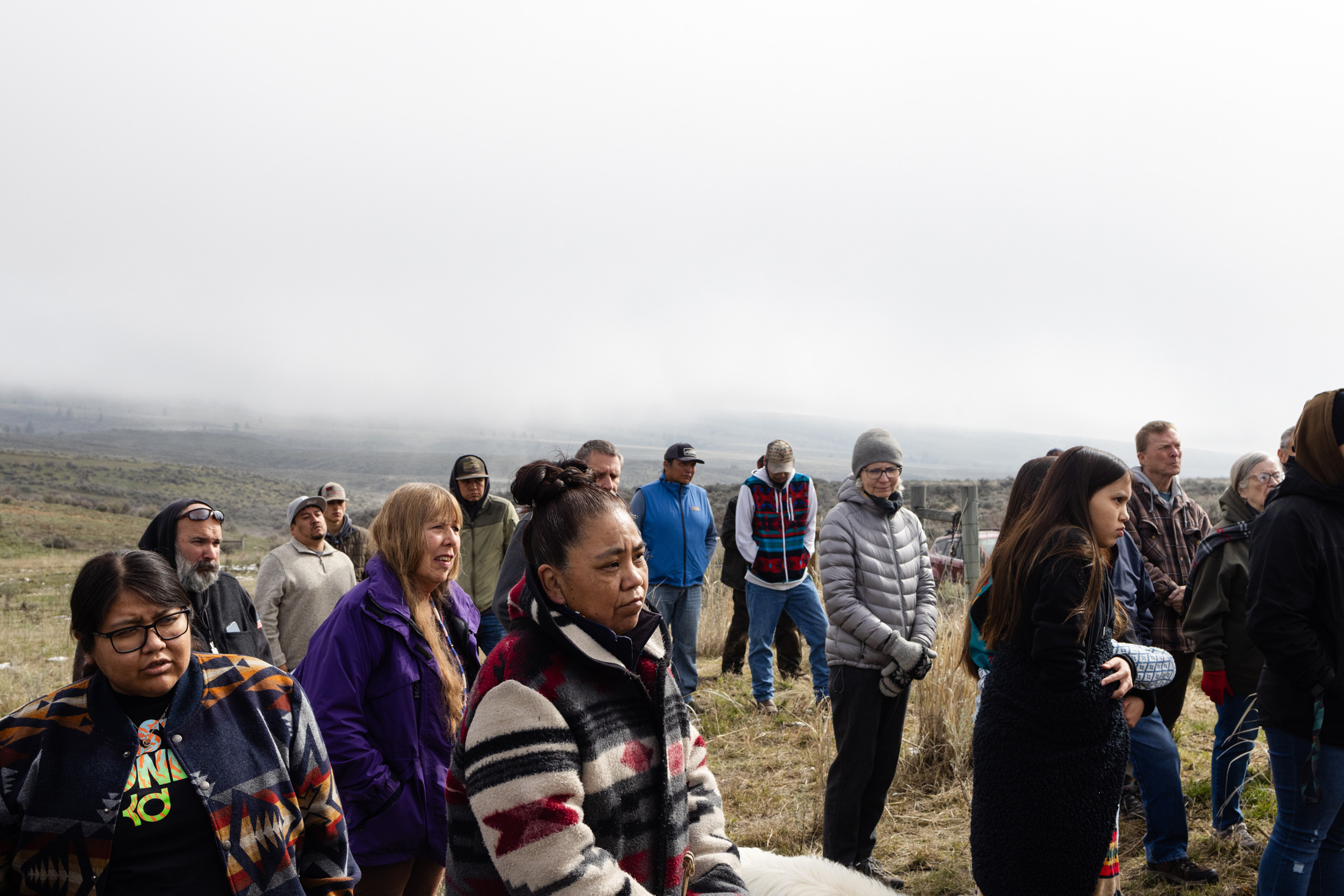
The controversy gained significant public traction following the aforementioned investigative report. In its wake, members of the Wenatchi-P’squosa, one of the twelve constituent tribes of the Confederated Colville Tribes, organized a powerful demonstration on Badger Mountain in 2024. This grassroots action underscored a unified message: while embracing the necessity of renewable energy to combat climate change, such projects must not come at the expense of irreplaceable cultural landscapes. The demonstration, orchestrated by the Wenatchi Advisory Group – an independent entity tasked with representing the specific interests of its Wenatchi-P’squosa constituents to the Colville Tribal Business Council – served as a poignant testament to the deep-seated connection between the people and their ancestral lands. Faced with escalating public pressure and tribal advocacy, Avangrid subsequently announced a pause in development, signaling an intention to reconsider tribal input and public responses – a critical, albeit often limited, avenue for tribal nations to assert their rights and ensure their voices are heard in land development processes that fall under regulatory frameworks like the National Environmental Policy Act (NEPA) and the National Historic Preservation Act (NHPA).
The intricate dance between energy development and environmental regulation continued at a state energy permitting meeting earlier this month, hosted by the Energy Facility Site Evaluation Council (EFSEC), Washington’s primary authority for reviewing major energy facilities. During the proceedings, Avangrid requested yet another year-long extension to temporarily halt permitting work, while crucially retaining the project’s active status within the state’s regulatory framework. Mark Eilers, Avangrid’s senior director of business development, attributed this request to significant delays with the Bonneville Power Administration (BPA). Eilers indicated that the BPA’s anticipated timeline for its Cross-Cascades North transmission line, a vital project designed to bolster power delivery from eastern Washington to the burgeoning Seattle metropolitan area and improve regional grid reliability, had been pushed back by four years, now projecting completion in 2032. Although Eilers stopped short of explicitly linking these delays to Avangrid’s request for a work pause, the implication was clear: the solar project’s viability was intrinsically tied to the availability of this transmission infrastructure, which would carry the generated power to market.
The meeting also offered a glimpse into the regulatory body’s perspective on the contentious issue of cultural impacts. Kurt Beckett, EFSEC chair, acknowledged the objections raised by both the Yakama Nation and the Colville Tribes regarding the solar project’s potential environmental and cultural ramifications. While he stated an aim to "minimize as much of that noise" in the public forum – a phrase that drew scrutiny from observers regarding its implications for tribal voices within official proceedings – Beckett nonetheless conceded, "I don’t wish to overemphasize those, but ultimately they exist," affirming that tribal objections warranted consideration in the state’s permitting deliberations. This often represents a delicate balancing act for regulatory bodies, attempting to streamline development while adhering to statutory and ethical obligations for Indigenous consultation, particularly concerning sites deemed sacred under tribal traditions and protected under various federal and state mandates.
Just five days after Avangrid sought the extended pause, a decisive shift occurred: the company filed a formal request to completely withdraw its proposal, a project that had been in active development since at least 2019. On Monday, EFSEC officially confirmed the withdrawal, stating, “EFSEC will move forward to process this request by closing out existing financial arrangements and notifying interested and agency partners.” The council offered no further comment, directing all inquiries to the developer. This swift and conclusive action brought an end to years of uncertainty and advocacy, leaving a palpable sense of relief among the project’s opponents who had tirelessly worked to protect the integrity of Badger Mountain.
Despite the lingering ambiguity surrounding Avangrid’s ultimate reasoning, the Wenatchi Advisory Group expressed profound satisfaction with the outcome. Steven Wynecoop, vice chair of the Wenatchi Advisory Group and grandson of its revered founder, Matthew Dick, articulated the depth of their relief. “We are very, very happy that they chose to go this route with us, ‘cause it is a very sacred site to us,” Wynecoop affirmed. He elaborated on the multi-generational connection to Badger Mountain, a place integral to their identity and survival. “Generations, we’ve been going to that mountain for plenty of reasons: medicines, foods like roots and berries,” he recounted, emphasizing that families continue to conduct sacred ceremonies on its slopes to this day. This profound, enduring relationship with the land underscores why its preservation transcends mere environmental protection; it is about cultural survival, spiritual continuity, and the inherent right of Indigenous peoples to practice their traditions on ancestral territories.
Wynecoop’s family narratives offer a vivid window into this ancestral bond. He shared a cherished story passed down through Wenatchi lineages, recounting a time when his grandfather, Matthew Dick, was young and his family was gathering traditional medicines on Badger Mountain. They were approached by local landowners, a white couple who, charmed by Matthew’s brother, Uncle Terry, then a young boy innocently fishing in a puddle with a stick and string, made an extraordinary offer. “They thought he was just adorable,” Wynecoop recounted, mirroring his grandfather’s frequent retelling at ceremonies. “They wanted to adopt him. They offered their part of Badger Mountain to her for her kid – which, of course, she turned them down.” The story, often told with a chuckle by his grandfather, concluded with a characteristic jest: “Yeah, now here we are – no Badger Mountain, but we got Terry!” This anecdote, while humorous, powerfully illustrates the enduring cultural value placed on family and ancestral ties over land ownership, a perspective often at odds with Western concepts of property and development.
The withdrawal of the Badger Mountain solar project resonates far beyond central Washington, serving as a critical case study in the broader global dialogue surrounding responsible renewable energy development. As nations accelerate their transition to green energy to mitigate climate change, the ethical siting of large-scale infrastructure projects, such as solar arrays and wind farms, increasingly clashes with the sovereign rights and cultural stewardship responsibilities of Indigenous peoples. This incident underscores the imperative for developers like Avangrid and their parent company Iberdrola, global players in the energy sector, to engage in meaningful and robust consultation with tribal nations, respecting their deep-rooted connections to ancestral territories and ensuring that the pursuit of sustainability does not inadvertently perpetuate historical injustices. The outcome on Badger Mountain signals a growing recognition, both legally and ethically, of the irreplaceable value of Indigenous cultural heritage and the necessity of prioritizing Free, Prior, and Informed Consent in all development ventures impacting tribal lands. It stands as a testament to the persistent advocacy of Indigenous communities in safeguarding their sacred sites for generations to come, while simultaneously challenging the renewable energy sector to innovate solutions that honor both environmental sustainability and social equity.







