Johny Prima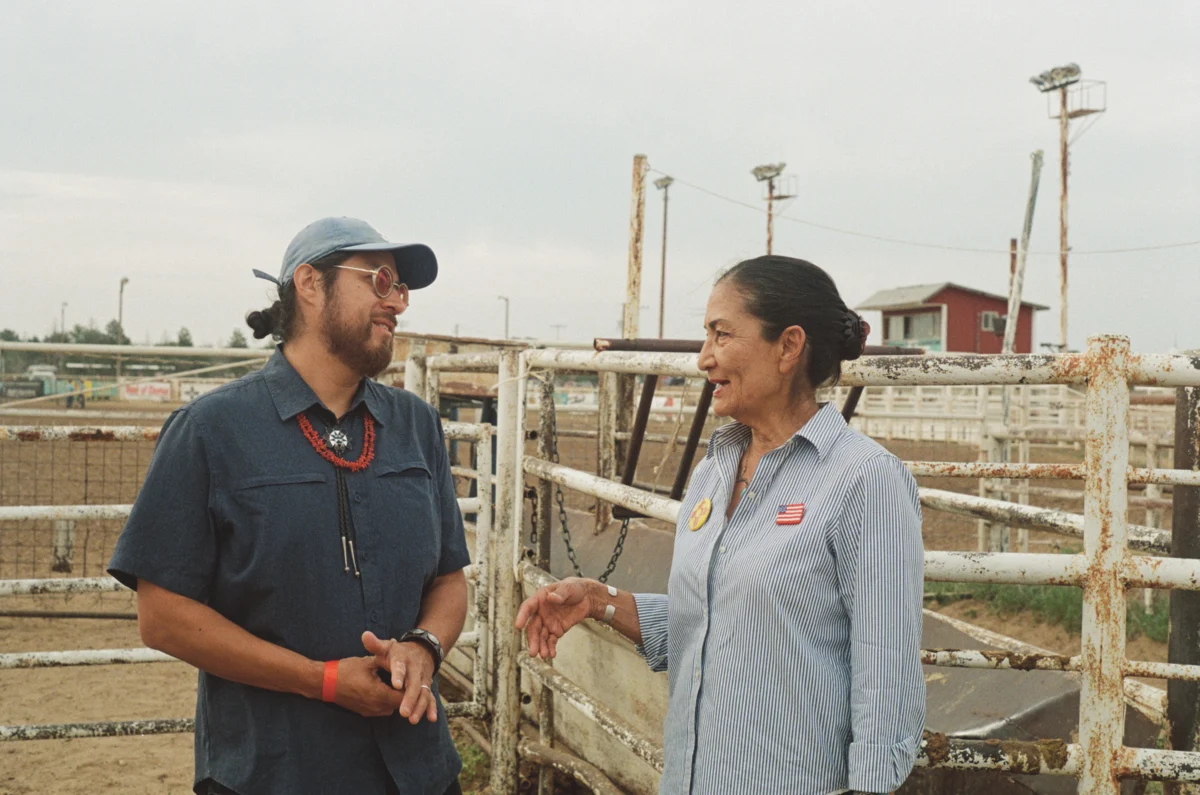
In the quiet pre-dawn hours, a sacred ritual unfolds in the American Southwest, a practice observed for millennia by Indigenous peoples. A small offering of corn pollen, carefully held in the right hand, is made, facing the nascent light of the eastern sky, towards the majestic Sandia Mountains. This act, deeply embedded in land-based belief systems prevalent across the globe and particularly within the Pueblo communities of New Mexico, signifies a profound connection to existence, an affirmation of one’s place in the universe, and a conscious setting of one’s path forward. It is a moment of gratitude for the new day, a remembrance of grandparents and ancestors, both past and recently departed, whose spirits continue to guide. The corn, harvested from the rich red clay soils of the Zuni Mountains, embodies this enduring lineage, a physical link to generations who have nurtured the land and been nurtured by it. This ancient tradition, passed down through countless generations, underscores a reverence for life’s continuous journey and the inherent responsibility to shape it with intention and peace.
This very philosophy underpins the remarkable trajectory of Deb Haaland, a distinguished Laguna and Jemez Pueblo relative whose own mornings begin with a similar recommitment to ancestral teachings. "I wake up every morning, and I recommit myself to the things that I was taught by my grandparents," Haaland affirmed in April outside a Santa Fe energy summit. Her grandparents, contemporaries of many Pueblo elders, instilled in her the enduring knowledge and lifeways that have propelled her to the forefront of American politics. Haaland, who etched her name in history as the first Indigenous Secretary of the Interior during the Biden administration, has been relentlessly crisscrossing New Mexico since 2025. Her tireless campaign trail has taken her from the rural heartlands of Gallup and Shiprock to the political epicenters of Santa Fe and her Albuquerque home, all driven by a deep sense of purpose. She frequently credits the unparalleled resilience of her ancestors for her current position: not only a leading contender in the New Mexico gubernatorial race but also a pivotal figure in guiding the United States through a period of post-Trump reconstruction, advocating for a renewed focus on unity, equity, and sustainable governance.
Should Haaland secure the governorship, she would not only become New Mexico’s third consecutive female governor – a testament to the state’s progressive political landscape – but also the first Native American to hold the state’s highest office. Her commanding victory in the Democratic primary, where she triumphed by a remarkable 45 percentage points, demonstrated the widespread support for her vision. Her comprehensive platform addresses critical issues facing New Mexicans: expanding public health care access to ensure equitable well-being for all citizens, strengthening the state’s environmental regulations to safeguard its precious natural resources against climate change and industrial pressures, increasing the state minimum wage to uplift working families, strategically leveraging energy profits to fund progressive policies and invest in renewable energy, and, critically, advancing tribal sovereignty to empower the state’s 23 tribal nations. These policy pillars reflect a holistic approach to governance, intertwining social justice, economic opportunity, and environmental stewardship, all viewed through the lens of Indigenous values.

The prospect of a Native American governor presents a complex, even contradictory, dynamic within the framework of state governance. The very office derives its authority from a system that historically perpetuated, and often perfected, state violence against tribal nations, undermining their inherent sovereignty and self-determination. Yet, an Indigenous person in this role offers an unprecedented opportunity to transform these structures from within. If elected, Haaland would assume the critical responsibility of managing the intricate relationships between the state and its 23 tribal nations. She is uniquely prepared for this task, having gained invaluable experience at the federal level as Interior Secretary, where she oversaw vast tracts of federal lands and managed trust and treaty obligations with hundreds of tribal nations across the country. Her intimate understanding of these complex legal and historical frameworks, stemming from her identity as a Pueblo woman, would inform her leadership. Her tenure at Interior demonstrated how a leader grounded in land-based beliefs could champion more respectful and sustainable federal land management practices, setting a precedent for state-level engagement.
This journey has positioned her precisely where she can most effectively advance tribal sovereignty within the United States. As the potential first Native American woman elected governor, Haaland would continue a legacy of Pueblo leadership that predates multiple colonial governments, echoing centuries of self-governance and resilience. During her extensive campaign, Haaland has engaged in numerous discussions, articulating her vision and strategic plans for New Mexico’s future. These conversations frequently underscore her commitment to systemic change and her pragmatic approach to policy.
Addressing the national political climate, Haaland acknowledges the deep divisions and challenges brought forth by the previous administration. "It’s always exciting," she notes of the campaign trail, recognizing the urgency of her mission. She highlights the imperative to reclaim voters swayed by populist rhetoric, stating, "Donald Trump took 3% of our voters in the last election, and I’m going to get those back." She critiques the previous administration’s failure to address core economic concerns, asserting, "Donald Trump promised to lower costs for people. He’s not focused on that at all. He’s making things more expensive, and at the same time, he’s focused on terrorizing our neighborhoods and creating chaos all over, not just New Mexico but all over the country. So people want us to pay attention to the issues that affect them." This perspective frames her campaign as a crucial step in healing societal divides and refocusing on tangible improvements in people’s daily lives.
When engaging with non-Native populations or those unfamiliar with the principles of tribal sovereignty, Haaland emphasizes the profound historical presence of Indigenous peoples. "Pueblo Indians have been in the Rio Grande Valley since the late 1200s, sometimes migrating from other places in New Mexico. Their ancestral homeland is vast," she explains, highlighting that while tribal boundaries may vary, the historical connection to the land is undeniable. She underscores the importance of historical context for any entity operating within the state. "Any corporation, project developer or emerging leader needs to know and understand that history." She acknowledges the deep-seated skepticism among tribes, born from "decades" of exploitation, stressing that "it’s up to [outsiders] to develop that relationship, make sure they are being transparent and upfront about all of the information, so that a relationship of trust can develop." This trust, she believes, is the foundation for tribes to engage with new opportunities. Even if a project does not directly touch tribal land, its visibility from those lands warrants consultation and respect. "Tribes deserve respect, first of all, and they deserve to be a part of something that is affecting their ancestral homeland."

Haaland observes a growing recognition among business leaders regarding the importance of tribal engagement. "Yes, I do," she affirms, noting that industry leaders on the campaign trail frequently mention "somebody who is reaching out to tribes, somebody who is collaborating with tribes." She credits the New Mexico State-Tribal Collaboration Act for fostering this understanding, stating, "We recognize the value that tribes bring to our state, and we also recognize the responsibility of our state to ensure that we are respecting tribes — their sovereignty, their land base, what they bring to our economy, all of those things." This legislative framework, enacted in 2009, mandates state agencies to forge working partnerships with tribal governments, creating a structured approach to negotiations and policy development that mirrors, on a state level, the federal government’s trust and treaty obligations to tribes.
A critical concern for New Mexico, an arid state perpetually grappling with drought, is water use and management. Haaland’s stance is clear: "If industry wants to move to New Mexico, [it] needs to be sustainable. Water should be prioritized for people." This prioritizes human needs and long-term ecological health over unchecked industrial expansion, reflecting a global shift towards sustainable resource management in the face of escalating climate change and water scarcity.
Regarding the federal government’s recent dismantling of environmental protections, Haaland sees an urgent mandate for state action. "We absolutely have to fill the gap. We don’t have a choice," she asserts, emphasizing that despite federal rollbacks and program cuts, the federal government still bears obligations to New Mexico. "I’m going to do everything I can to make [it] live up to that. We can’t just let our environment go by the wayside because Donald Trump has decided that he wants to pocket a bunch of money." Her resolve signals a readiness to protect New Mexico’s environment and its citizens from the adverse effects of federal policy shifts, positioning the state as a bulwark against environmental degradation.
To achieve these goals, Haaland envisions a robust legal strategy. As governor, she would work closely with state agencies, the attorney general, and the Legislature to challenge detrimental federal actions and hold major corporations accountable. "We have to hire more lawyers so that we can sue the federal government when [it] needs to be sued for encroaching on our state sovereignty, or ruining our environment," she declares. This proactive legal approach extends to protecting citizens’ entitlements: "We need to sue the federal government when [it’s] taking funds away from people who are promised benefits. I think that we really need to build that out, because New Mexico has to press these issues with the federal government in a big way. I think that’s how we do it, through the courts." This strategy underscores a firm commitment to defending state and individual rights against federal overreach.

Finally, Haaland is a passionate advocate for incorporating the full scope of American history, including the painful legacy of the federal Indian Boarding School era, into public education. "Native American History is American history. Every single American in this country owns that history — that terrible, violent, horrible federal Indian Boarding School history," she states emphatically. She believes it is crucial for "all children [to] know and understand" this dark chapter, especially since many boarding schools operated within New Mexico. She shares her family’s personal trauma: "My grandparents were put on a train and sent to St. Catherine’s here in Santa Fe. My great-grandfather was only able to visit my grandmother twice in the five years she was separated from her family, because all he had was a horse and a wagon to travel." She recounts the chilling history of Fort Union, a way station where Native children were forcibly assimilated, their hair shaved, clothes burned, and identities stripped before being sent to distant boarding schools. "This is New Mexico history. … We have an important state; we have an important history. It’s a history that every New Mexican should know about. We all have an obligation to that." By ensuring this history is taught, Haaland aims to foster a more complete understanding of the past, paving the way for healing and reconciliation across generations.