

 Joko Susilo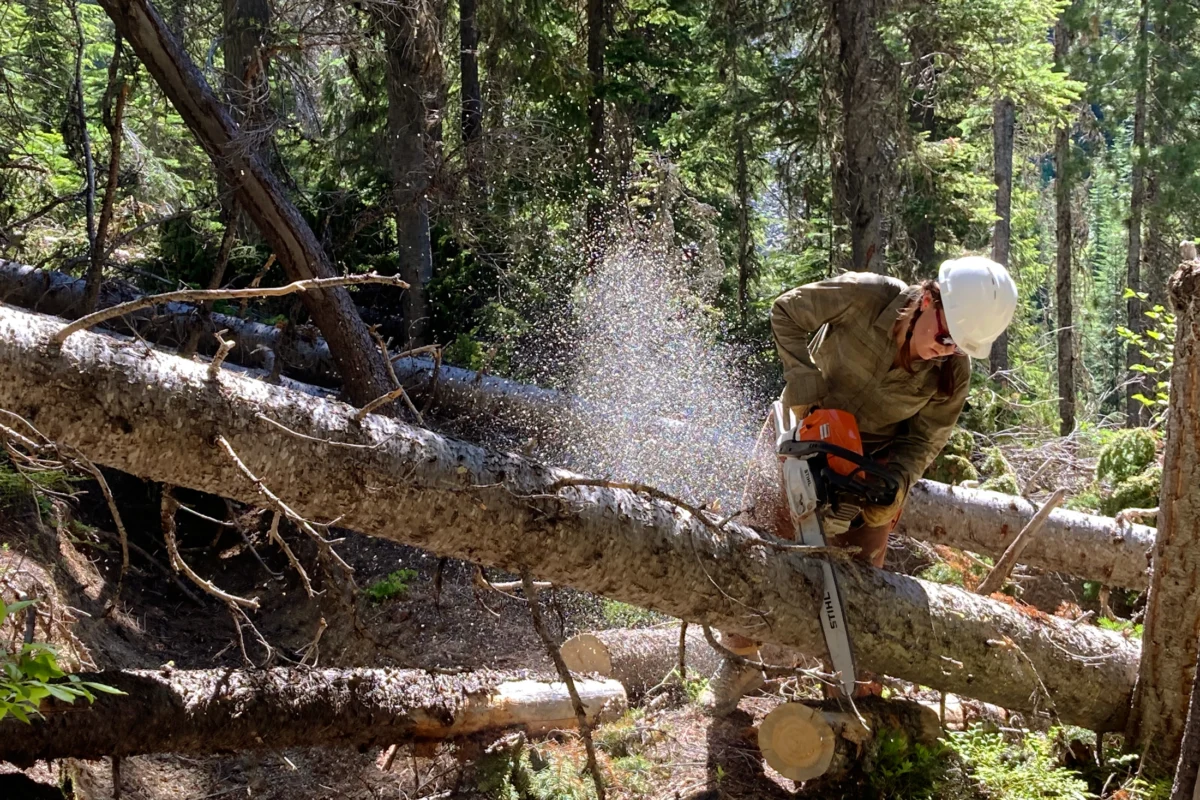
The rhythmic scrape and groan of a crosscut saw biting into fire-scarred timber has long been the quintessential sound of wilderness trail maintenance, often punctuated by the curious queries of passing hikers wondering why motorized equipment is absent. This familiar scene, where dedicated trail crews laboriously clear fallen trees with hand tools, underscores a foundational principle of federally designated wilderness areas: a strict prohibition on machines, a rule enshrined in the landmark 1964 Wilderness Act. For many, "wilderness" conjures an ethereal image of pristine nature, a remote escape from civilization; however, within the context of federal public lands, "Wilderness" is a proper noun, carrying precise legal weight. This pivotal legislation, a cornerstone of American conservation, mandates that such areas comprise 5,000 or more contiguous roadless acres, offering "opportunities for solitude" and "unconfined recreation," devoid of "permanent improvements," thereby safeguarding them from development and subjecting them to rigorous activity regulations that exceed those on other public lands. Inspired by figures like Aldo Leopold and the nascent environmental movement, the Wilderness Act created a unique preservation system, now encompassing over 111 million acres across the United States, representing a global benchmark for protecting natural heritage.
Yet, this steadfast commitment to primitive tools is now confronting the stark realities of a changing climate and escalating maintenance crises. Earlier this spring, a significant policy shift by the U.S. Forest Service ignited a fierce debate among conservationists when it granted the Idaho Outfitters and Guides Association permission to utilize chainsaws for clearing a limited number of trails within Idaho’s vast Frank Church-River of No Return Wilderness, one of the largest and most remote wilderness areas in the contiguous United States. This decision sent ripples of apprehension through traditional wilderness advocacy groups, many of whom voiced immediate alarm, warning of a potential "slippery slope" that could erode the foundational protections of wilderness areas and accusing the agency of capitulating to special-interest pressures. However, amidst this outcry, the crucial perspectives of the very individuals on the front lines—the skilled trail professionals who dedicate years to maintaining these remote pathways—have largely been overlooked. These experienced workers, grappling firsthand with the devastating impacts of climate change and perennial federal budget shortfalls on trail stewardship, have long advocated for greater operational flexibility, including the targeted use of chainsaws, to address an increasingly untenable workload.

My own eight-year tenure working on trail crews in Washington’s fire-prone and heavily timbered Cascade Range provided an intimate understanding of this dilemma. Operating primarily within the Okanogan-Wenatchee National Forest, a district encompassing over 700 miles of trail—roughly half of which lay within designated wilderness—I personally engaged in clearing thousands of downed logs. The contrast was stark: crosscut saws were the sole implements permitted in wilderness, while chainsaws dramatically expedited tasks elsewhere. The landscape of the American West, particularly its forested regions, is undergoing profound transformation due to climate change. Each year, wildfires burn with unprecedented intensity and frequency, leaving behind vast tracts of charred forest where trees, weakened or killed, inevitably succumb to gravity. A single mile of trail in the aftermath of a major fire can become an impenetrable obstacle course, choked by scores, even hundreds, of fallen, dead trees. This process of post-fire tree fall is not a fleeting event; it can continue for years, even decades, presenting a persistent and overwhelming challenge. Beyond wildfires, other climate-fueled phenomena—including widespread and increasingly virulent beetle infestations exacerbated by warmer temperatures, unprecedented accumulations of wetter, heavier snow that lead to greater tree stress, and extreme wind events—further contribute to the monumental buildup of deadfall. Confronted with this relentless onslaught, our trail crews, typically comprising four or five individuals supplemented by dozens of dedicated volunteers, were fortunate to clear even half of the district’s extensive trail mileage each season. Districts with fewer resources, or those entirely lacking dedicated crews, faced even more dire circumstances, with vast swathes of their trail networks falling into disrepair.
The ramifications of impassable and unsafe trails extend far beyond mere inconvenience; they pose serious threats to public safety, environmental management, and the very future of wilderness conservation. Blocked trails can severely impede backcountry evacuations during emergencies, complicate crucial fire management operations by limiting access for firefighters, and hinder vital scientific monitoring efforts that track ecological changes within these sensitive ecosystems. Crucially, they also drastically limit public access to wilderness areas, thereby stifling the growth of a diverse and engaged community of wilderness lovers and defenders—a constituency arguably more vital now than ever before, given the myriad threats facing natural landscapes globally. Trail workers, at their core, are dedicated to ensuring public lands remain accessible; it is the fundamental purpose of their demanding profession. The Wilderness Act itself, echoing this sentiment, explicitly mandates that the government administer wilderness "for the use and enjoyment of the American people," a phrase so significant it appears three times within the law’s text. However, the ability to "enjoy" these invaluable resources is contingent upon the capacity to "experience" them. As the renowned naturalist David Attenborough eloquently observed, people are profoundly unlikely to care about protecting what they have never had the opportunity to experience firsthand.
While I found a profound sense of pride and camaraderie in the arduous, rhythmic labor of partnering on a crosscut saw, the relentless physical toll and psychological strain of clearing countless logs, year after year, eventually led me to question the agency’s rigid, no-exceptions ban on chainsaws in designated wilderness. The operational disparity is undeniable: a single cut through a substantial log with a chainsaw can be completed in mere seconds, a stark contrast to the minutes, or even hours, required for the same task with a crosscut saw. This inefficiency not only consumes precious time and resources but also significantly prolongs sawyers’ exposure to inherent hazards, such as unstable standing dead snags or rapidly changing weather conditions. In the current ecological reality of America’s forests, compounded by persistent understaffing and chronic federal budget constraints for public lands management, the absolute prohibition of chainsaws often feels more performative than protective. Rather than genuinely safeguarding wilderness character, this policy, ironically, contributes to its slow disappearance, as vast networks of trails become overgrown, inaccessible, and effectively lost to the public.

Effectively maintaining wilderness access in the face of escalating environmental challenges demands a multi-pronged strategy: it requires both significantly larger and better-compensated trail crews and the judicious, targeted deployment of chainsaws. It is a critical distinction that the word "chainsaw" itself does not appear anywhere within the Wilderness Act. Instead, Section 4(c) broadly prohibits the use of "motorized equipment" in wilderness areas "except as necessary to meet minimum requirements for the administration of the area." This crucial clause provides a legal avenue for agencies to interpret and adapt to evolving circumstances. Notably, the National Park Service, another primary steward of federal wilderness lands, has long interpreted trail clearing as a "minimum requirement" for area administration, consequently allowing its wilderness trail crews to utilize chainsaws. Given the overwhelming buildup of deadfall that is now obliterating wilderness trails within national forests across the West, a similar pragmatic and flexible approach by the Forest Service is not just advisable, but arguably essential. Even if every ranger district across the Western United States were to achieve full staffing next year—a highly optimistic scenario—the relentless cycle of tree fall, catastrophic fires, and other climate-driven disturbances would persist. Crews would inevitably continue to play a desperate, losing game of catch-up. Chainsaws, when used strategically, offer a vital tool to make the monumental workload manageable once again, preventing further deterioration of these invaluable public assets.
The consequences of inaction are already starkly evident. When I began my career with the Forest Service in 2016, our district crew had already ceased maintaining over a dozen minor wilderness trails, a decision driven by insufficient resources and overwhelming demand. A decade later, the situation has worsened considerably: crews are now struggling intensely to keep open even major arterial trails that provide the sole remaining access to entire backcountry zones, as well as critical sections of iconic long-distance routes like the Pacific Crest Trail. The abandonment of these vital pathways carries significant implications, not only for recreation but also for the broader health of the wilderness system. It inevitably leads to further concentration of visitors in high-profile, easily accessible areas—such as the breathtaking but often overcrowded Enchantments in Washington or popular national parks like Mount Rainier—places already grappling with the profound ecological and experiential challenges of overuse and degradation.
The debate surrounding chainsaw use in the Frank Church-River of No Return Wilderness, a focal point of the recent Forest Service decision, further highlights the complexities of equitable access. This immense wilderness area, one of the largest in the contiguous United States, contains dozens of airstrips and private ranches that predate its Wilderness designation, offering fly-in guests a unique, albeit exclusive, mode of entry. In contrast, a well-maintained trail system offers a far more equitable and affordable pathway for the general public to experience and connect with wilderness, provided we can maintain its integrity. Furthermore, advancements in technology offer promising alternatives. Today’s battery-powered saws provide a viable, quieter, and emission-free option to traditional gas-powered chainsaws, significantly mitigating concerns about noise pollution and environmental impact. Anecdotal evidence from hikers suggests that encountering a trail crew at all is a rare event, rendering the probability of hearing even a battery-powered chainsaw exceedingly low. The most tangible and beneficial impact of allowing targeted chainsaw use in wilderness, especially with these quieter alternatives, would be the restoration of countless miles of safe, passable, and accessible trails. This, in turn, would create expanded opportunities for a broader spectrum of people to experience, enjoy, and ultimately become passionate advocates for the long-term protection of these irreplaceable wilderness landscapes.







