

 Johny Prima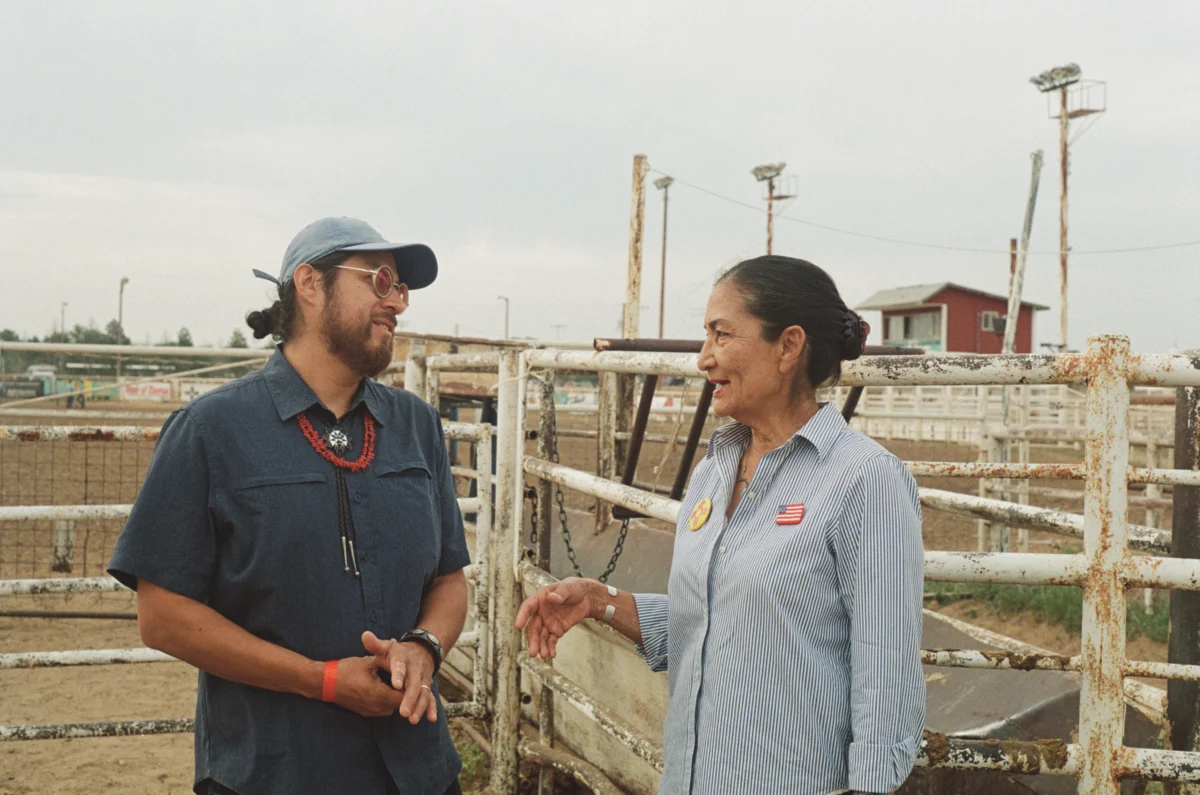
In the pre-dawn stillness of the New Mexico landscape, a sacred ritual unfolds, a practice deeply rooted in the land and ancestral wisdom that shapes the path forward for many Indigenous people, including the author of this article. With corn pollen, harvested from the red clay soils of the Zuni Mountains, held reverently in the right hand, prayers are offered, facing east toward the majestic Sandia Mountains. This ancient Pueblo tradition, passed down through generations, centers on the profound belief that one is precisely where they are meant to be, fostering a profound connection to all existence. It is a land-based belief system, echoing similar spiritual traditions found across the globe, that views life as a continuous journey, emphasizing the conscious act of setting one’s course. Expressions of gratitude for the dawn and intentions for a peaceful day are spoken, acknowledging not only living relatives but also the younger ancestors and elders who have transitioned, their spirits woven into the fabric of the land. The scattering of corn pollen at one’s feet symbolizes this eternal cycle, a practice observed "since, well, forever," underscoring an unbroken chain of cultural and spiritual continuity.
This deep-seated connection to land and heritage resonates powerfully with Deb Haaland, a distinguished relative from the Laguna and Jemez Pueblos, who commences her own days with a strikingly similar spiritual commitment. "I wake up every morning, and I recommit myself to the things that I was taught by my grandparents," Haaland affirmed in April outside a Santa Fe energy summit. Her grandparents, contemporaries of the author’s great-grandparents, shared a common Pueblo heritage, exchanging knowledge and lifeways that have profoundly influenced the present generation. Haaland, who etched her name in history as the first Indigenous Secretary of the Interior during the Biden administration, has been relentlessly traversing New Mexico since 2025. Her campaign trail winds through diverse rural communities like Gallup and Shiprock, before looping back to the political heart of Santa Fe, and finally returning to her Albuquerque home for the night. She attributes her current position – as a leading frontrunner in the state’s gubernatorial race and a pivotal figure in the United States’ post-Trump reconstruction efforts – directly to the enduring resilience of her ancestors. This resilience, forged through centuries of adaptation and perseverance, now propels her forward, embodying a legacy of strength and determination.

Should Haaland secure victory, she would not only become New Mexico’s third consecutive female governor but also make history as the first Native American to hold the state’s highest office. Her dominant performance in the Democratic primary, where she triumphed by a remarkable 45 percentage points, demonstrated a broad and deep mandate from voters. Her robust platform champions several key progressive initiatives designed to uplift New Mexicans and safeguard the state’s future. These include a significant expansion of public health care services, particularly vital for underserved rural and tribal communities; the strengthening of state environmental regulations to combat climate change and protect precious natural resources; a substantial increase in the state minimum wage to address economic inequality; the strategic leveraging of New Mexico’s energy profits – encompassing both traditional fossil fuels and burgeoning renewable sources – to fund these progressive policies; and, crucially, the vigorous advancement of tribal sovereignty, a cornerstone of her political and personal philosophy. Her vision for New Mexico is one of equity, sustainability, and respect for its diverse cultural heritage.
The prospect of a Native American governor presents a profound and complex duality: The very authority of the gubernatorial office stems from a state system that has historically perpetrated systemic violence and dispossession against Indigenous peoples. Yet, an Indigenous leader within this structure also represents a powerful movement of tribal self-determination, offering an unprecedented opportunity to transform the system from within. If elected, Haaland would bear the weighty responsibility of managing the intricate relationships with New Mexico’s 23 federally recognized tribal nations – including various Pueblo, Navajo, and Apache communities. Her approach would undoubtedly leverage existing mechanisms like the New Mexico State-Tribal Collaboration Act of 2009, a landmark piece of legislation that mandates state agencies to forge working partnerships and engage in negotiations with tribes on policy and practice. This act serves as a crucial state-level analogue to the federal government’s trust and treaty obligations to sovereign tribal nations, a framework Haaland understands intimately. Her tenure as Interior Secretary provided an unparalleled platform to demonstrate how a leader with deeply ingrained land-based beliefs could effectively steward federal lands and navigate complex intergovernmental relations, championing Indigenous perspectives at the highest levels of national governance.
Haaland’s unique journey, from a Pueblo woman steeped in ancestral traditions to a national political figure and now a gubernatorial candidate, positions her precisely to advance tribal sovereignty within the United States. Her potential election as the first Native American woman governor would signify a powerful continuation of Pueblo leadership, a lineage that predates multiple colonial governments and has persisted through centuries of profound change. During her extensive campaign travels, the candidate frequently engaged with the author, discussing her overarching vision and concrete plans for New Mexico. These conversations consistently underscored her commitment to equitable governance and respect for tribal self-determination.

When questioned about the pivotal nature of this election in the national context, Haaland emphasized the widespread desire among voters for leaders who prioritize substantive issues over political discord. She directly addressed the lingering impact of figures like former President Donald Trump, asserting confidence in winning back voters disillusioned by unfulfilled promises and a focus on "terrorizing our neighborhoods and creating chaos all over." Her campaign, in stark contrast, zeroes in on the tangible concerns that directly affect New Mexicans, from economic stability to public safety.
A critical aspect of her platform involves fostering understanding of tribal sovereignty among non-Native populations. Haaland meticulously educates audiences on the enduring history of Pueblo peoples in the Rio Grande Valley, noting their continuous presence since the late 1200s and their vast ancestral homelands, even as modern tribal boundaries may be more confined. She highlights that many tribes are actively engaged in buying back ancestral lands, underscoring their inherent connection and stewardship. She stresses that any corporation, project developer, or emerging leader must comprehend this profound history. Recognizing the deep-seated skepticism among tribes, born from decades of exploitation and broken promises, Haaland places the onus on external entities to cultivate trust. This necessitates transparent, upfront communication and a genuine commitment to collaborative relationship-building. Even when proposed projects do not directly touch tribal lands but are visible from them, Haaland firmly asserts that tribes deserve respect and a place at the decision-making table, acknowledging their inherent right to be involved in matters affecting their ancestral territories.
Encouragingly, Haaland observes a growing recognition among business leaders, both large and small, regarding the significant value of tribal capital and the imperative of tribal engagement. On the campaign trail, industry leaders frequently volunteer their efforts to reach out to and collaborate with tribes, signaling a nascent but important shift in understanding. New Mexico’s State-Tribal Collaboration Act is a testament to this evolving recognition, formalizing the state’s acknowledgment of the immense contributions tribes make to the state’s economy, cultural fabric, and land stewardship, while also affirming the state’s responsibility to respect tribal sovereignty and land bases.

Addressing New Mexico’s perennial challenge of water scarcity, exacerbated by persistent drought conditions across the American Southwest, Haaland’s vision prioritizes sustainable growth. She asserts that any industry seeking to relocate or expand in New Mexico must adhere to principles of sustainability, with water unequivocally prioritized for human consumption and essential needs. This approach reflects a deep understanding of the region’s delicate ecological balance and the necessity of responsible resource management in the face of climate change.
The federal government’s actions, particularly concerning the Environmental Protection Act (EPA), have created significant gaps in environmental protection, which Haaland views as an urgent opportunity for states like New Mexico to lead. She declares, "We absolutely have to fill the gap. We don’t have a choice." In response to federal rollbacks and program cuts, Haaland is committed to ensuring the federal government upholds its obligations to New Mexico. As governor, she would empower state agencies, including the attorney general and the Legislature, to vigorously pursue legal action against major companies or even the federal government itself when environmental protections are undermined, or promised benefits are withheld from New Mexicans. This strategy involves significantly increasing the state’s legal capacity to sue the federal government for encroaching on state sovereignty, causing environmental harm, or failing to deliver promised funds. Her resolve underscores a broader national trend where states are increasingly stepping in to protect their citizens and environments amidst federal deregulation.
Finally, Haaland is a fervent advocate for incorporating the full scope of Native American history, particularly the painful legacy of the federal Indian Boarding School era, into New Mexico’s public school curriculum. She passionately asserts that "Native American History is American history," and that every American bears a shared obligation to understand this "terrible, violent, horrible" chapter. She emphasizes that boarding schools operated right within New Mexico, sharing a deeply personal family connection: Her grandparents were forcibly taken from their families and sent to St. Catherine’s in Santa Fe. Her great-grandfather, relying solely on a horse and wagon, could visit his daughter only twice in five years. She recounts the grim history of Fort Union, a way station north of Las Vegas, where Native children were stripped of their identities—their heads shaved, traditional clothes burned, and uniforms imposed—before being dispatched to distant boarding schools. This profound and often-overlooked aspect of New Mexico’s past, she argues, is an essential part of every New Mexican’s heritage, and its widespread teaching is crucial for truth, healing, and a more complete understanding of the nation’s history. Her leadership promises to bring this vital history to the forefront, ensuring that future generations grasp the complex and enduring legacy of Indigenous peoples in America.







