Johny Prima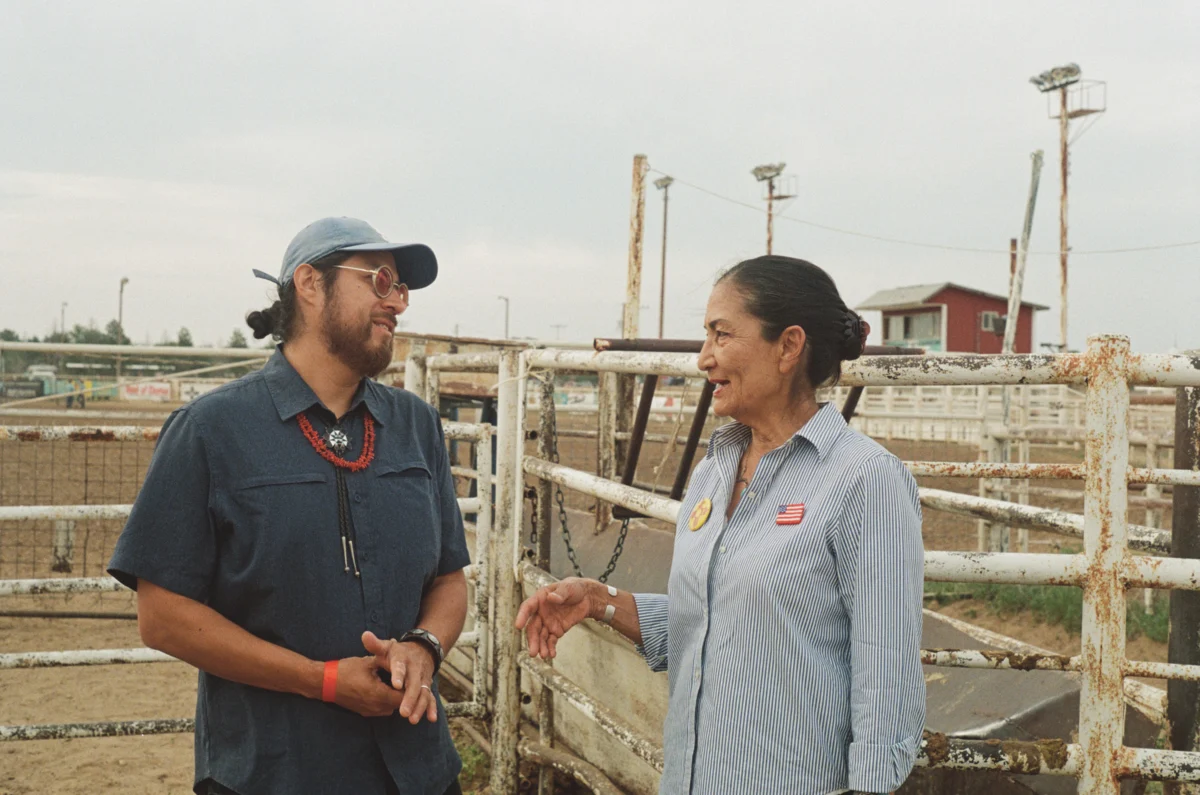
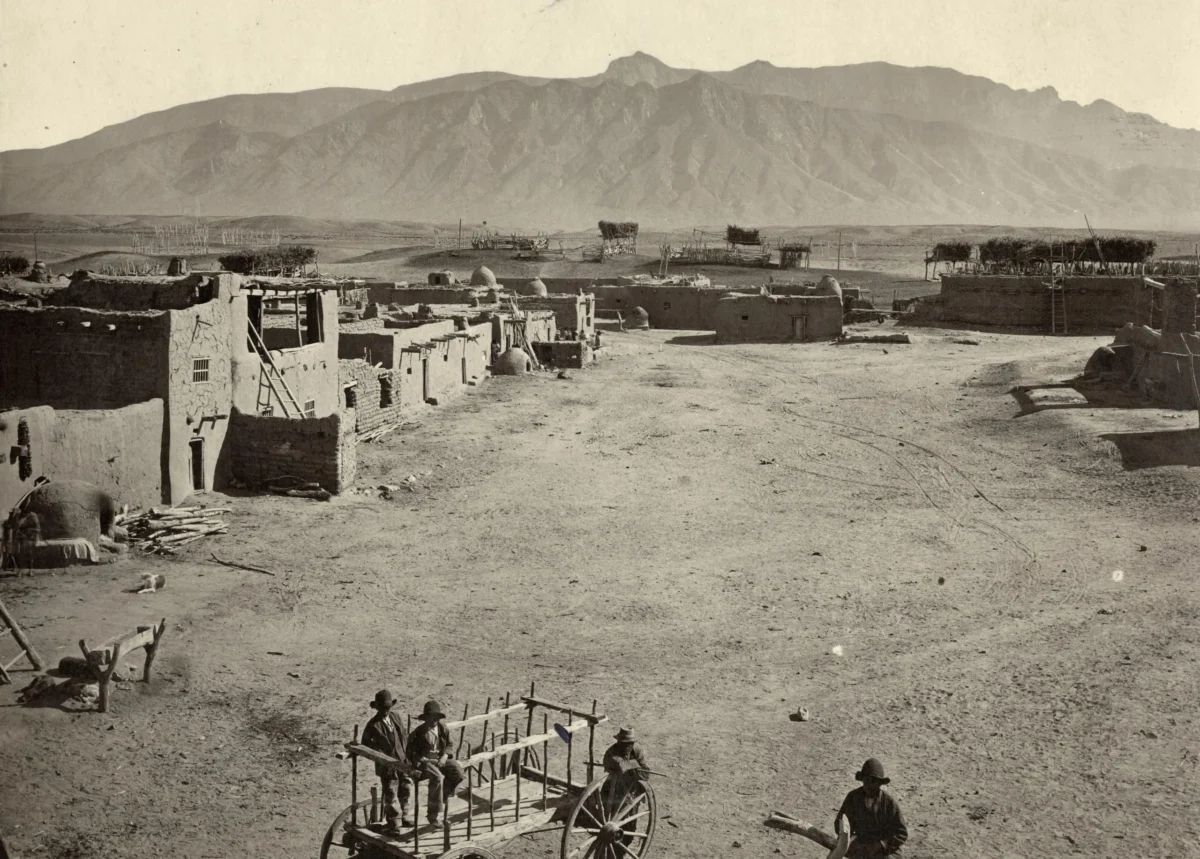
In the pre-dawn stillness of the American Southwest, a profound spiritual practice unfolds, embodying an ancient connection to the land and a deep reverence for existence. This ritual, involving an offering of corn pollen harvested from the ancestral red clay fields of the Zuni Mountains, where Pueblo relatives have prayed for millennia, serves as a powerful reminder of one’s place in the universe. Taught from an early age, this corn-pollen prayer centers the belief that each individual is precisely where they are meant to be at any given moment, fostering a profound presence with all existence, guided by the prayer itself. Such land-based belief systems, rich in their diversity, are found globally, but in the Southwestern United States, this particular practice underscores life as a continuous journey, where setting one’s path is paramount. Facing east towards the majestic Sandia Mountains, gratitude for the new day is expressed, peaceful intentions are offered, and ancestors—both those long passed and younger loved ones no longer physically present—are honored, their enduring spirit acknowledged in the morning air. The corn pollen is then scattered at one’s feet, a timeless act perpetuating a tradition that spans generations, "since, well, forever," as one practitioner noted, illustrating an unbroken chain of cultural and spiritual continuity.
This profound ancestral wisdom deeply informs the political journey of Deb Haaland, a distinguished Laguna and Jemez Pueblo relative, who begins her days with a strikingly similar spiritual commitment. "I wake up every morning, and I recommit myself to the things that I was taught by my grandparents," Haaland affirmed in April outside a Santa Fe energy summit. Her grandparents, contemporaries of the generation preceding the current Pueblo leaders, were instrumental in transmitting the invaluable knowledge and traditional lifeways that have shaped her path. Haaland, who etched her name in history during the Biden administration as the first Indigenous Secretary of the Interior, has been relentless since 2025, traversing New Mexico’s diverse landscapes from bustling rural towns like Gallup and Shiprock to the political heart of Santa Fe, before returning to her Albuquerque home each night. She attributes her current formidable position, as a leading contender in the state’s gubernatorial race and a significant voice in the ongoing post-Trump national reconstruction, to the enduring resilience and teachings of her ancestors.
Haaland’s potential victory would mark a pivotal moment for New Mexico, positioning her as the state’s third consecutive female governor and, notably, the first Native American to hold the office. Her dominant performance in the Democratic primary, securing a 45-percentage-point lead, signaled broad support for her progressive agenda. Her platform champions expanding public health care access, strengthening vital state environmental regulations, increasing the state minimum wage to ensure economic equity, strategically leveraging energy profits for progressive policies, and significantly advancing tribal sovereignty within the state. These policy pillars reflect a commitment to holistic well-being, environmental stewardship, and equitable economic opportunity, all underpinned by a deep respect for Indigenous self-determination.

The prospect of a Native American governor presents a compelling, albeit complex, narrative. Such a position inherently embodies a duality: its power is rooted in a tribal self-determination movement historically forged against systemic state violence, yet an Indigenous person in this role becomes an integral part of the very governmental structure that perpetrated and perfected that violence. If elected, Haaland would assume the critical responsibility of managing relationships with New Mexico’s 23 federally recognized tribal nations, a role requiring profound cultural understanding and diplomatic skill. Her leadership would be guided by existing legislative frameworks, such as the New Mexico State-Tribal Collaboration Act of 2009. This landmark legislation mandates state agencies to establish working partnerships, fostering negotiation and mutual respect in policy and practice with New Mexico’s diverse tribal communities. It functions as a state-level analogue to the trust and treaty obligations that define the federal government’s relationship with tribes—a complex legal and moral framework Haaland understands intimately, first as a Pueblo woman, and then through her transformative tenure as Interior Secretary. In that federal role, she demonstrated how leaders grounded in land-based belief systems could effectively steward vast federal lands and champion Indigenous rights on a national scale. This unique confluence of heritage, experience, and policy expertise positions her precisely to advance the crucial imperative of tribal sovereignty within the United States, continuing a legacy of Pueblo leadership that predates multiple colonial governments and endures to this day.
On the campaign trail, Haaland engaged in several substantive discussions, offering insights into her vision and detailed plans for New Mexico. When asked about the pivotal nature of this election in the national context, she conveyed a clear strategic focus: "Donald Trump took 3% of our voters in the last election, and I’m going to get those back." Haaland sharply critiqued the former president’s priorities, stating, "Donald Trump promised to lower costs for people. He’s not focused on that at all. He’s making things more expensive, and at the same time, he’s focused on terrorizing our neighborhoods and creating chaos all over, not just New Mexico but all over the country. So people want us to pay attention to the issues that affect them." Her remarks underscore a commitment to addressing tangible economic and social concerns over political divisiveness, signaling a clear direction for New Mexico’s future.
Addressing the vital question of introducing tribal sovereignty principles to non-Native audiences, Haaland emphasized the deep historical roots of Indigenous presence in the region. "Pueblo Indians have been in the Rio Grande Valley since the late 1200s, sometimes migrating from other places in New Mexico. Their ancestral homeland is vast," she explained, noting that while tribal boundaries may not always reflect this expanse, many tribes actively buy back land to augment their land base. She stressed that "any corporation, project developer or emerging leader needs to know and understand that history." Acknowledging the historical exploitation of tribes, Haaland highlighted their inherent skepticism: "They’ve been taken advantage of through the many decades. And so, they’re skeptical. It’s up to outsiders to develop that relationship, make sure they are being transparent and upfront about all of the information, so that a relationship of trust can develop, and perhaps tribes will get on board with those opportunities and move forward with them." This perspective underscores the critical need for genuine engagement and historical awareness in fostering productive partnerships.
Haaland firmly asserted the possibility of building trust, even with those initially opposed to tribal sovereignty principles. "Tribes deserve respect, first of all, and they deserve to be a part of something that is affecting their ancestral homeland," she stated. She broadened the scope of engagement, suggesting that even if a project, such as a transmission line, does not directly infringe on tribal land but is visible from it, "they need to be brought into the project," recognizing the deep spiritual and cultural connection tribes maintain with their ancestral territories. This expansive view of consultation is critical for meaningful collaboration.

Regarding the increasing recognition of "tribal capital" among business leaders, Haaland noted a palpable shift. "Yes, I do," she affirmed when asked if industry leaders understood the pronouncement of tribal capital. "Talking to industry leaders on the campaign trail, one of the first things they talk about with me is that they have somebody who is reaching out to tribes, somebody who is collaborating with tribes." She pointed to New Mexico’s State-Tribal Collaboration Act as a key driver for this understanding, explaining, "We recognize the value that tribes bring to our state, and we also recognize the responsibility of our state to ensure that we are respecting tribes — their sovereignty, their land base, what they bring to our economy, all of those things." This acknowledgment reflects a growing understanding of tribal nations as significant economic partners and essential stakeholders in regional development.
Addressing the critical issue of water use and management in New Mexico, a state perpetually grappling with drought conditions, Haaland articulated a clear priority. She emphasized that any industry seeking to relocate to New Mexico "needs to be sustainable," unequivocally stating, "Water should be prioritized for people." This stance underscores a commitment to resource conservation and human needs in the face of climate change and population growth, issues that disproportionately impact Indigenous communities globally.
On the federal destruction of the Environmental Protection Act (EPA) and the role of states in filling that void, Haaland was resolute. "We absolutely have to fill the gap. We don’t have a choice," she declared. She highlighted the federal government’s obligations despite program cuts and staff reductions, stating, "The federal government is firing people, they’re cutting all these programs, but it still has an obligation to our state, and I’m going to do everything I can to make it live up to that." She criticized the motives behind federal rollbacks, asserting, "We can’t just let our environment go by the wayside because Donald Trump has decided that he wants to pocket a bunch of money." Her commitment signals a proactive approach to environmental protection, positioning New Mexico as a leader in safeguarding natural resources.
Discussing strategies for holding major companies or the federal government accountable for harm to New Mexicans, Haaland outlined a legalistic approach. "We have to hire more lawyers so that we can sue the federal government when it needs to be sued for encroaching on our state sovereignty, or ruining our environment," she explained. This legal strategy extends to ensuring promised benefits are delivered: "We need to sue the federal government when it’s taking funds away from people who are promised benefits." She emphasized the necessity of a robust legal defense for the state: "I think that we really need to build that out, because New Mexico has to press these issues with the federal government in a big way. I think that’s how we do it, through the courts."

Finally, Haaland championed the imperative of integrating the history of the federal Indian Boarding School era into New Mexico’s public school curriculum. "Native American History is American history. Every single American in this country owns that history — that terrible, violent, horrible federal Indian Boarding School history," she asserted. She advocated for universal education on this topic, noting, "Let’s see how we can make sure that this is something that all children know and understand, because boarding schools happened right here in New Mexico." She shared a poignant personal connection: "My grandparents were put on a train and sent to St. Catherine’s here in Santa Fe. My great-grandfather was only able to visit my grandmother twice in the five years she was separated from her family, because all he had was a horse and a wagon to travel." She further detailed local historical sites like Fort Union, which served as a brutal way station where Native children were stripped of their identities before being sent to boarding schools. "New Mexico has a deep history when it comes to federal Indian boarding schools. We have an important state; we have an important history. It’s a history that every New Mexican should know about. We all have an obligation to that," Haaland concluded, advocating for a truthful and comprehensive understanding of this painful but essential chapter in American history as a crucial step towards healing and reconciliation.