Johny Prima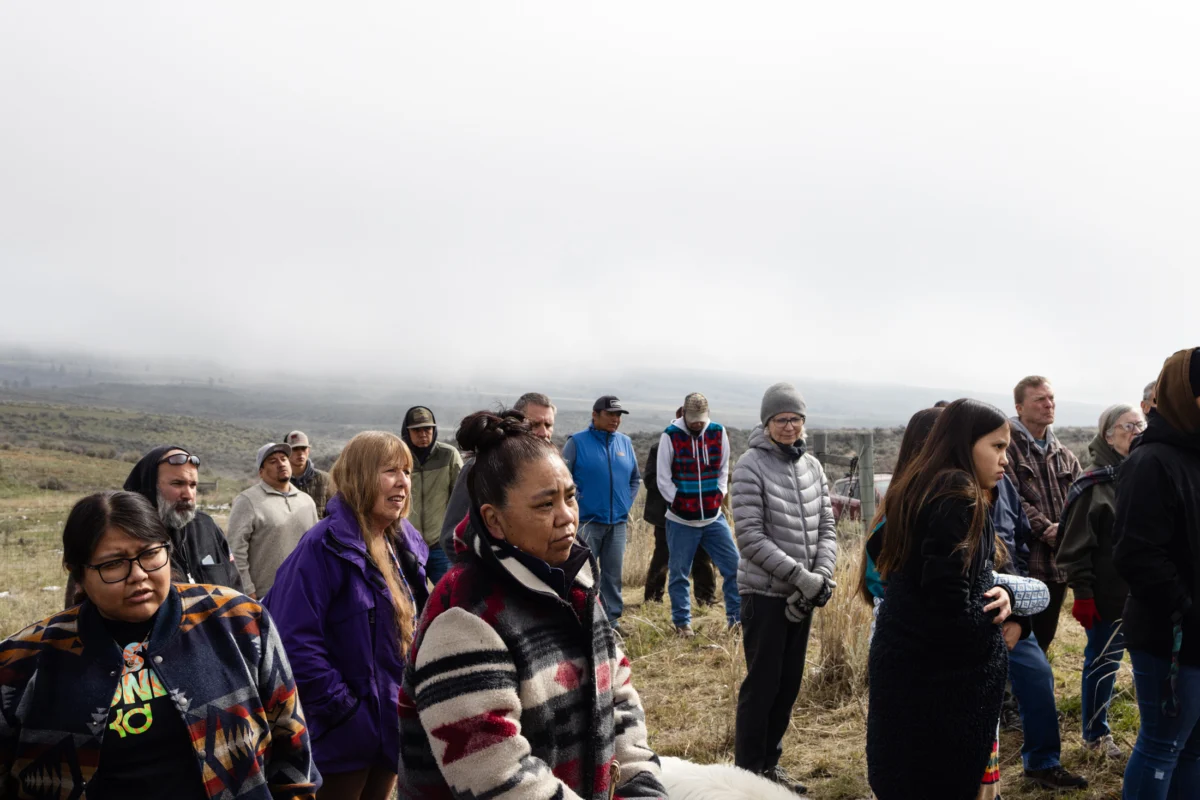
The proposed 80-megawatt solar farm, intended to span areas of both private and Washington Department of Natural Resources (DNR) public land, faced years of strong opposition. For generations, tribal nations have exercised their inherent rights to practice cultural traditions, including vital food gathering, medicinal plant collection, and ceremonial observances, on these public lands. The potential disruption of these deeply rooted practices by a large-scale industrial development raised serious concerns about cultural desecration and the erosion of Indigenous heritage. A comprehensive investigation earlier in 2024 brought these threats into sharp focus, revealing how Avangrid’s proposed development directly imperiled these constitutionally protected rights and ancestral traditions.
Chairwoman Cindy Marchand of the Colville Tribes expressed profound satisfaction with the outcome, stating, "The Colville Tribes is very happy to hear that the proposed solar project on Badger Mountain has been withdrawn. While the Colville Tribes certainly appreciates the value of renewable energy such as solar power, sacred sites must remain pristine to pass down to future generations. We appreciate Avangrid Power LLC’s decision to withdraw this project and we trust that they can find a more appropriate site." Her statement encapsulates the complex dilemma faced by many Indigenous communities globally: supporting the imperative of climate action and renewable energy transition while simultaneously safeguarding their ancestral lands and cultural patrimony from the very projects designed to address environmental challenges.
The precise motivations behind Avangrid’s withdrawal remain somewhat ambiguous, a common occurrence in high-stakes energy development. While tribal concerns were vociferously articulated, formal permitting documents suggested that logistical and infrastructure challenges, rather than solely Indigenous rights considerations, might have primarily influenced the company’s decision. Avangrid, a subsidiary of the Spanish energy giant Iberdrola and a major player in renewable energy development across the United States, declined to offer specific clarification on its reasoning. Similarly, the Washington Department of Natural Resources refrained from commenting on the matter, underscoring the delicate balance of interests involved.
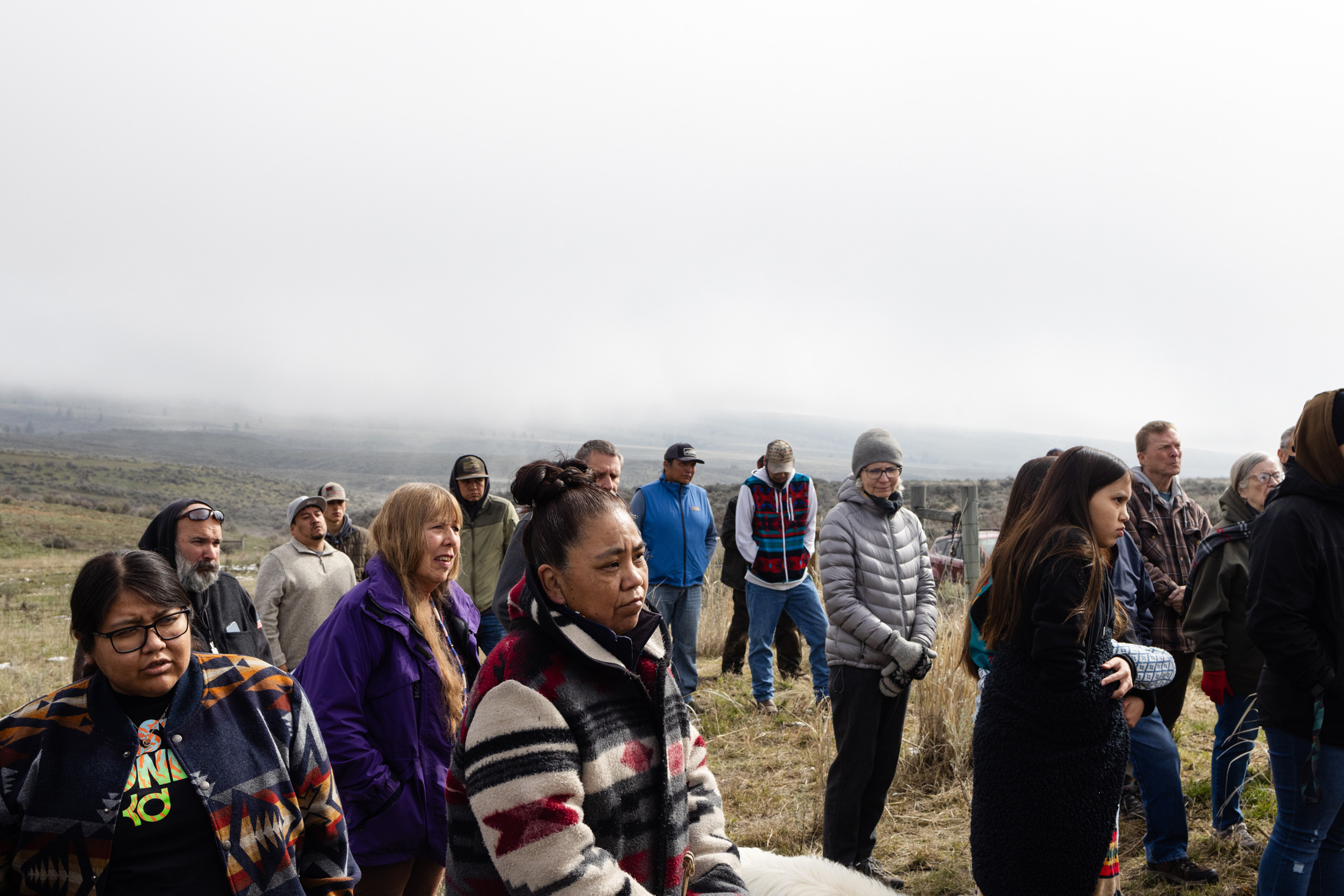
Following the aforementioned investigation, members of the Wenatchi-P’squosa, one of the twelve Confederated Colville Tribes, spearheaded a public demonstration on Badger Mountain in 2024. Organized by the Wenatchi Advisory Group, an independent body dedicated to advocating for its constituents’ specific interests within the broader Colville Tribal Business Council, the protest underscored a nuanced position: unwavering support for renewable energy development in principle, but firm opposition to its placement on culturally significant sites like Badger Mountain. This "green-on-green" conflict—where environmental conservation goals clash with local environmental and social justice concerns—is becoming an increasingly common challenge in the global pursuit of a sustainable future.
The pressure exerted by these demonstrations and the ensuing public discourse proved impactful. In the wake of the protests, Avangrid announced a temporary pause in development, signaling a willingness to reconsider tribal input and public sentiment. This pause highlighted the critical role of the public comment process, often one of the few formal avenues available for tribal nations to articulate and advocate for their rights concerning proposed land developments that directly impact their ancestral territories and cultural practices. Such consultation processes, though sometimes limited in scope and impact, represent vital mechanisms for incorporating Indigenous perspectives into development planning, even on lands not formally under tribal jurisdiction.
Earlier this month, at a meeting convened by the state’s Energy Facility Site Evaluation Council (EFSEC)—the primary authority responsible for permitting major energy projects in Washington—Avangrid initially sought a further year-long extension to pause permitting work. This request aimed to keep the project technically active within the state’s regulatory system without immediate commitment to construction. Mark Eilers, Avangrid’s senior director of business development, attributed this request to significant construction delays impacting the Bonneville Power Administration (BPA). The BPA, a federal agency crucial to power transmission in the Pacific Northwest, is undertaking a vital transmission line project known as Cross-Cascades North, designed to bolster electricity delivery from eastern Washington to the burgeoning Seattle metropolitan area. Eilers indicated that the anticipated completion timeline for this critical infrastructure would be pushed back by four years, to 2032, implying a direct correlation with the viability and timeline of the Badger Mountain solar project. The delay in transmission infrastructure highlights a broader national and international challenge: while renewable energy generation capacity is growing, the grid infrastructure required to transmit this power efficiently to demand centers often lags, creating bottlenecks and delaying project implementation.
During the EFSEC meeting, the council’s chair, Kurt Beckett, acknowledged the objections raised by both the Yakama Nation and the Colville Tribes regarding the solar project’s potential environmental and cultural impacts. While noting the council’s desire to minimize "noise" in public forums, he affirmed the legitimate existence and importance of these tribal objections, emphasizing their due consideration in the state’s permitting decisions. This acknowledgment, coming from a state regulatory body, underscores the increasing recognition of Indigenous voices in land use and environmental planning, reflecting evolving legal frameworks and societal expectations for more inclusive decision-making processes.
Just five days after requesting the extension, Avangrid filed a complete withdrawal of its proposal, a project that had been in development since at least 2019. EFSEC formally announced the withdrawal, stating its intent to "process this request by closing out existing financial arrangements and notifying interested and agency partners." The council offered no further comment, directing inquiries back to the developer. This swift and definitive action, following years of engagement, suggests a complex interplay of factors, where the economic realities of transmission delays likely converged with persistent tribal advocacy and increasing public scrutiny.
Despite the remaining ambiguity regarding Avangrid’s precise motivations, the Wenatchi Advisory Group expressed immense relief and satisfaction. Steven Wynecoop, vice chair of the group and grandson of its founder, Matthew Dick, articulated the profound connection to the land: "We are very, very happy that they chose to go this route with us, ‘cause it is a very sacred site to us. Generations, we’ve been going to that mountain for plenty of reasons: medicines, foods like roots and berries." He emphasized that families continue to visit Badger Mountain for essential ceremonies, reinforcing its role as a living cultural landscape, not merely a historical relic.
Wynecoop shared poignant family anecdotes that underscore the Wenatchi people’s deep and enduring ties to Badger Mountain, illustrating how generations have cherished and protected this sacred space. He recounted a story passed down by his grandfather, Matthew Dick, from his youth. While the family was gathering medicines on Badger Mountain, they were approached by landowners, a white couple who had taken a particular fondness to Matthew’s brother, Uncle Terry. Terry, then a young boy, was innocently fishing in a puddle with a stick and string, a scene that captivated the couple. Wynecoop, chuckling as he recounted his grandfather’s frequent retelling at ceremonies, explained, "They thought he was just adorable. They wanted to adopt him. They offered their part of Badger Mountain to her for her kid – which, of course, she turned them down." The anecdote, often concluded by his grandfather with a laugh, "Yeah, now here we are – no Badger Mountain, but we got Terry!" humorously highlights the priceless value placed on family and cultural continuity over material possessions, even land. This narrative exemplifies the profound intergenerational connection and spiritual stewardship that defines Indigenous relationships with ancestral territories, transcending conventional notions of ownership or economic valuation.
The withdrawal of the Badger Mountain solar project serves as a potent case study in the escalating global dialogue surrounding renewable energy development, Indigenous rights, and environmental justice. As the world accelerates its transition away from fossil fuels, the challenge of siting large-scale renewable infrastructure becomes increasingly complex. This incident in Washington State resonates with similar conflicts worldwide, where the imperative for green energy often collides with the rights and heritage of local and Indigenous communities. It underscores the critical need for developers and governments to engage in genuine, respectful, and culturally informed consultation, ensuring that the pursuit of a sustainable future does not inadvertently perpetuate historical injustices or sacrifice irreplaceable cultural landscapes. The outcome on Badger Mountain signals a growing recognition that true sustainability must encompass not only environmental protection but also social equity, cultural preservation, and the empowerment of Indigenous voices in decisions that directly impact their ancestral lands.