Johny Prima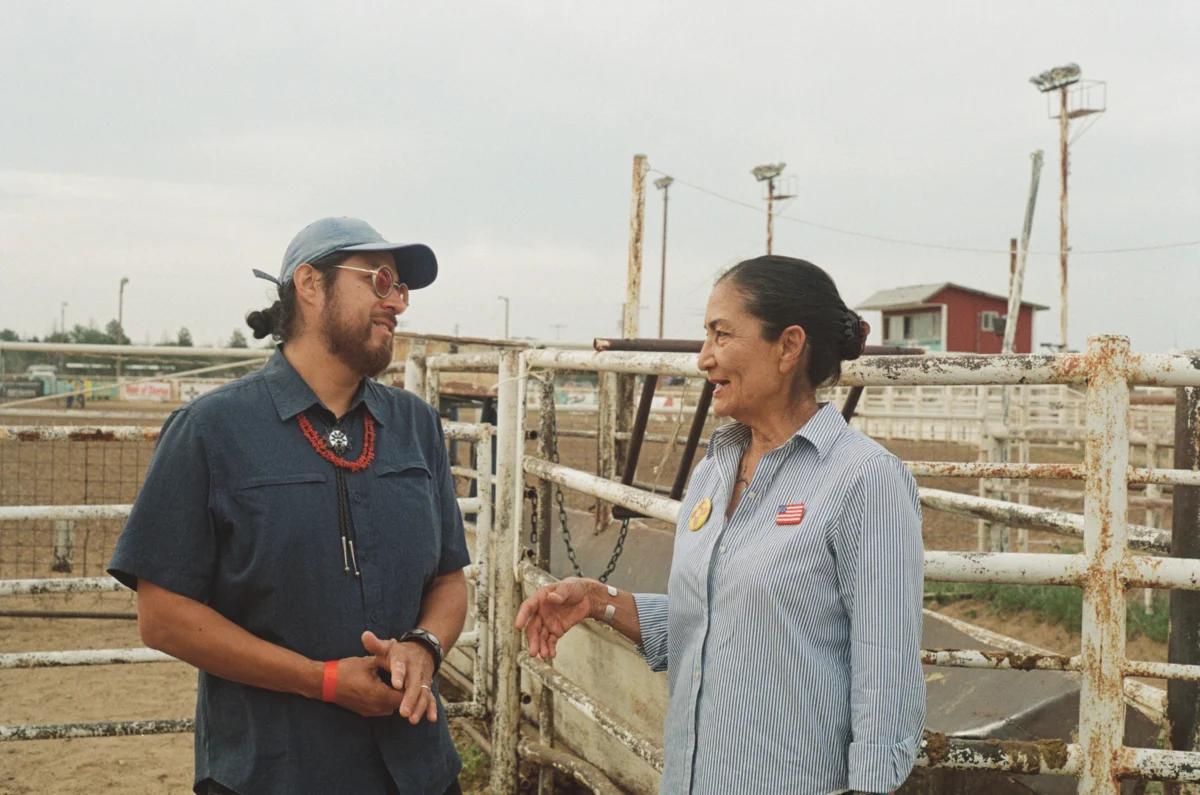
This enduring spiritual pathway recently converged with the political landscape when Deb Haaland, a distinguished relative from the Laguna and Jemez Pueblos, revealed she begins her days with a remarkably similar recommitment to her ancestral teachings. "I wake up every morning, and I recommit myself to the things that I was taught by my grandparents," Haaland affirmed in April outside a Santa Fe energy summit. Her grandparents, contemporaries of many elder Pueblo leaders, shared the foundational knowledge and lifeways that continue to guide their communities. Haaland, who etched her name in history during the Biden administration as the first Indigenous Secretary of the Interior, has been relentless on the campaign trail since 2025, traversing New Mexico’s diverse rural towns, from Gallup to Shiprock, engaging in political discourse in Santa Fe, and returning to her Albuquerque home each night. She attributes her current trajectory, as the leading candidate in the gubernatorial race and a pivotal figure in the nation’s post-Trump reconstruction efforts, to the unwavering resilience of her ancestors.
Should Haaland secure the governorship, she would not only become New Mexico’s third consecutive female chief executive but also the first Native American to hold the state’s highest office, a landmark achievement resonating far beyond state borders. Her formidable victory in the Democratic primary, where she triumphed by a commanding 45 percentage points, demonstrated her broad appeal and political strength, overcoming what many observers had considered her most significant hurdle. Haaland’s platform is comprehensive and progressive, advocating for the expansion of public health care initiatives to reach underserved communities, particularly in rural and tribal areas. She champions the strengthening of state environmental regulations, a critical stance given New Mexico’s reliance on natural resources and vulnerability to climate change impacts. Furthermore, her agenda includes increasing the state minimum wage to improve economic equity, strategically leveraging energy profits to fund progressive social policies, and significantly advancing tribal sovereignty within the state’s governance framework.

The prospect of a Native American governor presents a compelling, albeit complex, narrative. Historically, the very structures of state power have been instruments of systemic racism and violence against Indigenous peoples, making the ascension of an Indigenous leader to such a position a potent symbol of both contradiction and profound progress. Yet, this paradox also presents a unique opportunity: an Indigenous person in such a role can navigate and reform the very system that once sought to undermine tribal self-determination. If elected, Haaland’s gubernatorial responsibilities would include carefully managing relationships with New Mexico’s 23 sovereign tribal nations. Her approach would be anchored in existing frameworks such as the New Mexico State-Tribal Collaboration Act of 2009, a crucial legislative tool designed to foster collaborative policy-making between state and tribal governments.
This landmark legislation mandates that state agencies forge working partnerships, engaging in direct negotiations with tribes on practices and policies that affect them. It functions as a state-level analogue to the federal government’s trust and treaty obligations to tribes, a complex landscape Haaland understands intimately. Her profound grasp of these principles stems not only from her identity as a Pueblo woman but also from her tenure as Secretary of the Interior. In that federal role, she demonstrated how an individual deeply rooted in land-based beliefs could effectively lead on federal land management, advocating for Indigenous perspectives in national conservation and resource decisions. This unique blend of cultural heritage, administrative experience, and political acumen positions her precisely to advance tribal sovereignty within the broader context of the United States. As potentially the first Native American woman elected governor, Haaland would be continuing a legacy of Pueblo leadership that predates multiple colonial governments, reflecting an unbroken chain of self-governance and cultural resilience.
On the campaign trail, Haaland has consistently articulated her vision for New Mexico, addressing critical state and national issues. Discussing the current political climate, she emphasized the pivotal nature of the upcoming election, particularly in the wake of the previous presidential administration. "It’s always exciting," she stated, reflecting on the campaign’s energy. She expressed confidence in reclaiming voters who had drifted away, noting that the previous president "took 3% of our voters in the last election, and I’m going to get those back." Haaland critiqued the previous administration’s focus, arguing, "Donald Trump promised to lower costs for people. He’s not focused on that at all. He’s making things more expensive, and at the same time, he’s focused on terrorizing our neighborhoods and creating chaos all over, not just New Mexico but all over the country. So people want us to pay attention to the issues that affect them." This perspective underscores her commitment to tangible solutions that address the daily concerns of New Mexicans amidst national political turbulence.

A central tenet of Haaland’s agenda is educating non-Native populations about the complexities and profound significance of tribal sovereignty. She consistently highlights the deep historical roots of Pueblo communities, noting their continuous presence in the Rio Grande Valley since the late 1200s, often migrating from other ancestral lands within New Mexico. While tribal boundaries may not always encompass their vast ancestral homelands, many tribes have actively sought to repurchase land to expand their territorial base, a testament to their enduring connection to the earth. She stresses that any corporation, project developer, or emerging leader must comprehend this rich history. Given the long history of exploitation, tribes in New Mexico understandably approach new proposals with skepticism. Haaland asserts that it is incumbent upon "outsiders" to proactively cultivate respectful relationships, ensuring transparency and forthrightness in all dealings. This foundational trust, she argues, is essential for tribes to engage with new opportunities and move forward collaboratively.
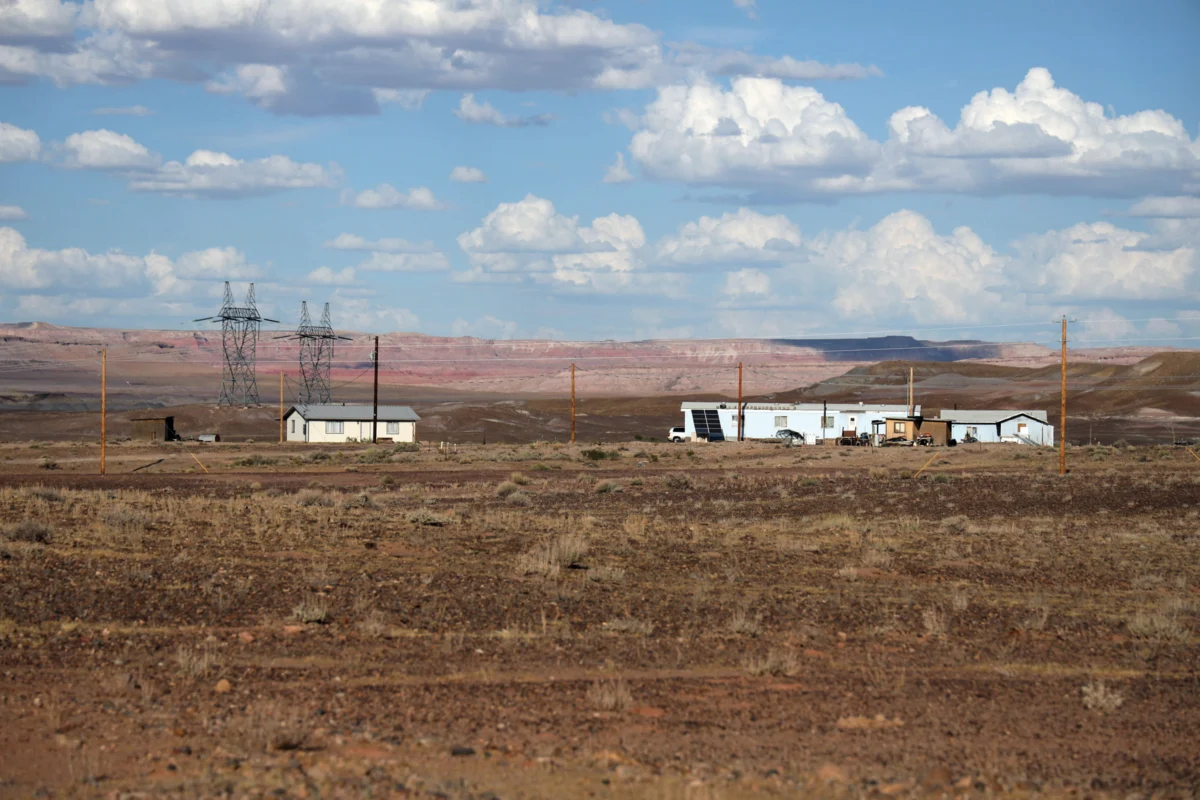
When questioned about the feasibility of building trust with individuals or groups fundamentally opposed to tribal sovereignty, Haaland remains resolute. She emphasizes that tribes inherently "deserve respect, first of all, and they deserve to be a part of something that is affecting their ancestral homeland." She illustrates this point by explaining that even if a project, such as a transmission line, does not physically traverse tribal land, but is visible from it, the affected tribes must be included in the project’s discussions and planning stages. This principle extends to recognizing the growing understanding among business leaders of the substantial "tribal capital" that exists within New Mexico. Haaland observes a notable shift, with industry leaders on the campaign trail frequently mentioning their dedicated outreach and collaboration efforts with tribes. This evolving recognition is further bolstered by the State-Tribal Collaboration Act, which formally acknowledges the immense value tribes contribute to the state’s economy and culture, as well as the state’s responsibility to uphold tribal sovereignty and land bases.
Addressing New Mexico’s perennial challenge of water scarcity and drought conditions, Haaland emphasizes a commitment to sustainable growth. She asserts that any industry seeking to relocate to New Mexico "needs to be sustainable," unequivocally prioritizing water resources "for people." This stance is critical for a state grappling with increasing population demands and the intensifying effects of climate change on its arid landscape. Furthermore, in response to what she characterizes as a "federal destruction of the Environmental Protection Act (EPA)" by the previous administration, Haaland sees a crucial opportunity for states like New Mexico to step in and fill the regulatory void. "We absolutely have to fill the gap," she declared, "We don’t have a choice." She committed to holding the federal government accountable to its obligations, stating, "We can’t just let our environment go by the wayside because Donald Trump has decided that he wants to pocket a bunch of money."

Haaland outlined a proactive approach to addressing environmental and other harms inflicted upon New Mexicans, suggesting that as governor, she would work closely with state agencies, the attorney general, and the Legislature to pursue legal action against major companies or even the federal government. "We have to hire more lawyers so that we can sue the federal government when it needs to be sued for encroaching on our state sovereignty, or ruining our environment," she explained. This aggressive legal strategy would also extend to instances where the federal government fails to uphold its promises, particularly concerning benefits owed to people. "We need to sue the federal government when it’s taking funds away from people who are promised benefits. I think that we really need to build that out, because New Mexico has to press these issues with the federal government in a big way. I think that’s how we do it, through the courts," Haaland affirmed, signaling a willingness to use all available legal avenues to protect state and citizen interests.
Finally, a cornerstone of Haaland’s educational vision involves integrating the history of the federal Indian Boarding School era into New Mexico’s public school curriculum. She passionately argues, "Native American History is American history. Every single American in this country owns that history — that terrible, violent, horrible federal Indian Boarding School history." She intends to ensure that "all children know and understand" this dark chapter, emphasizing its direct relevance to New Mexico. Her own family’s painful experiences underscore this urgency: "My grandparents were put on a train and sent to St. Catherine’s here in Santa Fe. My great-grandfather was only able to visit my grandmother twice in the five years she was separated from her family, because all he had was a horse and a wagon to travel." She further highlighted the role of Fort Union, north of Las Vegas, as a "way station" where Native children were forcibly stripped of their identities—their heads shaved, clothes burned, and uniforms imposed—before being dispatched to various boarding schools. This profound and often-ignored history, she concludes, is integral to New Mexico’s identity, and "every New Mexican should know about it. We all have an obligation to that." Haaland’s campaign represents not just a political aspiration but a profound commitment to cultural preservation, environmental stewardship, and a more equitable future for all New Mexicans, deeply rooted in the enduring wisdom of Indigenous traditions.