Rocky Gerung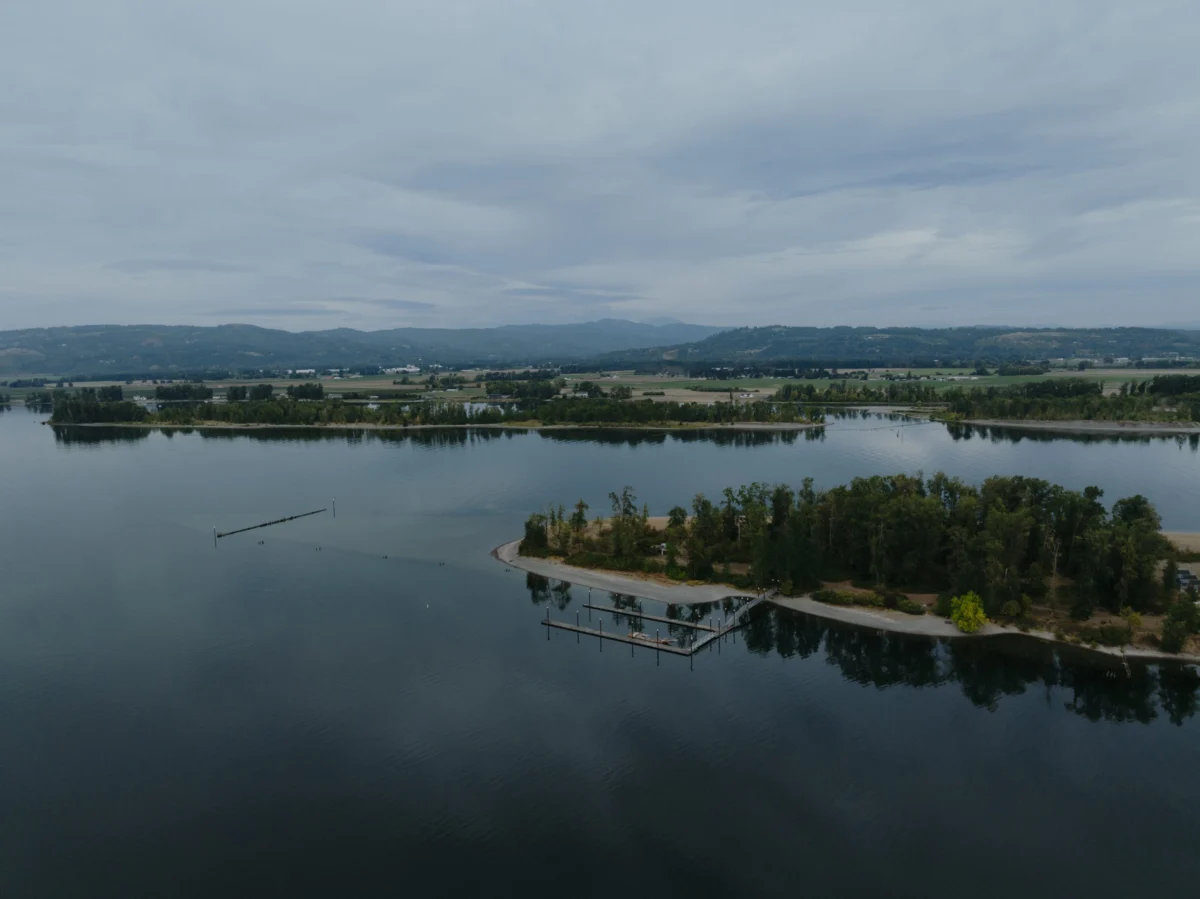
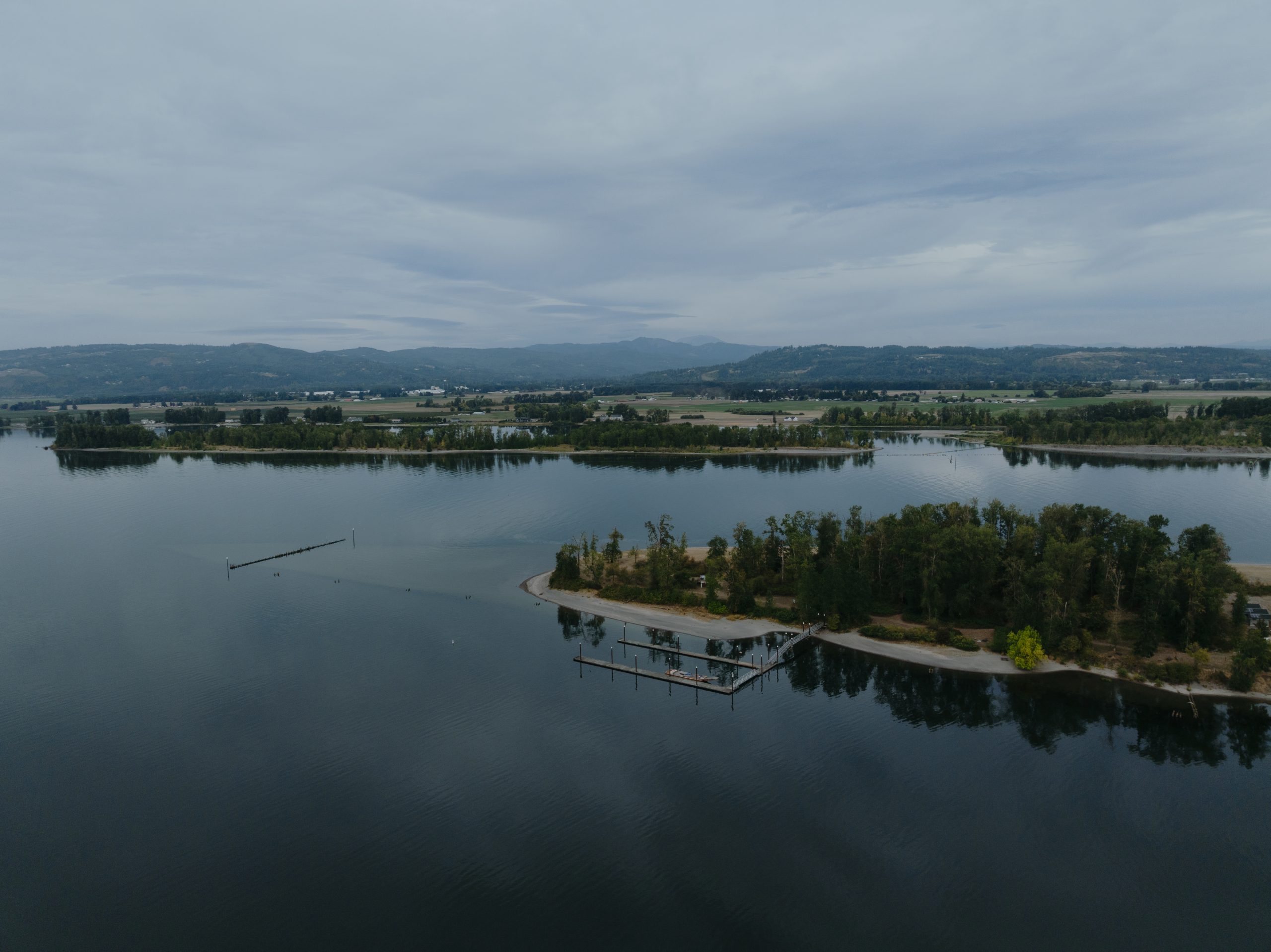
The sudden and tragic death of Tanya Bachman’s border collie, Jax, serves as a stark warning about an increasingly prevalent danger lurking in the West’s treasured waterways: toxic cyanobacteria blooms. What began as a joyous birthday celebration on the Columbia River near Portland, Oregon, in August 2024 transformed into a nightmare when Jax, after playing on an island beach, became violently ill and died within an hour. A veterinarian’s diagnosis pointed to a likely ingestion of cyanobacteria, a microscopic, algae-like organism also known as blue-green algae, from a benthic bloom.
Benthic blooms, a phenomenon scientists have been documenting with growing concern in the Western United States for about five years, manifest as gelatinous masses clinging to stream bottoms, submerged logs, or rocks, sometimes breaking free and floating to the surface. These are distinct from the more commonly recognized planktonic blooms, which form on the surface of lakes and reservoirs and appear as a greenish film or dense mats, often likened to floating grass clippings or spilled paint. While cyanobacteria have existed in Earth’s waters for billions of years, their proliferation is being amplified by human activities and a changing climate. Excess nitrogen and phosphorus, primarily from agricultural fertilizers and air pollution, act as potent nutrients, fueling rapid growth. Furthermore, as the Western United States experiences hotter and drier summers, warmer water temperatures and increased stagnation create ideal conditions for these blooms to flourish, according to Hannah Bonner, a professor and water scientist at Brigham Young University who specializes in benthic cyanobacteria. This presents a cruel irony: areas once sought out for their cool, refreshing waters are becoming potential hazards, not only to pets and livestock but also to humans and wildlife.
The toxins secreted by cyanobacteria in both benthic and planktonic blooms can cause a range of adverse health effects. Direct contact can irritate human skin, while ingestion can lead to gastrointestinal distress, nausea, and, in severe cases, liver damage. For animals, the consequences can be fatal. Pets, livestock, and wildlife that drink contaminated water or even lick their fur after swimming in affected areas are at significant risk. Alarmingly, conventional backpacking water filtration systems are incapable of removing these potent cyanobacteria toxins, leaving those who rely on natural water sources vulnerable.
The recognition and monitoring of harmful algal blooms, particularly planktonic ones due to their visibility, have gained traction in most Western states largely in response to significant public health events elsewhere. A pivotal moment occurred in 2014 when toxic cyanobacteria blooms in Lake Erie led to the shutdown of Toledo, Ohio’s municipal drinking water system, highlighting the widespread implications of such events. In the wake of this and similar incidents, many Western states began to bolster their monitoring efforts. Wyoming initiated bloom tracking in 2018, initially employing satellite imagery and later incorporating on-the-ground water sampling in 2021. Utah intensified its monitoring programs in 2016, while California and Oregon, with some of the longest-standing programs in the West, began their efforts approximately two decades ago.
These expanded monitoring initiatives, along with data from other regions, suggest a concerning trend: planktonic blooms are appearing earlier in the spring, affecting a greater number of lakes and reservoirs, and persisting longer into the autumn. While some experts attribute these increases partly to enhanced detection capabilities, a comprehensive 2021 Environmental Protection Agency study concluded that the confluence of increased nutrient loads, primarily nitrogen and phosphorus, and the warming, drying effects of climate change is indeed fostering more frequent and prolonged bloom events.
Theodore Dreher, a professor emeritus of microbiology at Oregon State University, emphasizes that human activities on the land surface are significantly impacting water bodies, introducing disturbances and nutrient pollution. Unlike climate change, where the emissions of one nation can have global repercussions, nutrient pollution is often more localized, making it a target for more direct regulation. Utah, for instance, has implemented measures to improve wastewater treatment facilities and offers voluntary incentives for farmers to manage agricultural runoff and restore natural floodplains. These combined efforts have shown success in reducing nutrient flow into Utah Lake, a body of water once so plagued by blooms that it inspired merchandise with the sardonic slogan “Ski the Scum.”
However, effectively addressing the root causes requires more than just bloom monitoring; it necessitates robust water quality data collection. Justin Hayes, Northern Rockies conservation director with American Rivers, points out that many states are falling short in this critical area. He advocates for a more proactive approach, urging states to prioritize solving the problem rather than solely issuing warnings to the public.

Researchers are also grappling with understanding why these blooms are appearing in unexpected locations. Planktonic blooms are increasingly being observed in high-elevation lakes, far removed from typical sources of pollution like septic systems and feedlots. Potential explanations include nutrient runoff from melting glaciers or the atmospheric deposition of nitrogen and phosphorus carried by dust and air pollution, as suggested by Bonner. Concurrently, the decline in snowpack and subsequent reduction in snowmelt, coupled with fewer monsoon rainstorms to flush away algal mats, may contribute to the rise of benthic blooms. Bonner herself has encountered these mats in seemingly pristine mountain creeks, underscoring the pervasive nature of the issue.
While not advising people to abandon outdoor recreation, Bonner stresses the importance of public awareness regarding what to look for. She describes benthic blooms as resembling “a big ball of snot” and offers a simple field test: poking the mass with a stick and observing if it yields hairlike strands or fibers, which typically indicate non-toxic algae. A “boogery” consistency, however, is a strong indicator of potentially harmful cyanobacteria.
In response to the growing threat, more states are implementing public safety measures, including installing warning signs, distributing email alerts, and issuing advisories to inform the public about the presence of toxic blooms. Tanya Bachman continues to share her story with the media, hoping that Jax’s tragic fate will prevent similar losses for other families. Her poignant observation, "Everything upstream flows downstream," serves as a powerful reminder that the health of waterways is interconnected, and the presence of contamination in one area can inevitably affect downstream communities. The ongoing challenges underscore the urgent need for comprehensive water quality management, scientific research, and public vigilance to protect both ecological health and human well-being in the face of escalating environmental pressures.