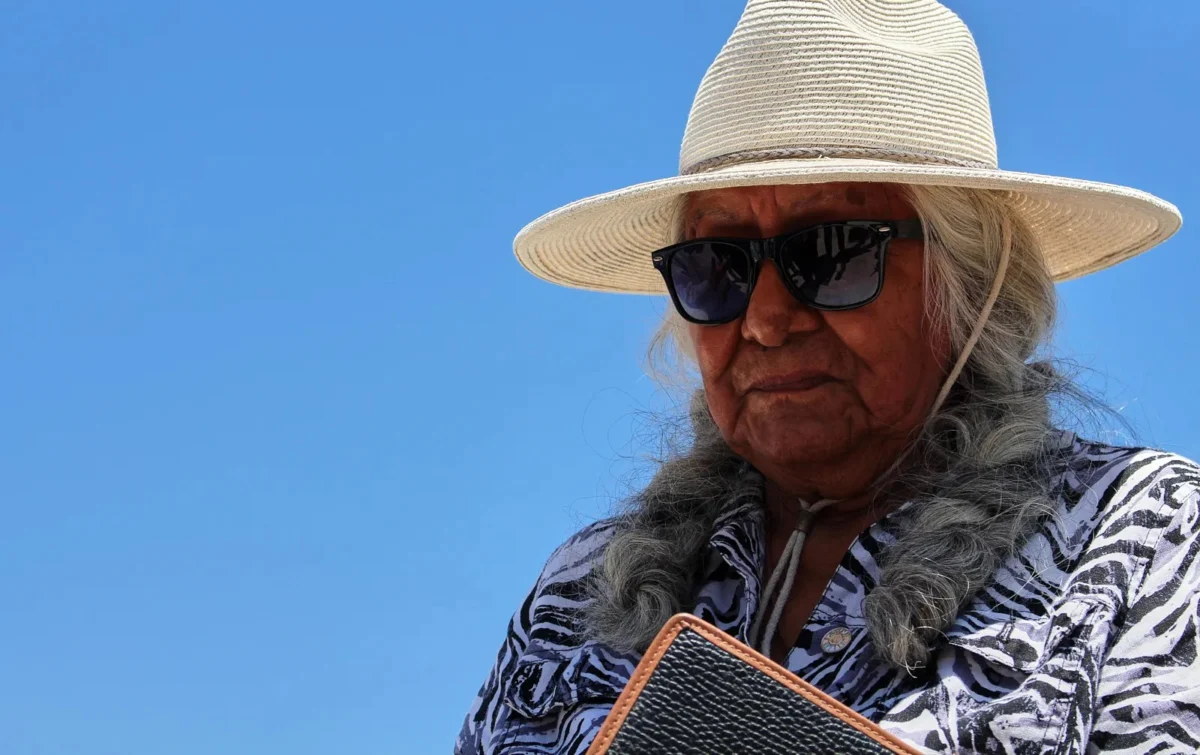
Rocky Gerung

The stark realities of environmental degradation and its profound impact on Indigenous communities and their cultural heritage are poignantly captured in a recent collection of reflections, offering a powerful testament to the enduring spirit of the Arctic. The author expresses a deep-seated need to obscure their personal voice, suggesting that direct understanding might inadvertently fuel a destructive cycle, a hunger for more of what has already caused so much harm. This deliberate obfuscation hints at a complex relationship with language itself, which has become saturated with the "smog" of environmental crisis, a pollution that clouds clear communication and understanding.
A pervasive fear emerges, not of external threats, but of the very sources of inspiration – the natural world and the cultural traditions that have sustained the author and their community for generations. This fear is amplified in the "wake of our destroyers," a phrase that evokes the destructive forces, both human and environmental, that are reshaping the Arctic landscape. The author’s dreams are haunted by the specter of departed elders and peers, figures who represent a connection to a vanishing past and a profound wisdom. These spectral presences, it is noted, desire not superficial beauty or elaborate descriptions of suffering, but a recognition of the deeper ecological wounds inflicted upon their ancestral lands.
The imagery of "gold dredges hinging into the earth" serves as a visceral symbol of extractive industries that scar the pristine Arctic environment. These dredges, plunging into the ground, are presented as a direct consequence of melting permafrost, a chilling indicator of a planet in flux. As the frozen earth gives way, so too does the stability of the Arctic ecosystem, and the author laments that "we all slink down into a kind of hell," a descent into a profoundly altered and hostile environment. This descent is not merely physical but also spiritual and cultural, representing a loss of ancestral lands and ways of life.
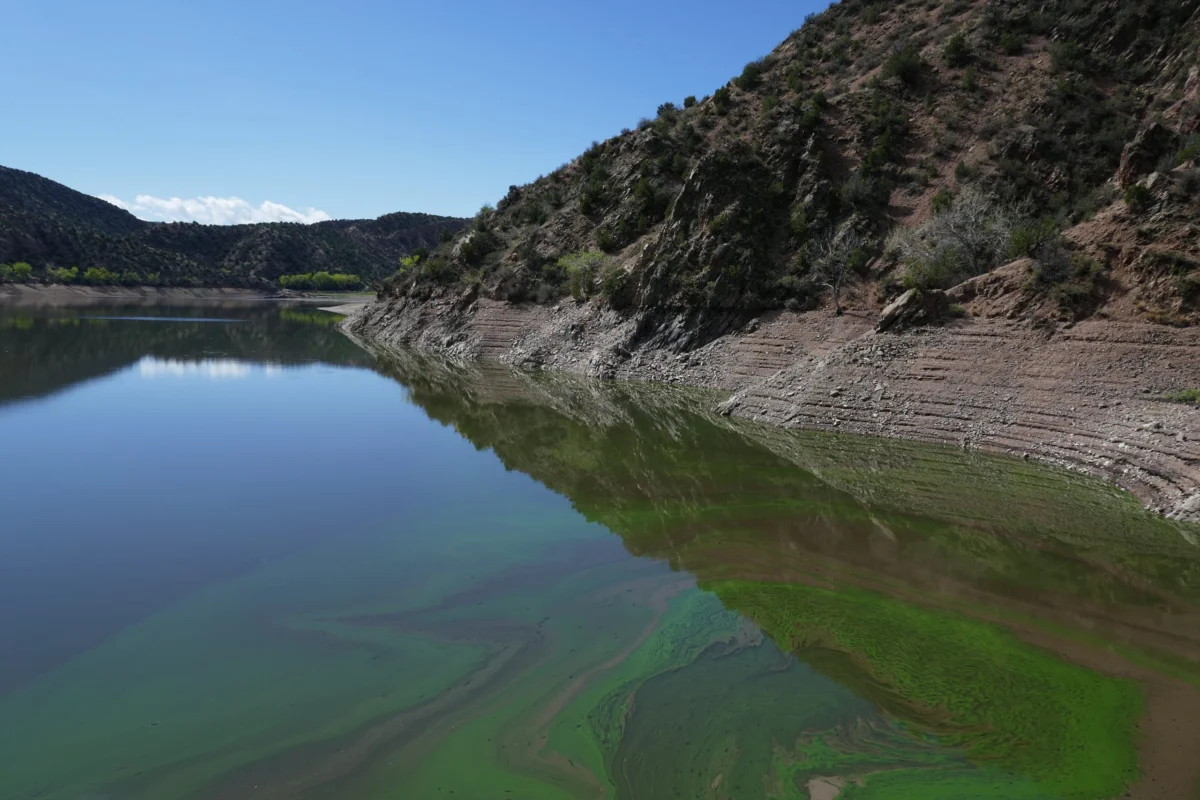
In this context of environmental catastrophe, the author proposes a radical act of purification and acknowledgment: "Let us wash ourselves in those waters. Let us thirst because we cannot drink them." This paradoxical call to immerse oneself in contaminated waters and to feel the pang of thirst for that which is no longer potable underscores the depth of the loss. It is a profound reckoning with the irreversible changes wrought upon the Arctic, where even the most fundamental elements of survival—water—have become tainted.
The reflections then turn to the poignant memories of past generations, specifically the author’s mothers, who recount their girlhoods. These memories are tinged with a sense of profound loss, of "the ones they lost when they rolled willow leaves tight in toilet paper." This seemingly simple act, rolling willow leaves in toilet paper to smoke, was not an indulgence in recreation or an escape from life, but a spiritual quest. The intention was "not to get high, not to die, but only to see visions of Mary." This "Mary" is not a singular, easily defined figure, but represents a primal, archetypal maternal presence, a connection to a source of solace and guidance in a world that was already beginning to shift. The act of seeking visions through smoking willow leaves speaks to traditional Indigenous practices of seeking spiritual insight and connection, often mediated by the natural world and its inherent properties.
This evocative narrative serves as a powerful reminder of the interconnectedness between the environment, culture, and spirituality. The melting permafrost, the scar of gold dredges, and the altered waters are not merely ecological phenomena; they are deeply personal losses that disrupt ancestral connections and spiritual practices. The author’s poetic introspection highlights the profound grief experienced by Indigenous communities witnessing the erosion of their homelands and the diminishment of their cultural lifeways.

The broader implications of this Arctic narrative resonate globally, serving as a microcosm of the challenges faced by communities worldwide confronting the impacts of climate change. From coastal erosion threatening island nations to desertification displacing agrarian societies, the fundamental elements of human existence are under threat. The author’s plea to acknowledge and perhaps even “wash ourselves in those waters” can be interpreted as a call for collective responsibility and a deep, perhaps uncomfortable, engagement with the consequences of human actions.
Furthermore, the author’s exploration of language and its "smog" suggests a critical need to re-evaluate how we communicate about environmental crises. The struggle to articulate the full depth of loss and the complex spiritual dimensions of these challenges highlights the limitations of conventional discourse. The desire to become "indecipherable" might stem from a realization that standard language, often couched in scientific or economic terms, fails to capture the profound emotional and spiritual toll of environmental destruction on Indigenous peoples.
The reference to "our destroyers" is a broad indictment, encompassing not only direct industrial exploitation but also the systemic policies and global consumption patterns that drive environmental change. The Arctic, often perceived as a remote and pristine wilderness, is in reality a frontier where the most visible and rapid impacts of climate change are unfolding, acting as an early warning system for the rest of the planet. The melting of Arctic ice, for instance, has far-reaching consequences for global weather patterns, sea levels, and ocean currents, demonstrating the interconnectedness of Earth’s systems.
The author’s reflections also touch upon the resilience inherent in Indigenous cultures. Despite the profound losses, the act of remembering, of passing down stories and traditions, represents a powerful form of resistance. The memories of mothers and grandmothers, their girlhoods and their spiritual practices, are not mere nostalgia but vital threads connecting the present to the past, offering strength and continuity in the face of overwhelming change. The pursuit of visions, even in altered forms, signifies an enduring human need for meaning and connection, a refusal to succumb entirely to despair.
The inclusion of reader engagement mechanisms, such as invitations for letters to the editor and policies for submitting them, underscores the importance of dialogue and shared understanding in addressing complex issues. This article, appearing in a print edition with a title suggesting ethereal or spectral presence, hints at a phenomenon that is both deeply felt and perhaps difficult to fully grasp, a haunting reality that demands attention. The author’s professional background, including their work as a poet and co-editor of a collection on Indigenous geographies of the Arctic, further contextualizes these reflections as stemming from a place of deep knowledge and lived experience. The USA Fellow status and the recent co-editing of a work on creative Indigenous geographies signal a significant contribution to scholarship and artistic expression concerning the Arctic region.
Ultimately, this collection of thoughts serves as a powerful call to attention, urging readers to look beyond the immediate and tangible impacts of environmental change and to consider the profound cultural, spiritual, and emotional dimensions of this global crisis. It is a testament to the enduring strength of the human spirit and the vital importance of listening to and learning from the voices of those on the front lines of environmental transformation, particularly the Indigenous communities of the Arctic. Their stories are not just about loss; they are also about survival, adaptation, and a profound connection to the Earth that holds lessons for all humanity.