Rocky Gerung
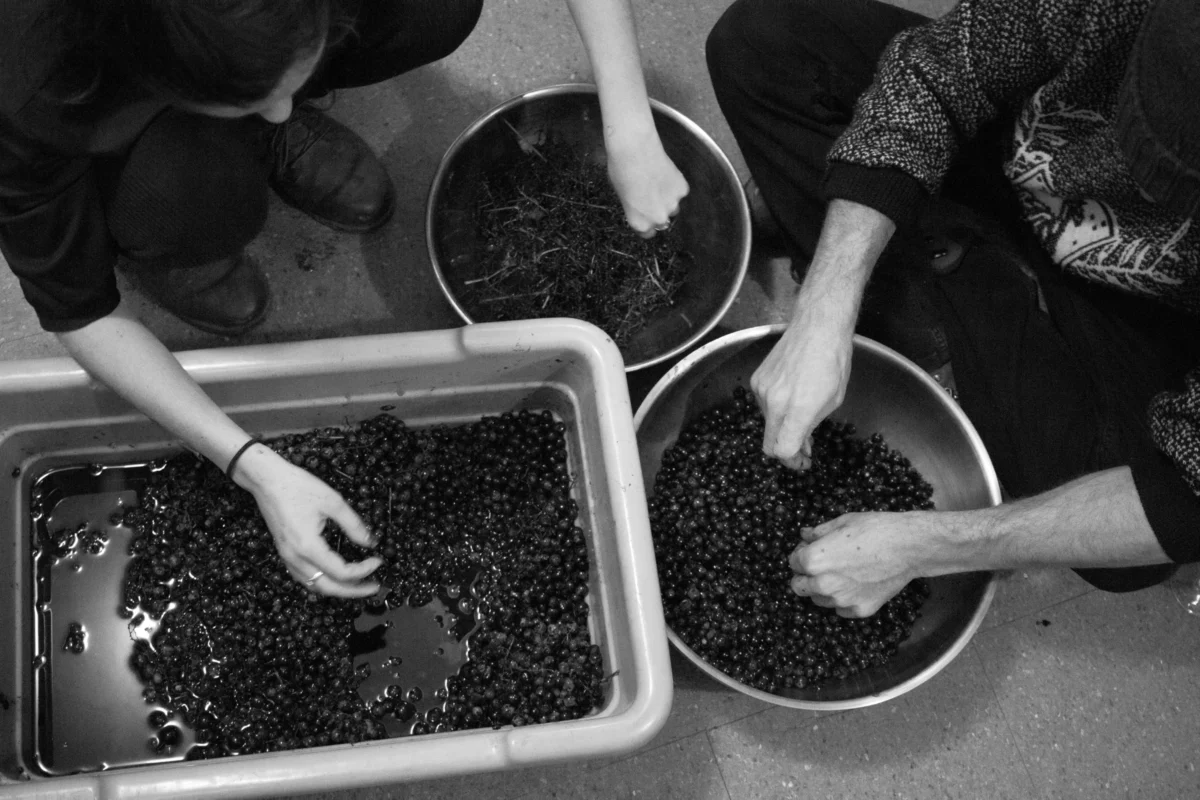
The escalating cost of living in the Western United States is pushing the dream of homeownership further out of reach for many, with resort towns in the Rocky Mountains seeing affordable housing options disappear under the pressure of short-term vacation rentals, and the tech boom in California’s Bay Area driving up property values. This intense demand from affluent individuals seeking to own property in scenic areas has made securing stable, affordable housing an increasingly distant prospect for low-wage workers in states like Montana and Wyoming. Evidence of this widespread issue is starkly illustrated by the fact that seven of the ten states experiencing the most significant housing shortages are located in the West. Amidst this challenging landscape, a new book by Samantha Paige Rosen explores communal living as a potent and time-tested solution to modern-day isolation and economic strain.
Rosen’s book, Living, Together: Reimagining Community in the Age of Disconnection (Beacon Press), compiles essays and interviews that advocate for communal living not merely as a practical necessity for those facing financial hardship, but as a deeply rewarding model that fosters vital support systems and genuine human connection. "The messaging in American culture that living independently is an important milestone, even an achievement, is nearly inescapable," Rosen observes, highlighting a deeply ingrained societal value that often clashes with economic realities. She further emphasizes, "Shaping our homes to better address physical, social, emotional and financial needs is essential for our survival."

Rosen’s personal journey illuminates the genesis of her exploration into shared living. In her late twenties, while navigating personal challenges including mental health struggles, her sexuality, and chronic pain, a significant rent increase of 10% prompted her to move back in with her parents. To her surprise, this arrangement provided a profound sense of relief across multiple facets of her life. The shared household responsibilities and the inherent companionship proved beneficial, and the living situation extended for five years, well beyond her initial recovery period.
This transformative experience spurred Rosen to pose a critical question: "How might we live together in order to have happier, healthier, and more connected lives?" Her book delves into the diverse motivations behind communal living, featuring insights from twenty-one contributors of varying ages and backgrounds, all currently residing in the United States.
One poignant contribution comes from Adam Vitcavage, founder of the literary platform Debutiful. He shares a deeply personal account of repairing his relationship with his sister in Arizona, a state that has witnessed a staggering 72% rent increase between 2010 and 2022, coupled with a 57% rise in median home sale prices. His sister moved in with him following her divorce, and their renewed proximity allowed them to heal a relationship that had become nearly estranged, enabling them, as Vitcavage writes, to "stop wearing masks—maybe for the first time."

The pervasive housing shortages are forcing families to relocate, necessitating lengthy commutes, and placing considerable strain on senior citizens, particularly in cities like San Francisco. In his essay, Jake Montano recounts finding a sense of belonging within the queer community. Drawing on his experiences in drag pageants under the stage name Imelda Glucose, Montano details joining a household formed by a chosen family, many of whom had experienced estrangement from their biological relatives. This chosen family, he notes, "plays a critical role in addressing and remedying experiences of homophobia."
In Los Angeles County, despite a population decrease of over 500,000 in the past decade, housing demand has intensified due to a rise in single-person households. Author Gabrielle Korn found herself in a position where she began renting out her home office on Airbnb to supplement her income. The unexpected emotional bonds she formed with her guests inspired her to establish The Pink Door Artist and Writer Residency, offering a supportive and affordable opportunity for creatives who might otherwise be unable to access such resources.
The luxury real estate market in Jackson Hole, Wyoming, located in the nation’s wealthiest county, has seen housing prices skyrocket, driven by the demand from celebrities and wealthy individuals. In response to this affordability crisis, Adam Meyer hosts popular monthly dinner parties, bringing together friends and strangers, many of whom have been priced out of homeownership. This practice evolved from Meyer’s college days, when he envisioned a vibrant communal living experience with all his friends residing in a large apartment building, reminiscing fondly about the casual interactions of dorm life: "I really did love that part of dorm life—walking by your neighbor’s room, seeing their door open, and chatting for thirty minutes."

Living, Together serves as a powerful reminder that reimagining and reshaping our world is not only possible but actively happening. In Boulder, Colorado, occupancy limits that were long in place to restrict the formation of co-ops have recently been repealed by the city council. Residents of a mobile home park in Durango, with the assistance of a land trust, successfully collaborated to purchase their community, safeguarding it from a corporate buyout. The book also highlights intergenerational neighborhoods in other regions, where seniors living alongside families adopting children through the foster system create mutually beneficial living environments.
In an era marked by the dominance of private equity and astronomical housing costs, with vacant second homes standing as symbols of wealth in resort towns, individuals are increasingly turning to communal living to solve pressing problems and build supportive networks. In her warm and insightful introduction, Rosen draws a parallel to fellow anthology editor Margot Kahn, who described such collections as "the town hall bound in pages." Anthologies, by their nature, invite dialogue and diverse perspectives. In a contemporary world where even public forums can become sites of intense polarization, this collection of voices harmonizing on the theme of community building offers a much-needed and welcome perspective for readers.