Rocky Gerung
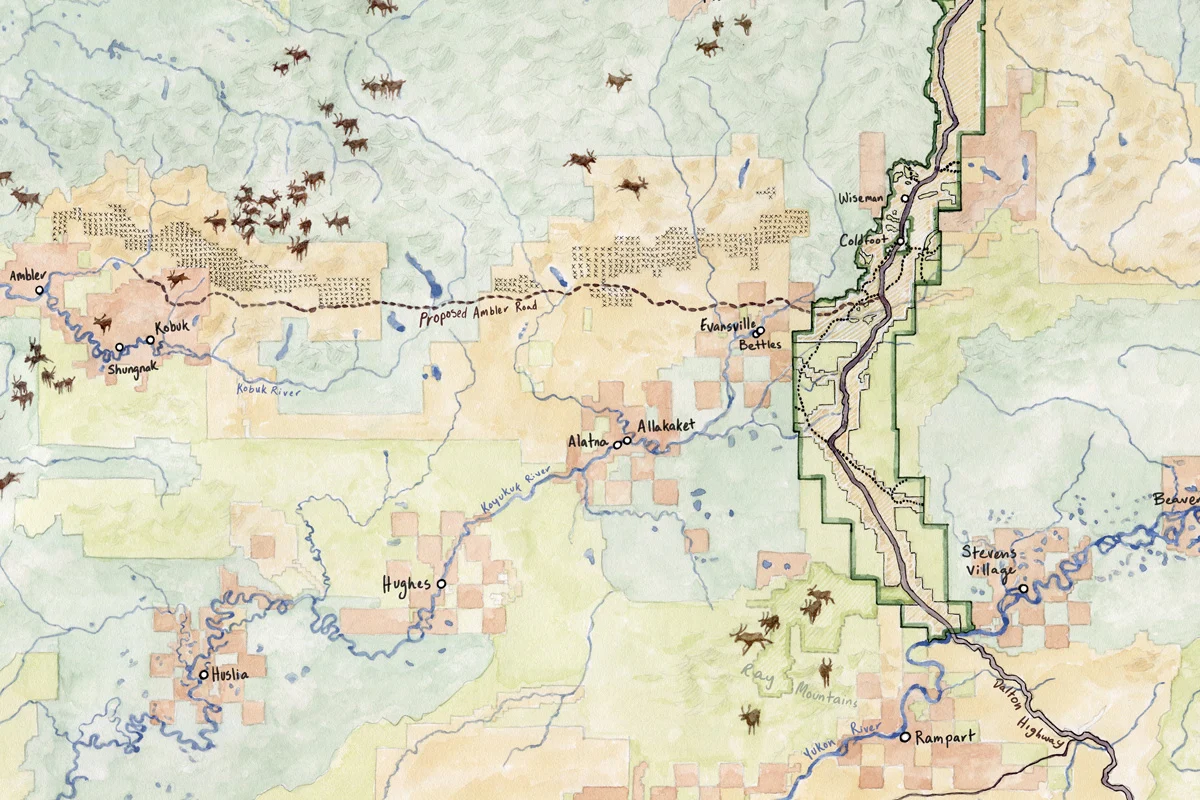
The Dalton Highway, a solitary 414-mile ribbon of asphalt, serves as the sole terrestrial link connecting Alaska’s established road network to its remote Arctic Coast, mirroring the path of the Trans-Alaska Pipeline System. This critical artery facilitates the movement of heavy-duty trucks transporting vital resources from the oilfields at its northern terminus, a landscape shaped by decades of industrial development. Beyond the immediate confines of the highway, however, the surrounding territory remains a vast, largely unbroken expanse of ecological significance, characterized by rolling tundra, black spruce hills, and rising mountains. This immense, intact habitat is a crucial carbon sink and a thriving sanctuary for iconic wildlife, including large caribou herds, salmon, moose, and bears. Nestled within this wilderness are dozens of remote communities, home to Indigenous peoples such as the Koyukon, Iñupiat, and Gwich’in, whose cultural identity and sustenance are inextricably linked to the natural world and its abundant resources.
However, a recent shift in the ownership and management of the Dalton Highway corridor has cast a long shadow over the ecological integrity and cultural continuity that this pristine landscape sustains. This change threatens to unravel the delicate balance that has long characterized the relationship between human inhabitants and the Arctic environment.
The genesis of this complex situation lies in the mid-1970s, during the construction of the highway and the adjacent oil pipeline. At that time, the Secretary of the Interior designated federal land for the proposed route through Public Land Orders 5150 and 5180, effectively preventing any land uses that could conflict with these monumental infrastructure projects. Crucially, these orders also prohibited the transfer of this designated land to the state of Alaska or to Alaska Native corporations. As federal land, the corridor remained subject to a robust framework of federal laws designed to protect historic sites, uphold the rights of rural subsistence hunters and fishers, and mandate rigorous public environmental reviews and tribal consultations for any proposed development. This regulatory structure ensured a degree of oversight and consideration for the unique ecological and cultural values of the region.

In a significant departure from this established precedent, the Trump administration rescinded both Public Land Orders in February, impacting approximately 2.1 million acres of Bureau of Land Management property within the highway corridor north of the Yukon River. The state of Alaska, which was still entitled to claim millions of acres under its statehood act, immediately asserted its rights to two-thirds of this newly available land. The transfer of land ownership from federal to state control carries profound implications, particularly concerning hunting and access rights. With state ownership comes a reduction in the layers of regulatory oversight, making it more challenging to scrutinize proposed projects. Furthermore, the legal landscape shifts, as challenging development proposals in state courts often entail a "loser-pays" system for legal fees, creating a significant financial deterrent for environmental groups and local communities seeking to protect their interests.
This dramatic alteration has been described as an "incredibly destabilizing moment" by historian Philip Wight, a co-author of a recent paper examining the development of the Dalton Highway corridor. While a lawsuit aimed at restoring the original Public Land Orders faced a partial dismissal, environmental organizations have lodged an appeal, demonstrating a continued resolve to challenge the decision. Regardless of the legal outcome, activists have pledged to persist in their advocacy. April Monroe, Native lands manager for the Tanana Chiefs Conference—a consortium representing 42 tribal nations and villages that vocally opposed the rescinding of the orders—emphasized the critical role of intact ecosystems in addressing the climate crisis. "The first, last, and only defense against climate crisis is intact ecosystems," Monroe stated, underscoring the global significance of protecting this fragile Arctic environment. "The fate of the world rests on whether they can be protected."
The implications of this land transfer extend far beyond the immediate corridor. Alaska harbors ambitions to expand access and development north, east, and west of the Dalton Highway, aiming to connect the highway to state lands rich in mineral resources. This strategic expansion includes land essential for the proposed Ambler Road, a controversial private industrial highway designed to facilitate mining operations in the southern Brooks Range. The construction of such a road would fragment critical habitats, disrupting established wildlife migration routes and potentially impacting the delicate ecosystems that support the region’s biodiversity.
The potential environmental consequences are multifaceted and alarming. Caribou, particularly sensitive to habitat fragmentation, face significant challenges, with the Western Arctic herd having already experienced a dramatic decline of 75% since 2003. Studies indicate that the Ambler Road could further disrupt the herd’s already shifting fall migration patterns, which are increasingly influenced by the impacts of climate change. The proposed road would also traverse thousands of waterways, posing a direct threat to struggling salmon runs and other vital fish species such as sheefish and whitefish, species that are integral to both the ecosystem and the subsistence of local communities.

Moreover, the proposed Ambler Road and associated industrial development are slated to cross permafrost regions, a development that would accelerate permafrost thaw. The thawing of these frozen soils releases not only sediment and minerals into waterways, potentially harming aquatic life, but also vast stores of greenhouse gases, primarily carbon dioxide and methane, into the atmosphere. This release of ancient carbon further exacerbates global climate change, creating a feedback loop where development in the Arctic contributes to global warming, which in turn further destabilizes the Arctic environment. Land subsidence, a direct consequence of permafrost thaw, could also pose structural challenges for infrastructure and impact the landscape itself.
The potential for increased fossil fuel extraction also looms large. By consolidating ownership of the corridor under state control, the transfer may streamline the path for a proposed 800-mile natural gas pipeline. This ambitious project, intended to parallel the Dalton Highway and transport North Slope gas deposits to a proposed export terminal on the Kenai Peninsula, faces a substantial price tag of up to $70 billion. However, even incremental successes in facilitating development can improve the long-term prospects of such megaprojects. If completed, the pipeline would inevitably lead to increased Arctic drilling and related industrial activities, potentially encroaching upon the crucial calving grounds of the Porcupine caribou herd, an area already facing significant threats.
The impact on food security for rural Alaskans is a particularly pressing concern. Habitat fragmentation directly hinders access to traditional food sources, a cornerstone of sustenance for many residents, both Alaska Native and non-Native. When land is transferred from federal to state jurisdiction, rural residents often lose their priority hunting and fishing rights. In communities like Wiseman, for instance, local hunters who were once permitted to harvest one moose per winter on nearby lands must now either travel considerable distances to access federal lands or compete for limited hunting tags in a lottery system open to all Alaskans, including guides serving out-of-state clients. This shift can create significant challenges for maintaining food security and cultural traditions.
Furthermore, the expansion of disturbance in the region is a growing concern. Previously, only local residents engaged in subsistence activities, such as hunting or collecting firewood, were permitted to use snowmobiles within a five-mile radius of the Dalton Highway, provided they remained on federal land. With the shift in ownership, these exceptions are being rescinded. While the state has outlined plans for motorized access via historic routes and proposed additional easements, these routes will be open to all Alaskans. This broader access, while intended to facilitate movement, inevitably leads to increased pressure on the land and its wildlife, potentially overwhelming the capacity of these sensitive ecosystems to recover. The intricate web of ecological and cultural connections that has sustained life in this remote region for millennia now faces an unprecedented challenge, demanding careful consideration and a commitment to preserving its invaluable natural and cultural heritage.