Johny Prima
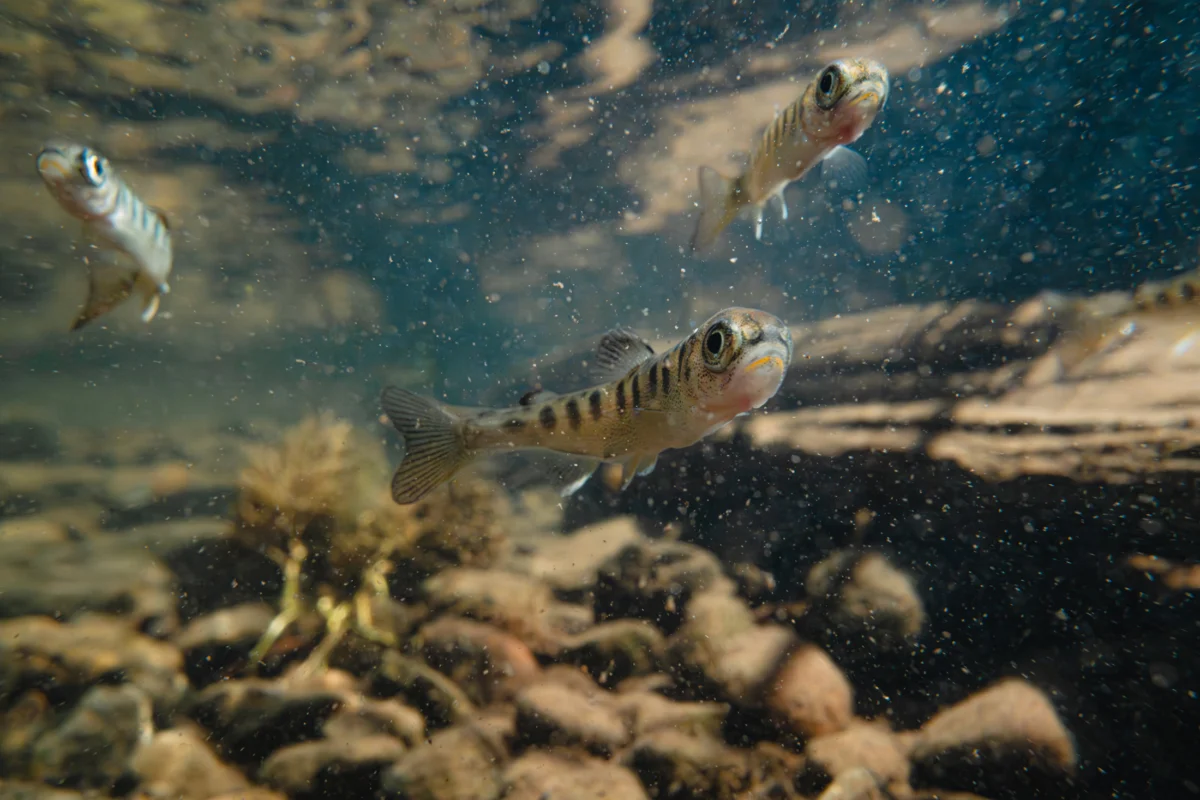
The headwaters of the Klamath River, a sacred wellspring in southern Oregon, represent the ancestral heartland of the Klamath Tribes, a confederation encompassing the Klamath, Modoc, and Yahooskin peoples. Tribal Chairman William Ray Jr. articulates this profound connection, stating, "The water comes right out of the ground. I know this because I see it. I’ve lived it. And I know where the headwaters come out of." These pristine waters converge to form Upper Klamath Lake, the genesis of the Klamath River, which then embarks on a nearly 260-mile journey through northern California before ultimately merging with the Pacific Ocean. This extensive watershed historically sustained a vibrant ecosystem, supporting myriad fish species central to the economies, traditional cuisine, and medicinal practices of tribal communities across the entire basin, including the Yurok Tribe, situated where the river meets the sea.
For generations, salmon were not merely a food source but the lifeblood of the Klamath people, embodying spiritual reverence and sustaining their very existence. Historically, these powerful anadromous fish, capable of navigating both fresh and saltwater, constituted a third of the Klamath peoples’ diets. Chairman Ray reverently describes salmon as a species of unparalleled resilience, bestowed by the Creator for the benefit of all Indigenous peoples. The legendary Klamath Trail, an ancient trade route spanning what is now Oregon, once facilitated vital commerce and cultural exchange, linking the Klamath Basin to Celilo Falls on the Columbia River, a renowned fishery and international trade hub now submerged. At its zenith, the Klamath River was celebrated as the world’s third-largest salmon producer, a testament to its ecological abundance. Beyond sustenance, salmon and other native fish like c’waam and koptu (Klamath and Shortnose suckers), meticulously harvested from specific lake bends or river stretches, served as potent medicine. Elders suffering from illness would seek out particular fish, consuming their gills or boiling their heads to create healing broths, integrating the river’s bounty directly into their holistic health practices.
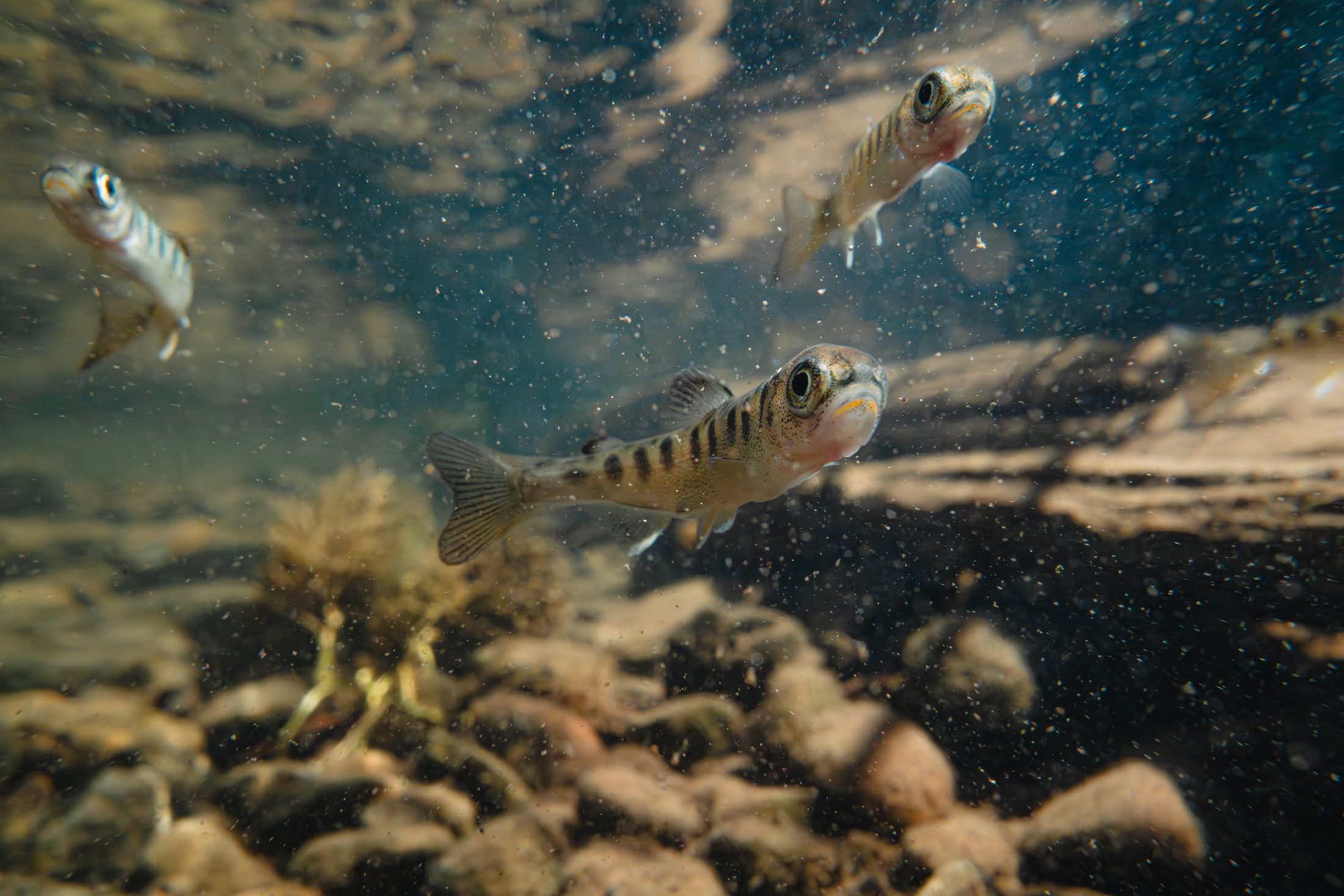
However, the dawn of the 20th century brought an era of profound ecological disruption. The construction of a cascade of hydroelectric dams along the Klamath River dramatically altered its natural flow, temperature, and sediment transport, severing the ancestral migratory pathways of salmon and other anadromous species to the upper basin. The once-thriving lake-dwelling fish populations also suffered precipitous declines due to degraded water quality and habitat loss. The Klamath Tribes, observing these devastating changes, recognized the impending crisis long before Western science fully documented it. "We knew that there was something wrong beginning in the ’70s and especially the ’80s," Ray recounted, underscoring the deep Indigenous knowledge that discerned the imbalance. In a poignant and emotionally charged decision in 1986, the Klamath Tribes, faced with the stark reality of dwindling fish stocks, voluntarily chose to cease their traditional fishing practices. This self-imposed moratorium, a heartbreaking sacrifice, represented a significant blow to their cultural viability and ancestral way of life. Chairman Ray echoed the sentiments of a Umatilla elder, articulating the impossible dilemma: "How can you build a tribal traditional economy on species that are endangered?" The inability to provide an elder with a specific fish for healing, a practice rooted in millennia of tradition, became a stark manifestation of this profound cultural wound.
Today, after decades of advocacy, negotiation, and unwavering determination, a new chapter is unfolding for the Klamath River and the Indigenous cultures it sustains. A monumental effort culminated in October 2024 with the systematic removal of four outdated and underperforming hydroelectric dams on the lower Klamath River: Copco 1, Copco 2, Iron Gate, and J.C. Boyle. This historic undertaking, the largest dam removal project in U.S. history, immediately yielded astonishing results. Almost instantaneously, Pacific lamprey, steelhead, fall Chinook salmon, and other anadromous fish began their long-awaited migration back to the upper reaches of the basin, areas that had been inaccessible for over a century. Jordan Ortega, an anadromous fish specialist for the Klamath Tribes, confirmed the rapid ecological response, noting that approximately 20 Coho salmon had reached Oregon before the close of the year. While two dams, Kino and Link River, still stand in the upper Klamath River, their equipped fish ladders, though not optimal for all species, offer at least partial passage.
In a promising development earlier this year, the Bureau of Indian Affairs (BIA) and the National Oceanic and Atmospheric Administration (NOAA) jointly announced a competitive $5.9 million grant aimed at tribal salmon restoration. The Klamath Tribes, alerted to this critical funding opportunity by their Yurok relatives downstream, swiftly initiated efforts to apply, engaging with the Oregon Department of Fish and Wildlife (ODFW), with whom they had already collaborated on comprehensive post-dam-removal reintroduction and monitoring plans. However, a bureaucratic hurdle quickly emerged. Chairman Ray discovered that the grant, as initially framed, was intended solely for "salmon restoration tribes." Due to the century-long extirpation of salmon from Klamath ancestral territories, the federal government did not categorize them as such, rendering them ineligible. Ray expressed his disbelief, "We’re trying to put salmon back into our territory, right? So how couldn’t we be a salmon tribe?"

Fortunately, the powerful bond and shared vision between the Klamath and Yurok Tribes proved instrumental. Mike Belchik, the Yurok Tribe’s senior water policy analyst, immediately intervened. Despite being informed by the BIA that it was too late in the process to formally add the Klamath Tribes to the eligibility list, the Yurok Tribe demonstrated remarkable solidarity. They applied for the grant themselves and extended an invitation for the Klamath Tribes to collaborate, effectively "piggybacking" on their application. This act of inter-tribal cooperation ensured the funding reached its intended recipients. The BIA ultimately awarded the grant jointly to the Yurok Tribe, the Klamath Tribes, and the Oregon Department of Fish and Wildlife, with the Yurok Tribe serving as a vital administrative pass-through, channeling the funds directly to the Klamath Tribes. This collaborative effort starkly contrasts with historical narratives that sometimes portrayed the tribes as rivals in water rights disputes. Belchik emphatically refutes this, stating, "Our council, our leadership, pledged to help the Klamath Tribes in any way they could. We made a promise to them. When this funding opportunity came up, that’s who we thought of." He underscored the shared benefit, explaining that both tribal nations stand to gain immensely from an expanded run of spring Chinook salmon, reinforcing the principle that "the entire basin as an ecosystem of which all parts are important."
The $5.9 million grant is now fueling the expansion and strategic deployment of innovative remote site incubators. These specialized panel systems, designed to mimic the natural conditions of a salmon redd (nest), are strategically placed in the river to protect thousands of fertilized eggs from predation and environmental threats. Jordan Ortega detailed the project’s ecological objective: "The goal is to establish these remote site incubators across a wide range of thermal and flow regimes. That way there’s as much life-history diversity as possible." This approach leverages the evolutionary strategy of Chinook salmon, known for their "life-history diversity," meaning they employ varied behaviors and adaptations to achieve successful reproduction. The effectiveness of this restoration strategy is further underscored by the extraordinary migratory patterns observed post-dam removal. While salmon typically return to their natal streams with only about 5% venturing into new territories, the Klamath fish defied these norms. Out of an estimated 60,000 to 70,000 returning fish, an astounding 13,000 migrated past the former dam sites, a fraction significantly larger than typically documented in scientific literature. Initial tests of the remote site incubators using 10,000 fertilized eggs from the Trinity River Hatchery yielded a remarkable hatch-success rate exceeding 99%.
A momentous milestone was achieved just last month when the first spring Chinook salmon in over a century returned to the upper basin. While fall Chinook have been the predominant returning species so far, spring Chinook, highly prized for their flavor and ecological significance, have a more restricted distribution, primarily thriving in the lower basin’s Trinity and Salmon Rivers, closer to the ocean. Their naturally smaller population size necessitates additional support, making the remote site incubators crucial for boosting their numbers in the upper basin. This triumph also serves to silence long-standing skepticism among some non-Native locals who historically denied the presence of salmon in the upper Klamath. "There’s a lot of naysayers all over the place saying that we trucked them around the dams and that they were never here. Well, they’re here," Chairman Ray affirmed, declaring the return "a blessing by Creator, because now it’s undeniable." He recounted overhearing conversations in a restaurant where non-Natives expressed excitement about fishing the returning salmon, unaware of the profound irony. Ray was quick to emphasize the legal framework underpinning tribal rights: "This is a treaty protected resources under the Treaty of 1864. We’re the one that’s been harmed here." While the ultimate vision, as articulated by Belchik, is a "harvestable surplus for all," Phil Milburn, a wildlife biologist with the Oregon Department of Fish and Wildlife, prudently noted that initial discussions about harvest are likely years away, as the immediate priority remains the re-establishment and robust recovery of these species in Oregon. The new remote site incubators are slated for installation next year, with adult spring Chinook anticipated to return as early as 2030.

The successful restoration of the Klamath watershed, Chairman Ray observes, is uniquely possible due to the absence of a large metropolitan area within the basin, offering an unparalleled opportunity to demonstrate large-scale ecological recovery. "There’s an opportunity for us to set a new standard, to show America that we can restore, as humans, a watershed that’s been degraded for the last 100-plus years," he declared. He expressed immense pride in the leadership role played by tribal nations in this endeavor, highlighting their tireless efforts and strategic collaboration. The journey to heal the Klamath River is a testament to Indigenous resilience, scientific innovation, and inter-tribal solidarity, demonstrating a powerful model for environmental justice and ecosystem restoration on a global scale. "There’s a lot of positive things going on, and we’re fighting like heck," Ray concluded, "We have to be very speedy. We have to have all cylinders going."