Johny Prima
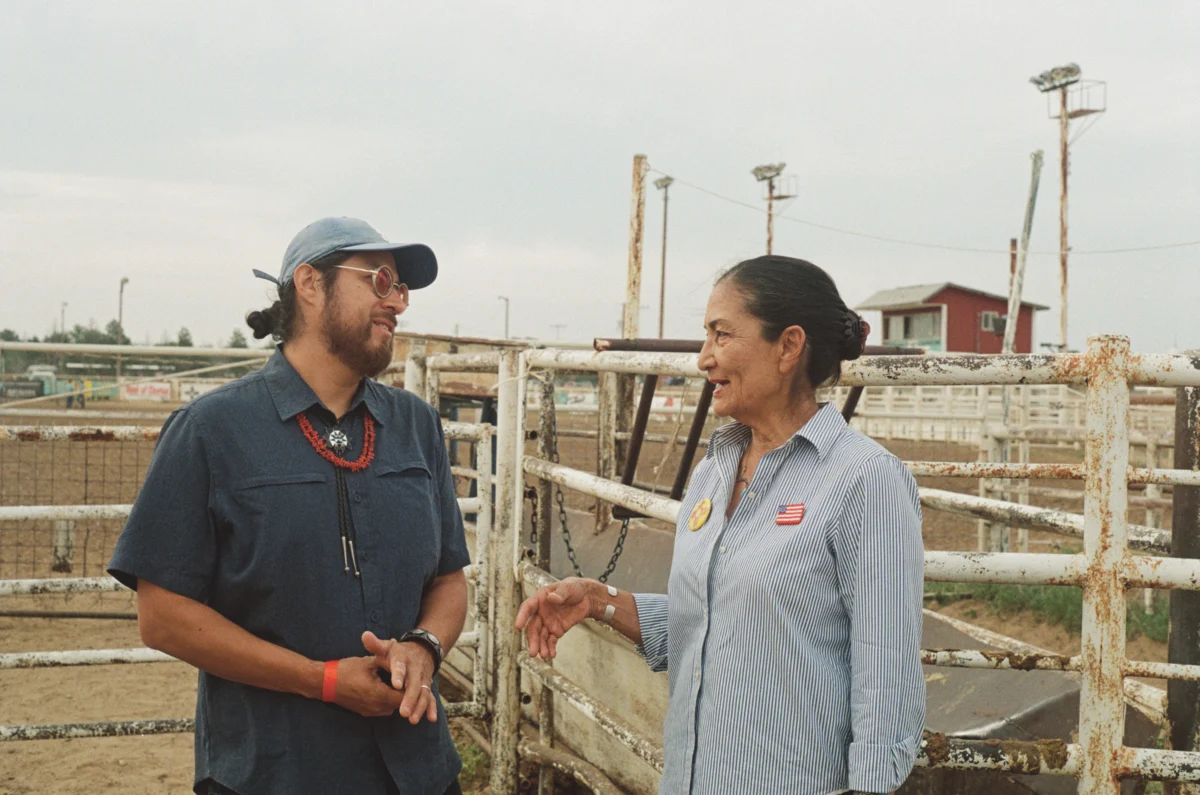
In the quiet pre-dawn hours, a deeply ingrained practice unfolds across the American Southwest, a reverence for the land and its enduring spirit. For many Pueblo people, this daily ritual begins with an offering of corn pollen, a sacred gesture performed facing east towards the rising sun, acknowledging the new day and setting intentions. This ancient tradition, passed down through generations in places like the Zuni Mountains where red clay fields yield life-sustaining corn, grounds individuals in a profound sense of belonging and purpose. It embodies a land-based belief system that recognizes life as a continuous journey, where one’s path is not merely found but consciously set, fostering a presence with all existence. This profound connection to land and ancestry, a hallmark of Indigenous cultures globally, is not just a personal spiritual anchor but also a foundational principle guiding the political ascent of figures like Deb Haaland.
Haaland, a prominent Laguna and Jemez Pueblo relative, shares this enduring spiritual discipline, commencing her days with a recommitment to the wisdom imparted by her grandparents. Her family, contemporaries of many Pueblo elders who preserved vital knowledge and lifeways, instilled in her the resilience and foresight now defining her political career. Having made history during the Biden administration as the first Indigenous Secretary of the Interior, a role that placed her at the nexus of federal land management and tribal affairs across the United States, Haaland has been tirelessly campaigning since 2025. Her journey has crisscrossed New Mexico, from the rural expanses of Gallup and Shiprock to the political corridors of Santa Fe, before returning to her Albuquerque home. She consistently attributes her current position as a leading candidate for New Mexico’s governorship, and a significant voice in the nation’s post-Trump reconstruction efforts, to the unwavering strength and teachings of her ancestors.

Should Haaland secure victory, she would not only become New Mexico’s third consecutive female governor but also mark a historic milestone as the first Native American to hold the state’s highest office. Her commanding primary win, a 45-percentage-point lead, underscored widespread support for her progressive agenda. This platform champions the expansion of public health care, a critical need in a state with diverse rural and Indigenous populations, strengthening state environmental regulations to protect New Mexico’s delicate ecosystems, and increasing the state minimum wage to uplift working families. Furthermore, Haaland advocates leveraging the state’s significant energy profits—derived from its robust oil, gas, and burgeoning renewable sectors—to fund these progressive policies and, crucially, to advance tribal sovereignty.
The prospect of a Native American governor presents a powerful, albeit complex, dynamic. This position, traditionally embodying state power, has historically been part of a system that often dispossessed and marginalized Indigenous communities. Yet, an Indigenous leader within this structure can profoundly reshape it from within, transforming it into an instrument for self-determination and justice. Haaland’s potential governorship would task her with navigating intricate relationships with New Mexico’s 23 federally recognized tribal nations, employing mechanisms like the New Mexico State-Tribal Collaboration Act of 2009. This landmark legislation mandates state agencies to forge working partnerships and engage in negotiations with tribes on policy and practice, mirroring, at a state level, the federal government’s trust and treaty obligations. Her intimate understanding of these dynamics, first as a Pueblo woman and then as the Secretary of the Interior overseeing vast federal lands and tribal relations, positions her uniquely to champion Indigenous rights and land-based governance. Her tenure at Interior demonstrated how a leader deeply rooted in Indigenous land ethics could effectively guide national policy on natural resources, conservation, and cultural preservation, setting a precedent for her potential role in state governance.
Haaland’s campaign narrative consistently emphasizes the urgency of this election within the national context. She criticizes the divisive politics of the previous presidential administration, noting its failure to address the everyday economic concerns of Americans and its tendency to create societal discord. For Haaland, the focus must shift back to tangible issues that directly impact people’s lives, such as affordability, community safety, and economic stability.

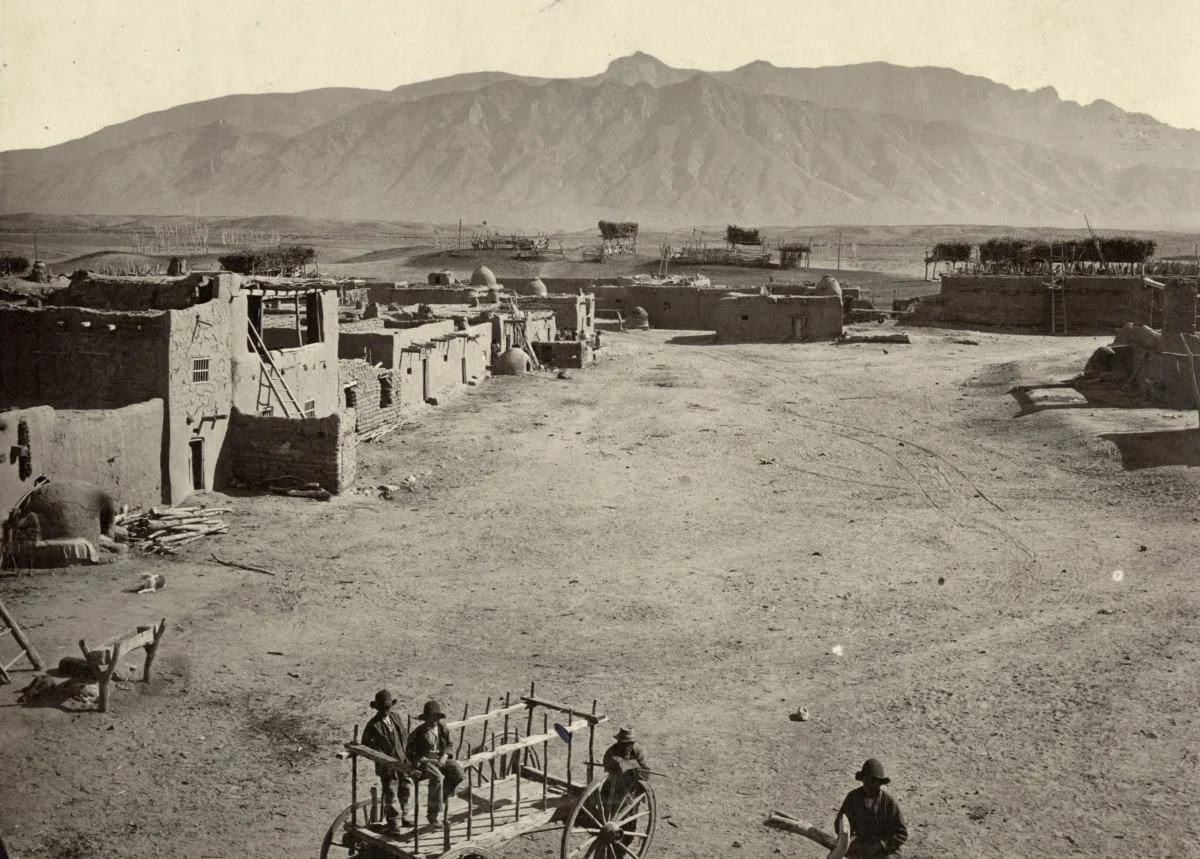
A cornerstone of her gubernatorial platform is fostering a deeper understanding of tribal sovereignty among non-Native populations and business leaders. Haaland frequently highlights the enduring presence of Pueblo peoples in the Rio Grande Valley since the late 1200s, long before colonial borders were drawn. She explains that while tribal boundaries may have diminished over centuries, the ancestral homelands remain vast and culturally significant. Tribes, she notes, have often been exploited, leading to a deep-seated skepticism toward external entities. Therefore, it becomes the responsibility of corporations, developers, and government leaders to proactively build relationships of trust, transparency, and respect. This collaborative approach extends even to projects that do not directly touch tribal lands but are visible from them, acknowledging the profound spiritual and cultural connection Indigenous communities maintain with their surrounding landscapes. Haaland asserts that industry leaders are increasingly recognizing the "tribal capital"—the economic, cultural, and social value—that tribes bring to the state, a shift partially facilitated by the State-Tribal Collaboration Act.
Addressing New Mexico’s perpetual struggle with drought, a condition exacerbated by global climate change, Haaland prioritizes water management. She firmly states that water must be primarily allocated for human consumption, ensuring community well-being over industrial demands. Any industry seeking to relocate or expand within New Mexico must adhere to strict sustainability principles, recognizing the finite nature of this vital resource in the arid Southwest. This perspective is particularly salient given the ongoing challenges of water rights, interstate compacts, and the increasing pressure on the Colorado River Basin, all of which directly impact New Mexico’s future.
With a federal government that has, at times, dismantled environmental protections, Haaland sees an imperative for New Mexico to assert its sovereignty and fill these regulatory gaps. She argues that the state cannot afford to compromise its environment for short-term gains, especially when federal agencies retreat from their responsibilities. Her vision includes bolstering state legal resources to challenge federal overreach, whether it pertains to environmental degradation, encroachment on state sovereignty, or the withholding of promised federal benefits. This proactive legal strategy underscores a commitment to protecting New Mexicans’ interests through aggressive litigation against entities, including the federal government, when necessary.

A deeply personal and profoundly important aspect of Haaland’s platform is the integration of Native American history, particularly the federal Indian Boarding School era, into New Mexico’s public school curriculum. She passionately asserts that this history is not merely "Native American history" but integral "American history" that all citizens must confront. Recounting the painful experiences of her own grandparents, who were forcibly sent to St. Catherine’s in Santa Fe, and the tragic role of places like Fort Union as way stations where Indigenous children were stripped of their identities before being sent to distant boarding schools, Haaland underscores the local relevance of this dark chapter. The boarding school system, designed to assimilate Indigenous children by eradicating their language, culture, and spiritual practices, left a legacy of intergenerational trauma that continues to affect Native communities today. By ensuring this history is taught, New Mexico can lead the way in fostering truth, reconciliation, and a more comprehensive understanding of its shared past, fulfilling a collective obligation to acknowledge and learn from these atrocities. Haaland’s candidacy, therefore, represents more than just a political race; it symbolizes a profound opportunity for New Mexico to embrace a future built on ancestral wisdom, environmental stewardship, and a commitment to historical truth and Indigenous self-determination.